A house from Mérida's earliest years
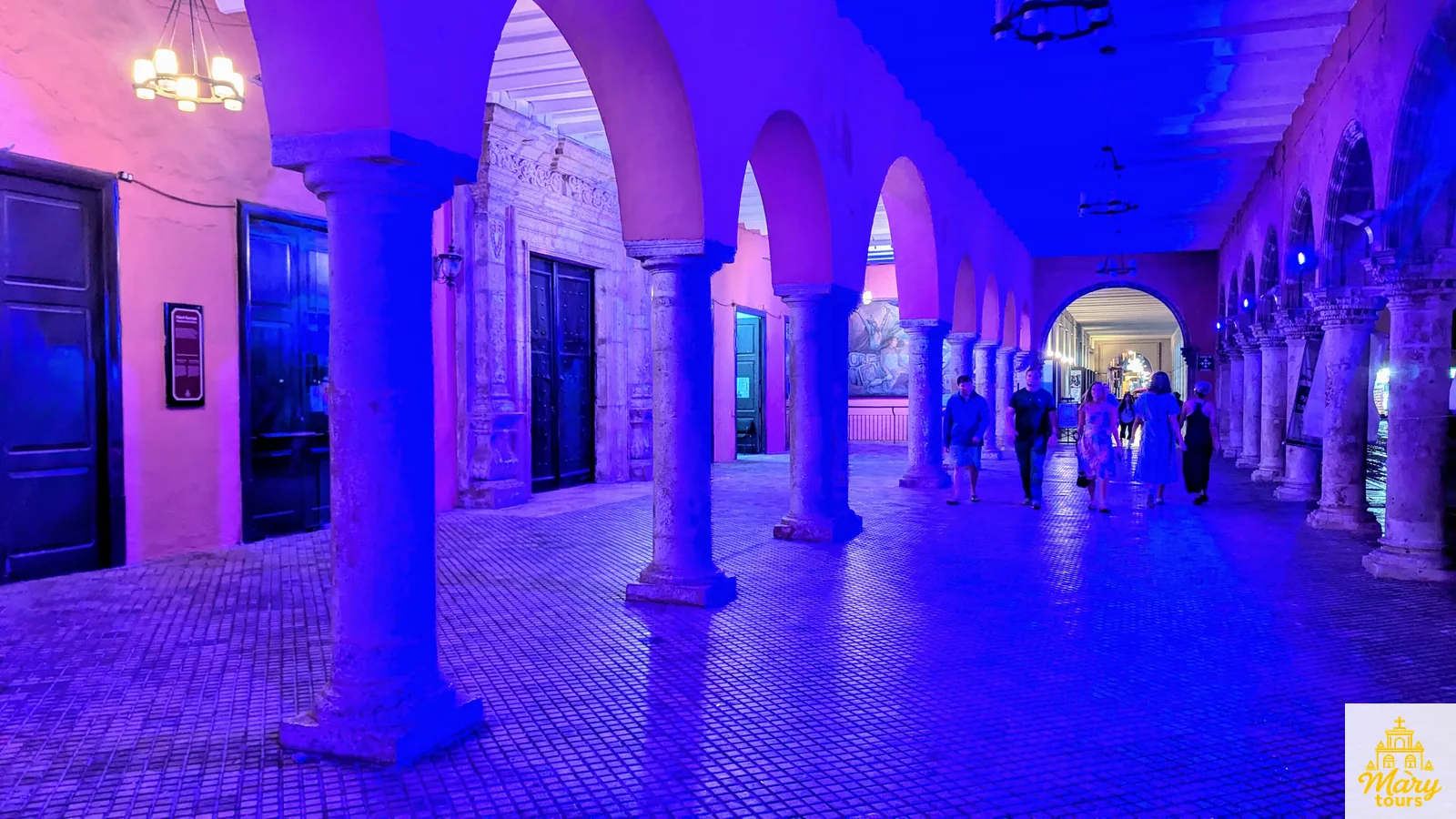
Seven years after the city's founding, in 1549, the Casa de Montejo was completed, according to the national monuments catalog of Mexico's INAH. The Montejo family built it in the early colonial period, and it became part of the Spanish core facing the south side of the Plaza Grande.
A façade worth reading
What everyone comes to see is the doorway. INAH describes its Plateresque and Mannerist style: stone carving with an iconographic program that includes human and animal figures. It was designed to project power, so take your time and read it from bottom to top.
Stones with Maya history
INAH's heritage record documents the reuse of Maya materials in the house: stones that once belonged to the Maya city of T'Hó, on which Mérida was founded.
Not to be confused with Paseo de Montejo
The Casa de Montejo dates from the 16th century and stands on the Plaza Grande. The mansions on Paseo de Montejo are from the late 19th century, the henequen era. They share a name, not an era.
Visiting
- It's now a historic house and museum; check current hours before you go.
- The best light for photographing the façade is usually side light, early or at sunset.
- Pair it with the cathedral and the Government Palace on the same square.
From the Casa de Montejo
Mary Tours' office is at Calle 61 #518-B, between 62 and 64, just steps from the Plaza Grande. Its day trips to Chichén Itzá, the Homún cenotes, Celestún or the Caribbean leave from there. Mary Tours' office is a block from the Casa de Montejo, on the same Calle 61. Schedules and prices are in the booking section on this page.
Fun facts
- The Casa de Montejo was finished just seven years after Mérida's founding.
- Its construction reused Maya stones.
- Its doorway combines human and animal figures carved in stone.
Related tours
Archaeology · 11 h
Chichén Itzá, Izamal and Valladolid
Four stops in one day, and none of them rushed
from $1,200 MXN per person
See itinerary
8:00 AM – 8:00 PM · daily
- 8:00 AM Departure from the office — An hour on the road to Izamal. The guide uses the drive to set up what comes next.
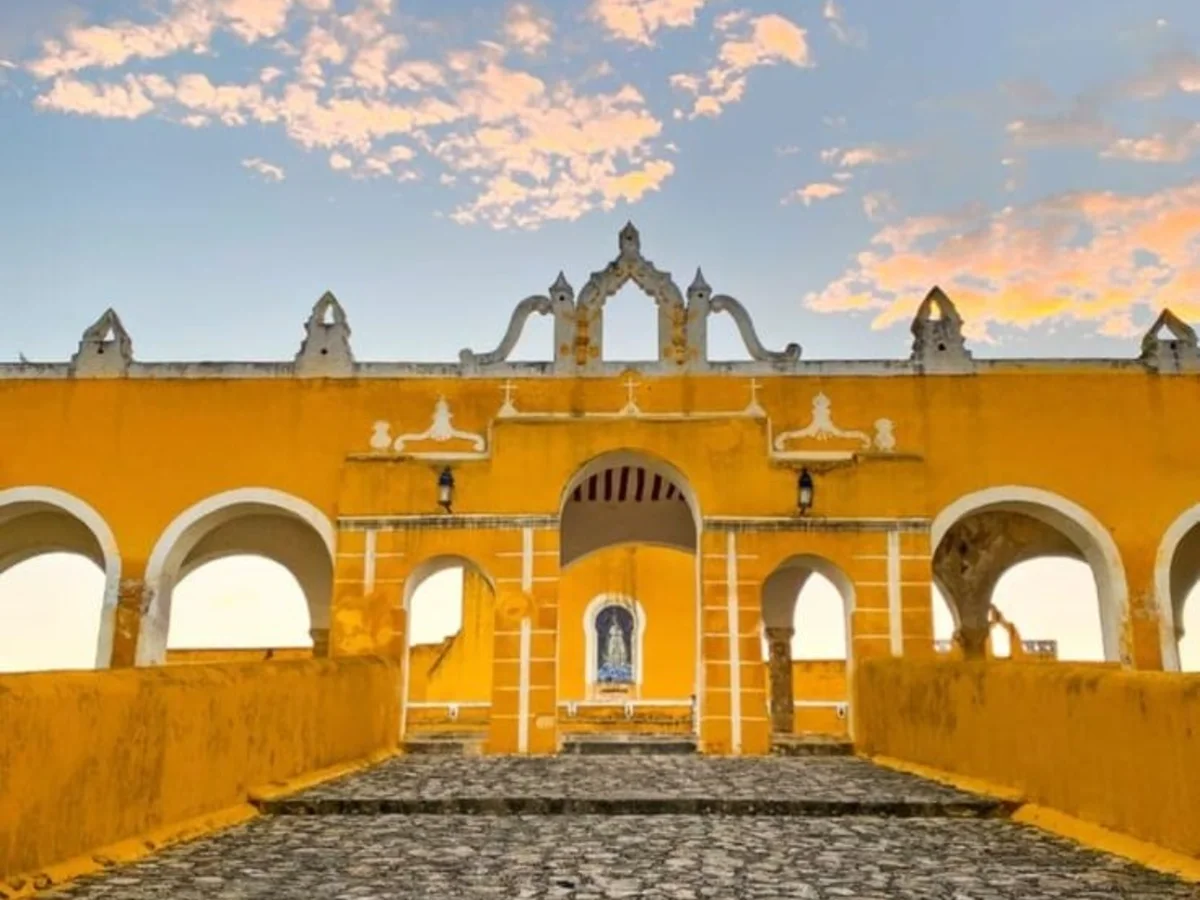
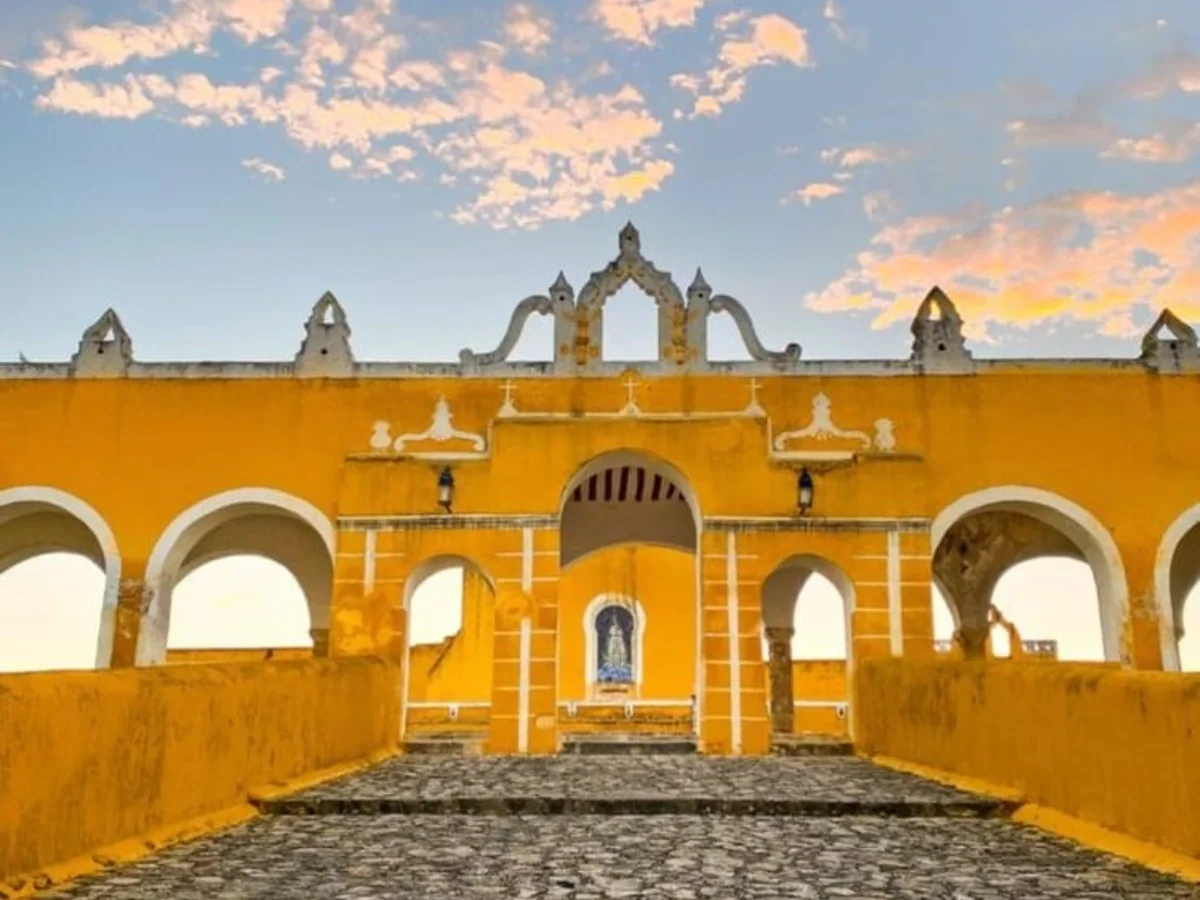
- 9:00 AM San Antonio de Padua Convent — The story of the 16th-century Franciscan convent told in its atrium, then free time to walk the yellow town.
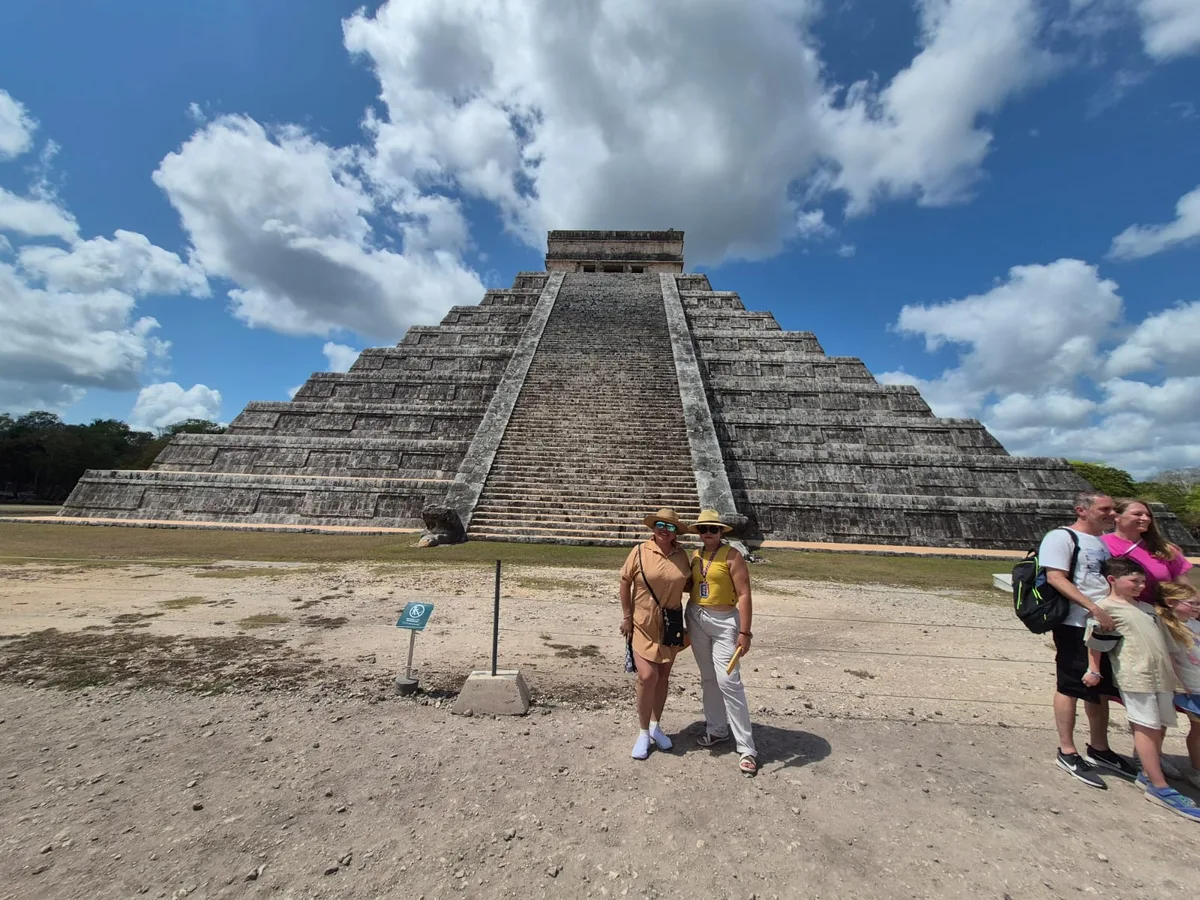
- 11:15 AM Chichén Itzá — Guided walk through the Temple of Kukulkán, the Sacred Cenote, the Ball Court, the Tzompantli and the Jaguars and Eagles platform.
- 1:45 PM Regional lunch in Kaua — Buffet of Yucatecan dishes: cochinita, relleno negro, lime soup and meat-free options.
- 3:00 PM Selva Maya cenote — The swim lands exactly when the sun is at its worst. Changing rooms and showers on site.
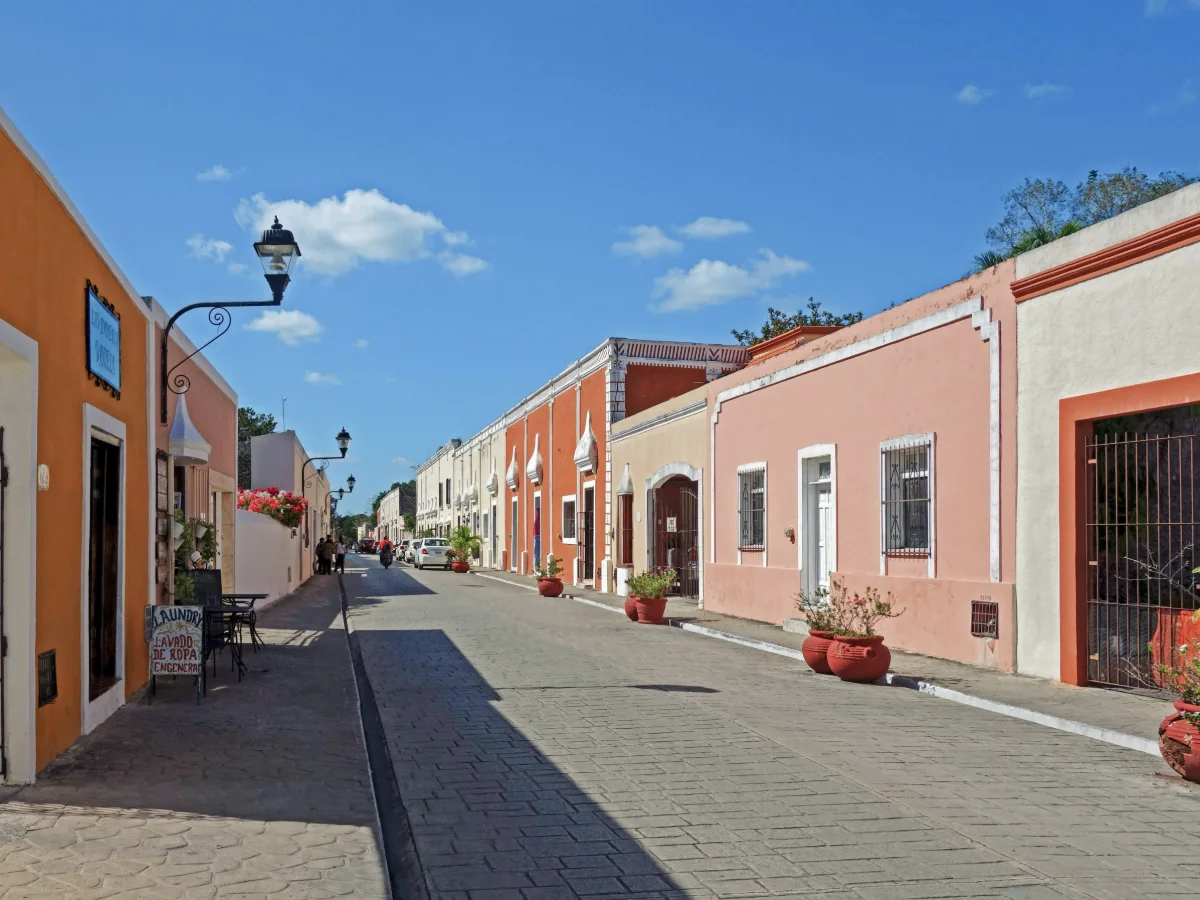
- 4:20 PM Valladolid — Francisco Cantón Rosado park with its original railings, the church of San Servacio and the murals in the town hall.
- 8:00 PM Back in Mérida — We drop you off where the day started.
Included: Air-conditioned transport, General culture guide, Regional buffet lunch
Not included: Chichén Itzá entrance, Cenote entrance, Drinks
Cenotes · 7 h
The four cenotes of Santa Bárbara
Four different cenotes and a lunch made by hand
from $1,450 MXN per person
See itinerary
10:00 AM – 5:00 PM · daily
- 10:00 AM Departure from the office — An hour on the road to Homún, through the ring of cenotes.
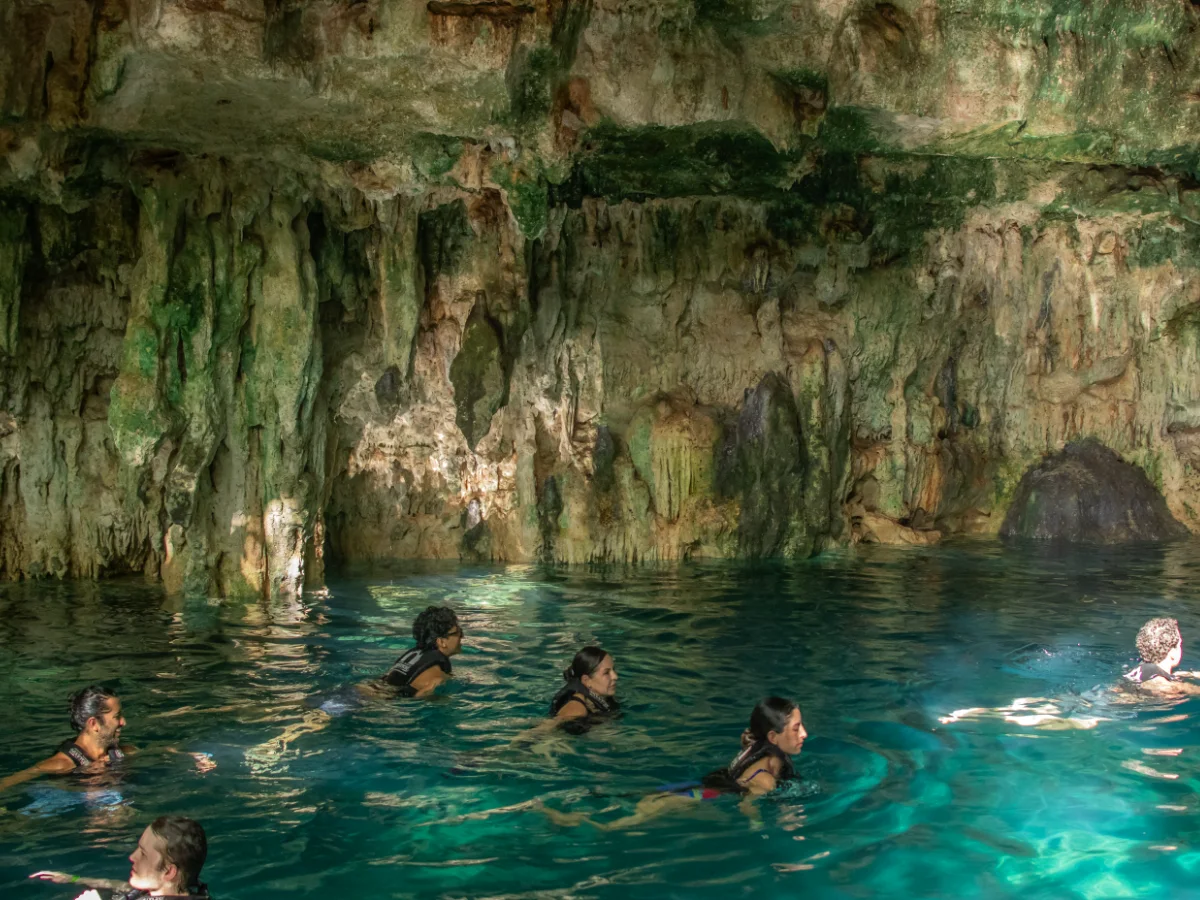
- 11:00 AM Cascabel cenote — Closed, cave type. You descend inside and the water sits in half-light: the most striking of the four.
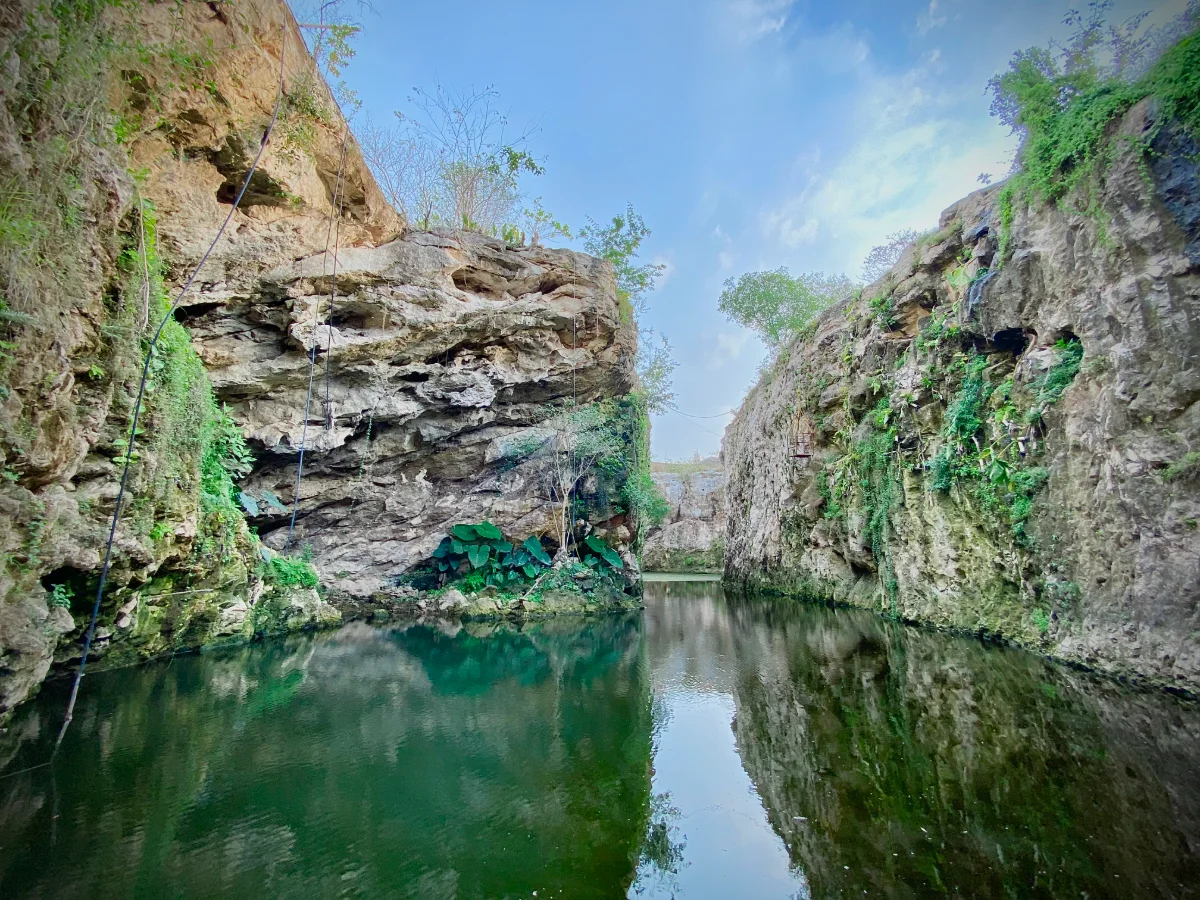
- 11:30 AM Chaksikín cenote — Semi-open. You go down between limestone walls painted with Maya-themed murals.
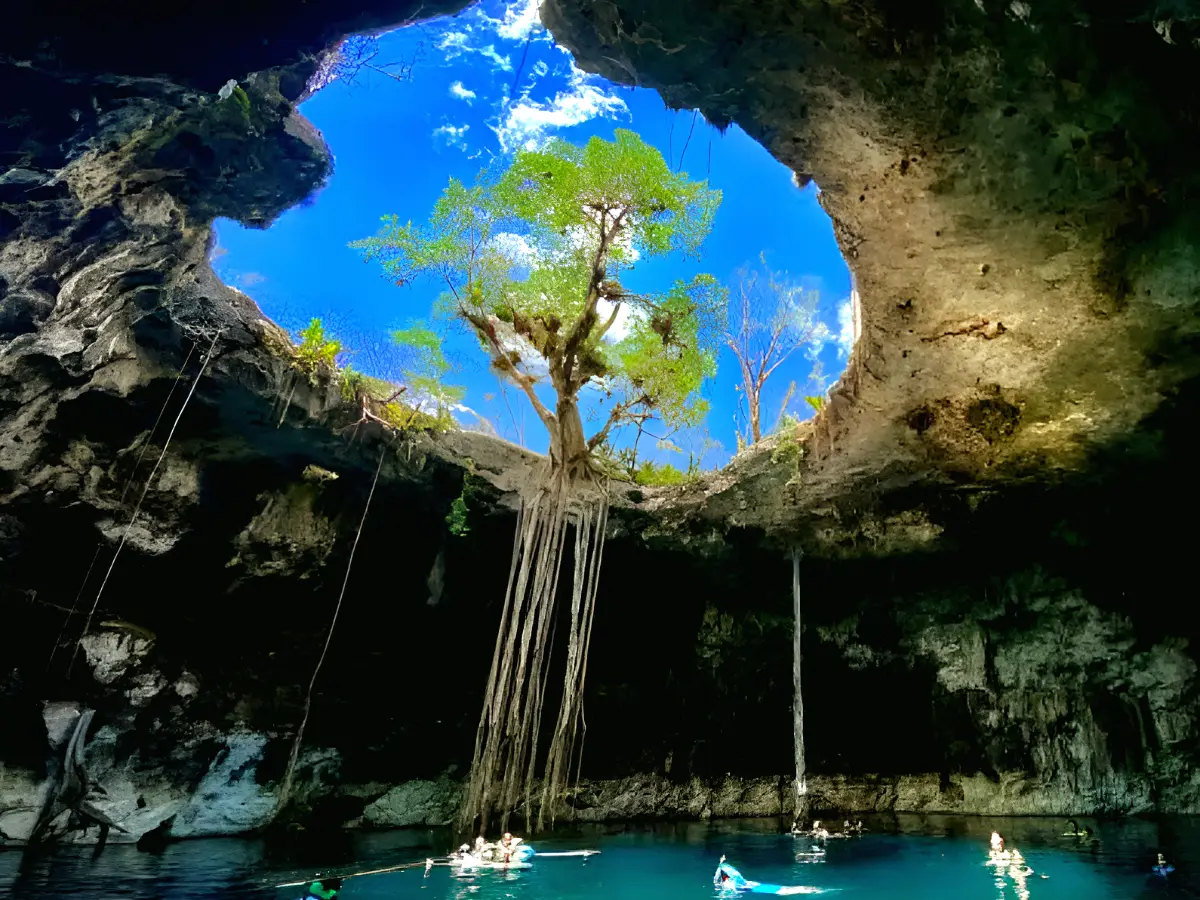
- 12:00 PM Xooch cenote — Semi-open, with a shaft of light that falls straight onto the water mid-morning.
- 12:30 PM Pool Cocom cenote — Open and surrounded by vegetation. You swim along a channel out to the wide part.
- 1:30 PM Regional lunch — Home cooking with hand-made tortillas. Plenty of time to eat without rushing.
- 4:00 PM Back to Mérida — An hour back, arriving around five.
Included: Transport, Certified guide, Entry to all four cenotes, Regional lunch
Not included: Drinks with lunch
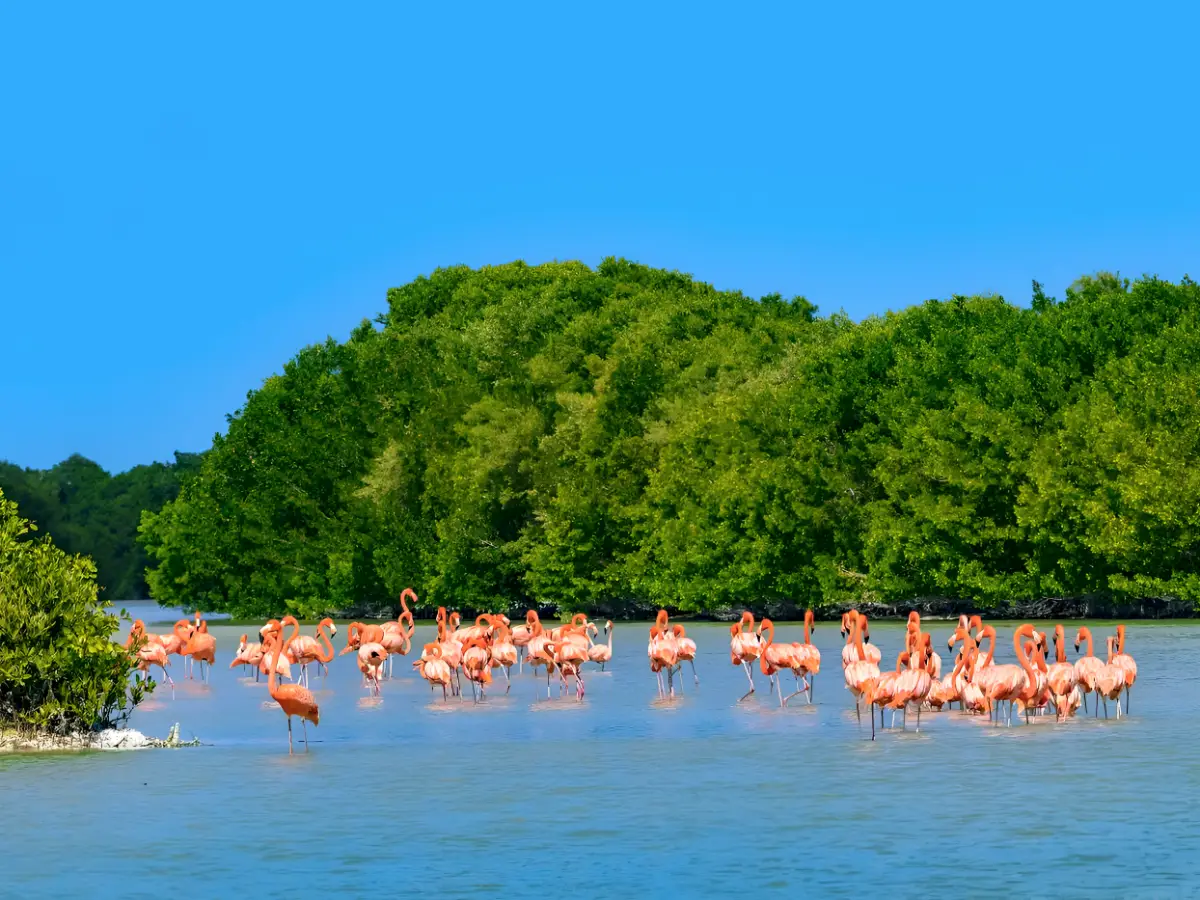
Nature · 9 h
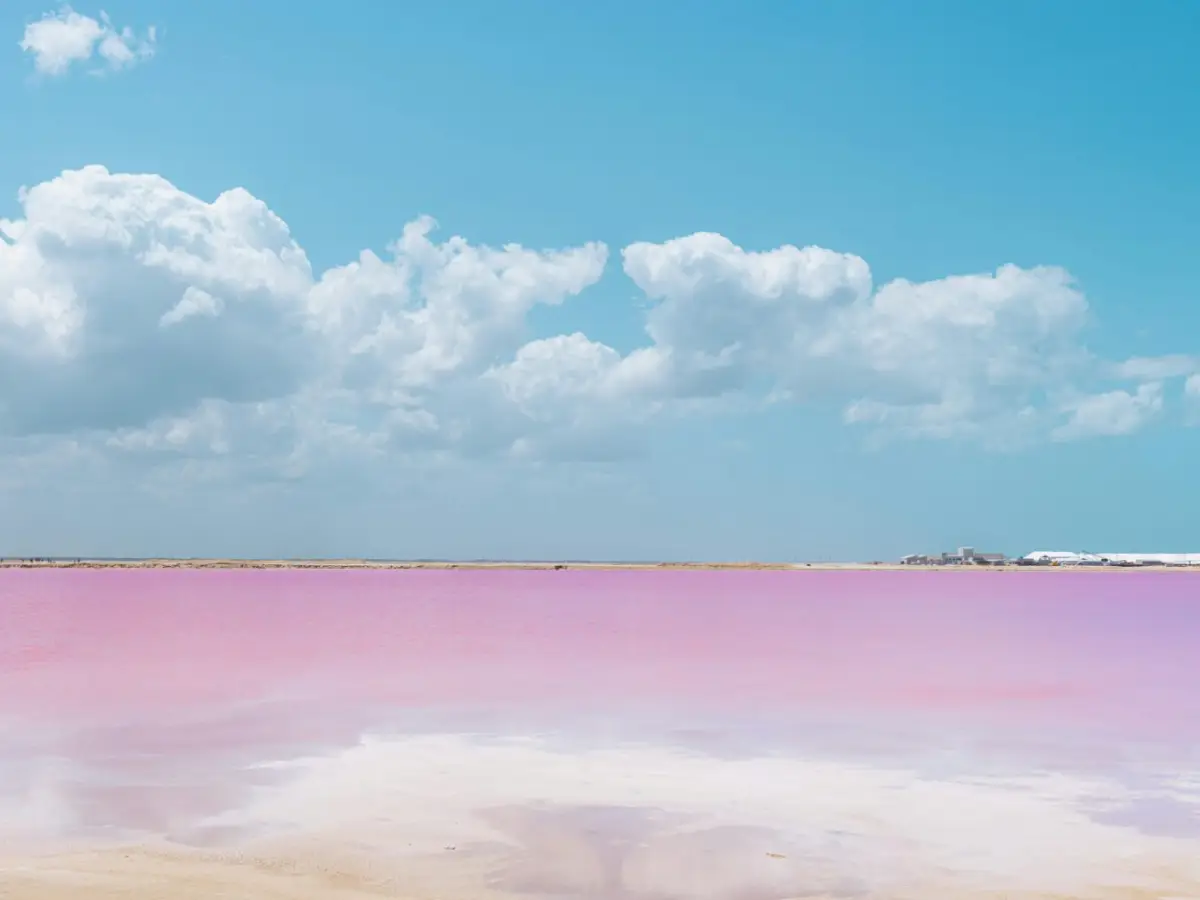
Celestún and the pink flamingos
The largest flamingo colony in North America
from $1,600 MXN per person
See itinerary
8:00 AM – 5:00 PM · daily
- 8:00 AM Departure from the office — An hour and a half west, out to the port.
- 9:30 AM Boat ride — Flamingo and bird watching, the mangrove tunnel, the freshwater spring and the Maya bath on the sandbar.
- 11:00 AM Lunch by the beach — Fish, octopus or shrimp from the gulf, at a table facing the sea.
- 1:00 PM Free time on the beach — Almost three hours to swim, walk the shore or do nothing at all.
- 4:00 PM Back to Mérida — Arriving around five.
Included: Transport, Guide, Boat ride, Lunch from a set menu
Not included: Drinks
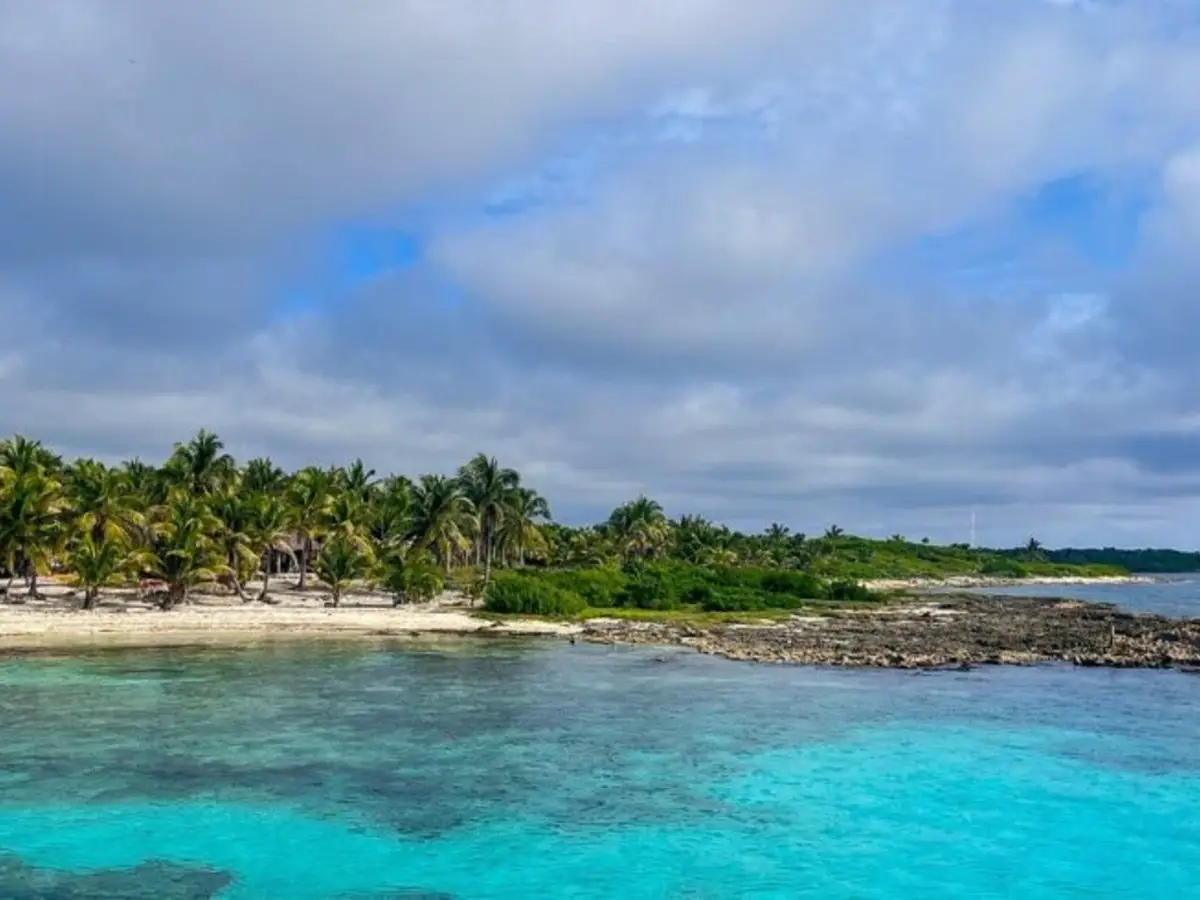 Coupon −$300 MXN per person
Caribbean · 17 h
Bacalar, the lagoon of seven colours
Seventeen hours for water that changes colour every metre
from $2,800 MXN per person
See itinerary
5:00 AM – 10:00 PM · daily
- 4:45 AM Boarding — We leave from the downtown office. If your accommodation is on the way, we collect you there — agreed beforehand on WhatsApp.
- 5:30 AM Drive to José María Morelos — Two hours. Fifteen minutes there for toilets and to stretch your legs.
- 7:30 AM Drive to Bacalar — Two and a half hours more, now crossing into Quintana Roo.
- 10:15 AM Boat trip on the lagoon — Pirates’ Channel, Cenote Negro, Cenote Esmeralda and Bird Island, with an explanation of the stromatolites and the ecosystem.
- 12:15 PM Lunch — Lunch in the town, beside the lagoon.
- 1:30 PM Bacalar magic town — Three and a half hours free: the San Felipe fort, the square, the piers, the cafés and the crafts.
- 5:00 PM Back to Mérida — Five hours back, with a stop halfway. Arriving around ten.
Included: Transport, Guide, Boat trip, Lunch
Not included: Drinks
Frequently asked questions
When was the Casa de Montejo built?
INAH dates its completion to 1549.
What style is its façade?
Plateresque and Mannerist, with carved human and animal figures.
Can you visit it?
Yes, it's a historic house and museum; check current hours.
Is it related to Paseo de Montejo?
They share the Montejo name, but the house is 16th-century and the boulevard late 19th-century.