A city built over cenotes
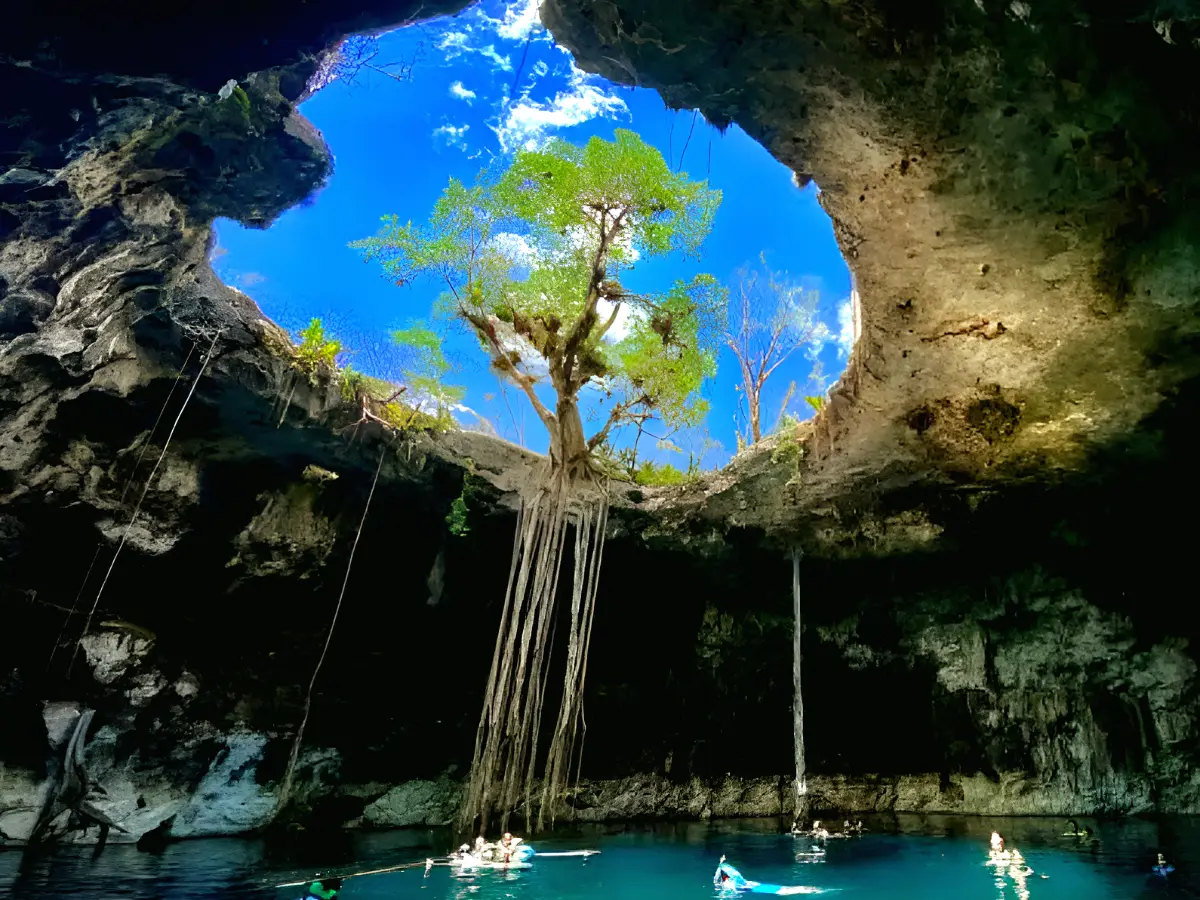
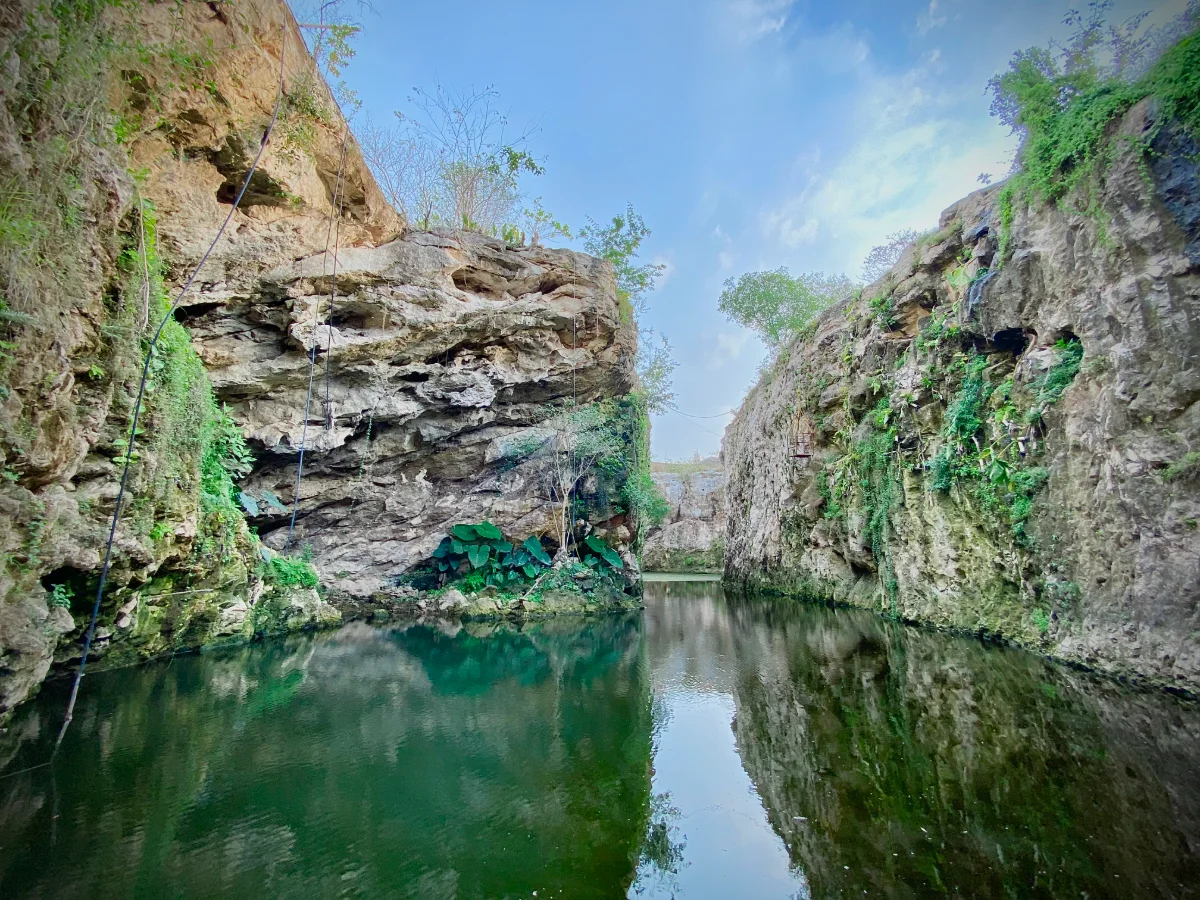
Chichén Itzá rose on a karst plain dotted with cenotes and sinkholes, according to Mexico's National Institute of Anthropology and History (INAH). Groundwater, reachable through cenotes such as the Sacred Cenote, was key to a great city thriving in a land without rivers.
Seven centuries of history
INAH places Chichén Itzá's development roughly between 525 and 1200 CE. Sources describe different phases of occupation rather than a single founding date: the city grew, changed and transformed over centuries.
A trading hub
INAH's Gran Museo de Chichén Itzá presents the city as a trading center linked to the peninsula's coastal routes, Central America and the central highlands of Mexico. Its offerings include objects from across Mesoamerica and even Aridoamerica (today's northern Mexico).
That network explains why the city blends Maya and central Mexican architectural features.
The key buildings
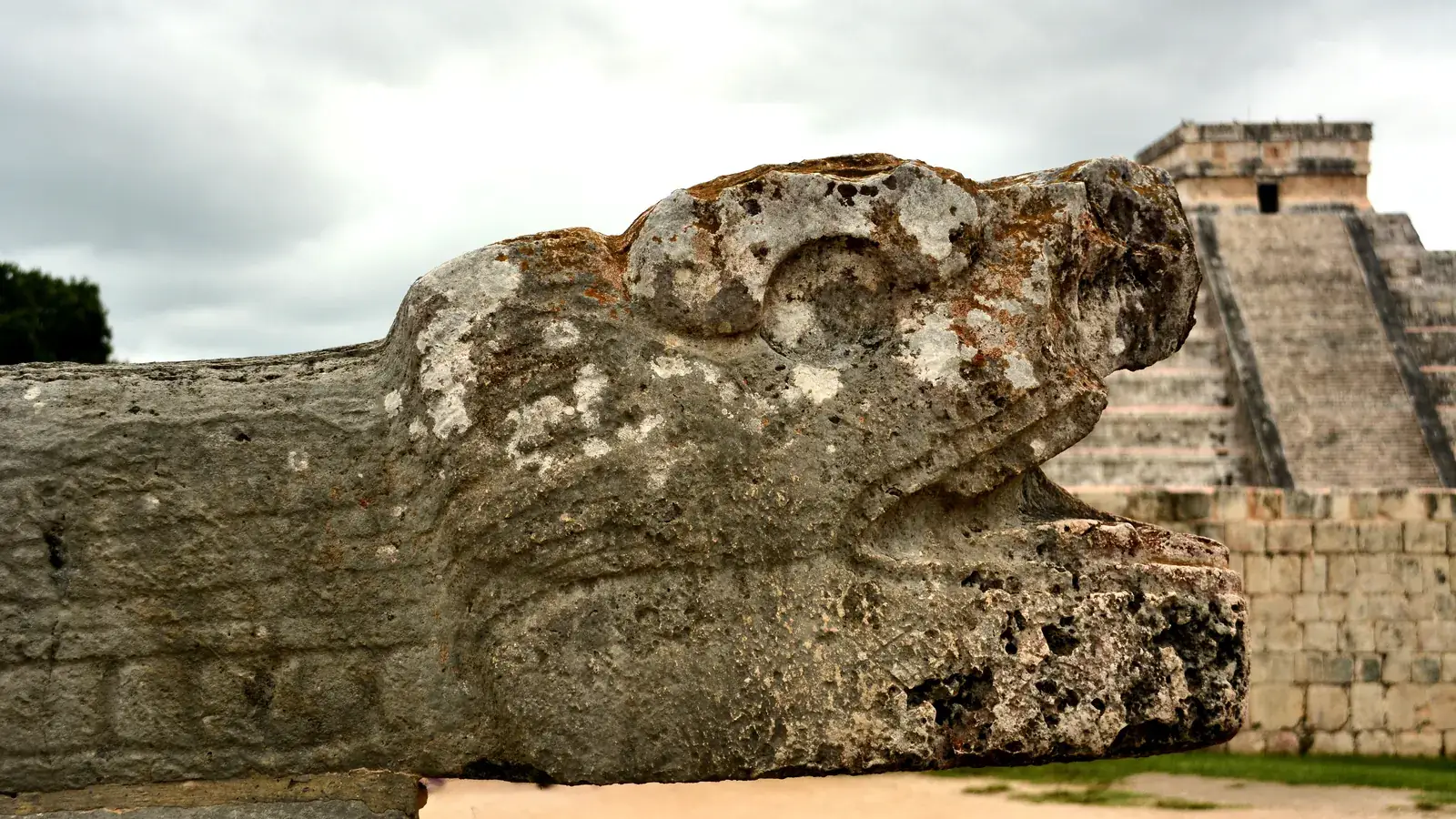
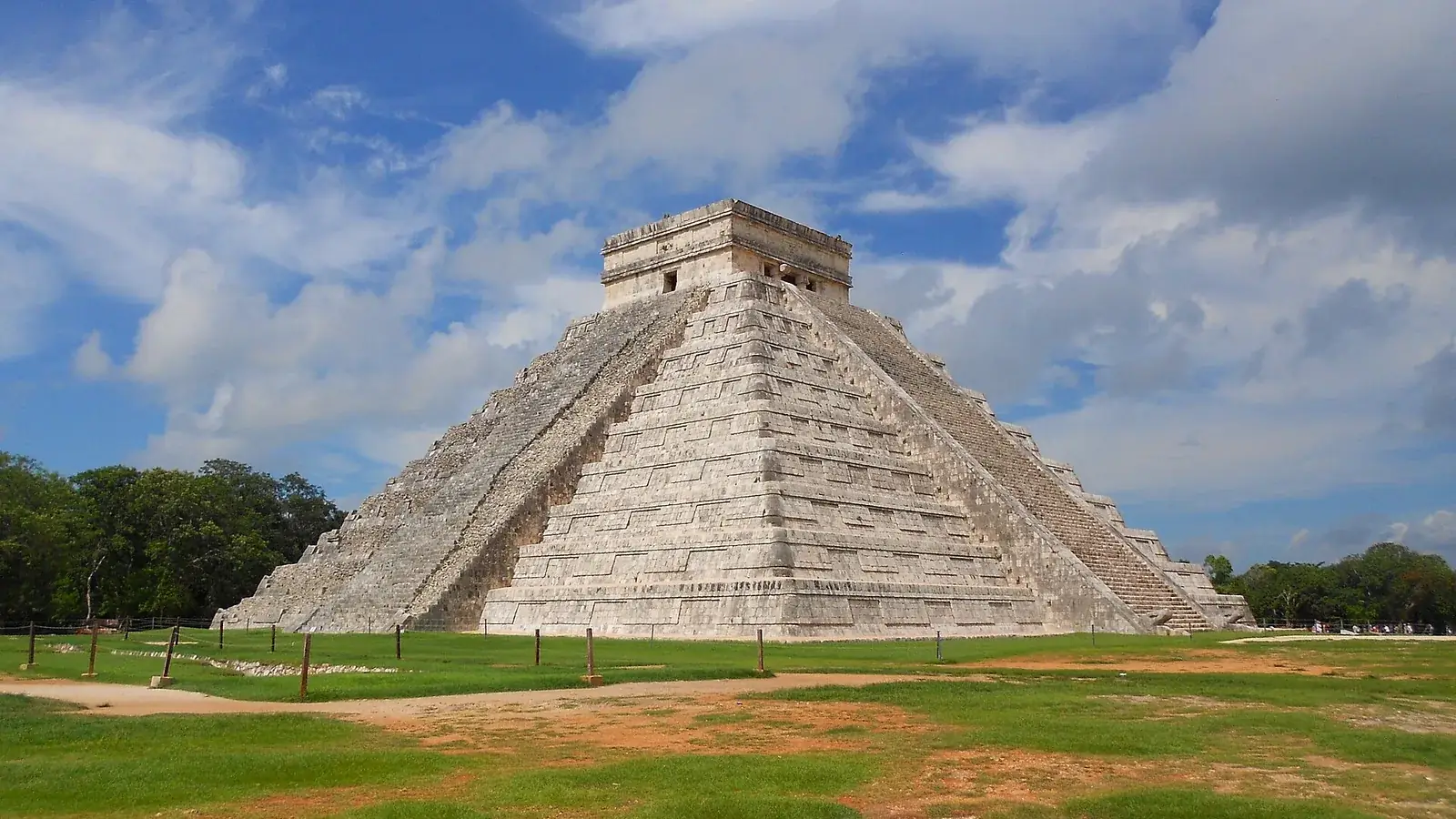
- El Castillo, or Temple of Kukulkán: the nine-tiered pyramid on the main plaza.
- The Great Ball Court: the largest known in the Maya region.
- El Caracol: a round building, probably an observatory.
- The Sacred Cenote: a natural well tied to ritual offerings.
World Heritage
UNESCO inscribed the Pre-Hispanic City of Chichén-Itzá on the World Heritage List in 1988 as one of the most important Maya cities of the Yucatán Peninsula.
Visiting Chichén Itzá from Mérida
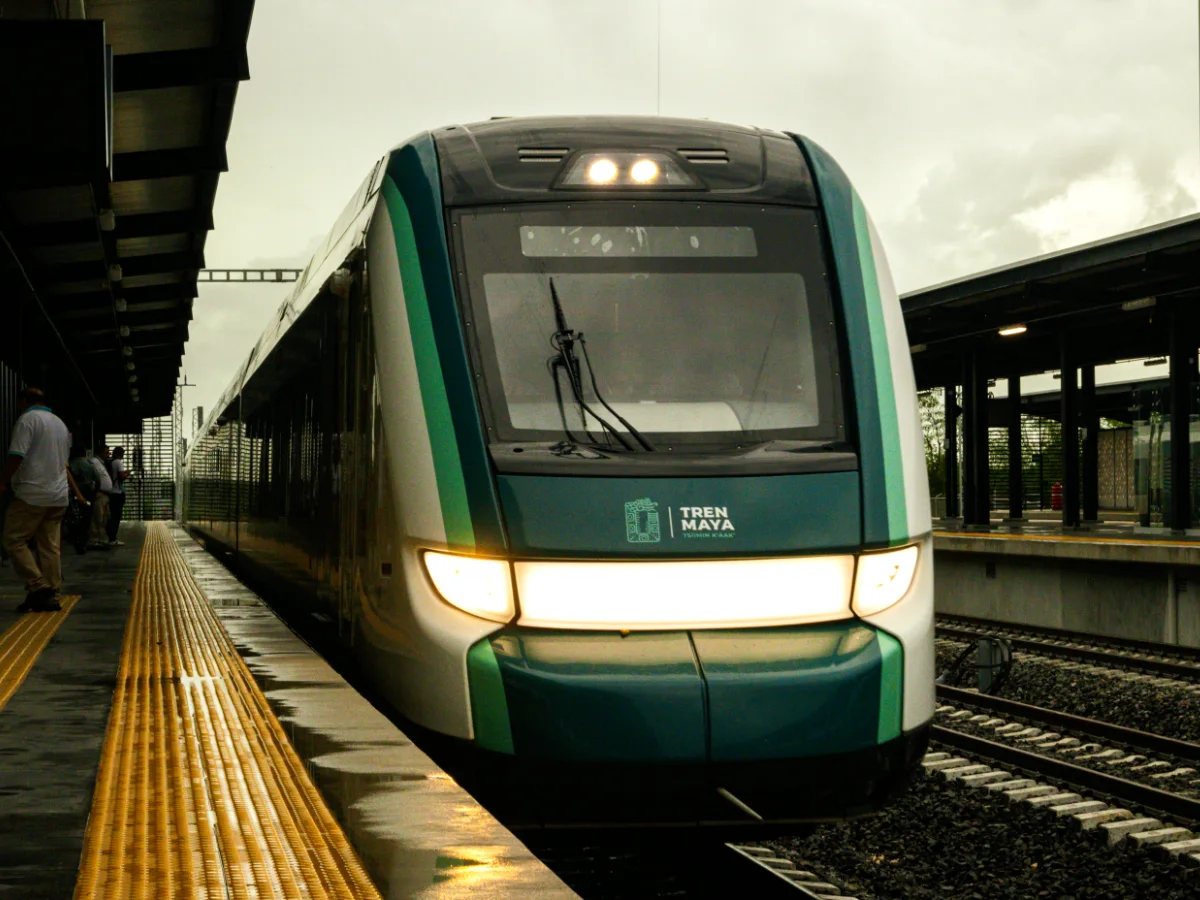
Hearing this history on site, with a guide, transforms the visit. Mary Tours offers two guided options: the Chichén Itzá, Izamal, Selva Maya cenote and Valladolid trip by van, and Maya Train, Chichén Itzá and magical town, which rides the train to Izamal. If you'd rather go on your own, there's a private transfer to Chichén Itzá. The office is at Calle 61 #518-B in Mérida's historic center; schedules and prices are in the booking section.
| Details | |
|---|---|
| Flourished | c. 525–1200 CE |
| Setting | Karst plain with cenotes |
| Role | Ritual and trading center |
| World Heritage | Since 1988 |
| Key buildings | El Castillo, Ball Court, El Caracol, Sacred Cenote |
Fun facts
- Chichén Itzá's offerings include objects from as far as Aridoamerica.
- The city grew on a plain full of cenotes.
- Its architecture blends Maya and central Mexican features.
Related tours
Archaeology · 11 h
Chichén Itzá, Izamal and Valladolid
Four stops in one day, and none of them rushed
from $1,200 MXN per person
See itinerary
8:00 AM – 8:00 PM · daily
- 8:00 AM Departure from the office — An hour on the road to Izamal. The guide uses the drive to set up what comes next.
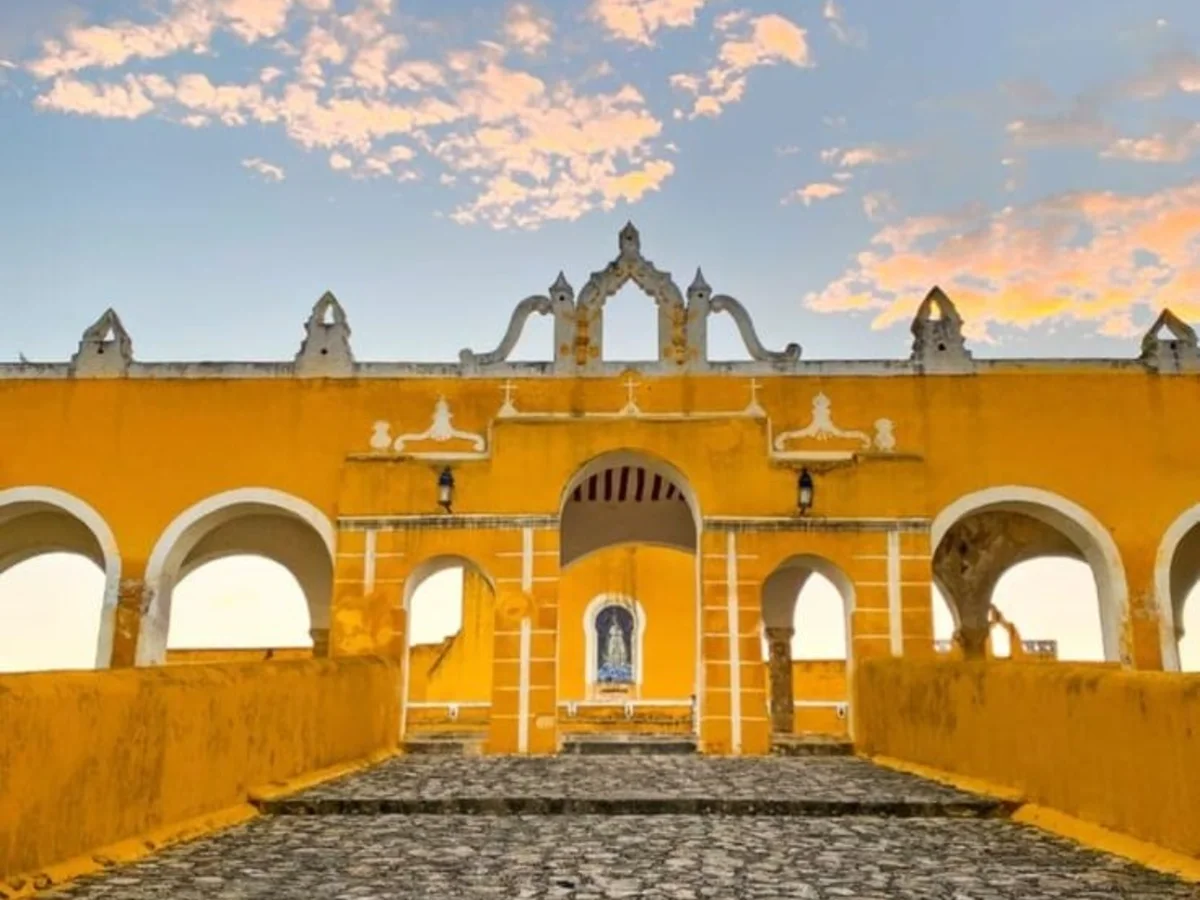
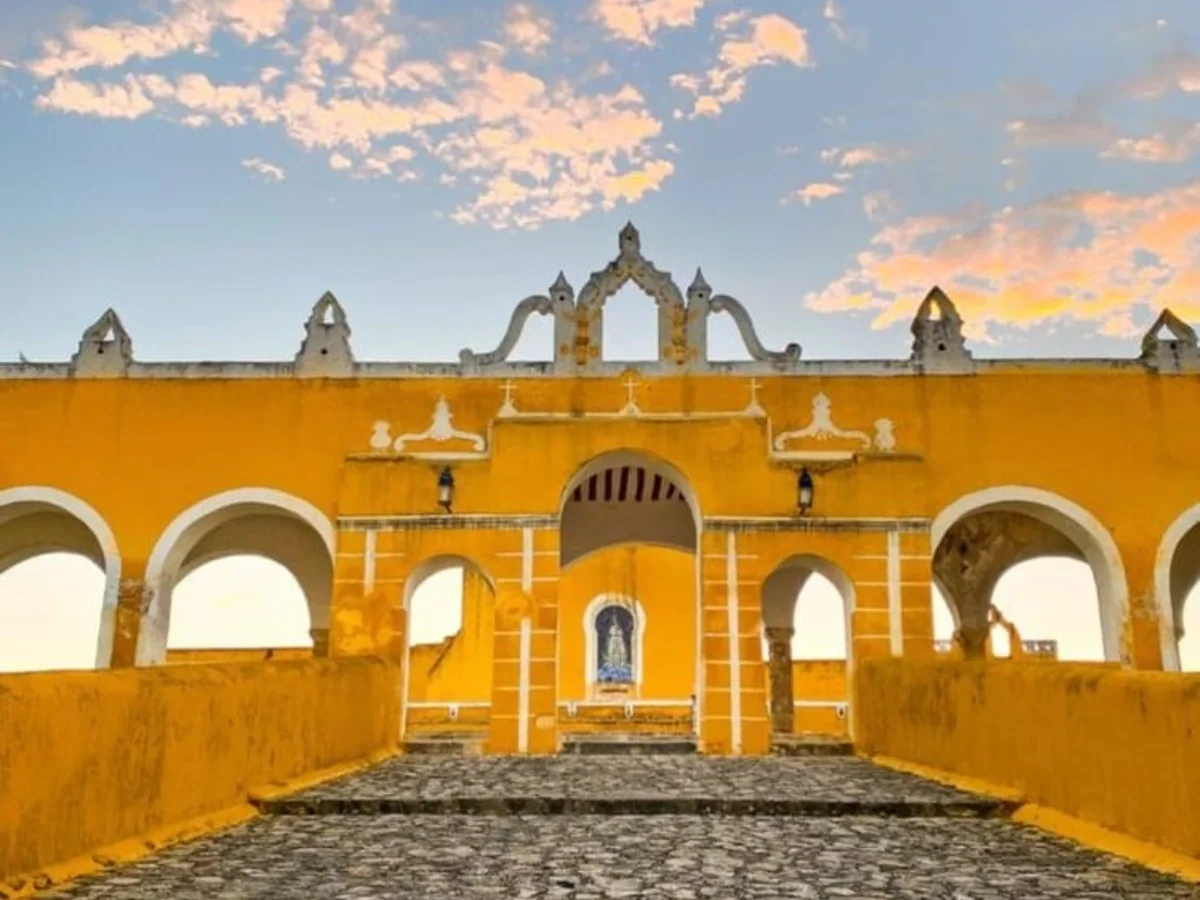
- 9:00 AM San Antonio de Padua Convent — The story of the 16th-century Franciscan convent told in its atrium, then free time to walk the yellow town.
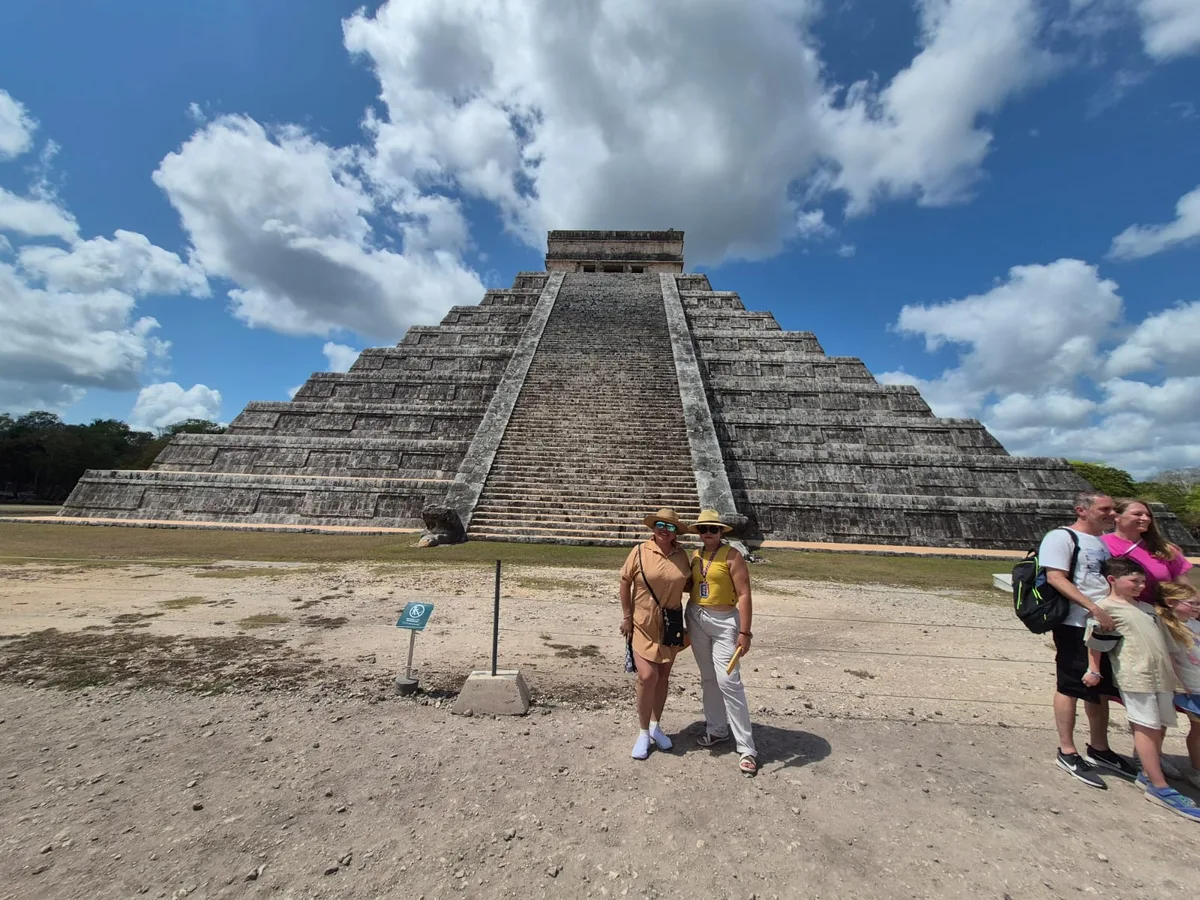
- 11:15 AM Chichén Itzá — Guided walk through the Temple of Kukulkán, the Sacred Cenote, the Ball Court, the Tzompantli and the Jaguars and Eagles platform.
- 1:45 PM Regional lunch in Kaua — Buffet of Yucatecan dishes: cochinita, relleno negro, lime soup and meat-free options.
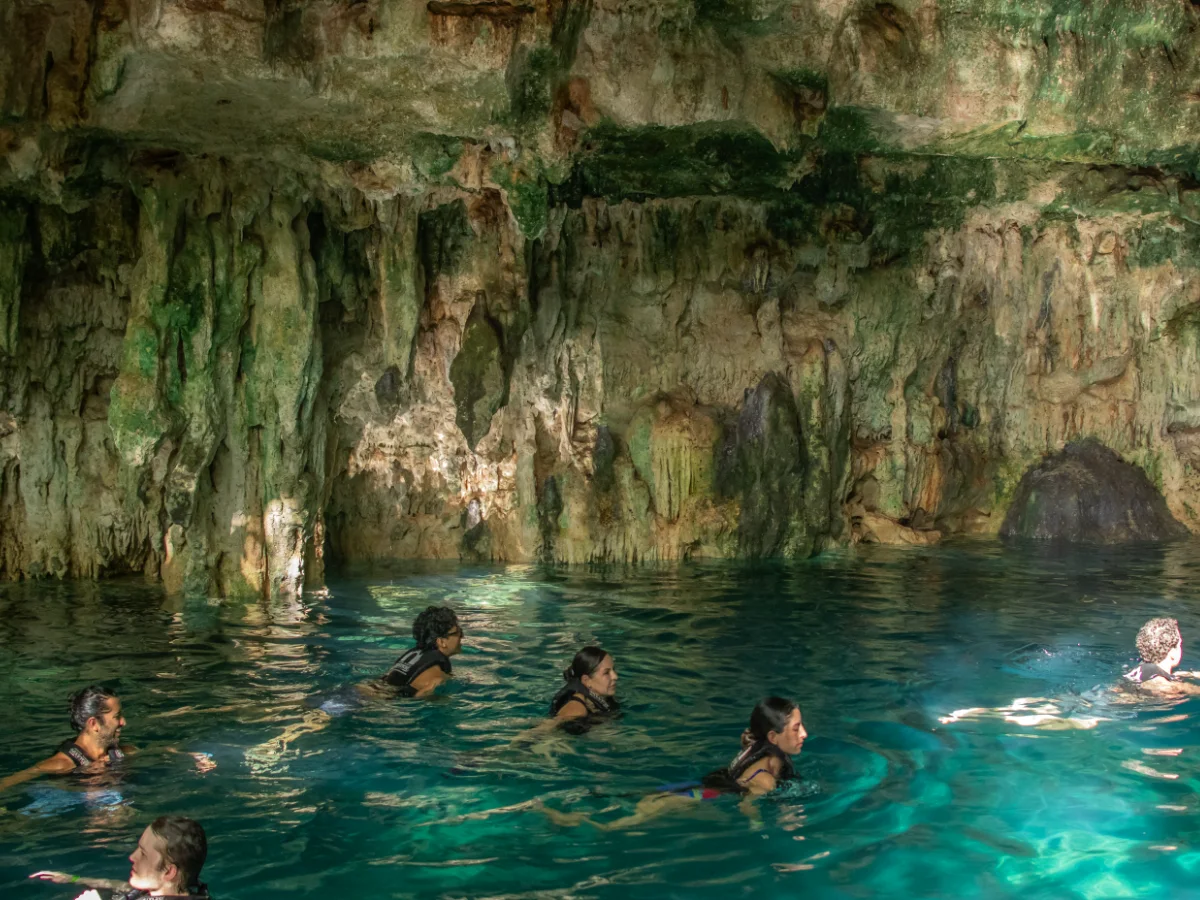
- 3:00 PM Selva Maya cenote — The swim lands exactly when the sun is at its worst. Changing rooms and showers on site.
- 4:20 PM Valladolid — Francisco Cantón Rosado park with its original railings, the church of San Servacio and the murals in the town hall.
- 8:00 PM Back in Mérida — We drop you off where the day started.
Included: Air-conditioned transport, General culture guide, Regional buffet lunch
Not included: Chichén Itzá entrance, Cenote entrance, Drinks
Archaeology · 11 h
Maya Train, Chichén Itzá and Izamal
The Mérida–Izamal leg by train, the rest by road
from $1,600 MXN per person
See itinerary
8:00 AM – 7:00 PM · daily
- 8:00 AM Transfer to the station — From the office to the Maya Train station in Mérida.
- 9:18 AM Maya Train ride — Forty minutes from Mérida to Izamal. Ticket included.
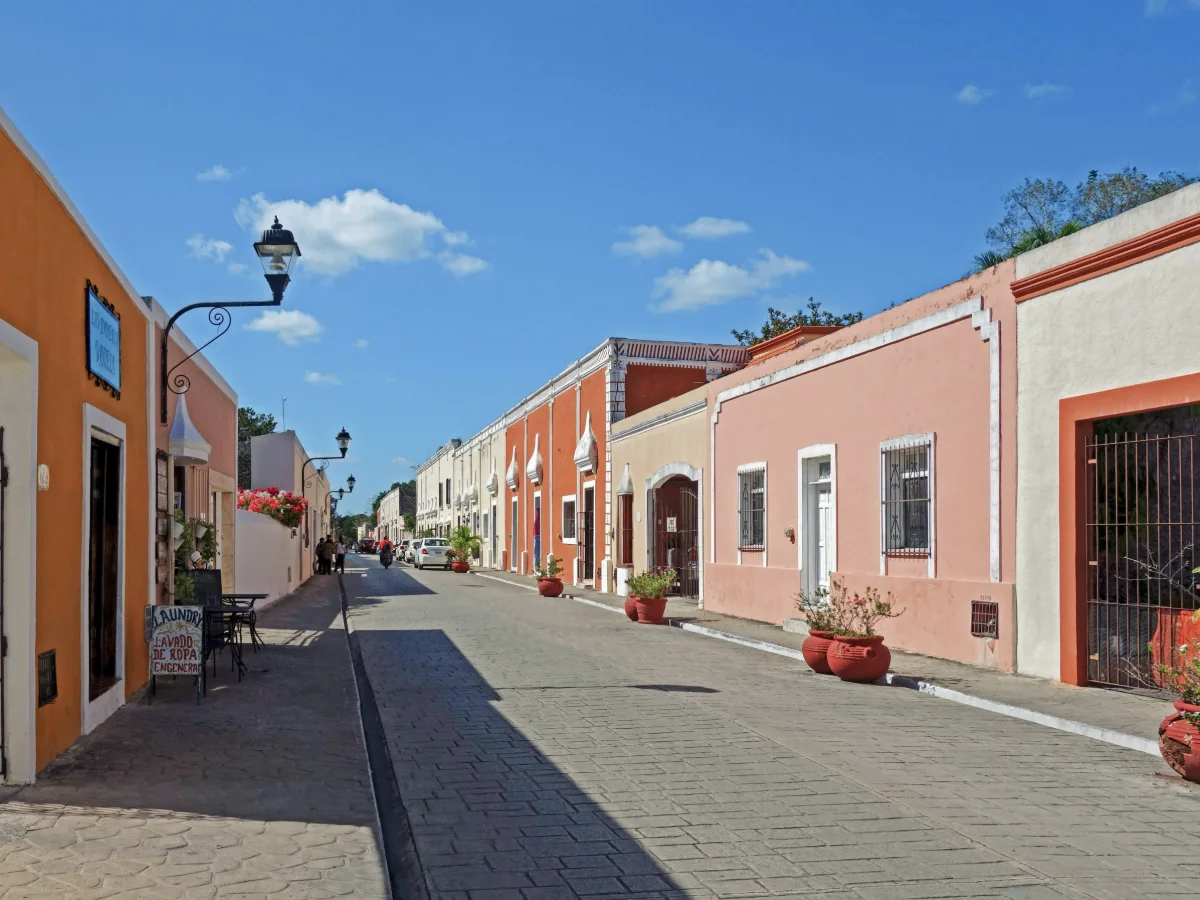
- 10:15 AM Izamal — The yellow town, the three-tier Baroque altarpiece and free time on the main square.
- 12:30 PM Chichén Itzá — Guided walk through the Sacred Cenote, the Temple of Kukulkán, the Jaguars and Eagles platform and the Ball Court.
- 2:30 PM Lunch in Kaua — Buffet of typical regional dishes.
- 3:45 PM Selva Maya cenote — The swim of the day, with the heat already easing off.
- 5:00 PM Back to Mérida — Two hours on the road back.
Included: Transport, General culture guide, Maya Train ticket Mérida–Izamal, Midday meal
Not included: Chichén Itzá entrance, Cenote entrance, Drinks
Transfers · 10.5 h
Transfer to Chichén Itzá
Four stops, your own pace and the van waiting
from $2,650 MXN per vehicle
 Coupon −$300 MXN per person
Caribbean · 14 h
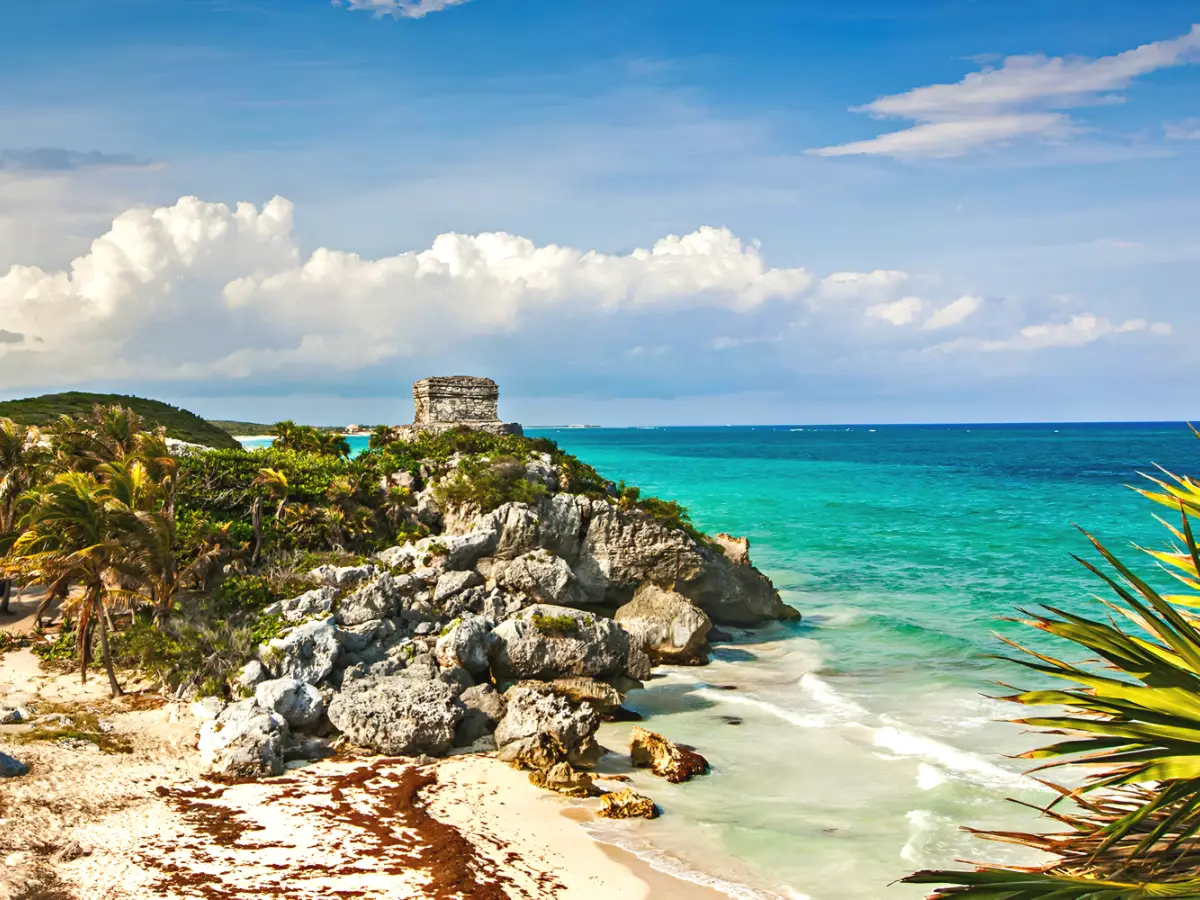
Tulum and the Casa Tortuga cenotes
The only Maya city built facing the Caribbean
from $2,500 MXN per person
See itinerary
6:00 AM – 8:00 PM · daily
- 6:00 AM Boarding — We leave from the downtown office. If your accommodation is on the way, we collect you there — agreed beforehand on WhatsApp.
- 6:30 AM Motorway to the rest stop — An hour and three quarters, with fifteen minutes for toilets and something light.
- 8:30 AM On to Tulum — An hour and a half more to the Quintana Roo coast.
- 10:00 AM Tulum archaeological site — Guided visit to the walled city: El Castillo, the Temple of the Frescoes and the Temple of the Descending God, with the sea behind.
- 12:15 PM Casa Tortuga cenotes and lunch — Four cenotes of different kinds, with a guided route, trails and changing rooms. Lunch is on site.
- 4:00 PM Back to Mérida — Four hours back, with a stop halfway.
Included: Guide accredited by the Ministry of Tourism, Round-trip transport, Lunch, Cenote entry
Not included: Tulum archaeological site entrance, Drinks
Frequently asked questions
When was Chichén Itzá built?
It developed roughly between 525 and 1200 CE, in several phases.
Who built Chichén Itzá?
The Maya, with influences from other parts of Mesoamerica through trade.
Since when has it been World Heritage?
Since 1988.
How do I get there from Mérida?
On a guided tour by van or Maya Train, or with a Mary Tours private transfer.