Xokbil-chuy: cross-stitch
The Yucatán government calls cross-stitch embroidery xokbil-chuy. The technique involves counting threads of the weave (three or four) before stitching each cross. Repeating crosses in rows builds the motifs. It's the classic embroidery on hipil necklines and hems.
Xmanikté: openwork
Xmanikté is described as drawn-thread or openwork: some threads are pulled from the fabric's weave to create square designs. It can be combined with inlays and randas.
Where they're used
- Hipiles and ternos, mostly with cross-stitch.
- Mantillas, veils and mats, with openwork.
- Church textiles, also with openwork.
Knowledge passed down
According to the Yucatán government, these techniques are handed down in workshops and artisan families. So each piece is less a product than the result of skills learned over years.
Buying tips
- Check the back: good cross-stitch is even on the reverse too.
- Ask whether it's hand- or machine-embroidered.
- Don't attribute invented meanings to the motifs.
Embroidery in the towns
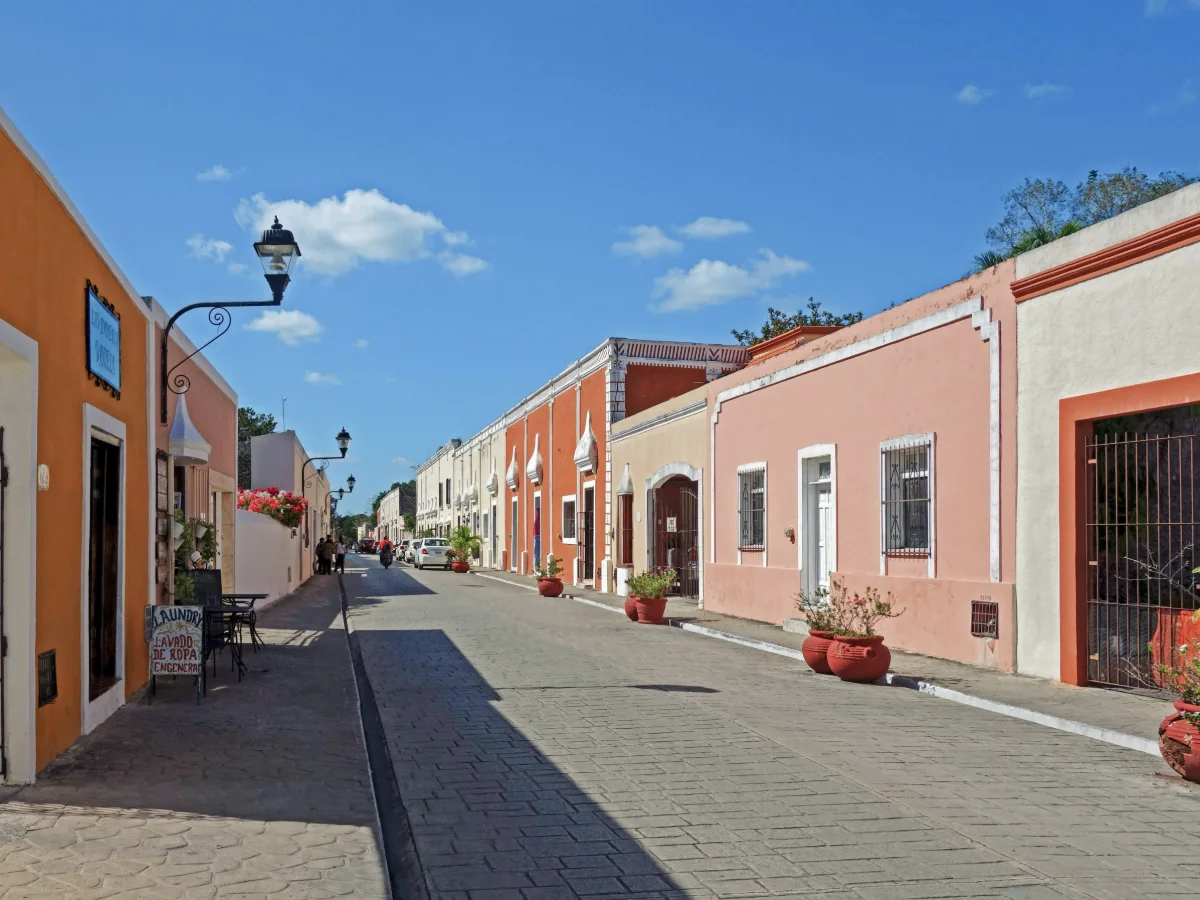
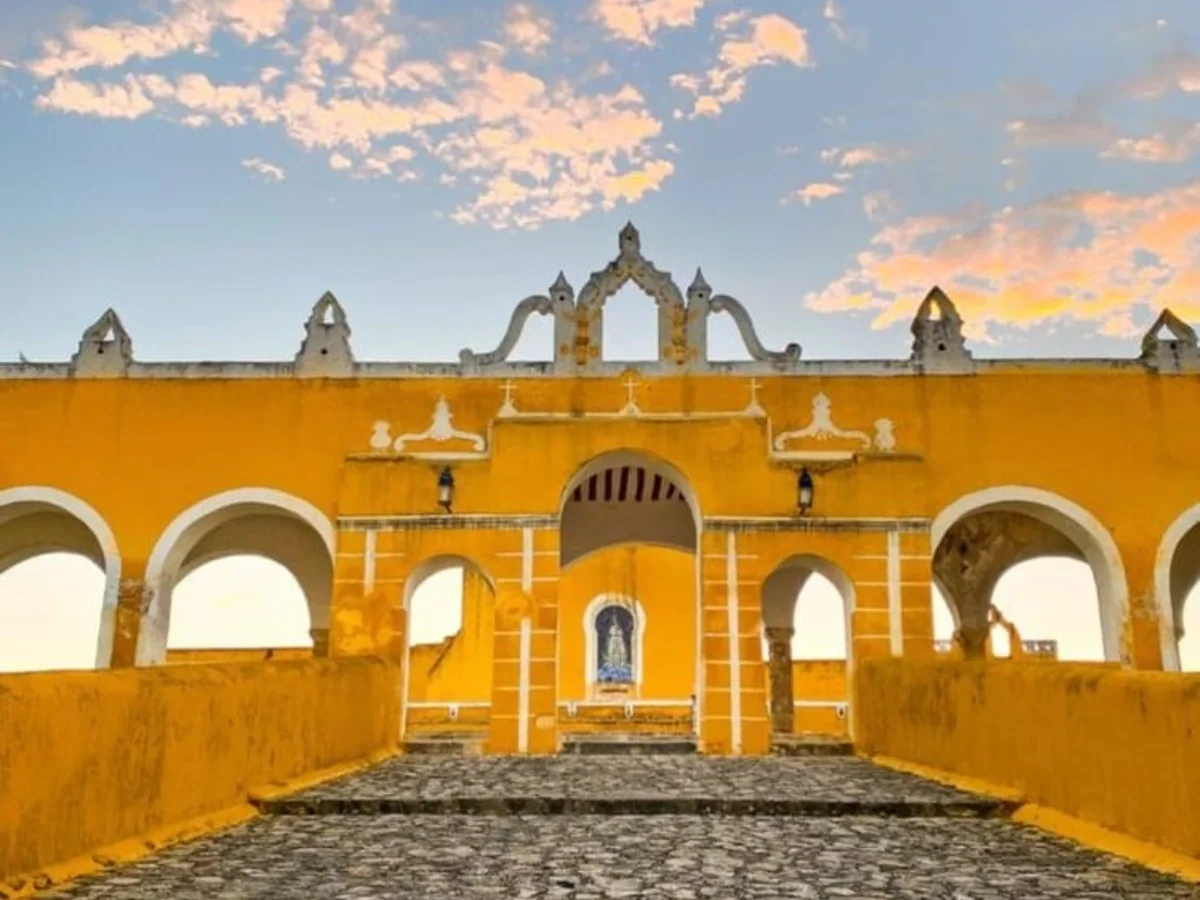
Izamal and Valladolid, visited on Mary Tours trips, have shops and artisans where you can see these techniques. Trips leave from the office on Calle 61 in downtown Mérida.
| Xokbil-chuy | Xmanikté | |
|---|---|---|
| What it is | Cross-stitch | Drawn-thread openwork |
| How it's done | Counting 3–4 threads per cross | Pulling threads from the fabric |
| Design | Colored crosses in rows | Square figures |
| Typical use | Hipiles and ternos | Mantillas, veils, mats |
Fun facts
- Yucatecan cross-stitch counts three or four threads per cross.
- Openwork removes threads from the fabric itself.
- Some church textiles are made with openwork.
Related tours
Archaeology · 11 h
Chichén Itzá, Izamal and Valladolid
Four stops in one day, and none of them rushed
from $1,200 MXN per person
See itinerary
8:00 AM – 8:00 PM · daily
- 8:00 AM Departure from the office — An hour on the road to Izamal. The guide uses the drive to set up what comes next.
- 9:00 AM San Antonio de Padua Convent — The story of the 16th-century Franciscan convent told in its atrium, then free time to walk the yellow town.
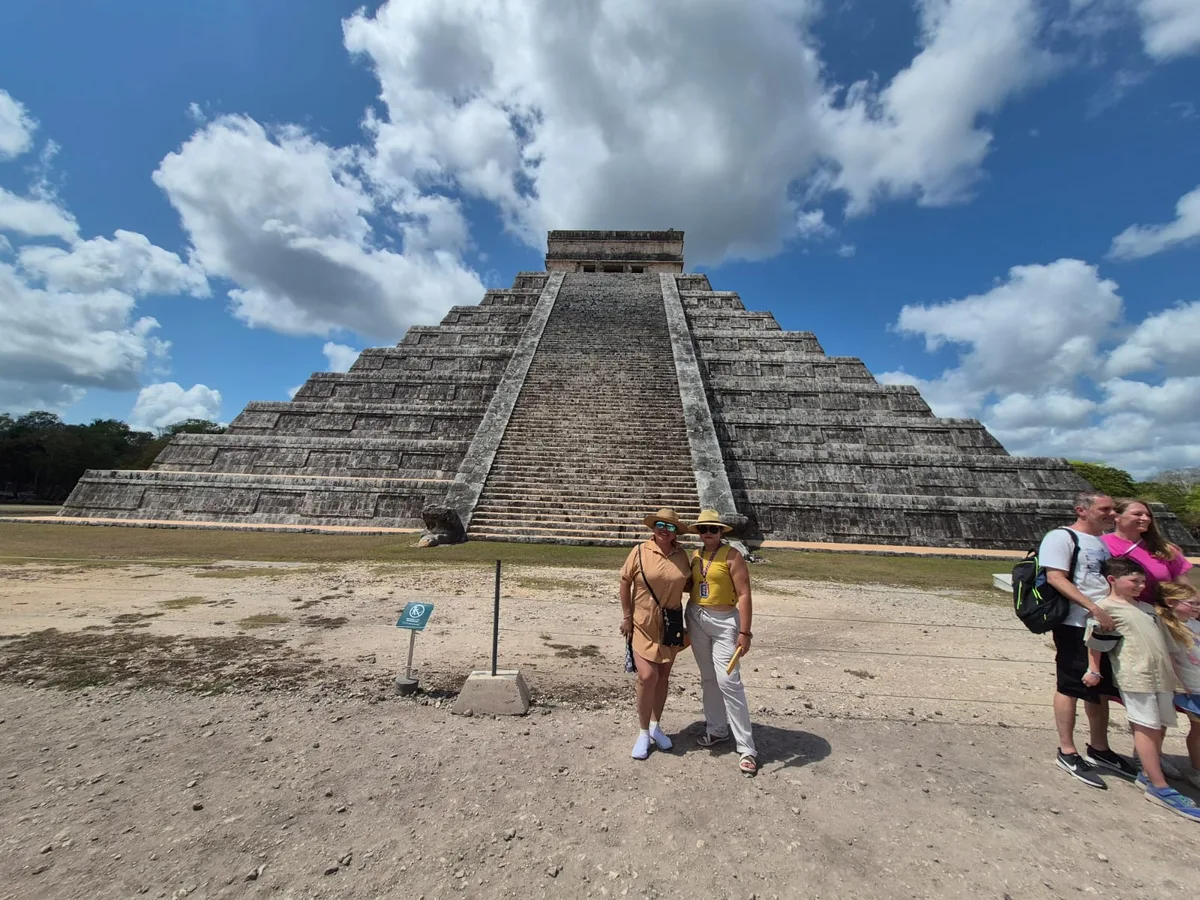
- 11:15 AM Chichén Itzá — Guided walk through the Temple of Kukulkán, the Sacred Cenote, the Ball Court, the Tzompantli and the Jaguars and Eagles platform.
- 1:45 PM Regional lunch in Kaua — Buffet of Yucatecan dishes: cochinita, relleno negro, lime soup and meat-free options.
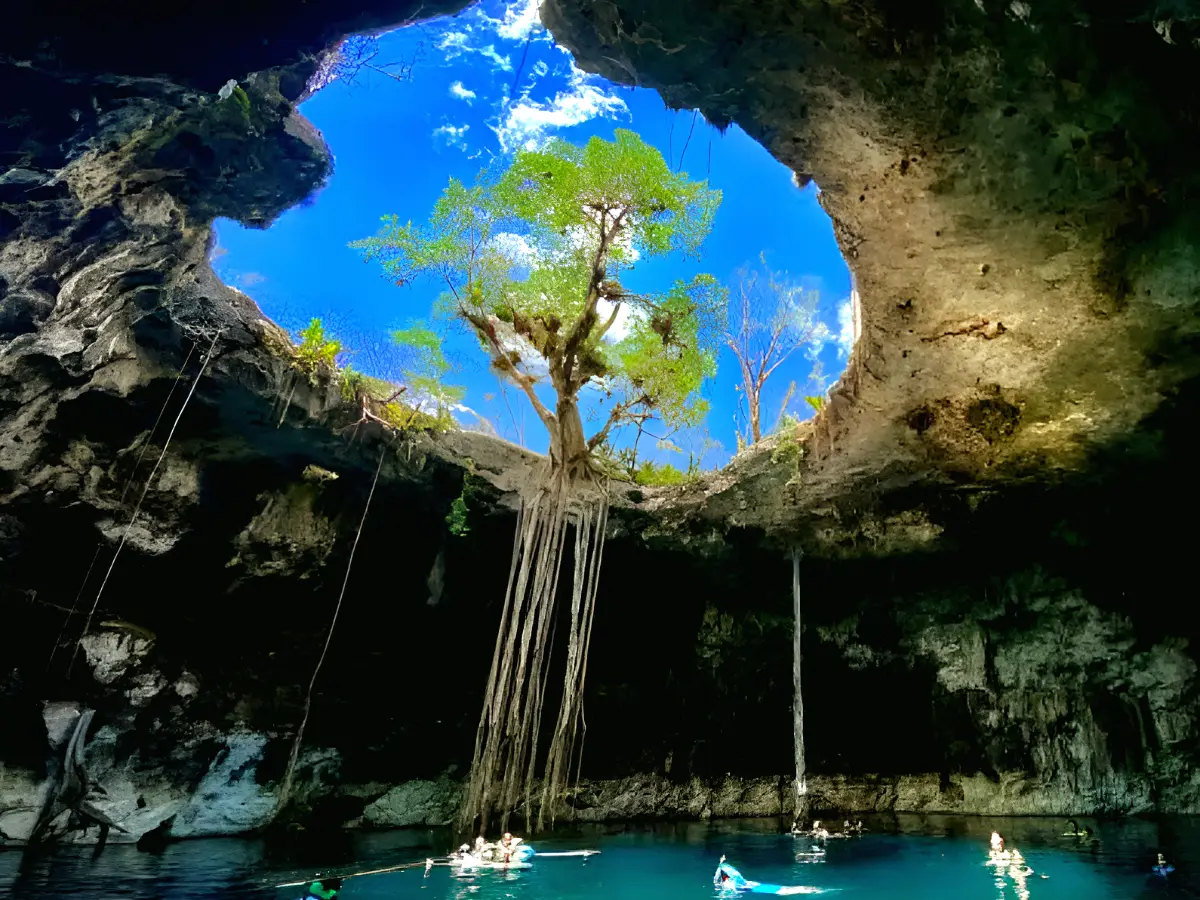
- 3:00 PM Selva Maya cenote — The swim lands exactly when the sun is at its worst. Changing rooms and showers on site.
- 4:20 PM Valladolid — Francisco Cantón Rosado park with its original railings, the church of San Servacio and the murals in the town hall.
- 8:00 PM Back in Mérida — We drop you off where the day started.
Included: Air-conditioned transport, General culture guide, Regional buffet lunch
Not included: Chichén Itzá entrance, Cenote entrance, Drinks
Towns · 9 h
Izamal and two cenotes
Izamal’s yellow first, then two cold cenotes
from $1,300 MXN per person
See itinerary
8:00 AM – 5:00 PM · daily
- 8:00 AM Departure from the office — An hour on the road. The guide uses it to explain where Izamal comes from before you arrive.
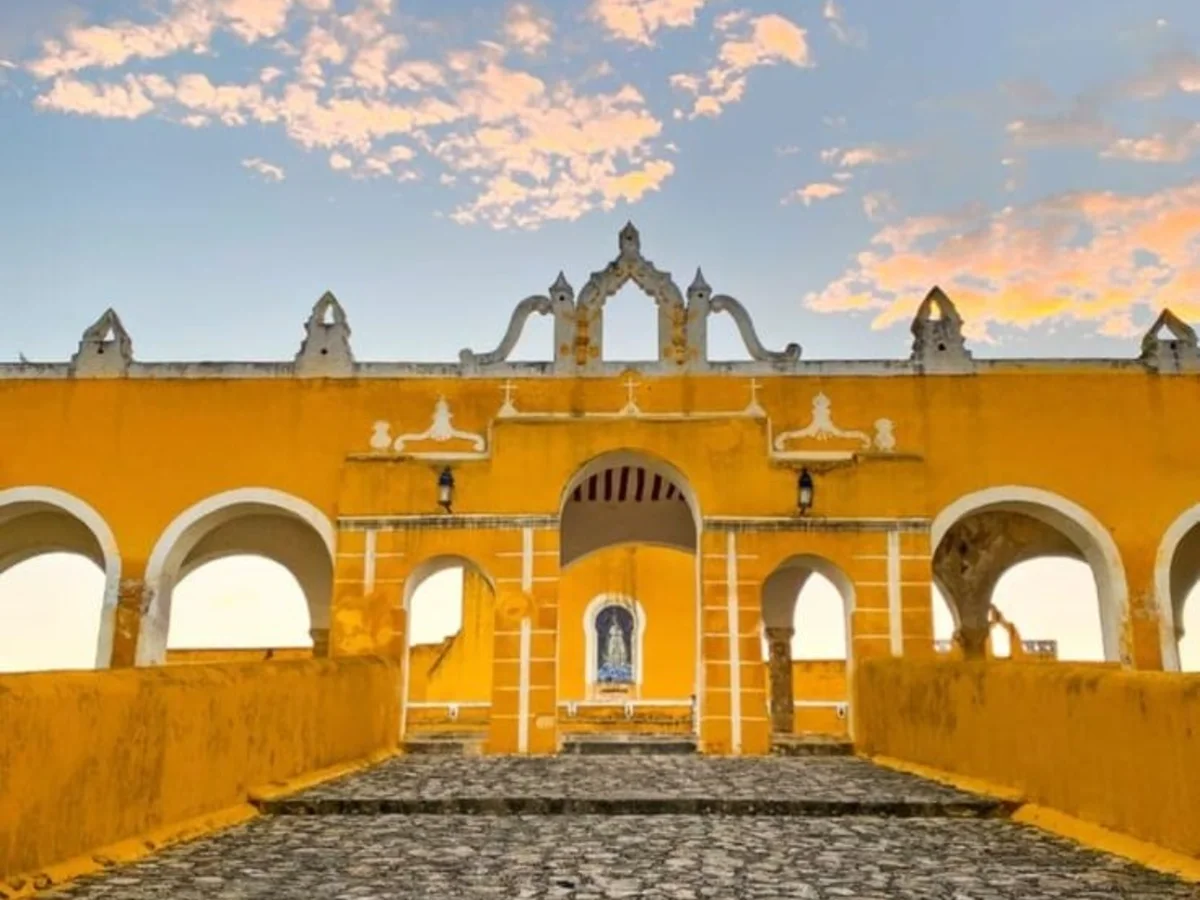
- 9:00 AM The yellow town — The convent and its atrium, among the largest on the continent, the baroque altarpiece, and then free time around the streets.
- 10:20 AM On to the Homún ring — Forty more minutes to the cenote area.
- 11:00 AM Yaxbacaltún cenote — The first swim, landing right after the morning’s walking.
- 12:15 PM San Antonio cenote and lunch — A semi-closed cenote that feels nothing like the first one, and lunch served right there.
- 3:15 PM Back to Mérida — Back to Mérida, arriving around five.
Included: Transport, Guide, Entry to both cenotes, Lunch
Not included: Drinks
Cenotes · 7 h
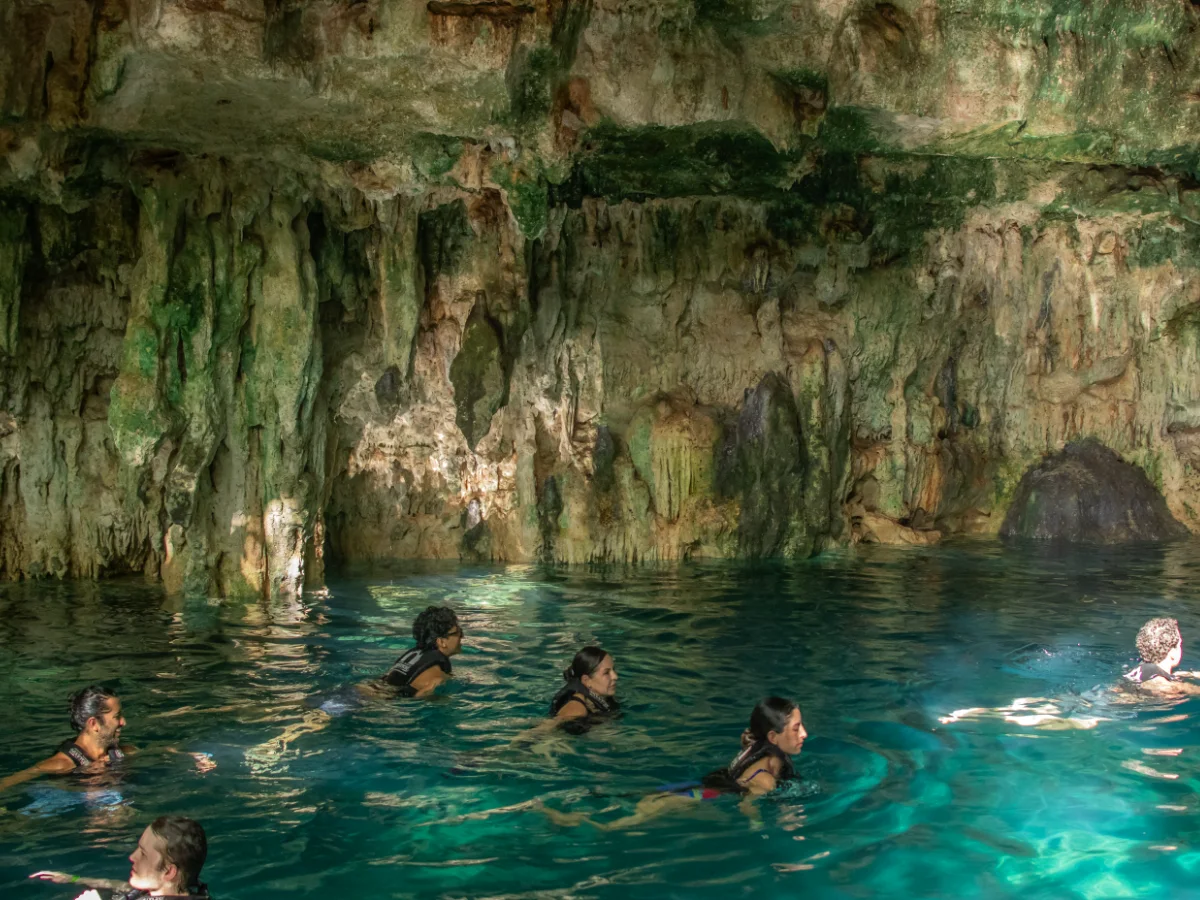
Hacienda Mucuyché
A stone channel joining two cenotes
from $1,800 MXN per person
See itinerary
9:30 AM – 4:00 PM · daily
- 9:30 AM Departure from the office — An hour on the road to the estate, in the municipality of Abalá.
- 10:30 AM Check-in and historical tour — A guide from the estate itself explains how the henequen business worked and what survives of it.
- 11:00 AM Carlota and Azul Maya cenotes — Two hours in the water. To move between the cenotes you cross the channel, swimming or along the stone path.
- 1:00 PM Time for lunch — Yucatecan food at the estate restaurant, paid per order. There is a pool for anyone who wants to stay in the water.
- 3:00 PM Back to Mérida — An hour back.
Included: Transport, Guide, Entry to the hacienda and cenotes
Not included: Food, Drinks
Archaeology · 11 h
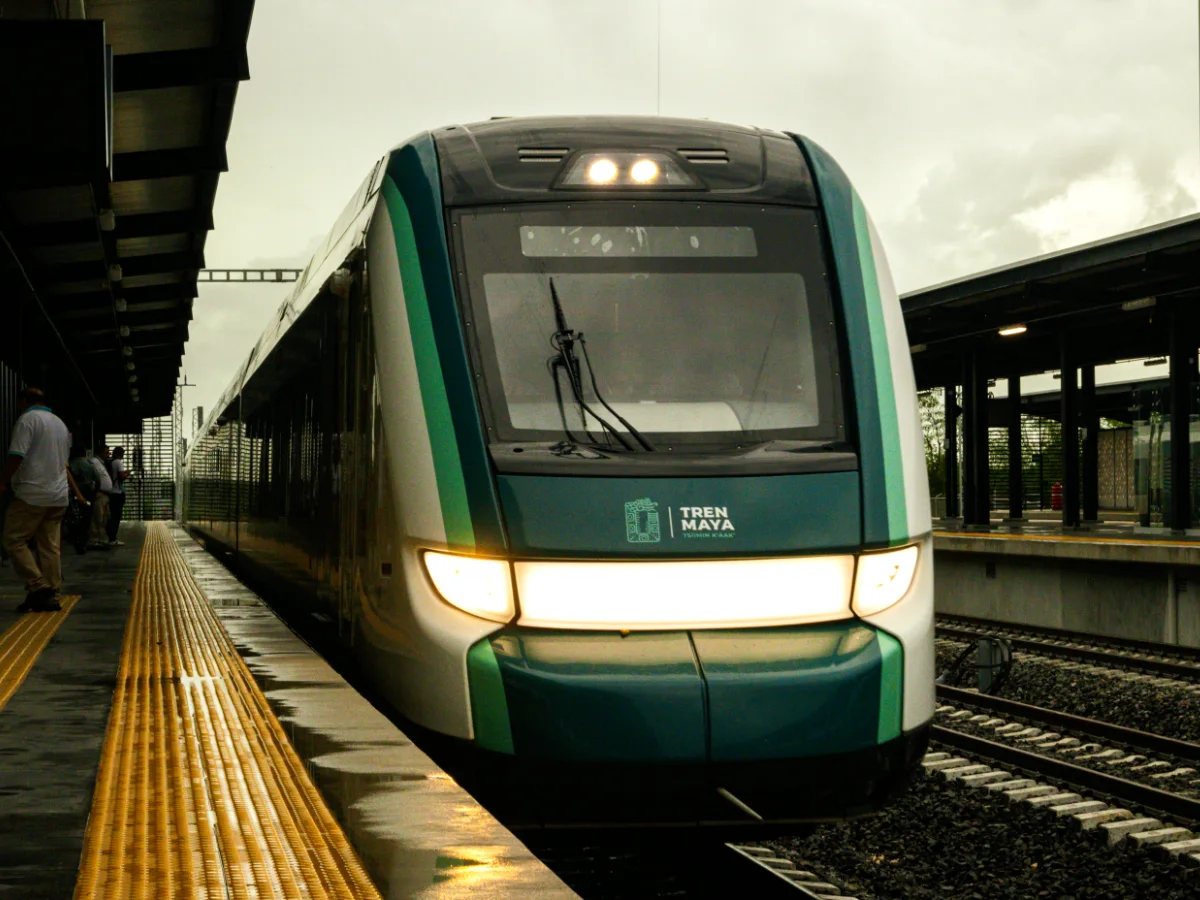
Maya Train, Chichén Itzá and Izamal
The Mérida–Izamal leg by train, the rest by road
from $1,600 MXN per person
See itinerary
8:00 AM – 7:00 PM · daily
- 8:00 AM Transfer to the station — From the office to the Maya Train station in Mérida.
- 9:18 AM Maya Train ride — Forty minutes from Mérida to Izamal. Ticket included.
- 10:15 AM Izamal — The yellow town, the three-tier Baroque altarpiece and free time on the main square.
- 12:30 PM Chichén Itzá — Guided walk through the Sacred Cenote, the Temple of Kukulkán, the Jaguars and Eagles platform and the Ball Court.
- 2:30 PM Lunch in Kaua — Buffet of typical regional dishes.
- 3:45 PM Selva Maya cenote — The swim of the day, with the heat already easing off.
- 5:00 PM Back to Mérida — Two hours on the road back.
Included: Transport, General culture guide, Maya Train ticket Mérida–Izamal, Midday meal
Not included: Chichén Itzá entrance, Cenote entrance, Drinks
Frequently asked questions
What is xokbil-chuy?
Yucatecan cross-stitch, made by counting threads of the weave.
What is xmanikté?
Openwork that pulls threads from the fabric to form designs.
Where are they used?
On hipiles, ternos, mantillas, veils, mats and church textiles.
How are they learned?
In families and artisan workshops.