What they are, according to tradition
In the management program for the Puuc State Biocultural Reserve, published in Yucatán's official gazette in 2022, community workshops named the aluxes among their myths and legends. The document records these stories as beliefs held in communities.
Many versions
Stories about aluxes vary between communities and storytellers and are passed down orally in families. There's no single pan-Maya version: the honest approach is to credit each story to its teller. That's why we don't pin down specific traits or powers here.
Aluxes in today's art
The tradition keeps inspiring new work. At the FILEY 2025 book fair, a stage production of the X'tabay legend by students of the State Fine Arts Center included aluxes as elements of the Maya worldview.
Approaching respectfully
- Listen to the stories as part of a living culture, without mockery.
- Distinguish oral tradition from historical evidence.
- If someone shares their version, ask where it comes from.
Stories in the towns
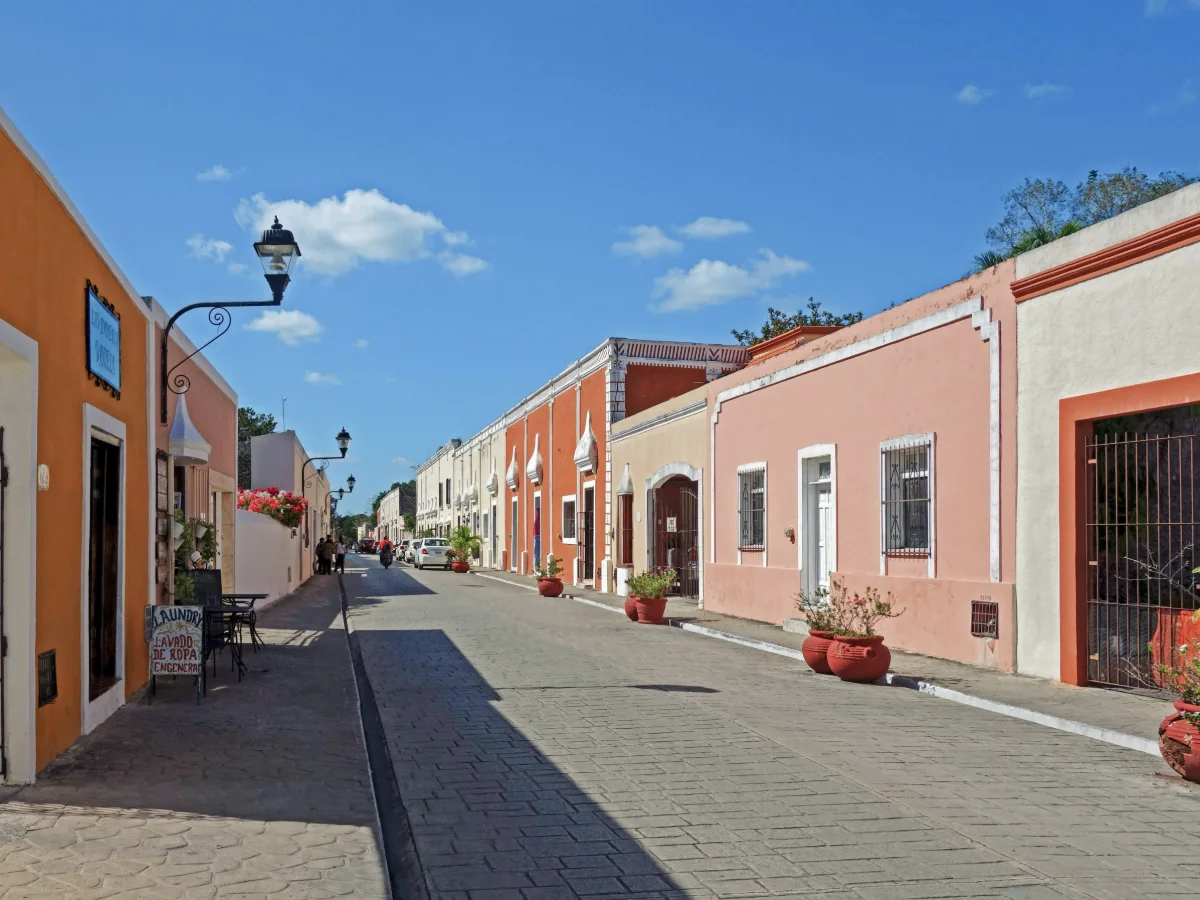
Legends are told mostly in the towns. Mary Tours trips visit inland communities such as Izamal, Kaua and Valladolid. They leave from Calle 61 in downtown Mérida.
Fun facts
- Aluxes appear in stories recorded in the Puuc region.
- The legend inspired a stage work at FILEY 2025.
- There's no single version of the aluxes.
Related tours
Archaeology · 11 h
Chichén Itzá, Izamal and Valladolid
Four stops in one day, and none of them rushed
from $1,200 MXN per person
See itinerary
8:00 AM – 8:00 PM · daily
- 8:00 AM Departure from the office — An hour on the road to Izamal. The guide uses the drive to set up what comes next.
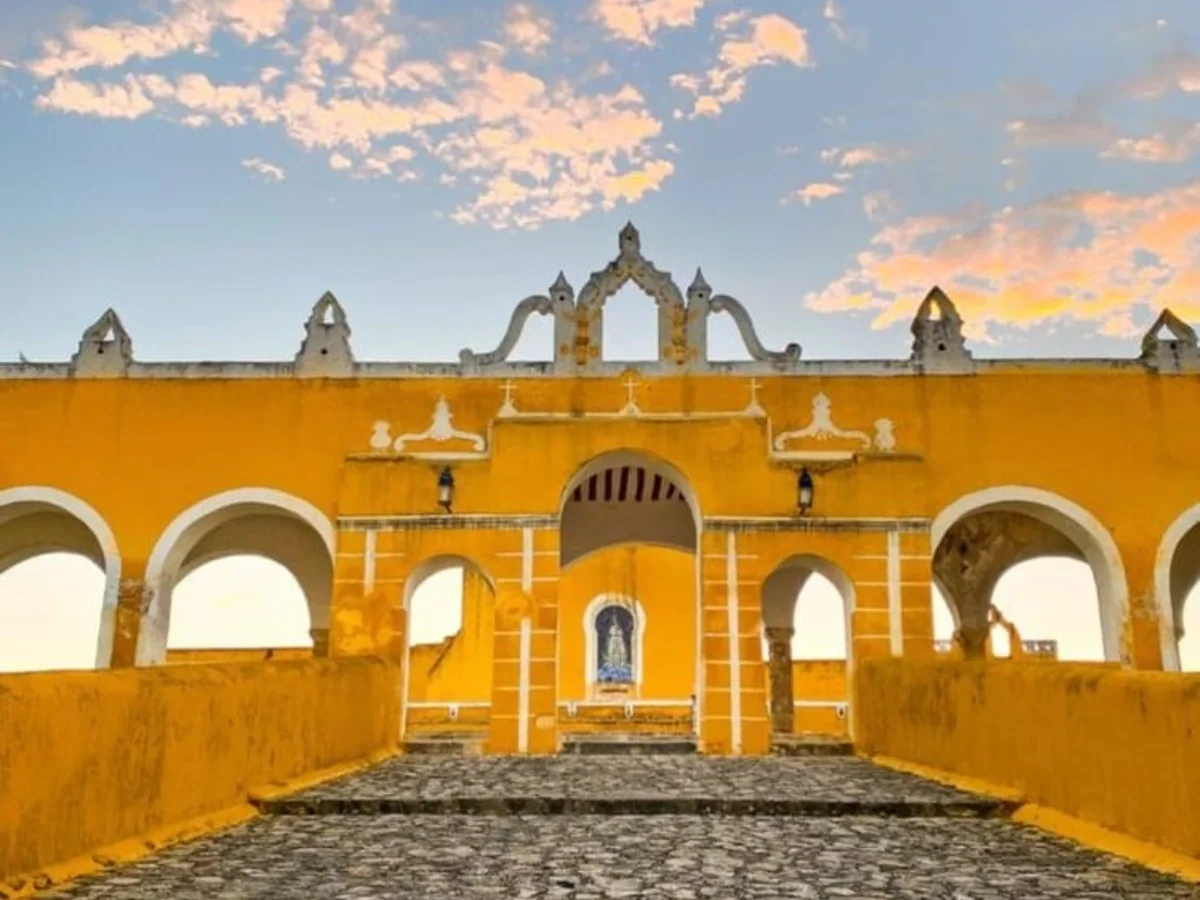
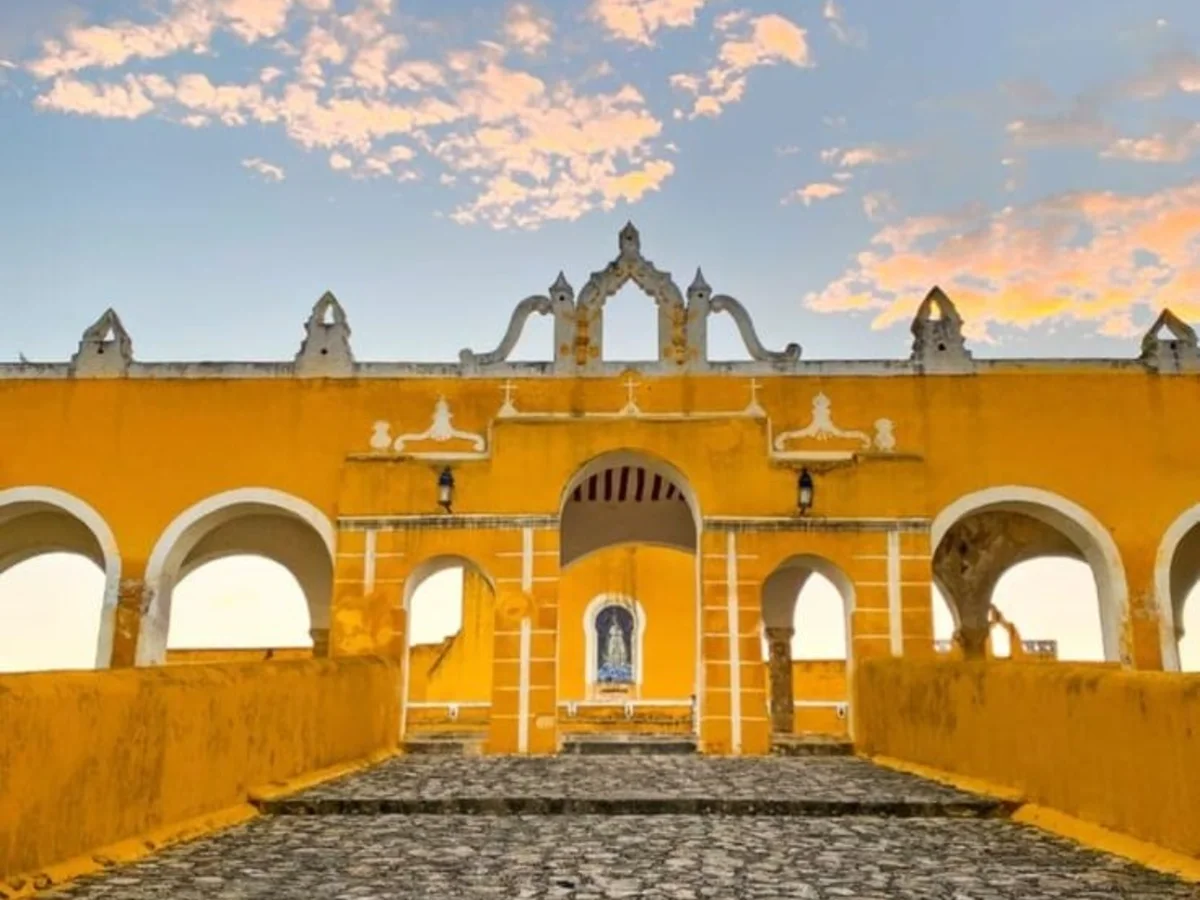
- 9:00 AM San Antonio de Padua Convent — The story of the 16th-century Franciscan convent told in its atrium, then free time to walk the yellow town.
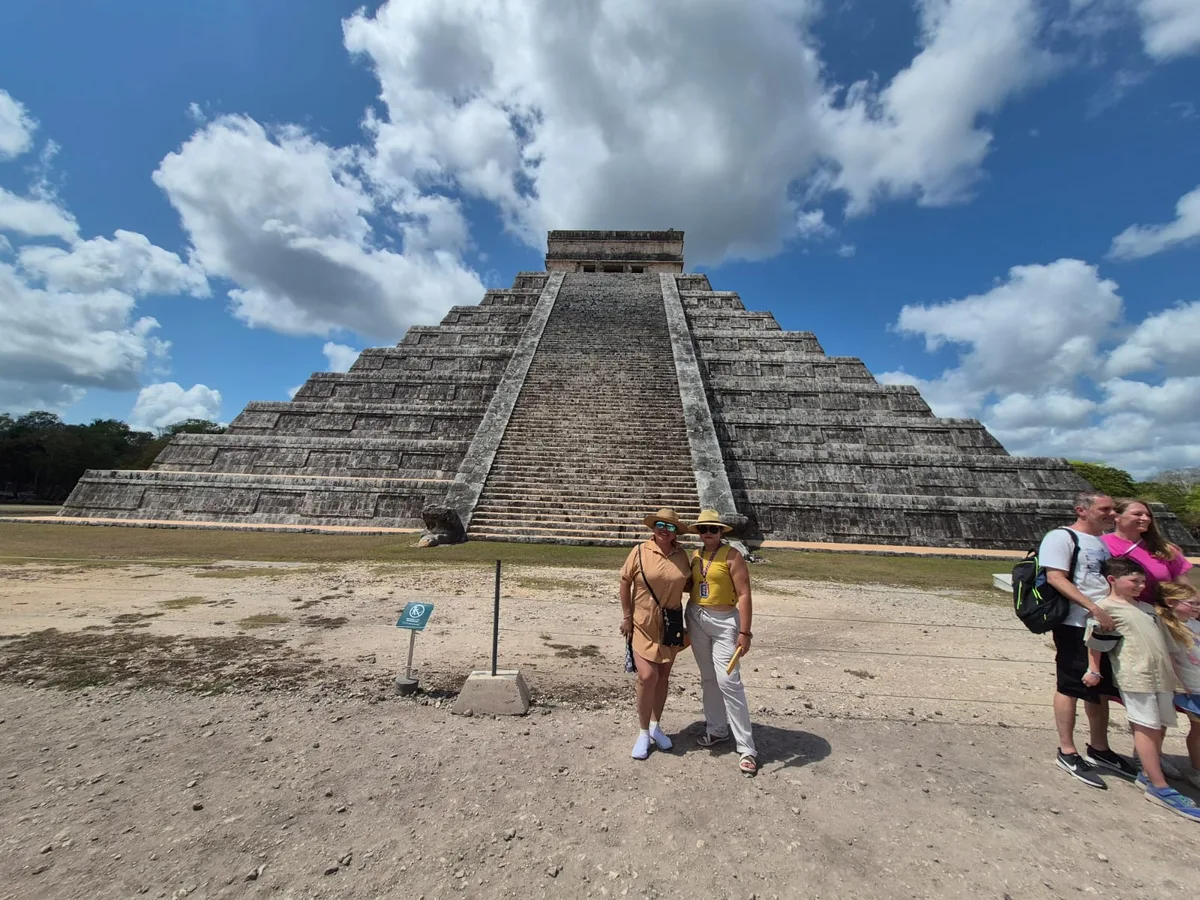
- 11:15 AM Chichén Itzá — Guided walk through the Temple of Kukulkán, the Sacred Cenote, the Ball Court, the Tzompantli and the Jaguars and Eagles platform.
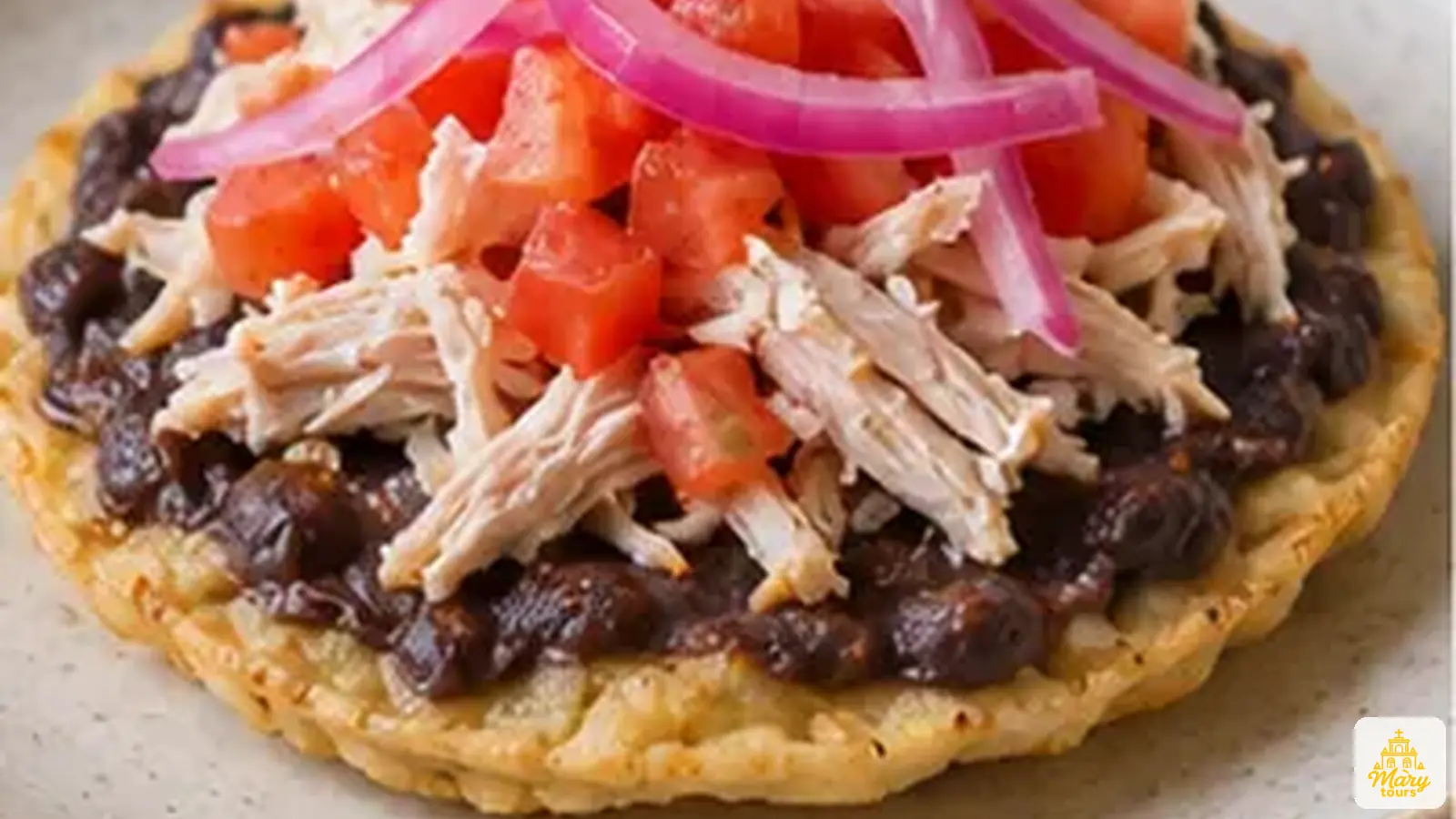
- 1:45 PM Regional lunch in Kaua — Buffet of Yucatecan dishes: cochinita, relleno negro, lime soup and meat-free options.
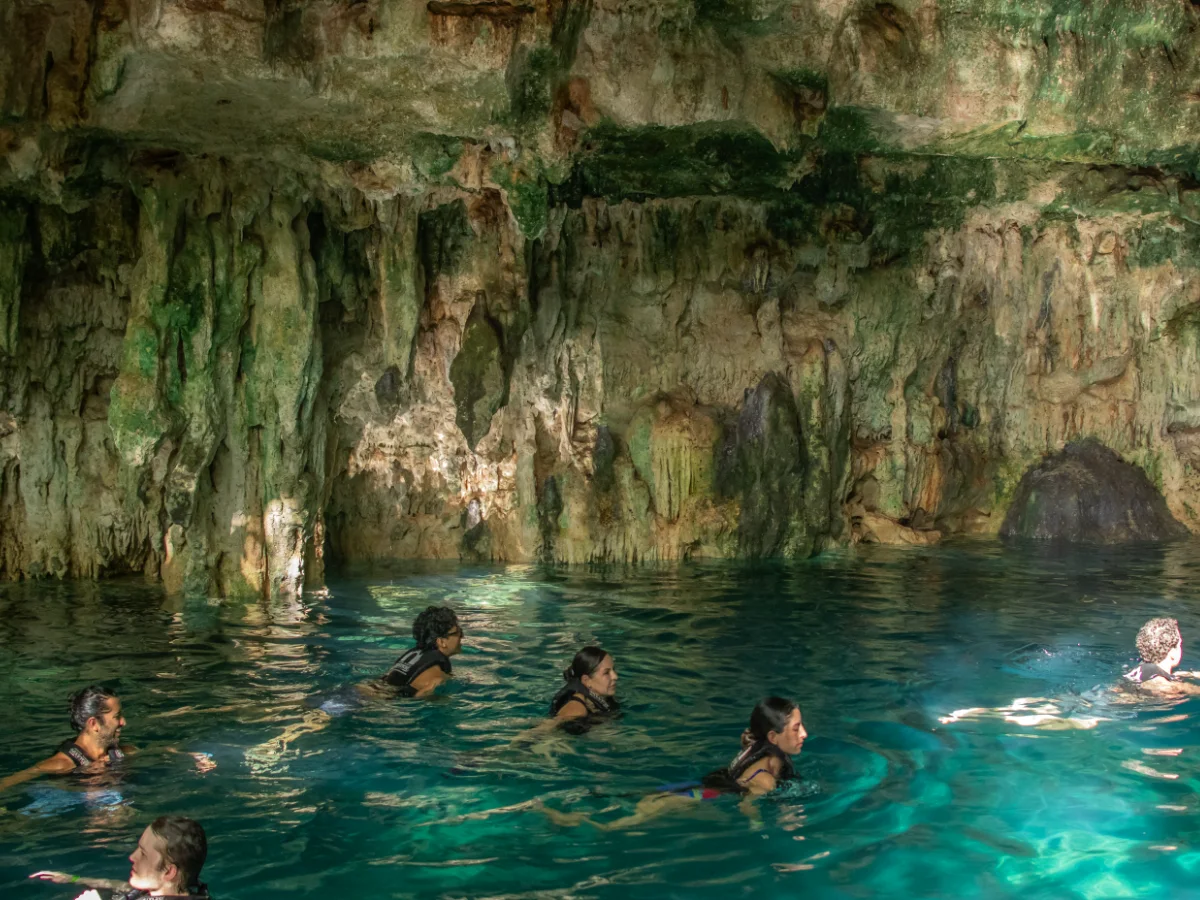
- 3:00 PM Selva Maya cenote — The swim lands exactly when the sun is at its worst. Changing rooms and showers on site.
- 4:20 PM Valladolid — Francisco Cantón Rosado park with its original railings, the church of San Servacio and the murals in the town hall.
- 8:00 PM Back in Mérida — We drop you off where the day started.
Included: Air-conditioned transport, General culture guide, Regional buffet lunch
Not included: Chichén Itzá entrance, Cenote entrance, Drinks
Towns · 9 h
Izamal and two cenotes
Izamal’s yellow first, then two cold cenotes
from $1,300 MXN per person
See itinerary
8:00 AM – 5:00 PM · daily
- 8:00 AM Departure from the office — An hour on the road. The guide uses it to explain where Izamal comes from before you arrive.
- 9:00 AM The yellow town — The convent and its atrium, among the largest on the continent, the baroque altarpiece, and then free time around the streets.
- 10:20 AM On to the Homún ring — Forty more minutes to the cenote area.
- 11:00 AM Yaxbacaltún cenote — The first swim, landing right after the morning’s walking.
- 12:15 PM San Antonio cenote and lunch — A semi-closed cenote that feels nothing like the first one, and lunch served right there.
- 3:15 PM Back to Mérida — Back to Mérida, arriving around five.
Included: Transport, Guide, Entry to both cenotes, Lunch
Not included: Drinks
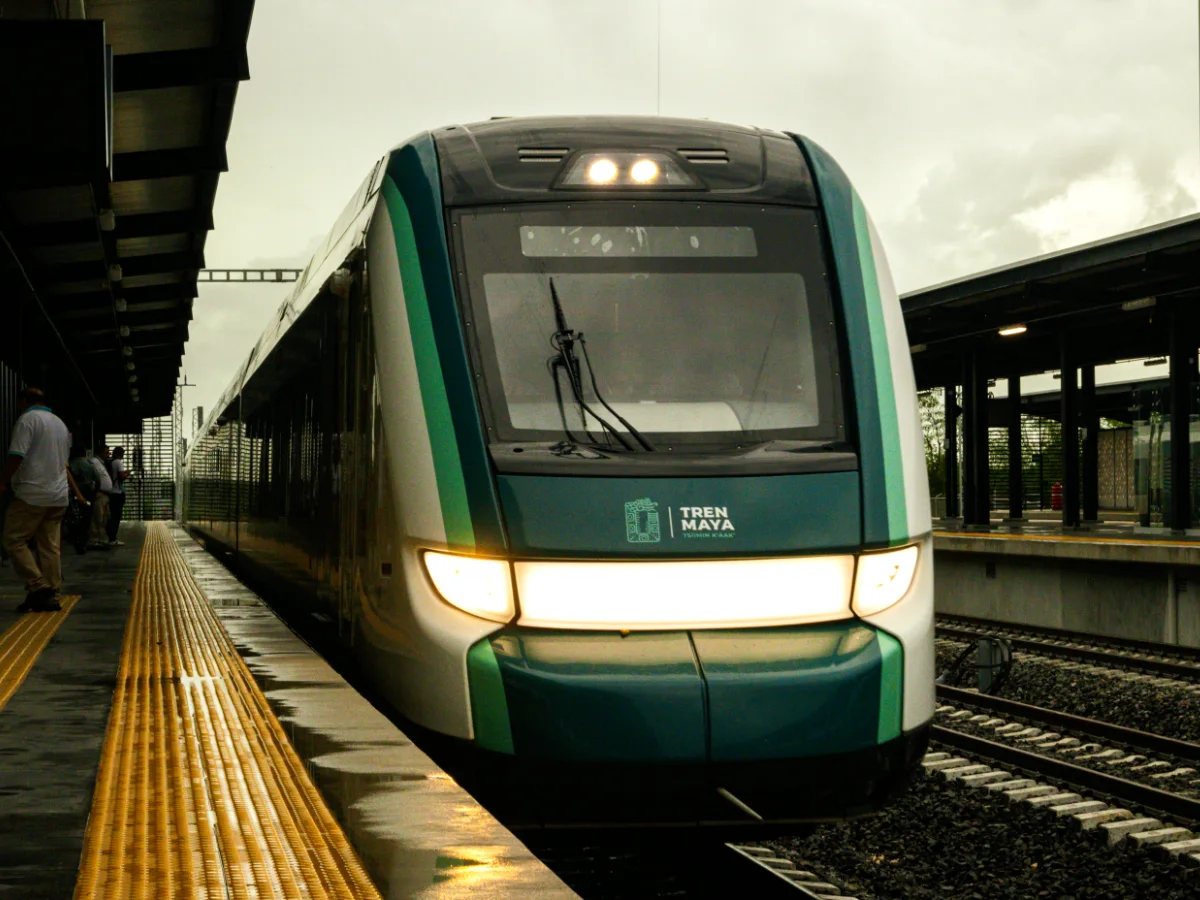
Archaeology · 11 h
Maya Train, Chichén Itzá and Izamal
The Mérida–Izamal leg by train, the rest by road
from $1,600 MXN per person
See itinerary
8:00 AM – 7:00 PM · daily
- 8:00 AM Transfer to the station — From the office to the Maya Train station in Mérida.
- 9:18 AM Maya Train ride — Forty minutes from Mérida to Izamal. Ticket included.
- 10:15 AM Izamal — The yellow town, the three-tier Baroque altarpiece and free time on the main square.
- 12:30 PM Chichén Itzá — Guided walk through the Sacred Cenote, the Temple of Kukulkán, the Jaguars and Eagles platform and the Ball Court.
- 2:30 PM Lunch in Kaua — Buffet of typical regional dishes.
- 3:45 PM Selva Maya cenote — The swim of the day, with the heat already easing off.
- 5:00 PM Back to Mérida — Two hours on the road back.
Included: Transport, General culture guide, Maya Train ticket Mérida–Izamal, Midday meal
Not included: Chichén Itzá entrance, Cenote entrance, Drinks
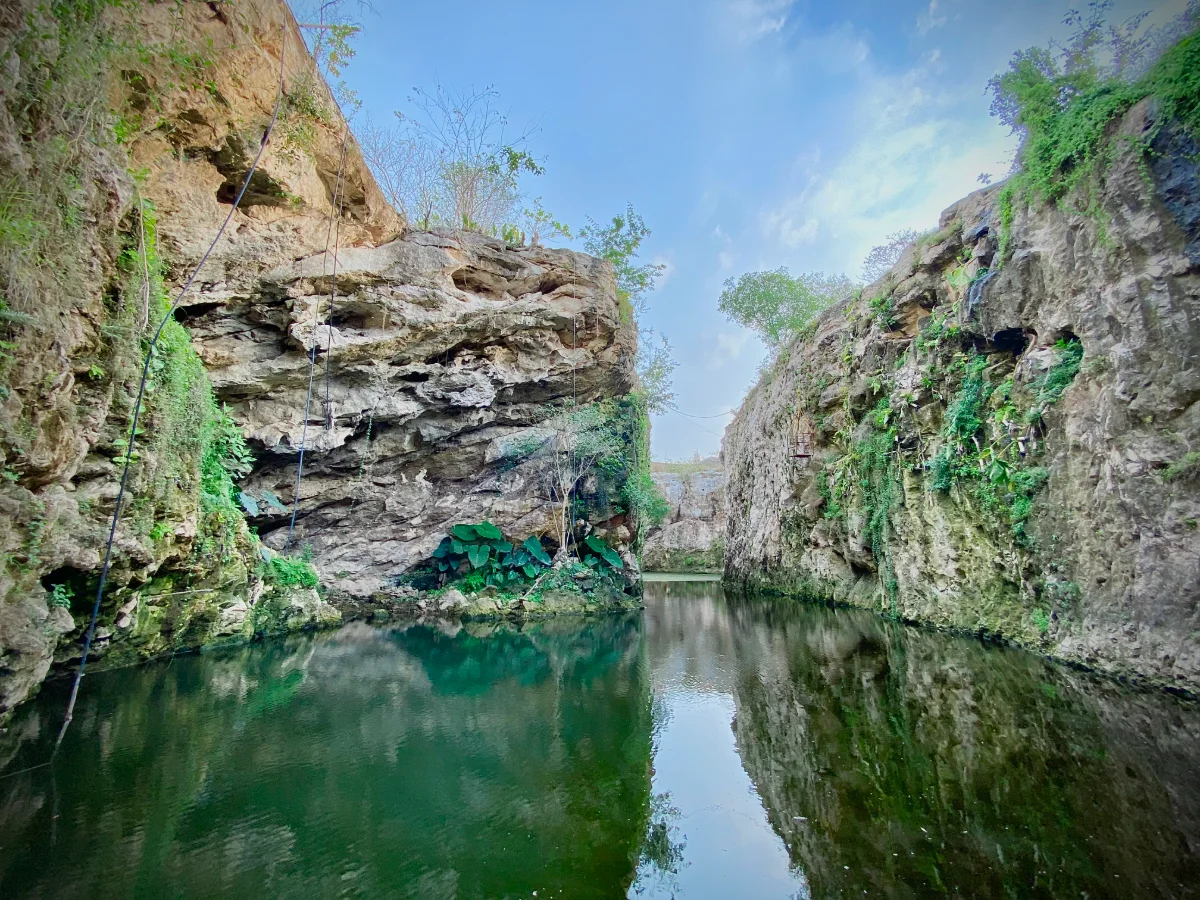
Cenotes · 9 h
Izamal and the Santa Bárbara cenotes
Izamal early, and the whole afternoon in four cenotes
from $1,550 MXN per person
See itinerary
8:00 AM – 6:00 PM · daily
- 8:00 AM Departure from the office — An hour on the road to Izamal.
- 9:00 AM Izamal — The San Antonio de Padua convent, raised on a Maya platform, the Kinich Kakmó pyramid and the yellow streets.
- 10:30 AM On to Homún — An hour and a quarter through small towns to the cenote grounds.
- 12:00 PM Santa Bárbara cenotes — Five hours inside: Cascabel in a cavern, Chaksikín with its shaft of light, and Xooch and Pool Cocom in the open. You move between them by bike or cart, and lunch is served on site.
- 5:00 PM Back to Mérida — An hour back.
Included: Transport, General culture guide, Entrances, Lunch
Not included: Drinks
Frequently asked questions
What are aluxes?
Beings from Yucatán's Maya oral tradition, whose stories vary between communities.
Where are these stories recorded?
Among other places, in community workshops in the Puuc Biocultural Reserve.
Is there one version?
No; each community and storyteller has their own.
Are they real?
They're beliefs and oral tradition, not verifiable facts.