A name that oversimplifies
"Caste War" is the best-known name, but Mexico's INAH notes that it oversimplifies a movement with diverse participants and motives. Recent studies even propose other terms. INAH sources explain it through social, economic, political and local causes.
How it began
On January 15, 1847, Valladolid was sacked, an immediate prelude to the conflict. The war's start is commemorated on July 30, 1847.
Three stages
- 1847–1849: led by figures such as Antonio Ay, Cecilio Chi and Jacinto Pat.
- 1850–1860: with leaders such as Crescencio Poot, Dionicio Zapata, Leandro Santos and Bernardino Cen.
- 1861–1901: guerrilla resistance in the eastern peninsula.
The end
According to INAH, the capture of Noh Cah Santa Cruz in 1901 marked the official end of the conflict. But its political and cultural consequences lasted long across the peninsula.
A living memory
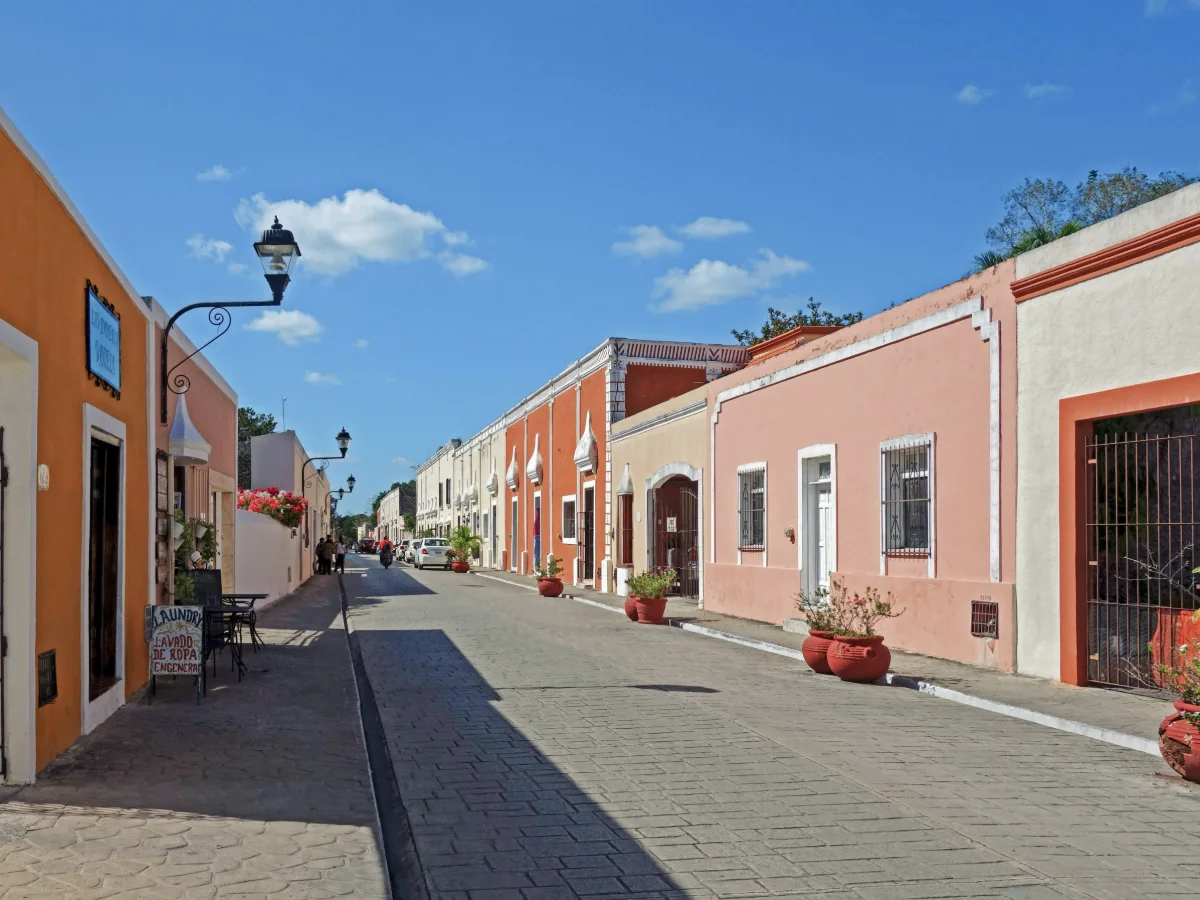
Memories of the war live on in Maya communities and deserve historical perspective and respect. In places like Valladolid and Bacalar, 19th-century history is still present in buildings and stories.
War landmarks from Mérida
Mary Tours' Chichén Itzá, Izamal and Valladolid trip ends in Valladolid, a key city at the war's outset, and the Bacalar trip leaves free time to visit the Fort of San Felipe, which rebel Maya captured in 1858. The office is on Calle 61 in downtown Mérida.
| Stage | Years | Features |
|---|---|---|
| First | 1847–1849 | Antonio Ay, Cecilio Chi, Jacinto Pat |
| Second | 1850–1860 | Crescencio Poot, Dionicio Zapata, Leandro Santos, Bernardino Cen |
| Third | 1861–1901 | Guerrilla resistance in the east |
Fun facts
- The Caste War lasted more than half a century.
- INAH divides it into three stages.
- Historians debate the name "Caste War."
Related tours
Archaeology · 11 h
Chichén Itzá, Izamal and Valladolid
Four stops in one day, and none of them rushed
from $1,200 MXN per person
See itinerary
8:00 AM – 8:00 PM · daily
- 8:00 AM Departure from the office — An hour on the road to Izamal. The guide uses the drive to set up what comes next.
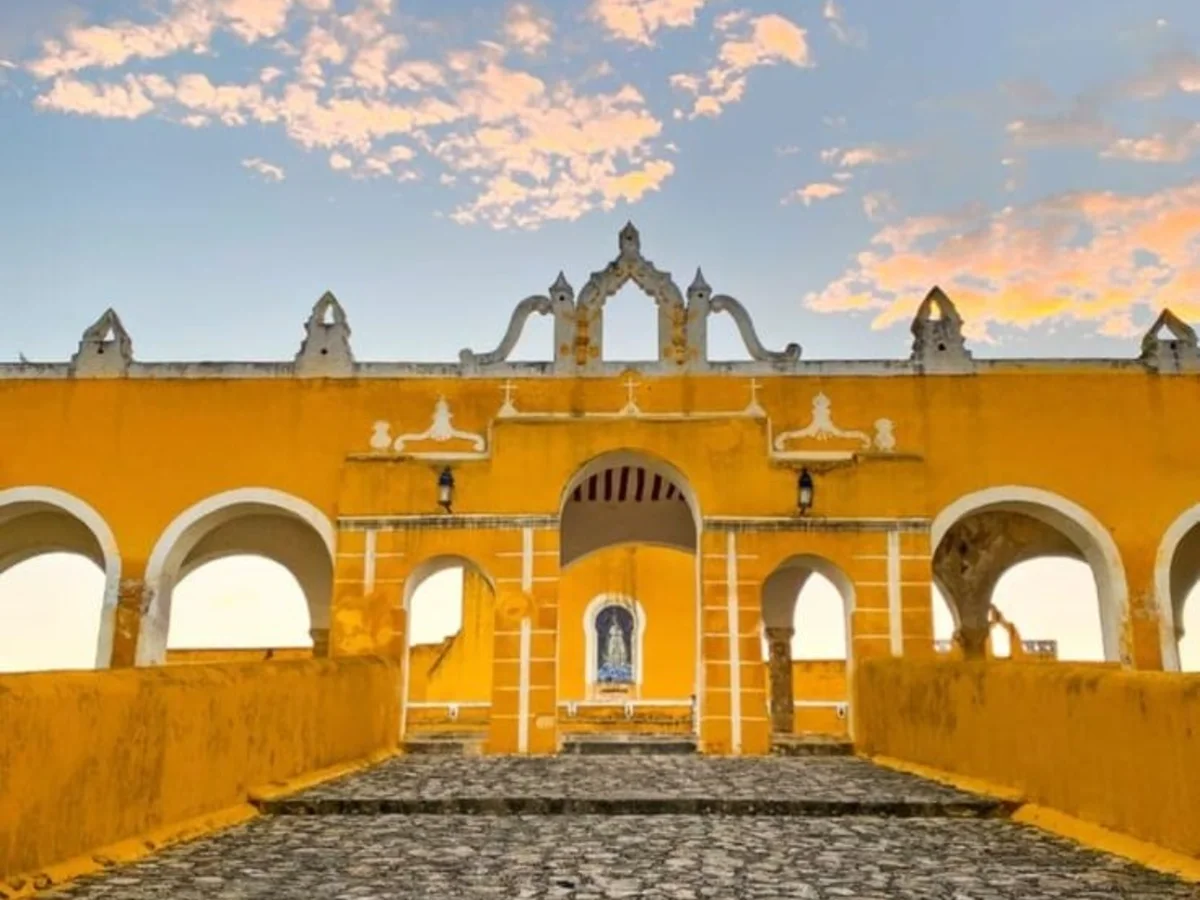
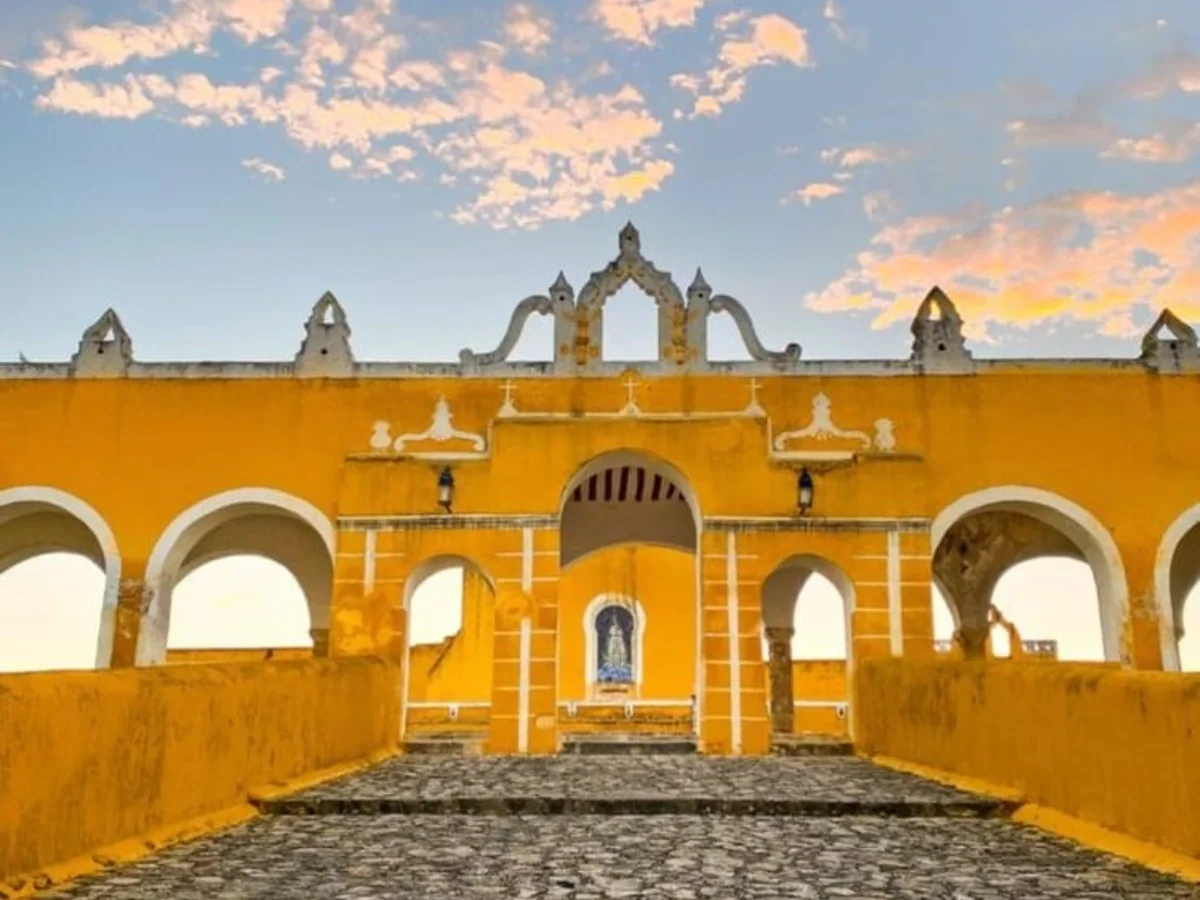
- 9:00 AM San Antonio de Padua Convent — The story of the 16th-century Franciscan convent told in its atrium, then free time to walk the yellow town.
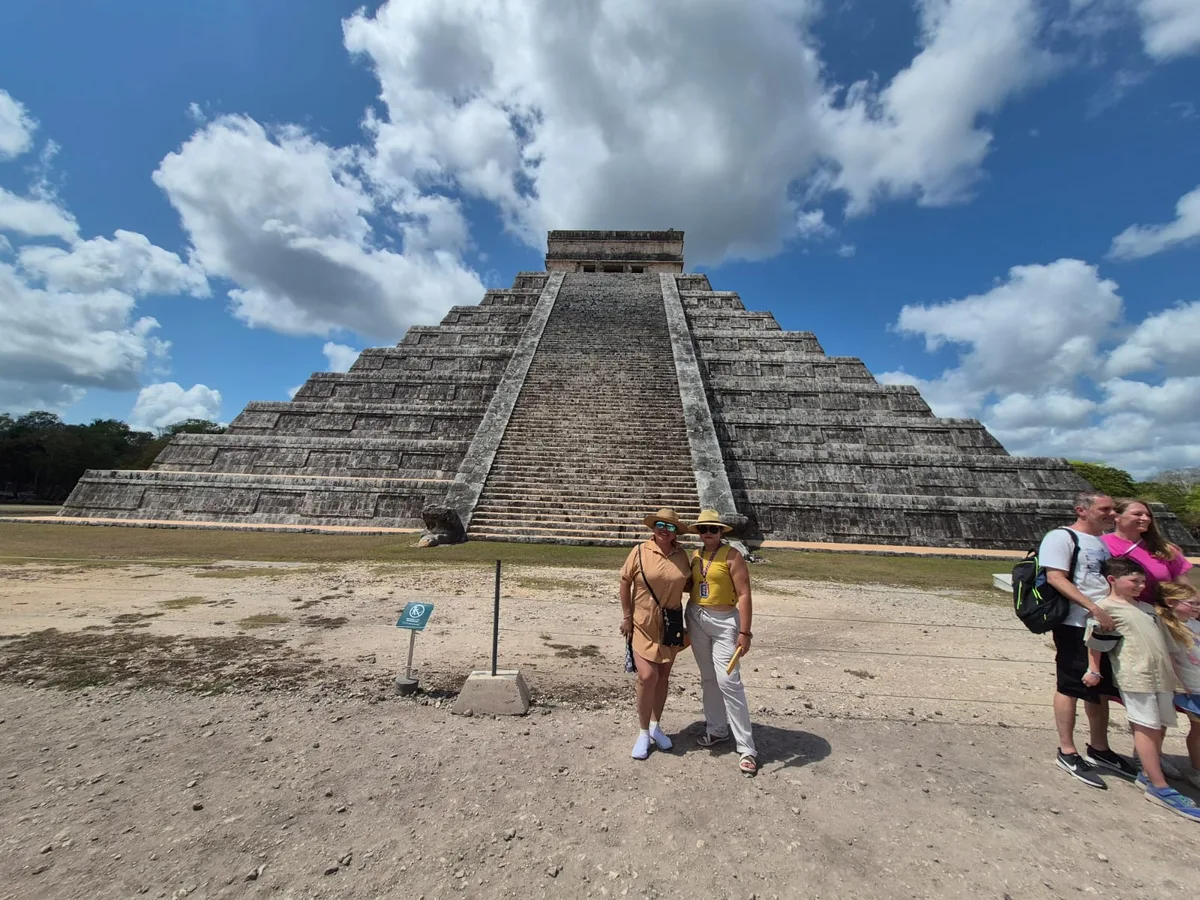
- 11:15 AM Chichén Itzá — Guided walk through the Temple of Kukulkán, the Sacred Cenote, the Ball Court, the Tzompantli and the Jaguars and Eagles platform.
- 1:45 PM Regional lunch in Kaua — Buffet of Yucatecan dishes: cochinita, relleno negro, lime soup and meat-free options.
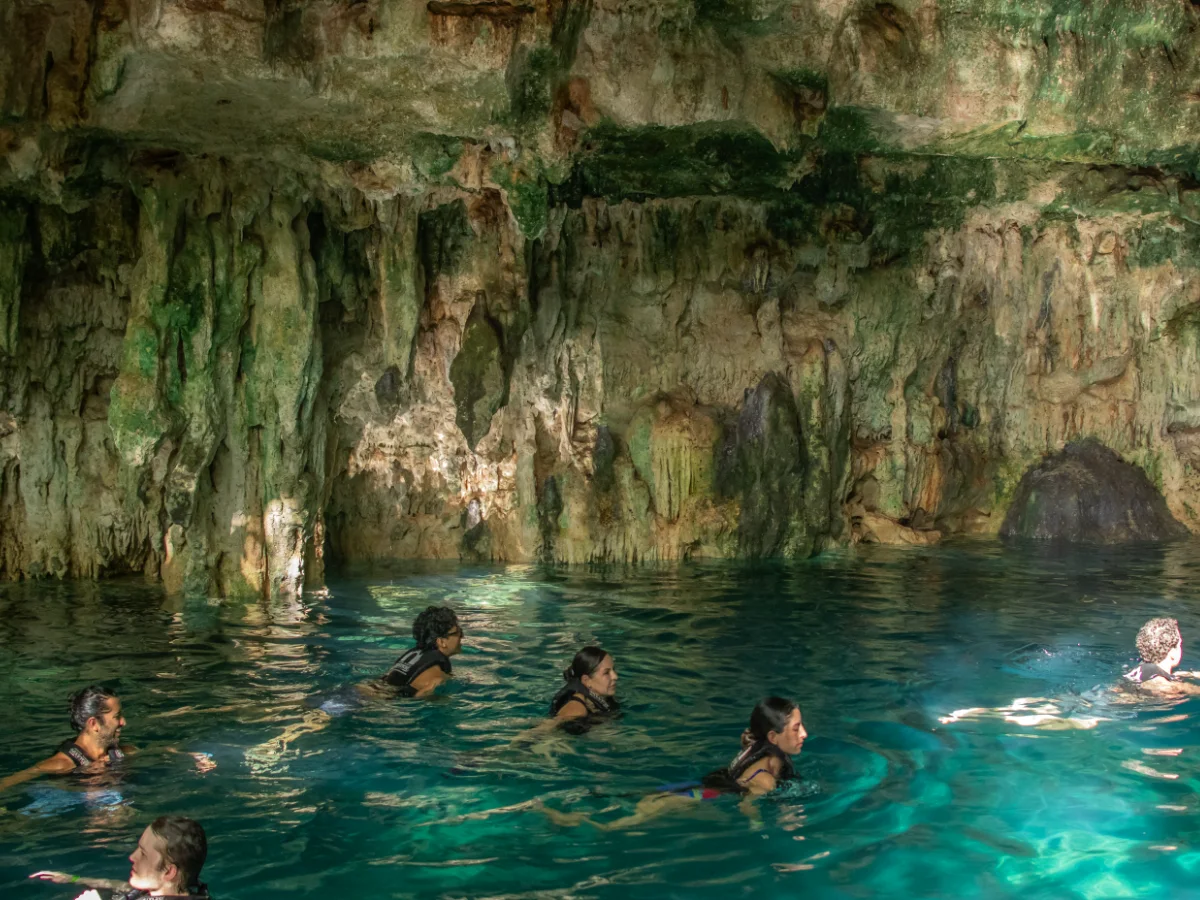
- 3:00 PM Selva Maya cenote — The swim lands exactly when the sun is at its worst. Changing rooms and showers on site.
- 4:20 PM Valladolid — Francisco Cantón Rosado park with its original railings, the church of San Servacio and the murals in the town hall.
- 8:00 PM Back in Mérida — We drop you off where the day started.
Included: Air-conditioned transport, General culture guide, Regional buffet lunch
Not included: Chichén Itzá entrance, Cenote entrance, Drinks
 Coupon −$300 MXN per person
Caribbean · 17 h
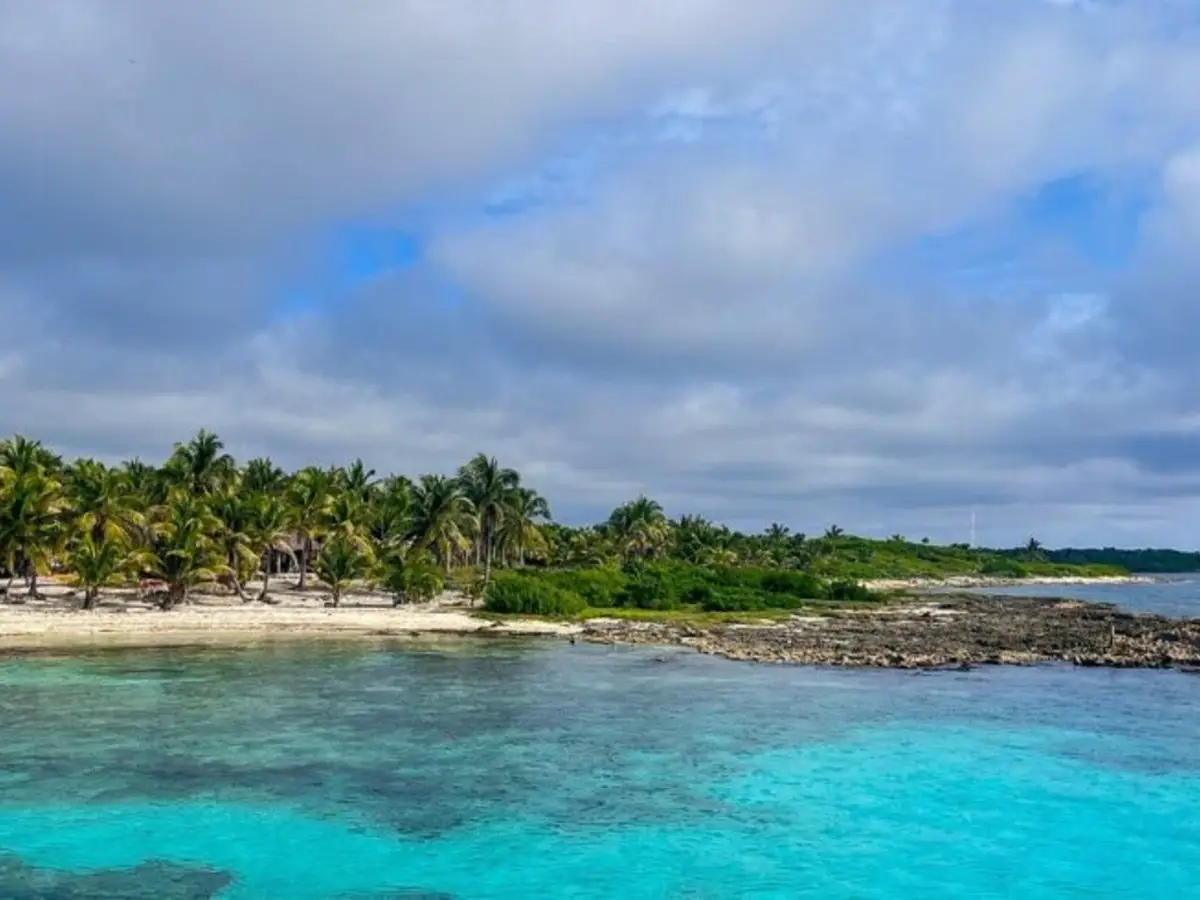
Bacalar, the lagoon of seven colours
Seventeen hours for water that changes colour every metre
from $2,800 MXN per person
See itinerary
5:00 AM – 10:00 PM · daily
- 4:45 AM Boarding — We leave from the downtown office. If your accommodation is on the way, we collect you there — agreed beforehand on WhatsApp.
- 5:30 AM Drive to José María Morelos — Two hours. Fifteen minutes there for toilets and to stretch your legs.
- 7:30 AM Drive to Bacalar — Two and a half hours more, now crossing into Quintana Roo.
- 10:15 AM Boat trip on the lagoon — Pirates’ Channel, Cenote Negro, Cenote Esmeralda and Bird Island, with an explanation of the stromatolites and the ecosystem.
- 12:15 PM Lunch — Lunch in the town, beside the lagoon.
- 1:30 PM Bacalar magic town — Three and a half hours free: the San Felipe fort, the square, the piers, the cafés and the crafts.
- 5:00 PM Back to Mérida — Five hours back, with a stop halfway. Arriving around ten.
Included: Transport, Guide, Boat trip, Lunch
Not included: Drinks
Archaeology · 11 h
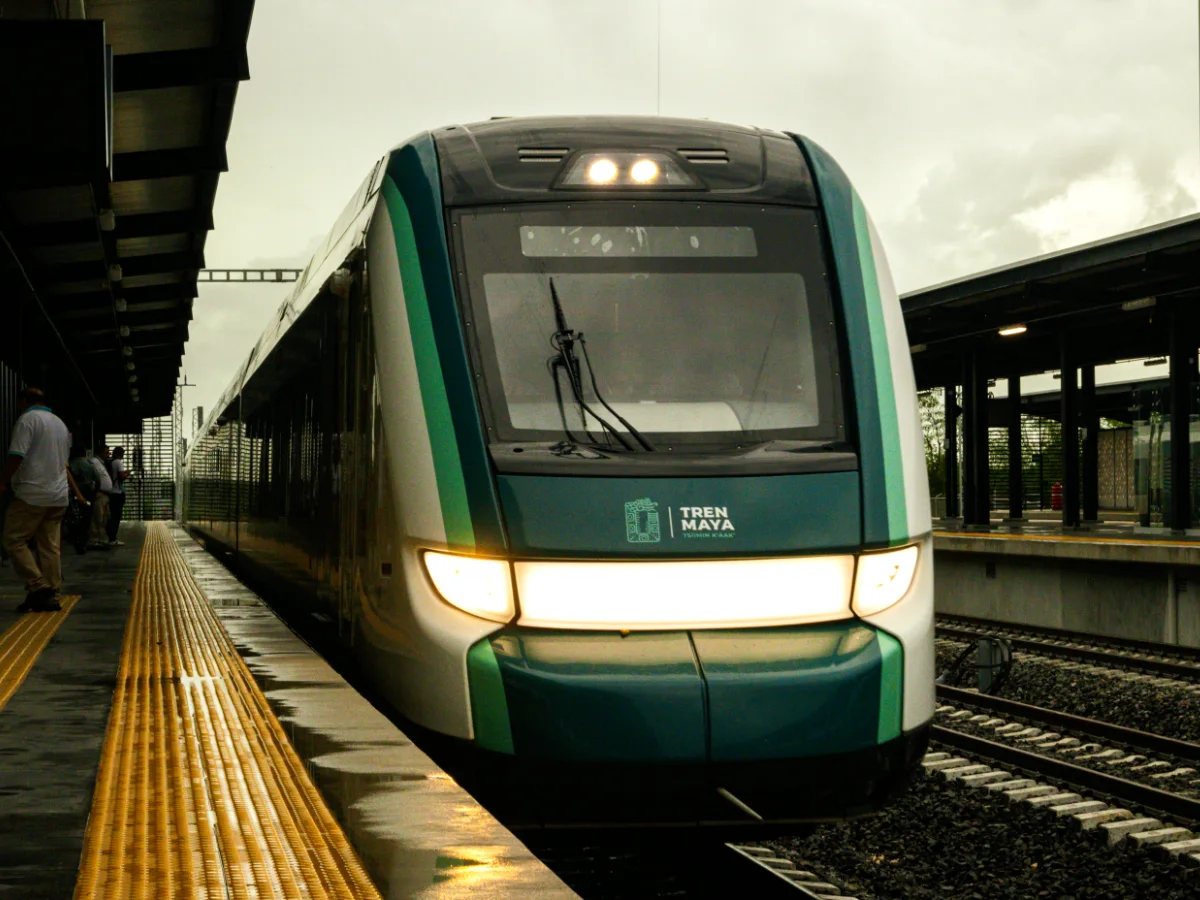
Maya Train, Chichén Itzá and Izamal
The Mérida–Izamal leg by train, the rest by road
from $1,600 MXN per person
See itinerary
8:00 AM – 7:00 PM · daily
- 8:00 AM Transfer to the station — From the office to the Maya Train station in Mérida.
- 9:18 AM Maya Train ride — Forty minutes from Mérida to Izamal. Ticket included.
- 10:15 AM Izamal — The yellow town, the three-tier Baroque altarpiece and free time on the main square.
- 12:30 PM Chichén Itzá — Guided walk through the Sacred Cenote, the Temple of Kukulkán, the Jaguars and Eagles platform and the Ball Court.
- 2:30 PM Lunch in Kaua — Buffet of typical regional dishes.
- 3:45 PM Selva Maya cenote — The swim of the day, with the heat already easing off.
- 5:00 PM Back to Mérida — Two hours on the road back.
Included: Transport, General culture guide, Maya Train ticket Mérida–Izamal, Midday meal
Not included: Chichén Itzá entrance, Cenote entrance, Drinks
Frequently asked questions
When was the Caste War?
From 1847 to 1901, according to INAH.
How did it start?
The sack of Valladolid on January 15, 1847, was a prelude; the start is commemorated on July 30, 1847.
Who were its leaders?
In the first stage, Antonio Ay, Cecilio Chi and Jacinto Pat, among others.
When did it end?
With the capture of Noh Cah Santa Cruz in 1901.