One people, many regions
Mexico's Atlas of Indigenous Peoples (INPI) notes that the Maya people are diverse, spread across several Mexican states and Central American countries, with linguistic and cultural variation between regions. Talking about "the Maya" means talking about many communities.
The ancient cities
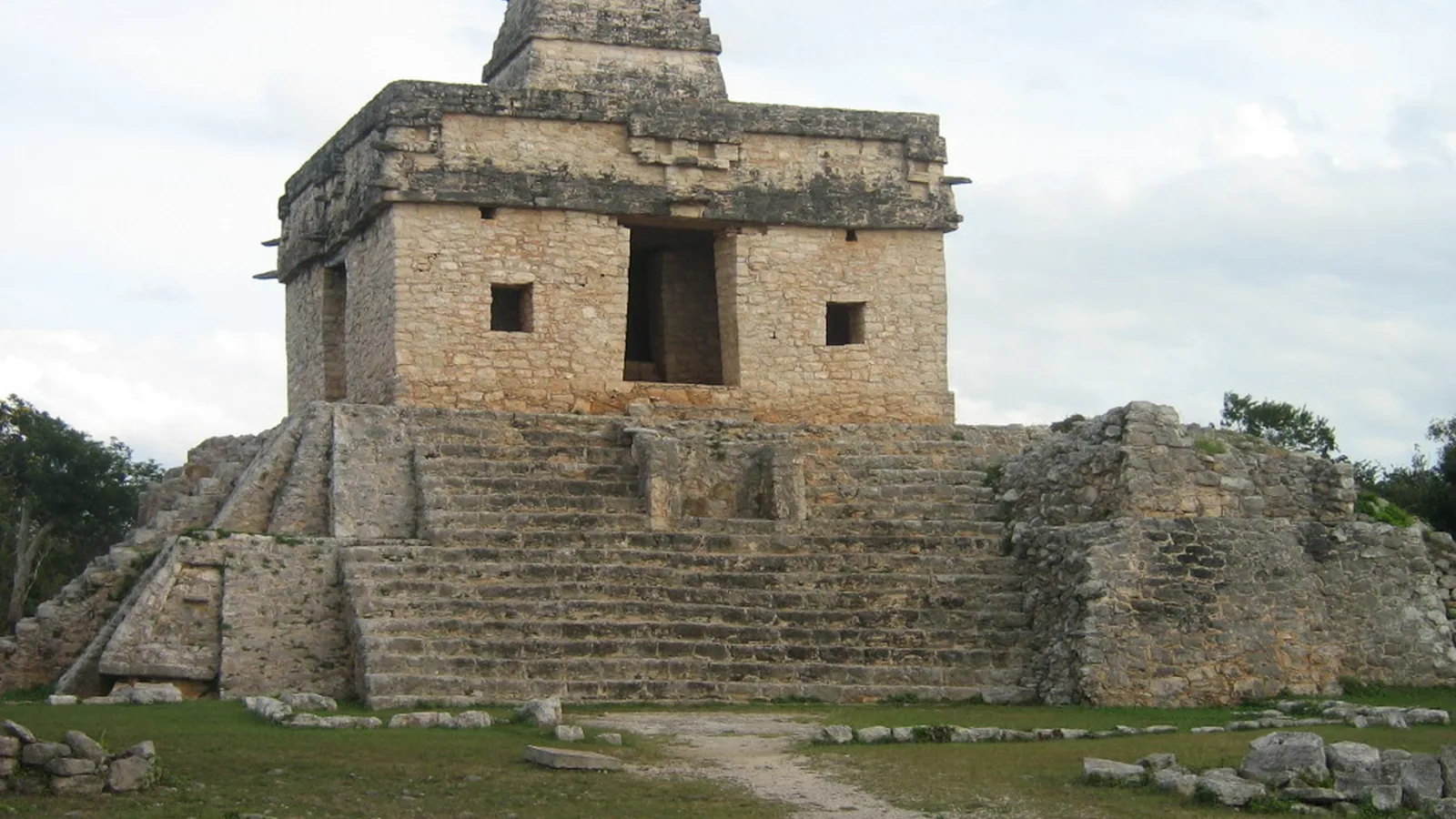
Maya archaeology spans the Preclassic, Classic and Postclassic periods, with distinct regional developments. On the peninsula, standouts include:
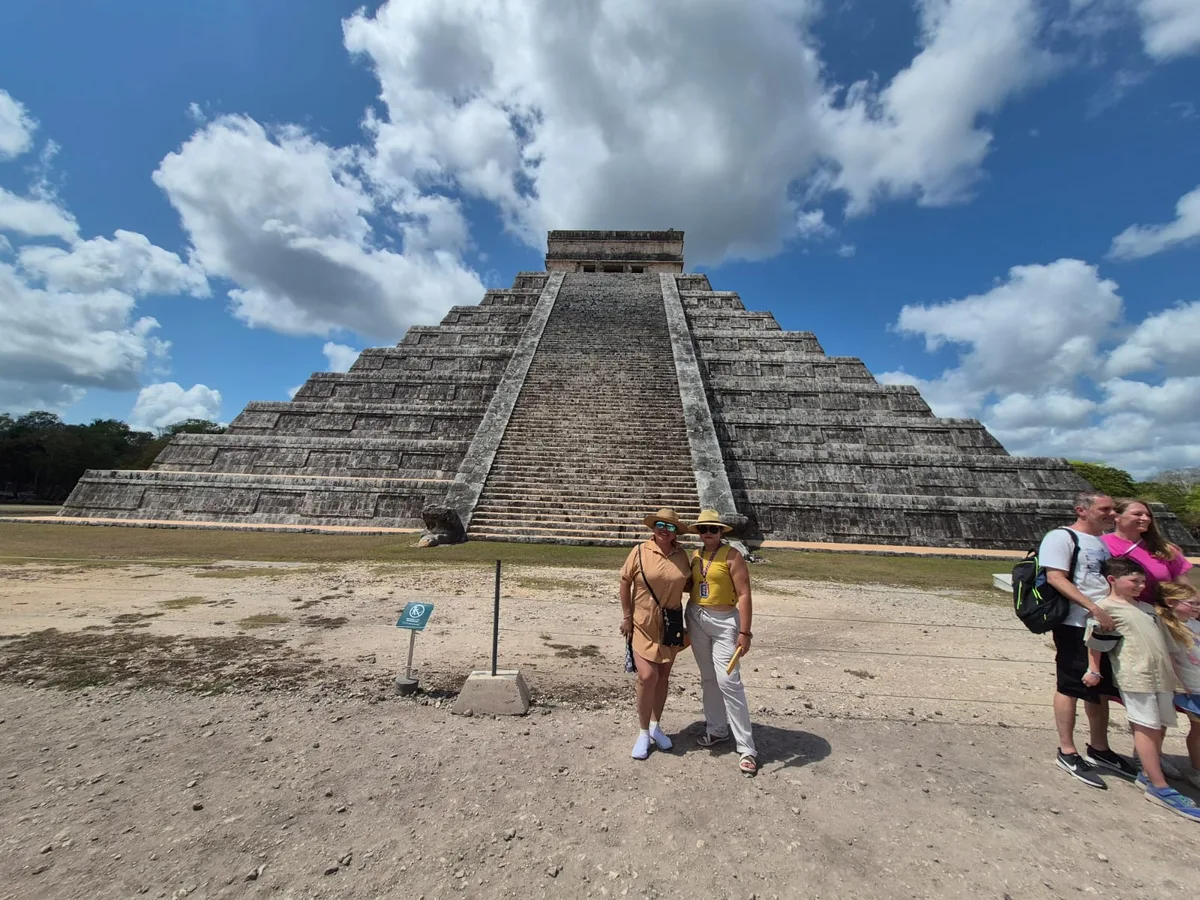
- Chichén Itzá: Maya architecture with features from other parts of Mesoamerica.
- Uxmal: the great expression of the Puuc style.
- Tulum: a walled coastal city with murals.
Science and writing
- Calendars: the 260-day Tzolk'in and the 365-day Haab', per Mexico's National Museum of Anthropology.
- Astronomy: sky-watching built into architecture.
- Writing: syllabic and logographic glyphs.
- Mathematics: positional numbering with a zero symbol.
A living culture
Yucatec Maya is still spoken across the peninsula, with regional and social variation. Today's Maya traditions aren't a copy of pre-Hispanic ones: they're living cultures that change, and shouldn't be confused or turned into folklore.
How to engage respectfully
- Visit archaeological sites with a guide to understand the context.
- Learn a few words in Maya.
- Buy crafts directly from the people who make them.
- Ask before photographing people.
Maya culture from Mérida
From Mérida you can see three great faces of ancient Maya culture with Mary Tours: Chichén Itzá (by van or Maya Train), Uxmal (transfer) and Tulum (with the Casa Tortuga cenotes, group discount available). The office is at Calle 61 #518-B in the historic center; schedules and prices are in the booking section.
| City | What sets it apart |
|---|---|
| Chichén Itzá | Blend of Maya and central Mexican features; World Heritage (1988) |
| Uxmal | Puuc style; World Heritage (1996) |
| Tulum | Walled city facing the Caribbean |
Fun facts
- Yucatec Maya is still a living language on the peninsula.
- The Maya used a symbol for zero.
- Chichén Itzá and Uxmal are World Heritage Sites.
Related tours
Archaeology · 11 h
Chichén Itzá, Izamal and Valladolid
Four stops in one day, and none of them rushed
from $1,200 MXN per person
See itinerary
8:00 AM – 8:00 PM · daily
- 8:00 AM Departure from the office — An hour on the road to Izamal. The guide uses the drive to set up what comes next.
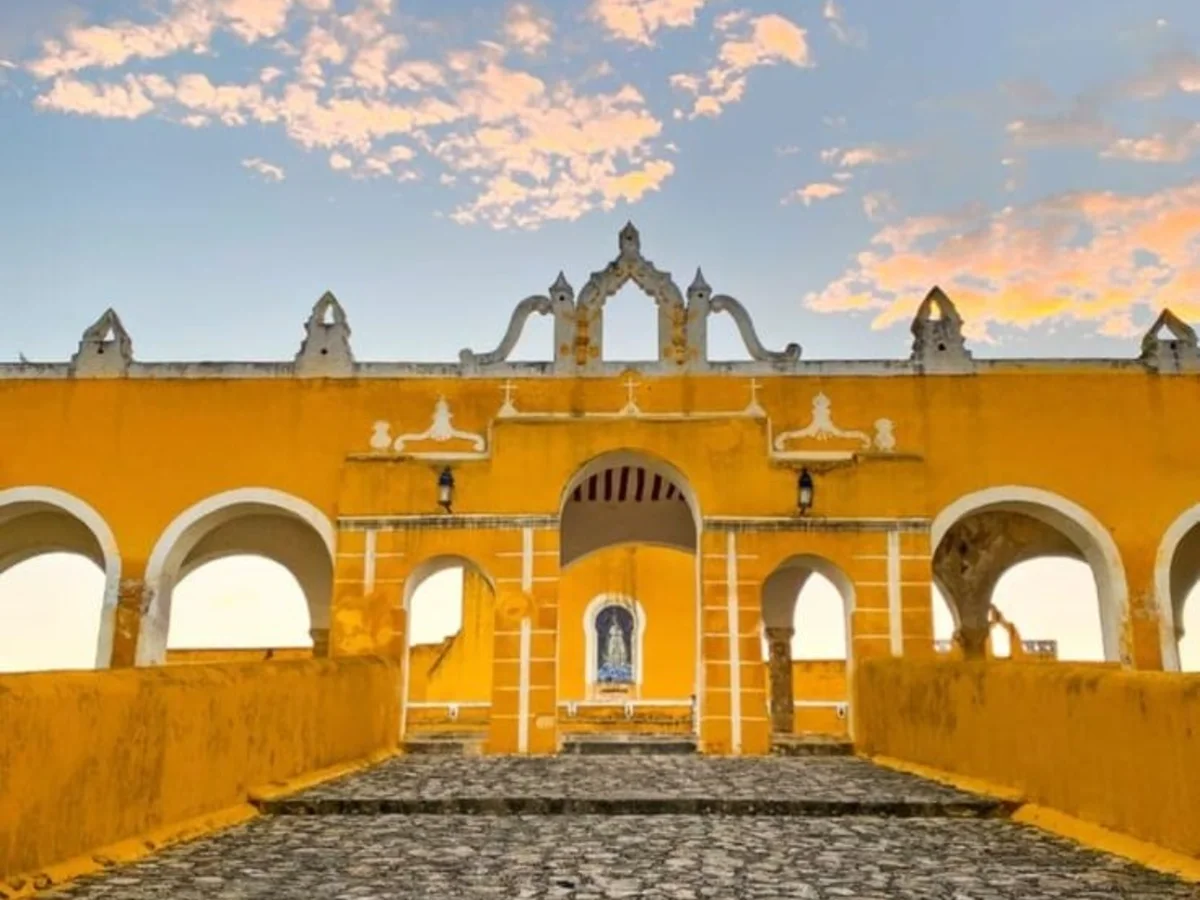
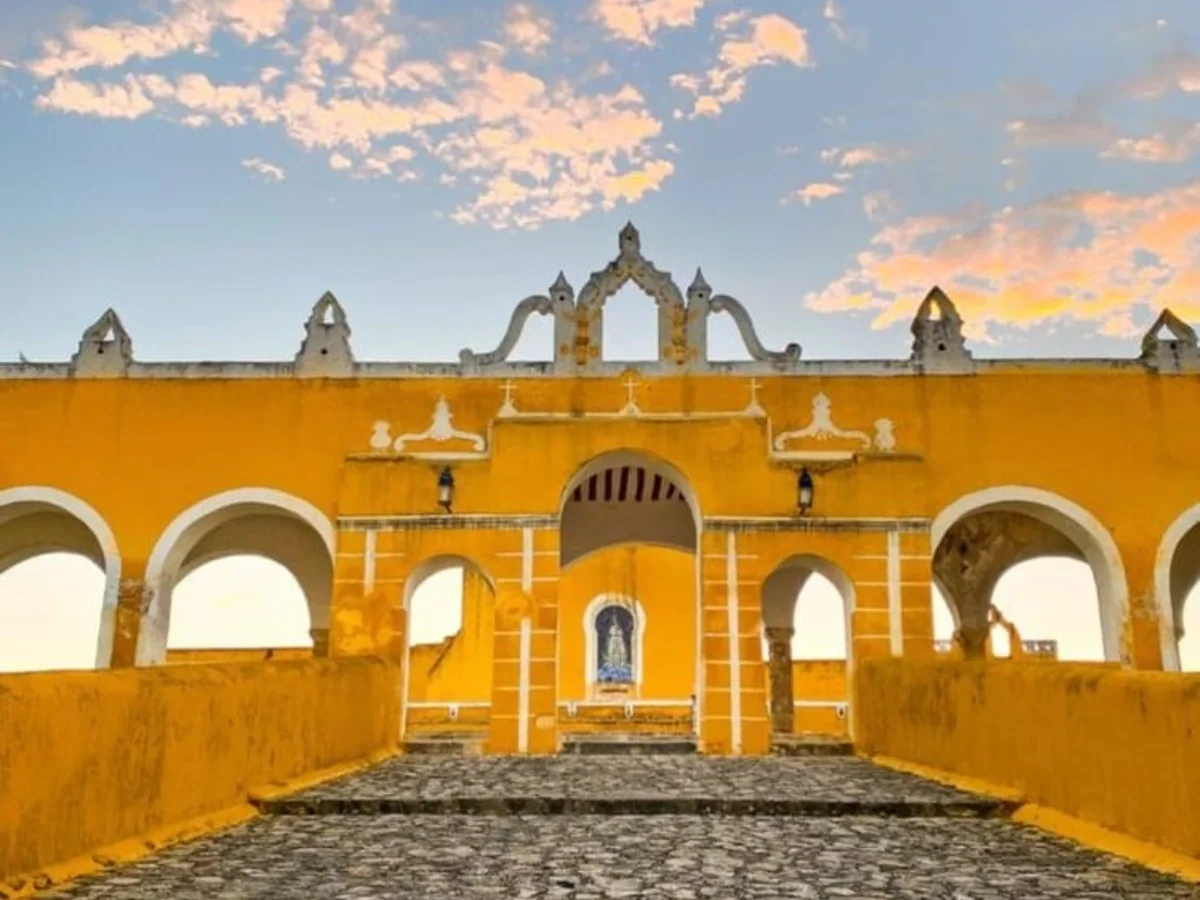
- 9:00 AM San Antonio de Padua Convent — The story of the 16th-century Franciscan convent told in its atrium, then free time to walk the yellow town.
- 11:15 AM Chichén Itzá — Guided walk through the Temple of Kukulkán, the Sacred Cenote, the Ball Court, the Tzompantli and the Jaguars and Eagles platform.
- 1:45 PM Regional lunch in Kaua — Buffet of Yucatecan dishes: cochinita, relleno negro, lime soup and meat-free options.
- 3:00 PM Selva Maya cenote — The swim lands exactly when the sun is at its worst. Changing rooms and showers on site.
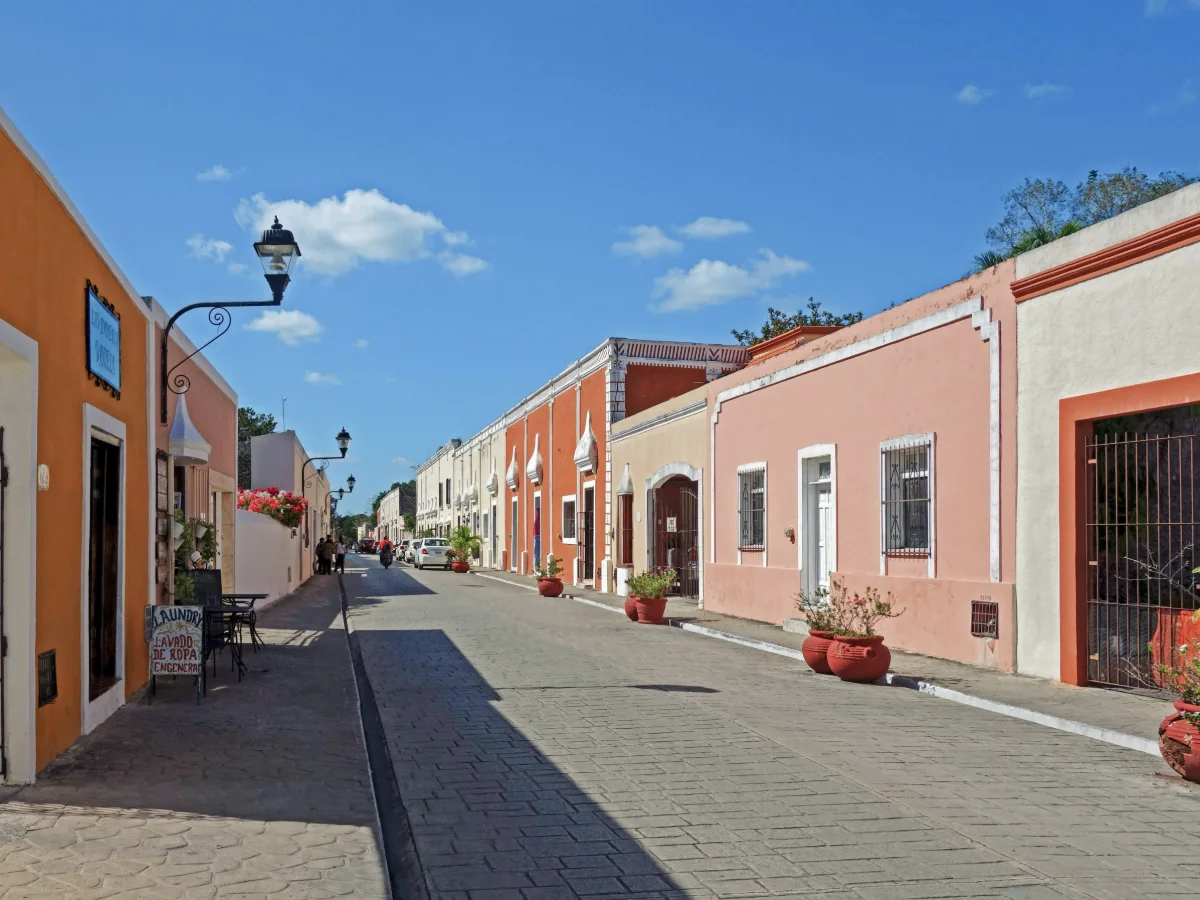
- 4:20 PM Valladolid — Francisco Cantón Rosado park with its original railings, the church of San Servacio and the murals in the town hall.
- 8:00 PM Back in Mérida — We drop you off where the day started.
Included: Air-conditioned transport, General culture guide, Regional buffet lunch
Not included: Chichén Itzá entrance, Cenote entrance, Drinks
Archaeology · 11 h
Maya Train, Chichén Itzá and Izamal
The Mérida–Izamal leg by train, the rest by road
from $1,600 MXN per person
See itinerary
8:00 AM – 7:00 PM · daily
- 8:00 AM Transfer to the station — From the office to the Maya Train station in Mérida.
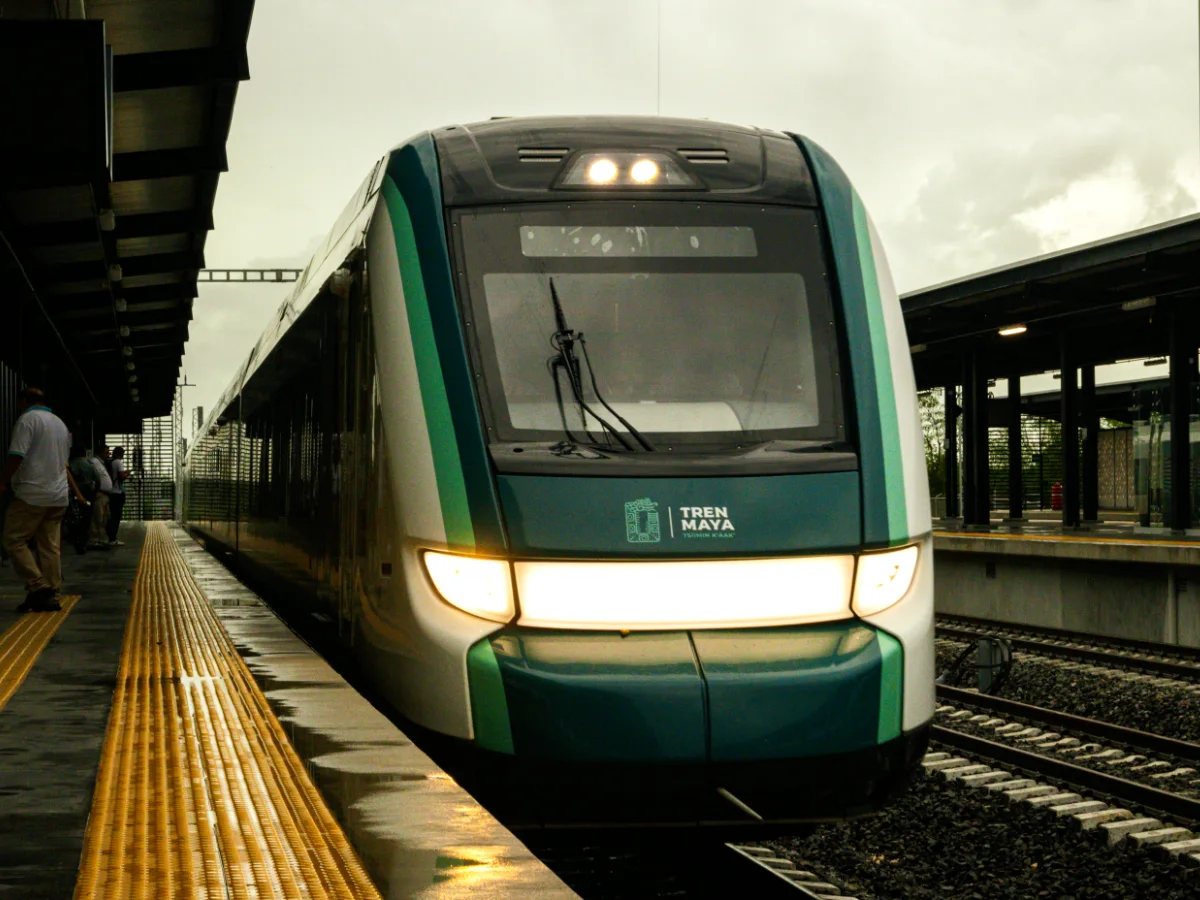
- 9:18 AM Maya Train ride — Forty minutes from Mérida to Izamal. Ticket included.
- 10:15 AM Izamal — The yellow town, the three-tier Baroque altarpiece and free time on the main square.
- 12:30 PM Chichén Itzá — Guided walk through the Sacred Cenote, the Temple of Kukulkán, the Jaguars and Eagles platform and the Ball Court.
- 2:30 PM Lunch in Kaua — Buffet of typical regional dishes.
- 3:45 PM Selva Maya cenote — The swim of the day, with the heat already easing off.
- 5:00 PM Back to Mérida — Two hours on the road back.
Included: Transport, General culture guide, Maya Train ticket Mérida–Izamal, Midday meal
Not included: Chichén Itzá entrance, Cenote entrance, Drinks
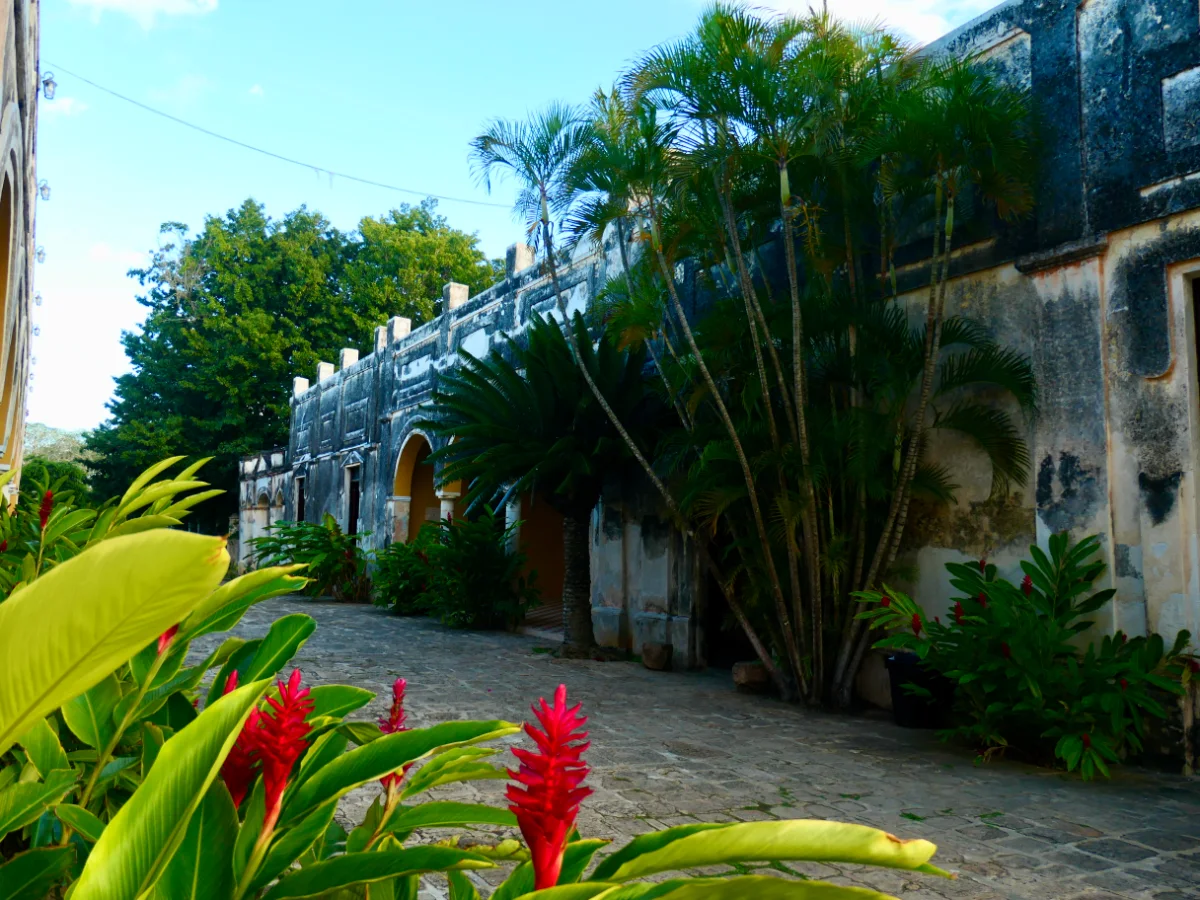
Transfers · 10.5 h
Transfer to Uxmal and Yaxcopoil
The Puuc route at your own pace, with the van waiting
from $2,550 MXN per vehicle
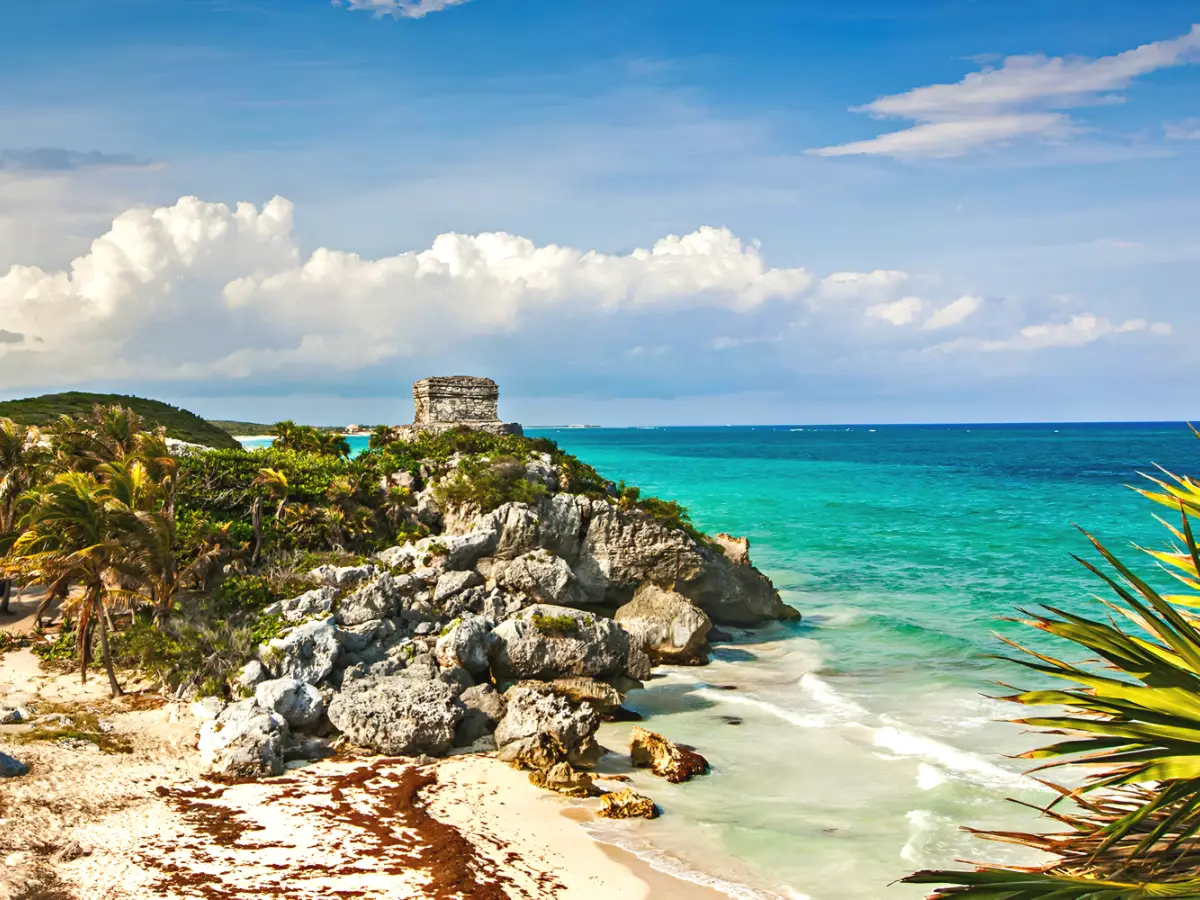 Coupon −$300 MXN per person
Caribbean · 14 h
Tulum and the Casa Tortuga cenotes
The only Maya city built facing the Caribbean
from $2,500 MXN per person
See itinerary
6:00 AM – 8:00 PM · daily
- 6:00 AM Boarding — We leave from the downtown office. If your accommodation is on the way, we collect you there — agreed beforehand on WhatsApp.
- 6:30 AM Motorway to the rest stop — An hour and three quarters, with fifteen minutes for toilets and something light.
- 8:30 AM On to Tulum — An hour and a half more to the Quintana Roo coast.
- 10:00 AM Tulum archaeological site — Guided visit to the walled city: El Castillo, the Temple of the Frescoes and the Temple of the Descending God, with the sea behind.
- 12:15 PM Casa Tortuga cenotes and lunch — Four cenotes of different kinds, with a guided route, trails and changing rooms. Lunch is on site.
- 4:00 PM Back to Mérida — Four hours back, with a stop halfway.
Included: Guide accredited by the Ministry of Tourism, Round-trip transport, Lunch, Cenote entry
Not included: Tulum archaeological site entrance, Drinks
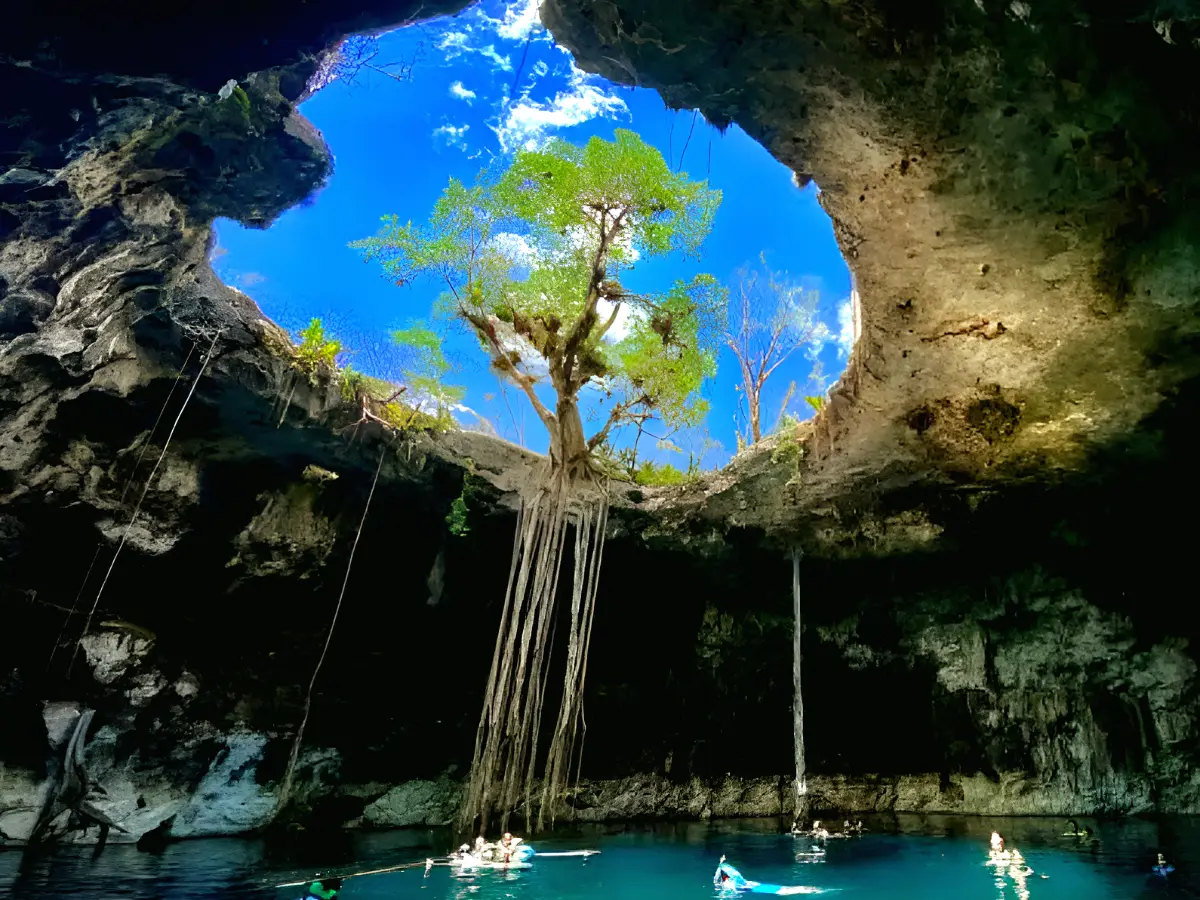
Cenotes · 7 h
The four cenotes of Santa Bárbara
Four different cenotes and a lunch made by hand
from $1,450 MXN per person
See itinerary
10:00 AM – 5:00 PM · daily
- 10:00 AM Departure from the office — An hour on the road to Homún, through the ring of cenotes.
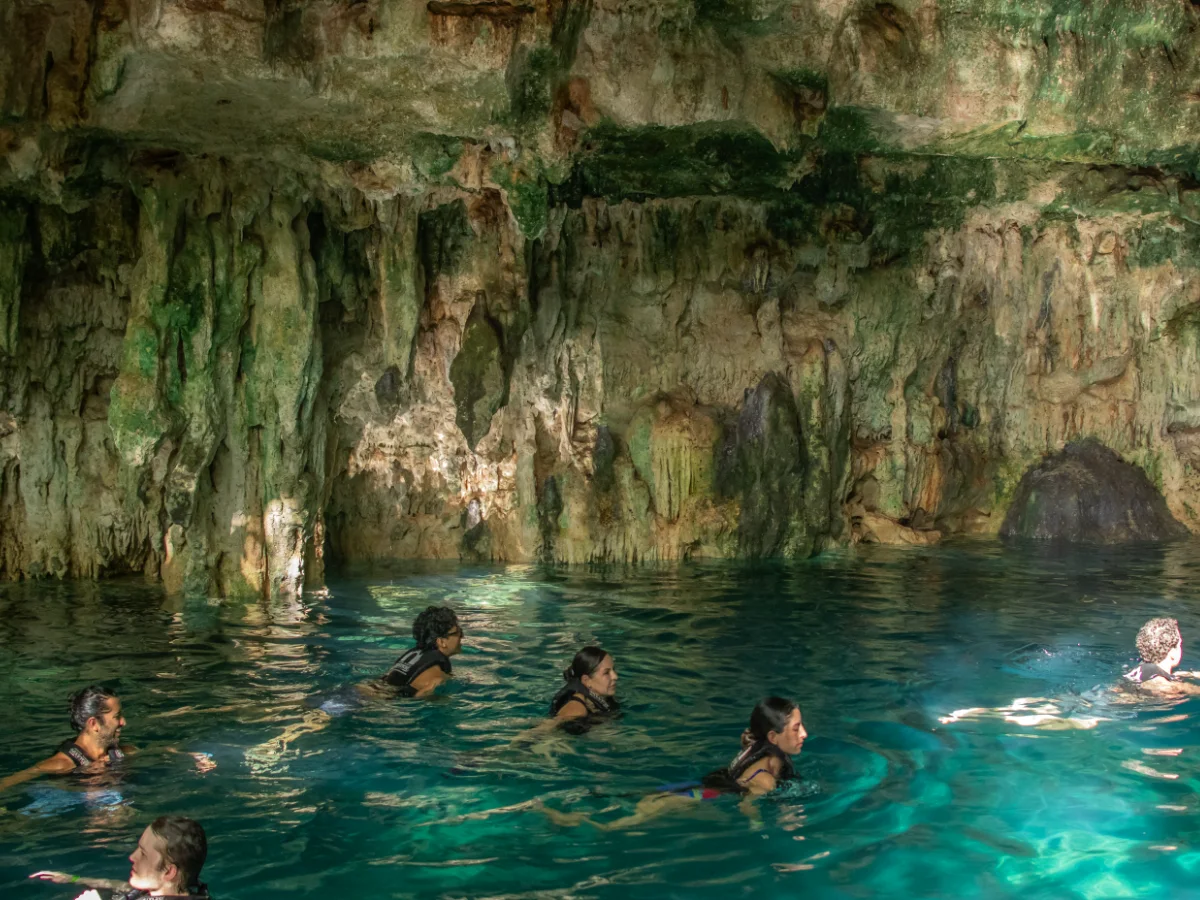
- 11:00 AM Cascabel cenote — Closed, cave type. You descend inside and the water sits in half-light: the most striking of the four.
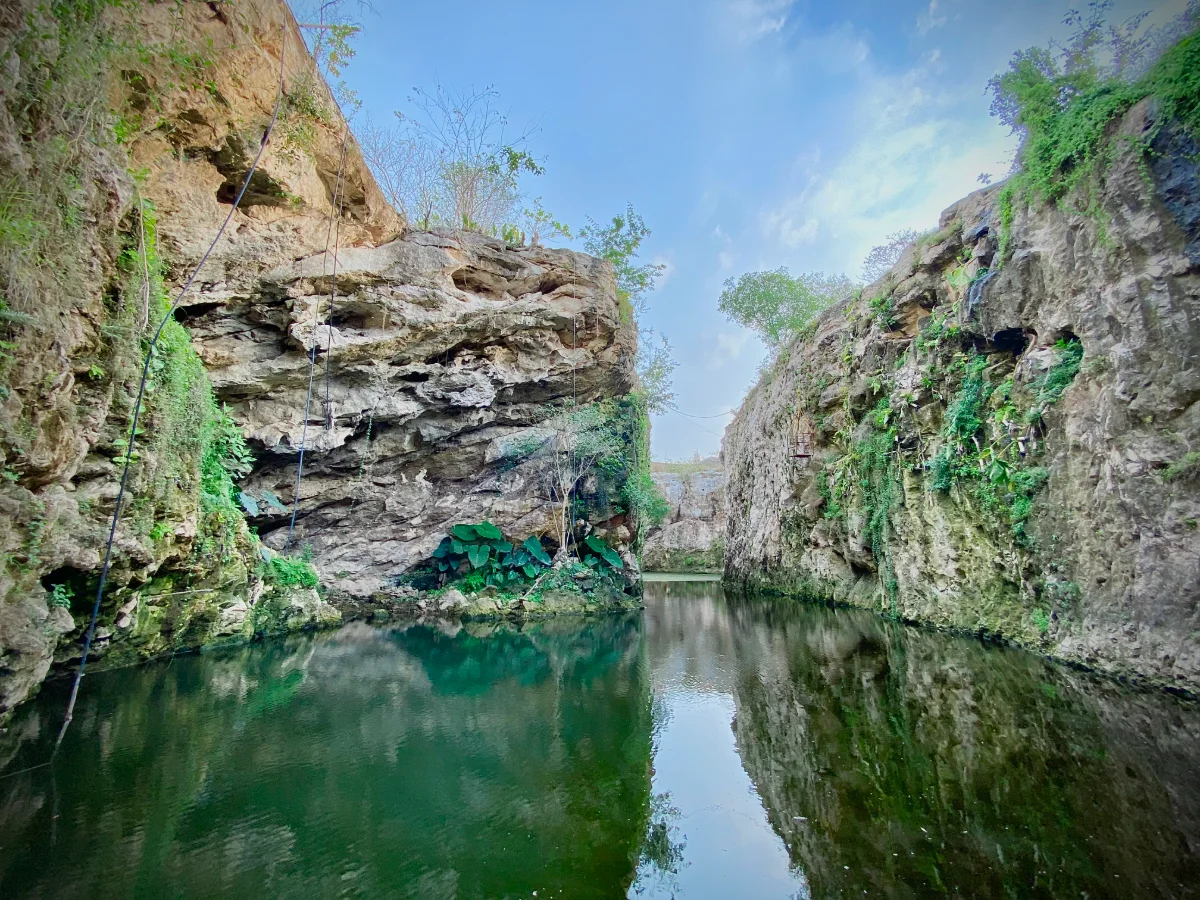
- 11:30 AM Chaksikín cenote — Semi-open. You go down between limestone walls painted with Maya-themed murals.
- 12:00 PM Xooch cenote — Semi-open, with a shaft of light that falls straight onto the water mid-morning.
- 12:30 PM Pool Cocom cenote — Open and surrounded by vegetation. You swim along a channel out to the wide part.
- 1:30 PM Regional lunch — Home cooking with hand-made tortillas. Plenty of time to eat without rushing.
- 4:00 PM Back to Mérida — An hour back, arriving around five.
Included: Transport, Certified guide, Entry to all four cenotes, Regional lunch
Not included: Drinks with lunch
Frequently asked questions
Do the Maya still exist?
Yes. Maya people live today in several Mexican states and Central American countries, and Yucatec Maya is still spoken.
What did the Maya contribute?
Calendars, hieroglyphic writing, astronomy and mathematics with zero, among other things.
Which Maya cities can I visit near Mérida?
Chichén Itzá, Uxmal and Izamal; farther away, Tulum.
How can I learn about Maya culture respectfully?
With local guides, buying directly from artisans and asking before taking photos.