The Tzolk'in: 260 ritual days
Mexico's National Museum of Anthropology (INAH) describes the Tzolk'in as a 260-day ritual cycle. It combines 13 numbers with 20 day signs: 13 × 20 = 260. Each day has both a number and a name.
The Haab': 365 civil days
The Haab' is the 365-day civil calendar. It approximates the solar year but isn't identical to the 365.2422-day tropical year, so over time it drifts against the seasons.
The Calendar Round: 52 years
Combining both cycles, the same date (Tzolk'in number and sign plus Haab' day) only repeats every 18,980 days, which equals 52 Haab'. That combination is called the Calendar Round.
The Long Count
To record longer spans, the Maya used the Long Count, built from cumulative units. It's tied to their positional numbering and their use of zero. The Dresden Codex, one of the few surviving Maya books, contains calendrical, astronomical and numerical tables.
Exact correlations between Maya dates and our calendar depend on academic models, so they should be cited with caution.
The calendar in stone
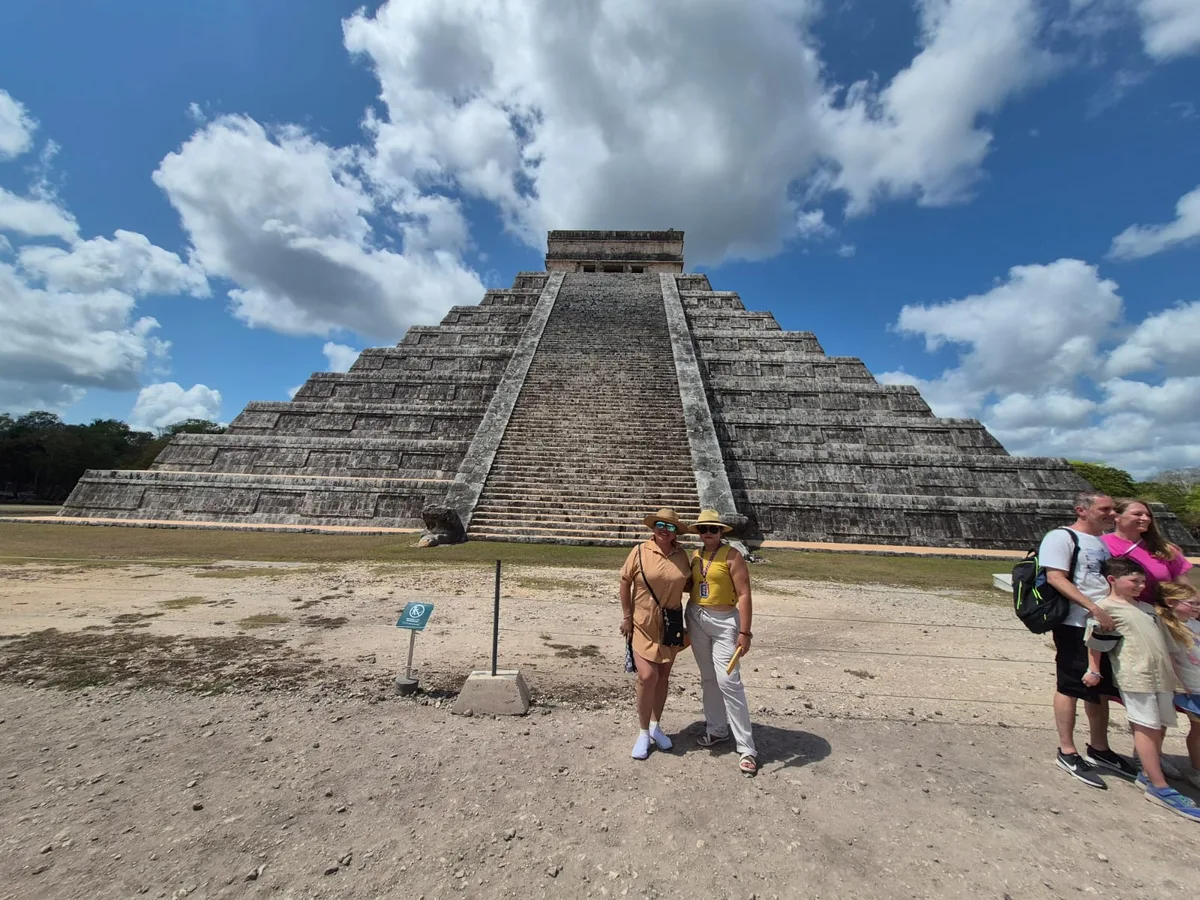
Architecture speaks of calendars too: at Chichén Itzá's El Castillo, the 91 steps on each of its four stairways, plus the top platform, add up to 365.
From Mérida
Seeing El Castillo's "stone calendar" with a guide is the best way to make these ideas click. Mary Tours runs trips to Chichén Itzá by van or Maya Train from its office on Calle 61 in Mérida's historic center; see prices in the booking section.
| Cycle | Length | Use |
|---|---|---|
| Tzolk'in | 260 days (13 × 20) | Ritual |
| Haab' | 365 days | Civil |
| Calendar Round | 18,980 days (52 Haab') | Combination of both |
| Long Count | Cumulative periods | Long historical dates |
Fun facts
- The Tzolk'in pairs 13 numbers with 20 day names.
- A Calendar Round date repeats every 52 years.
- The Dresden Codex includes astronomical tables.
Related tours
Archaeology · 11 h
Chichén Itzá, Izamal and Valladolid
Four stops in one day, and none of them rushed
from $1,200 MXN per person
See itinerary
8:00 AM – 8:00 PM · daily
- 8:00 AM Departure from the office — An hour on the road to Izamal. The guide uses the drive to set up what comes next.
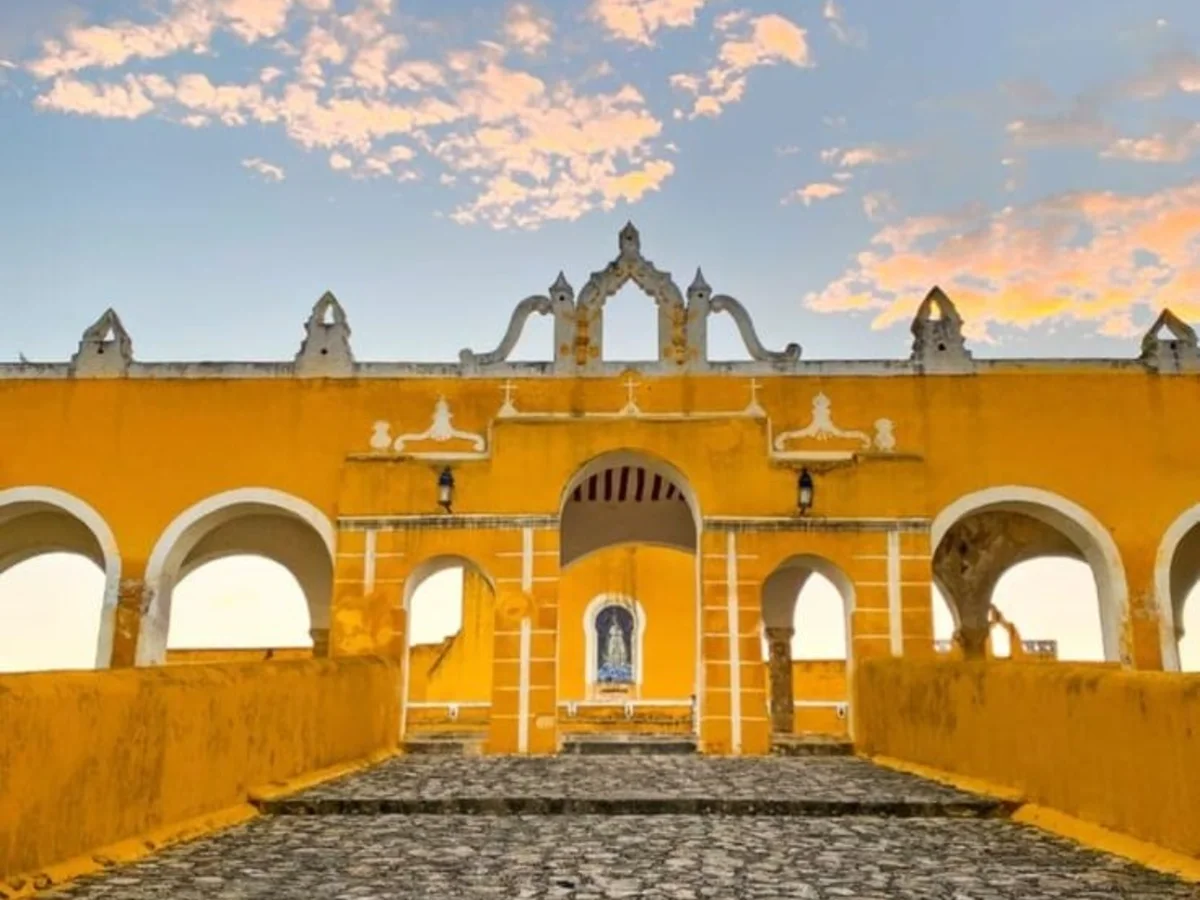
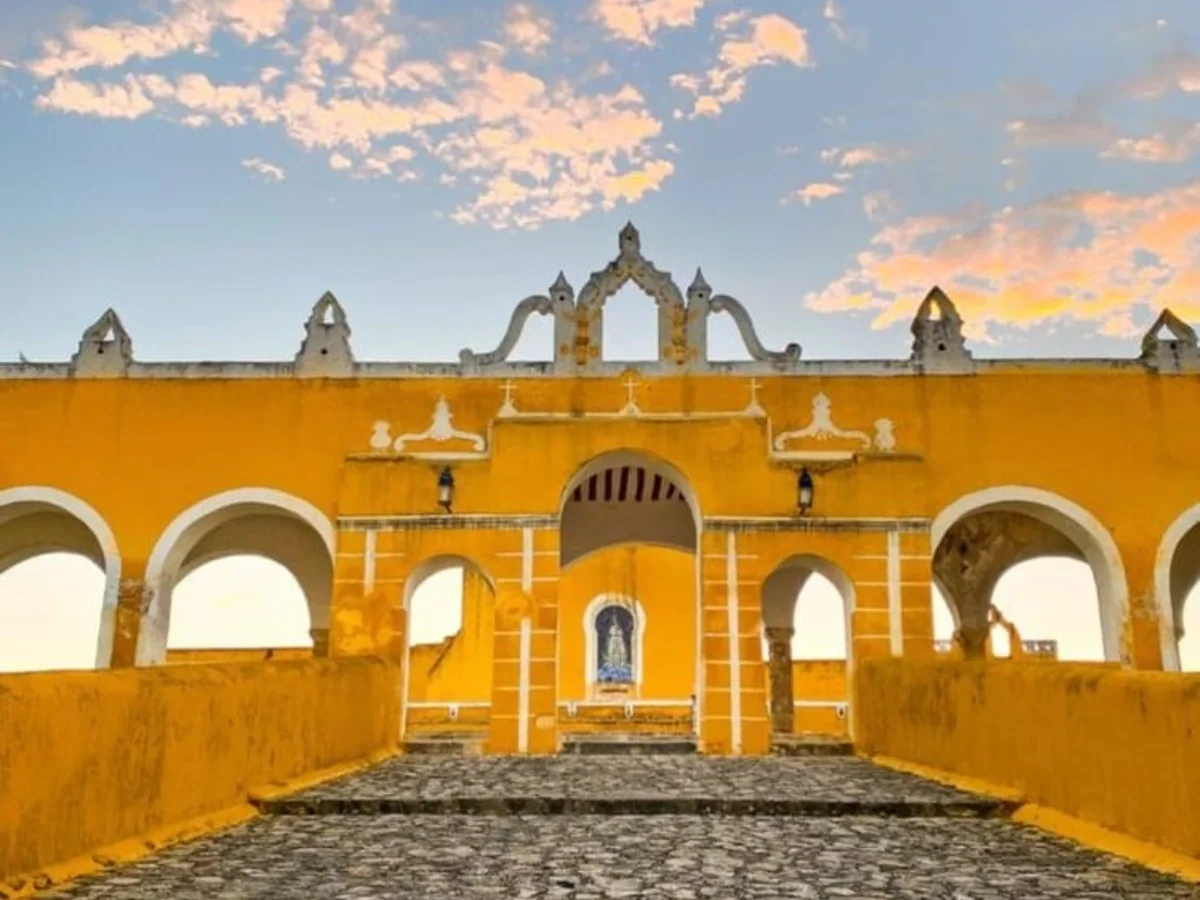
- 9:00 AM San Antonio de Padua Convent — The story of the 16th-century Franciscan convent told in its atrium, then free time to walk the yellow town.
- 11:15 AM Chichén Itzá — Guided walk through the Temple of Kukulkán, the Sacred Cenote, the Ball Court, the Tzompantli and the Jaguars and Eagles platform.
- 1:45 PM Regional lunch in Kaua — Buffet of Yucatecan dishes: cochinita, relleno negro, lime soup and meat-free options.
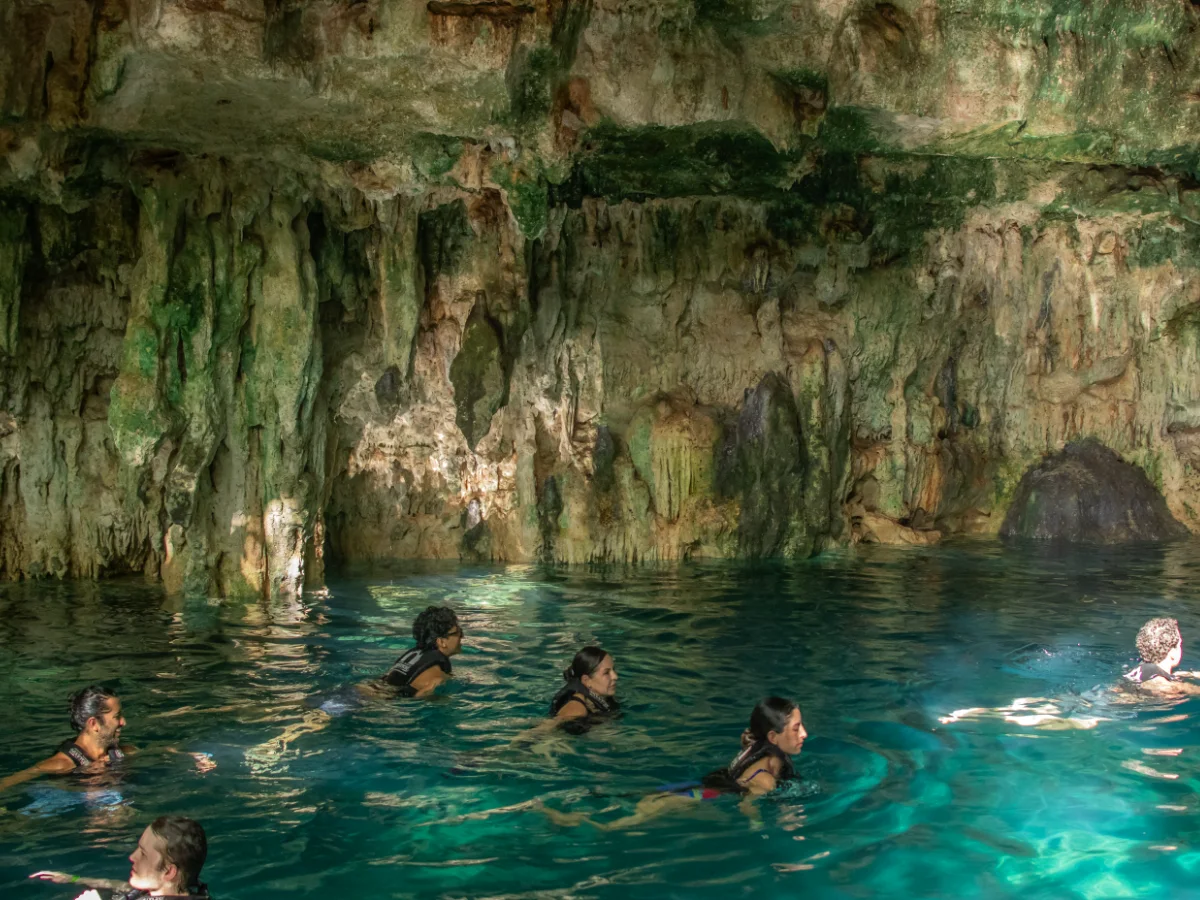
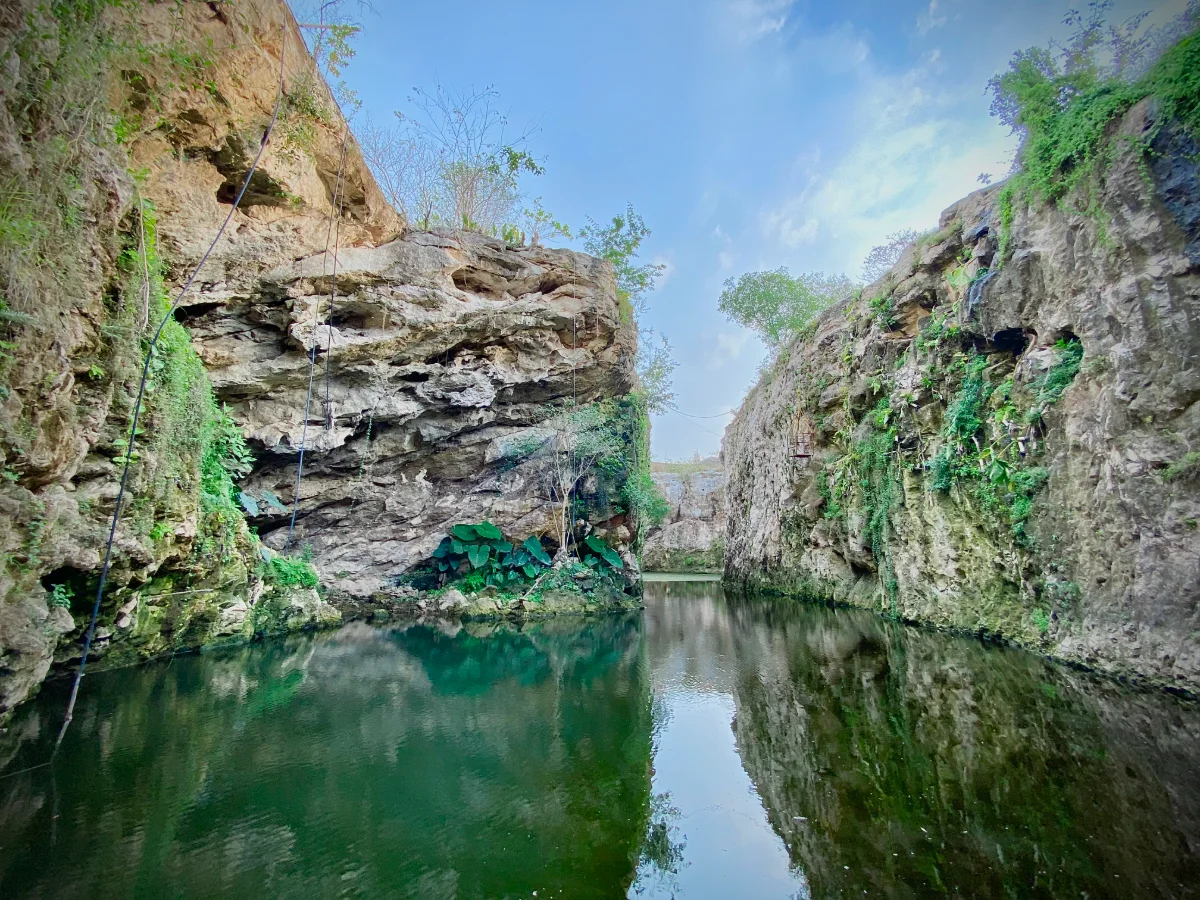
- 3:00 PM Selva Maya cenote — The swim lands exactly when the sun is at its worst. Changing rooms and showers on site.
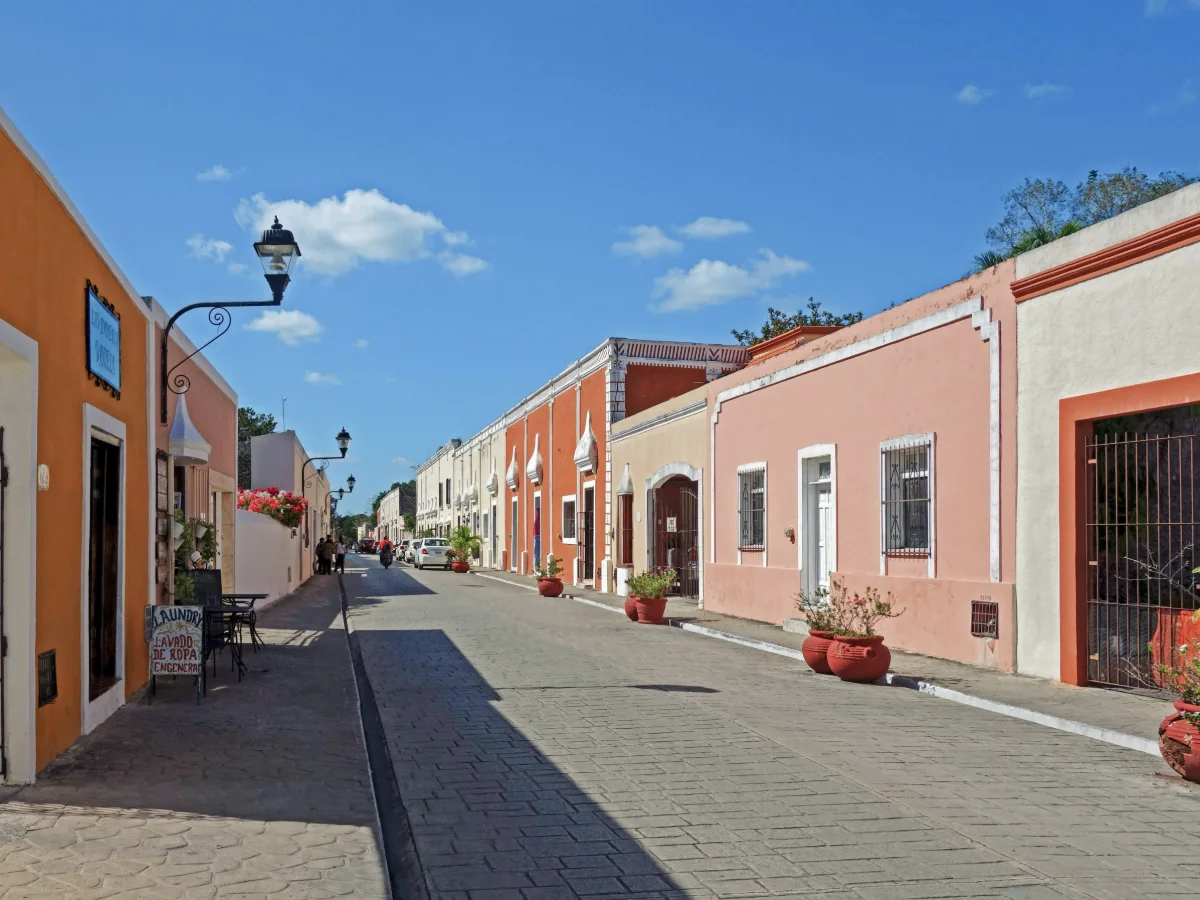
- 4:20 PM Valladolid — Francisco Cantón Rosado park with its original railings, the church of San Servacio and the murals in the town hall.
- 8:00 PM Back in Mérida — We drop you off where the day started.
Included: Air-conditioned transport, General culture guide, Regional buffet lunch
Not included: Chichén Itzá entrance, Cenote entrance, Drinks
Archaeology · 11 h
Maya Train, Chichén Itzá and Izamal
The Mérida–Izamal leg by train, the rest by road
from $1,600 MXN per person
See itinerary
8:00 AM – 7:00 PM · daily
- 8:00 AM Transfer to the station — From the office to the Maya Train station in Mérida.
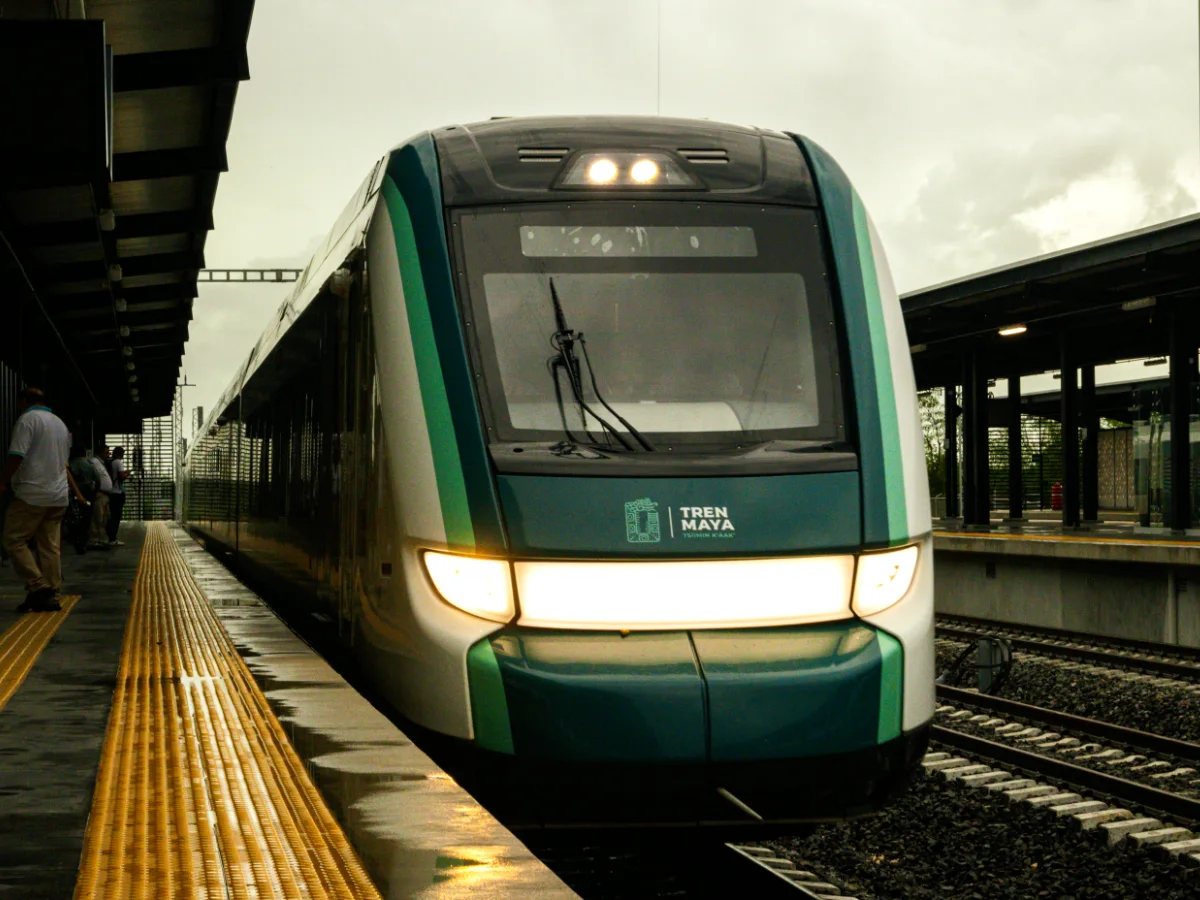
- 9:18 AM Maya Train ride — Forty minutes from Mérida to Izamal. Ticket included.
- 10:15 AM Izamal — The yellow town, the three-tier Baroque altarpiece and free time on the main square.
- 12:30 PM Chichén Itzá — Guided walk through the Sacred Cenote, the Temple of Kukulkán, the Jaguars and Eagles platform and the Ball Court.
- 2:30 PM Lunch in Kaua — Buffet of typical regional dishes.
- 3:45 PM Selva Maya cenote — The swim of the day, with the heat already easing off.
- 5:00 PM Back to Mérida — Two hours on the road back.
Included: Transport, General culture guide, Maya Train ticket Mérida–Izamal, Midday meal
Not included: Chichén Itzá entrance, Cenote entrance, Drinks
Transfers · 10.5 h
Transfer to Uxmal and Yaxcopoil
The Puuc route at your own pace, with the van waiting
from $2,550 MXN per vehicle
 Coupon −$300 MXN per person
Caribbean · 14 h
Tulum and the Casa Tortuga cenotes
The only Maya city built facing the Caribbean
from $2,500 MXN per person
See itinerary
6:00 AM – 8:00 PM · daily
- 6:00 AM Boarding — We leave from the downtown office. If your accommodation is on the way, we collect you there — agreed beforehand on WhatsApp.
- 6:30 AM Motorway to the rest stop — An hour and three quarters, with fifteen minutes for toilets and something light.
- 8:30 AM On to Tulum — An hour and a half more to the Quintana Roo coast.
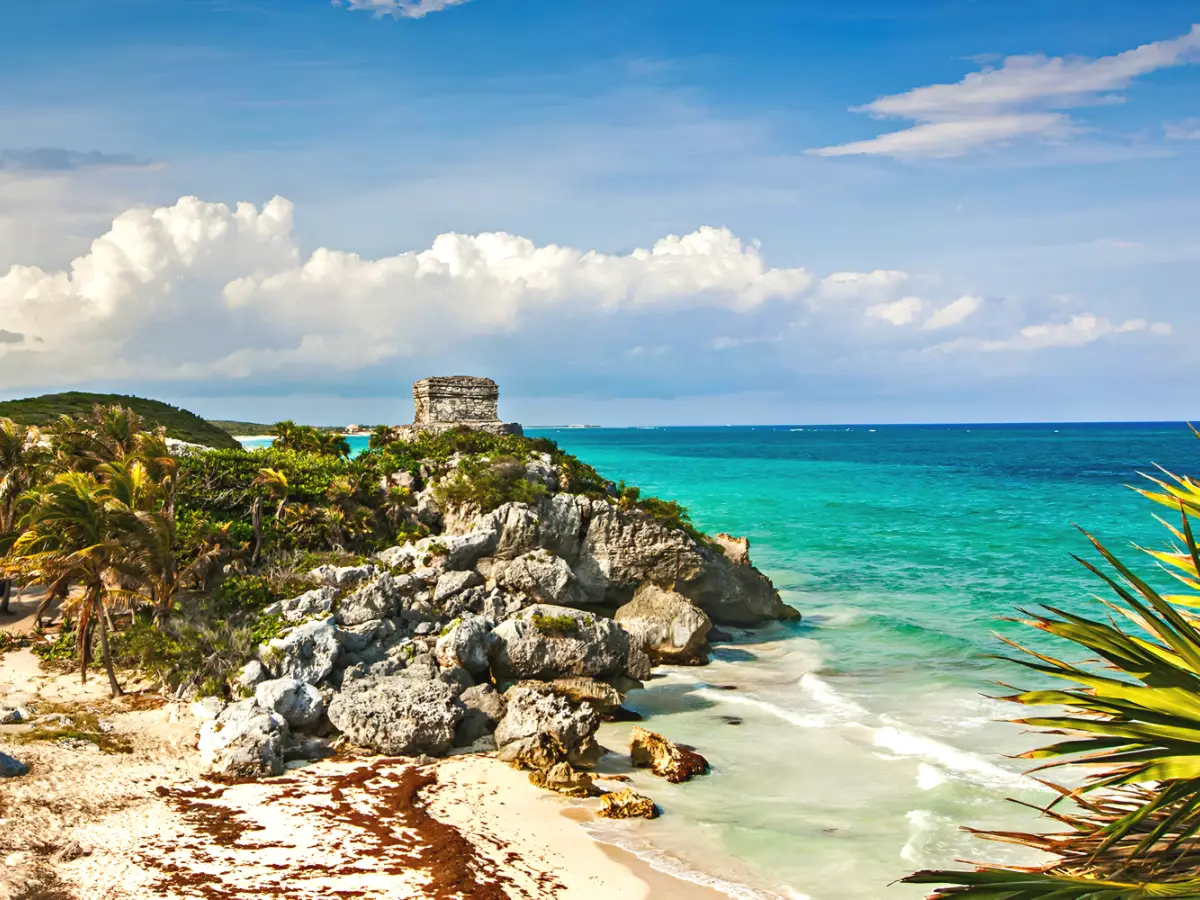
- 10:00 AM Tulum archaeological site — Guided visit to the walled city: El Castillo, the Temple of the Frescoes and the Temple of the Descending God, with the sea behind.
- 12:15 PM Casa Tortuga cenotes and lunch — Four cenotes of different kinds, with a guided route, trails and changing rooms. Lunch is on site.
- 4:00 PM Back to Mérida — Four hours back, with a stop halfway.
Included: Guide accredited by the Ministry of Tourism, Round-trip transport, Lunch, Cenote entry
Not included: Tulum archaeological site entrance, Drinks
Frequently asked questions
How many days are in the Maya calendar?
The Tzolk'in has 260 days and the Haab' 365; they were used together.
What is the Calendar Round?
The combination of the Tzolk'in and Haab', which repeats every 52 years of 365 days.
What is the Long Count?
A system for counting long periods with cumulative units.
Where do Maya calendars survive?
In inscriptions and in codices such as the Dresden Codex.