A region and a style
"Puuc" refers to a hilly region in southwestern Yucatán and northeastern Campeche, and to the architectural style that flourished there. An INAH note dates its development roughly between 500 and 1000 CE.
How to recognize it
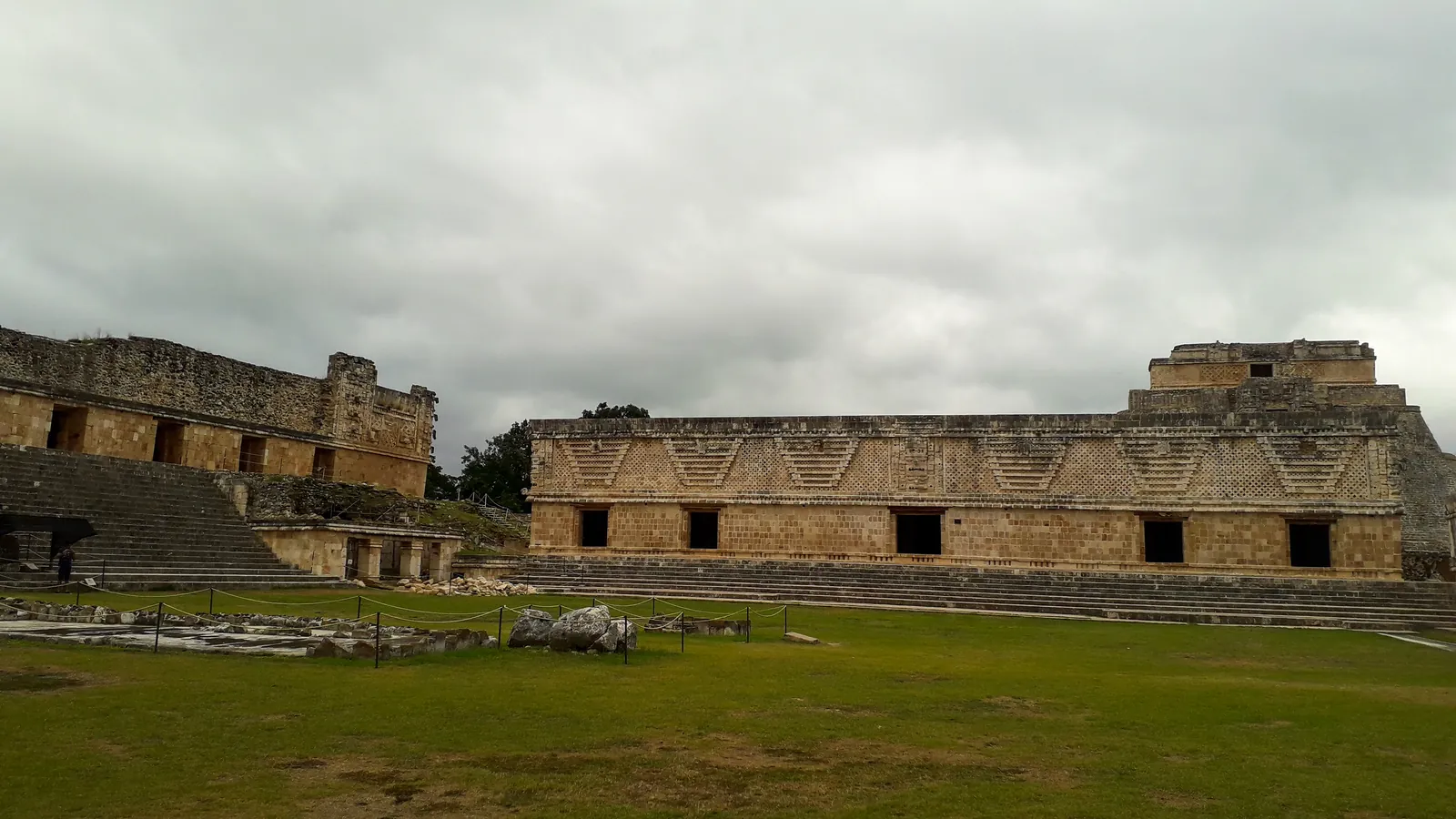
- Stone mosaics: thousands of carved pieces fitted together on the upper façade.
- Chaac masks: faces of the rain god with his curled nose.
- Frets and geometric panels.
- Roof combs and columns on some buildings.
- Human and animal figures blended with geometry.
Architecture and water
The Puuc region had very little surface water, so the style goes hand in hand with ways to store it, such as chultuns, underground cisterns cut into the rock. It's no accident that Chaac, the rain god, is everywhere on the façades.
Where to see it
Mexico's INAH associates sites such as Uxmal, Kabah, Sayil, Xlapak, Labná and Oxkintok with the Puuc. Uxmal, World Heritage since 1996, is the best known and the easiest to reach from Mérida.
Tips
- Look up: the decoration is concentrated high on the walls.
- Bring binoculars or use your camera zoom for details.
- Side light in the morning or late afternoon brings out the relief.
The Puuc from Mérida
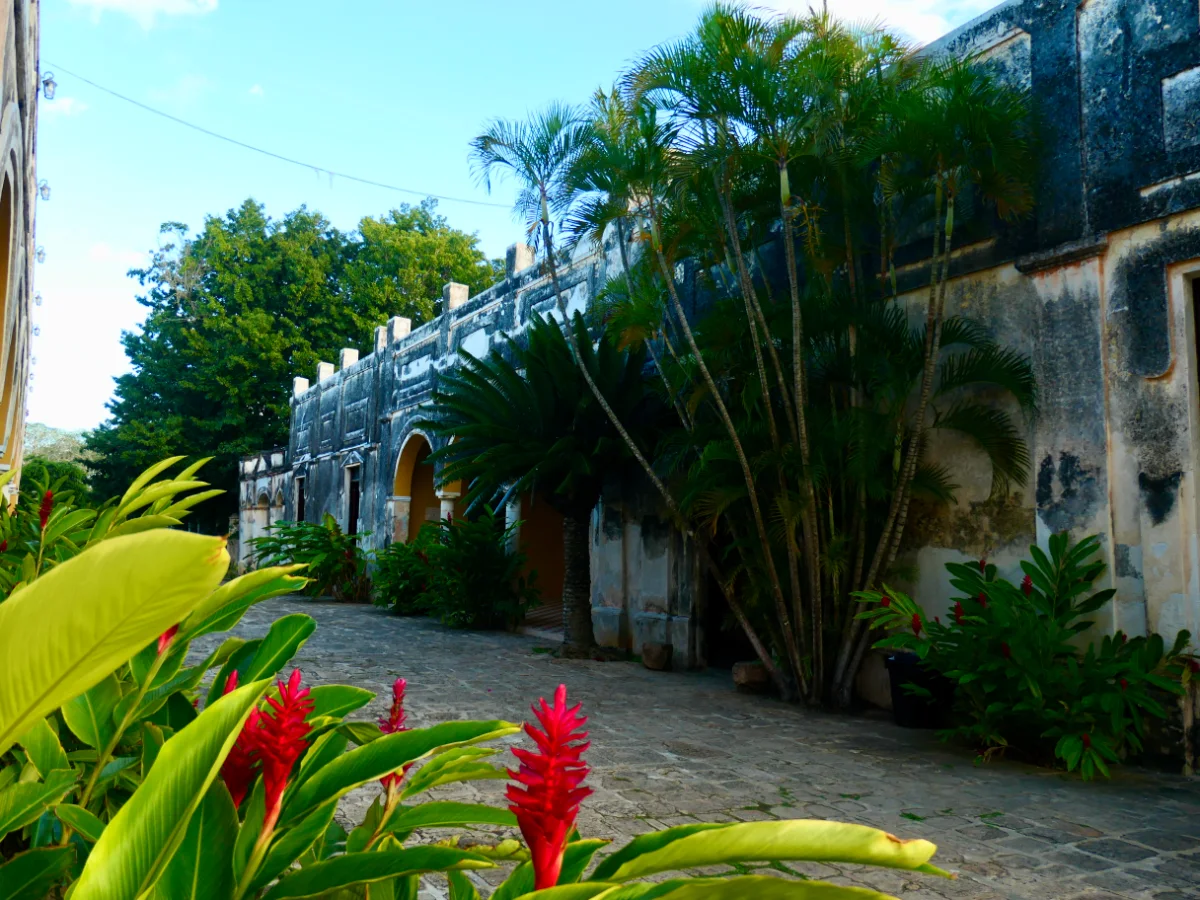
Uxmal is the best gateway to the Puuc style. Mary Tours' Uxmal and Yaxcopoil transfer takes your group by air-conditioned van to the Uxmal ruins, the former Yaxcopoil hacienda, Cenote Peba and the Chocolate Museum; entrance fees are extra and the driver waits at each stop. The office is at Calle 61 #518-B in Mérida's historic center; schedule and price are in the booking section.
| Element | What it is |
|---|---|
| Stone mosaic | Carved pieces fitted into the façade |
| Chaac mask | Face of the rain god |
| Fret | Stepped geometric motif |
| Chultun | Underground water cistern |
Fun facts
- Puuc façades were assembled from thousands of carved stones.
- The Puuc region has almost no cenotes.
- Uxmal has been World Heritage since 1996.
Related tours
Transfers · 10.5 h
Transfer to Uxmal and Yaxcopoil
The Puuc route at your own pace, with the van waiting
from $2,550 MXN per vehicle
Cenotes · 7 h
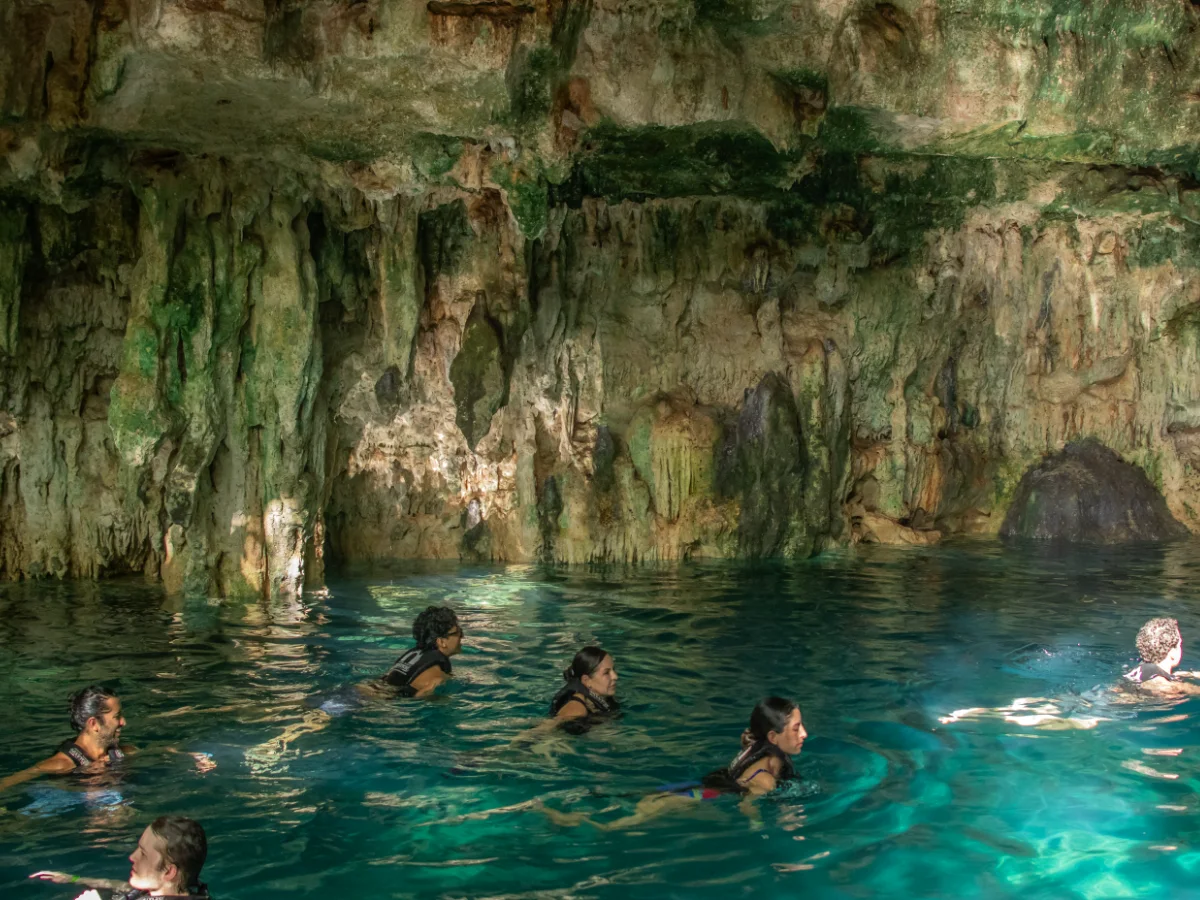
Hacienda Mucuyché
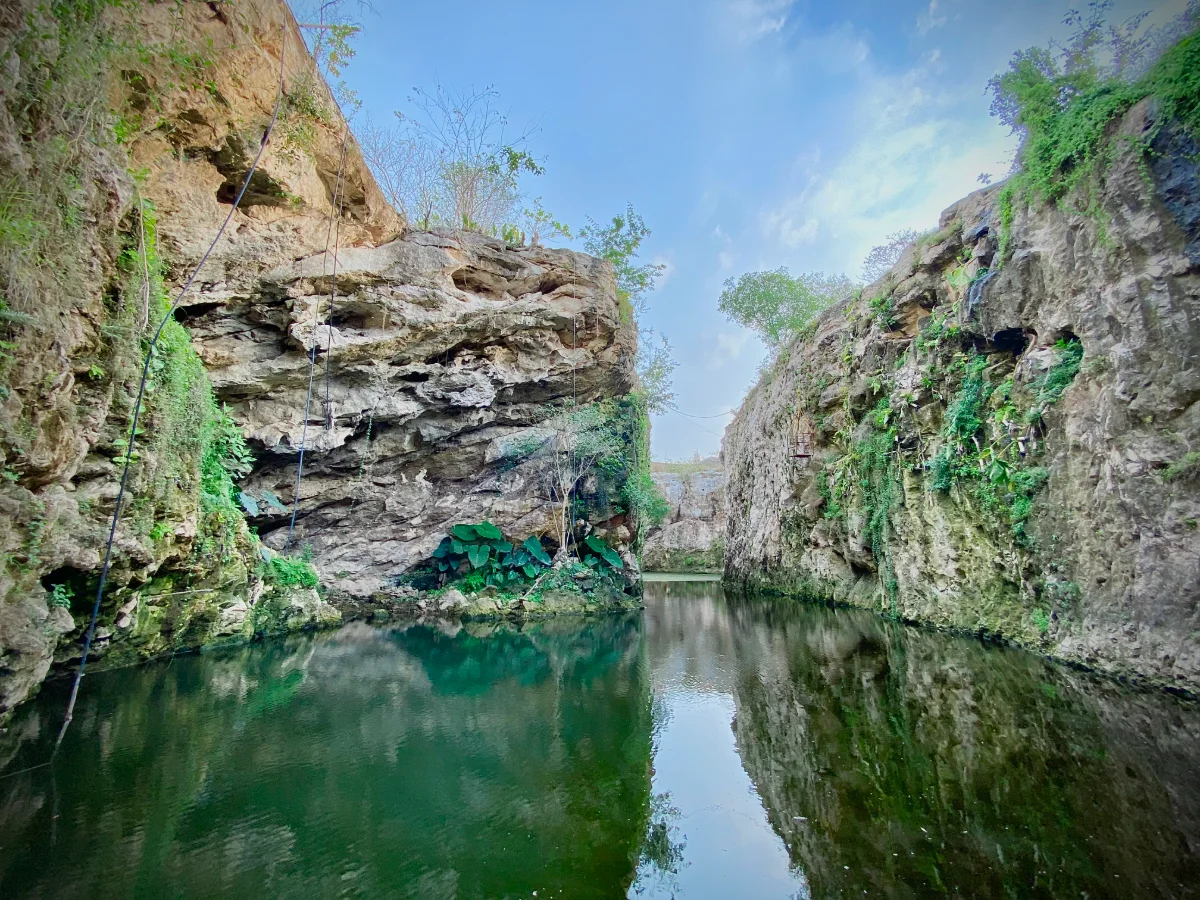
A stone channel joining two cenotes
from $1,800 MXN per person
See itinerary
9:30 AM – 4:00 PM · daily
- 9:30 AM Departure from the office — An hour on the road to the estate, in the municipality of Abalá.
- 10:30 AM Check-in and historical tour — A guide from the estate itself explains how the henequen business worked and what survives of it.
- 11:00 AM Carlota and Azul Maya cenotes — Two hours in the water. To move between the cenotes you cross the channel, swimming or along the stone path.
- 1:00 PM Time for lunch — Yucatecan food at the estate restaurant, paid per order. There is a pool for anyone who wants to stay in the water.
- 3:00 PM Back to Mérida — An hour back.
Included: Transport, Guide, Entry to the hacienda and cenotes
Not included: Food, Drinks
Archaeology · 11 h
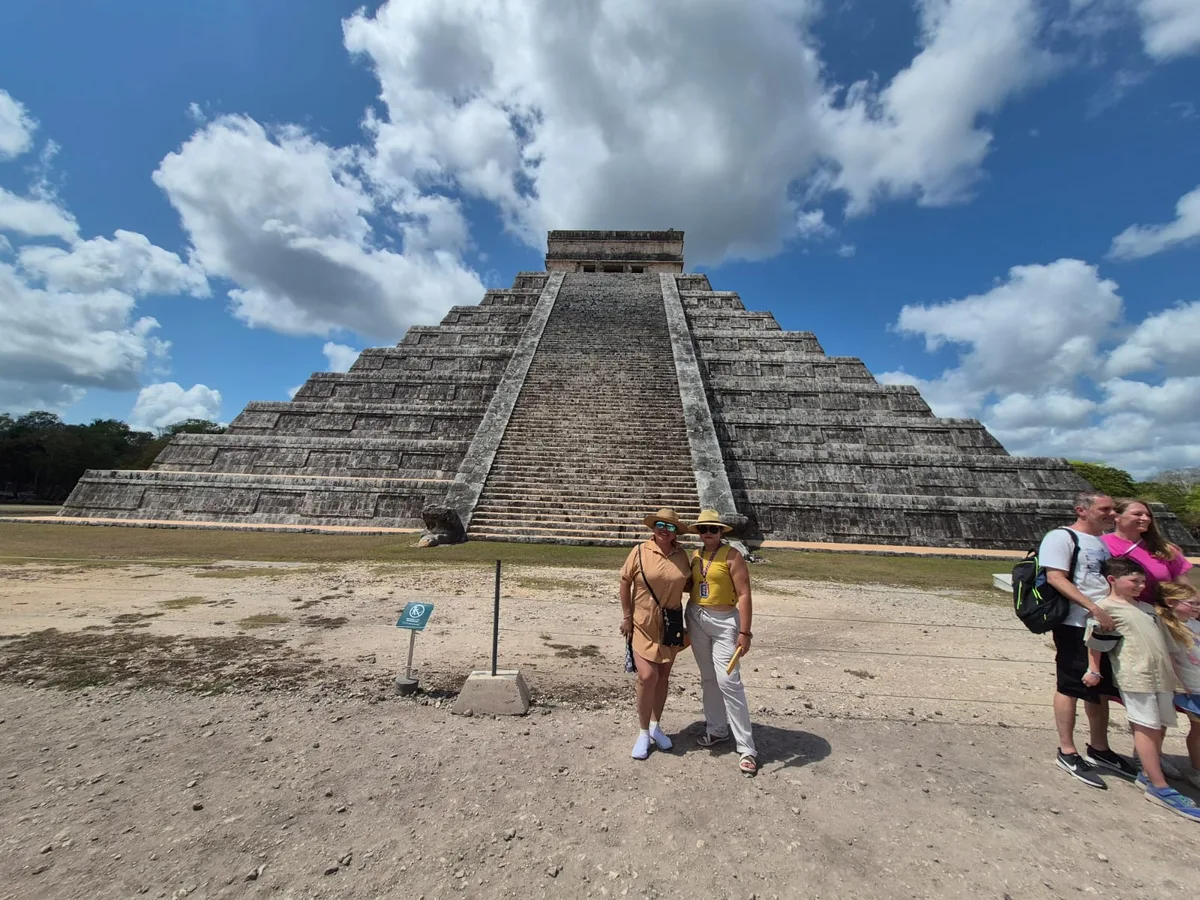
Chichén Itzá, Izamal and Valladolid
Four stops in one day, and none of them rushed
from $1,200 MXN per person
See itinerary
8:00 AM – 8:00 PM · daily
- 8:00 AM Departure from the office — An hour on the road to Izamal. The guide uses the drive to set up what comes next.
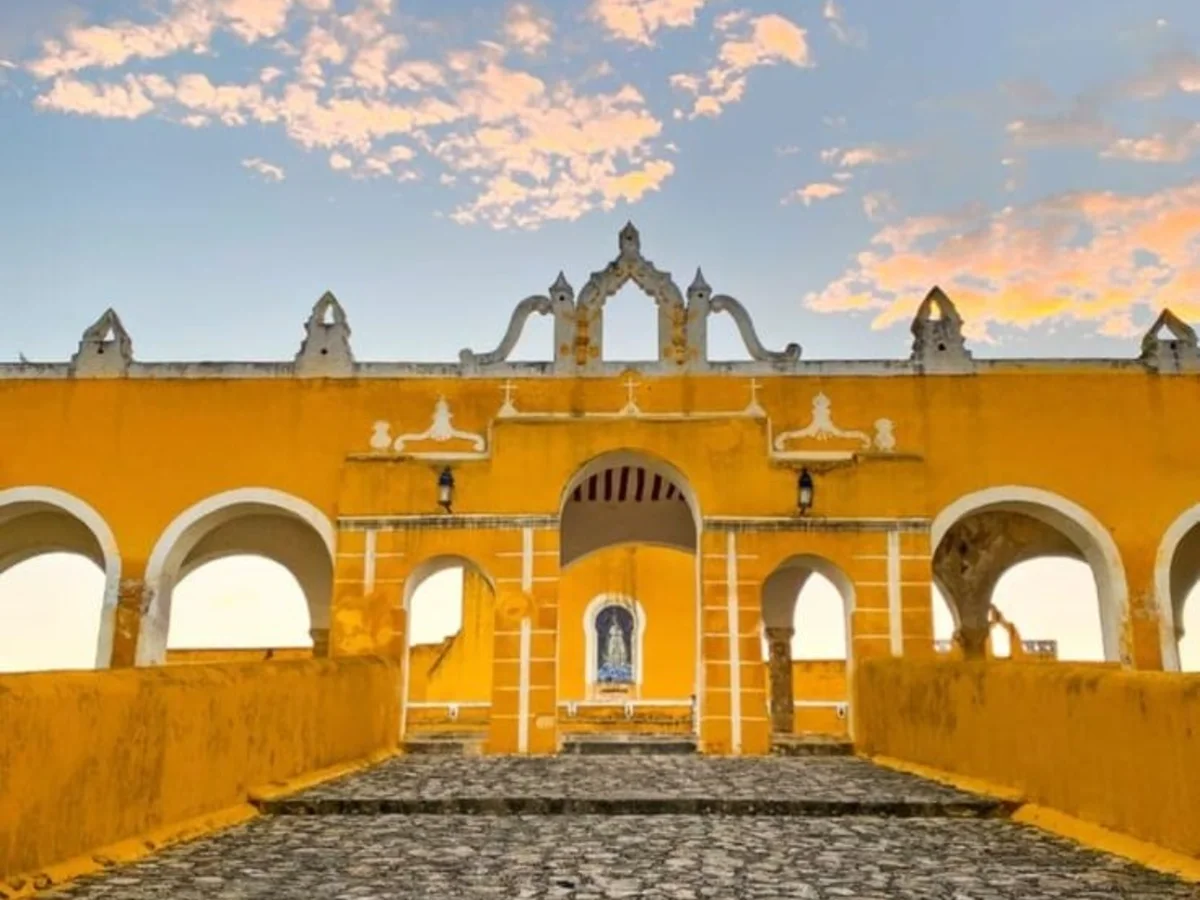
- 9:00 AM San Antonio de Padua Convent — The story of the 16th-century Franciscan convent told in its atrium, then free time to walk the yellow town.
- 11:15 AM Chichén Itzá — Guided walk through the Temple of Kukulkán, the Sacred Cenote, the Ball Court, the Tzompantli and the Jaguars and Eagles platform.
- 1:45 PM Regional lunch in Kaua — Buffet of Yucatecan dishes: cochinita, relleno negro, lime soup and meat-free options.
- 3:00 PM Selva Maya cenote — The swim lands exactly when the sun is at its worst. Changing rooms and showers on site.
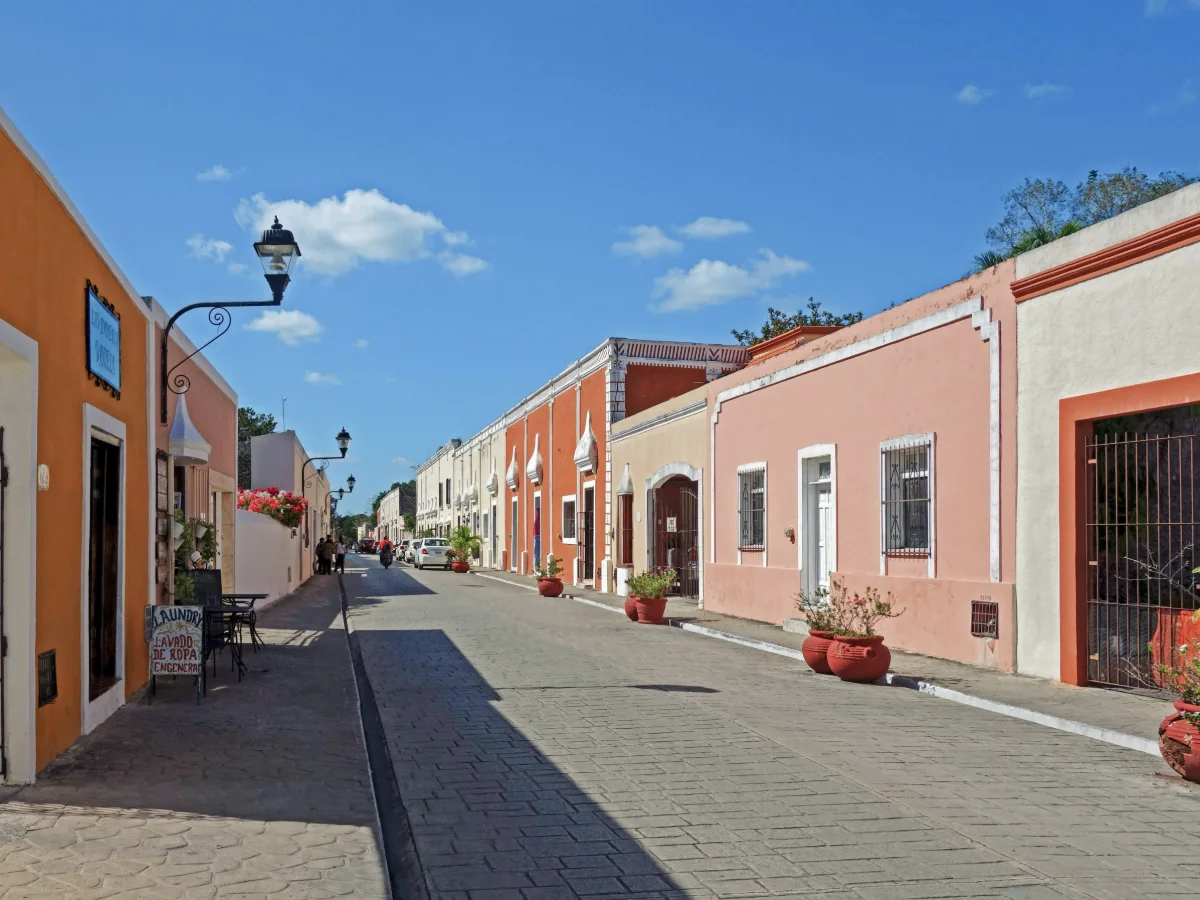
- 4:20 PM Valladolid — Francisco Cantón Rosado park with its original railings, the church of San Servacio and the murals in the town hall.
- 8:00 PM Back in Mérida — We drop you off where the day started.
Included: Air-conditioned transport, General culture guide, Regional buffet lunch
Not included: Chichén Itzá entrance, Cenote entrance, Drinks
Frequently asked questions
What does Puuc mean?
It's the name of a hilly region in southwestern Yucatán and northeastern Campeche, and of its architectural style.
Which sites are Puuc style?
Uxmal, Kabah, Sayil, Xlapak, Labná and Oxkintok, among others.
When did it develop?
Roughly between 500 and 1000 CE.
Why are there so many Chaac masks?
Chaac is the rain god, vital in a region with little surface water.