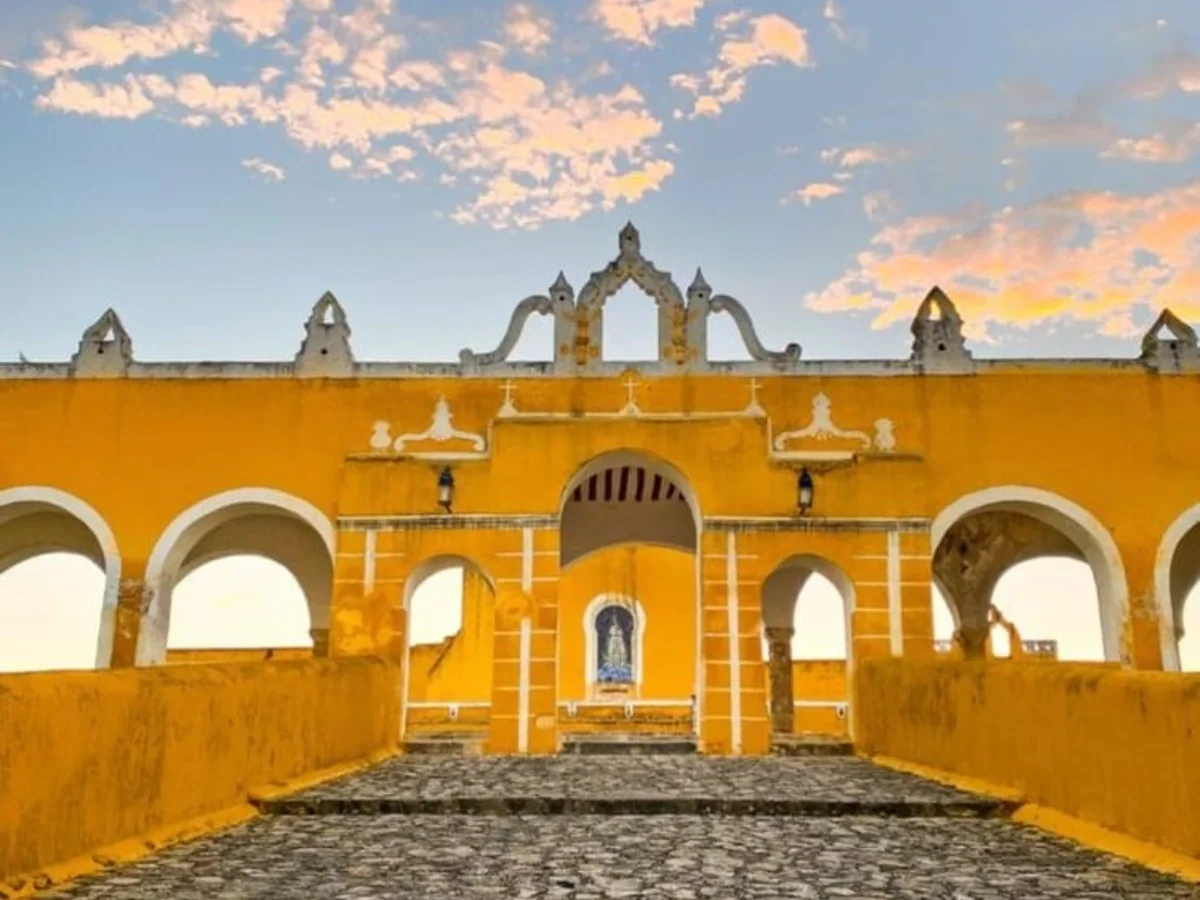
What a henequen hacienda was
Mexico's INAH describes haciendas as complexes that brought together land, housing and production facilities. Decorticating mills processed the leaves to extract fiber bound for rope-making and international markets.
Layers of history
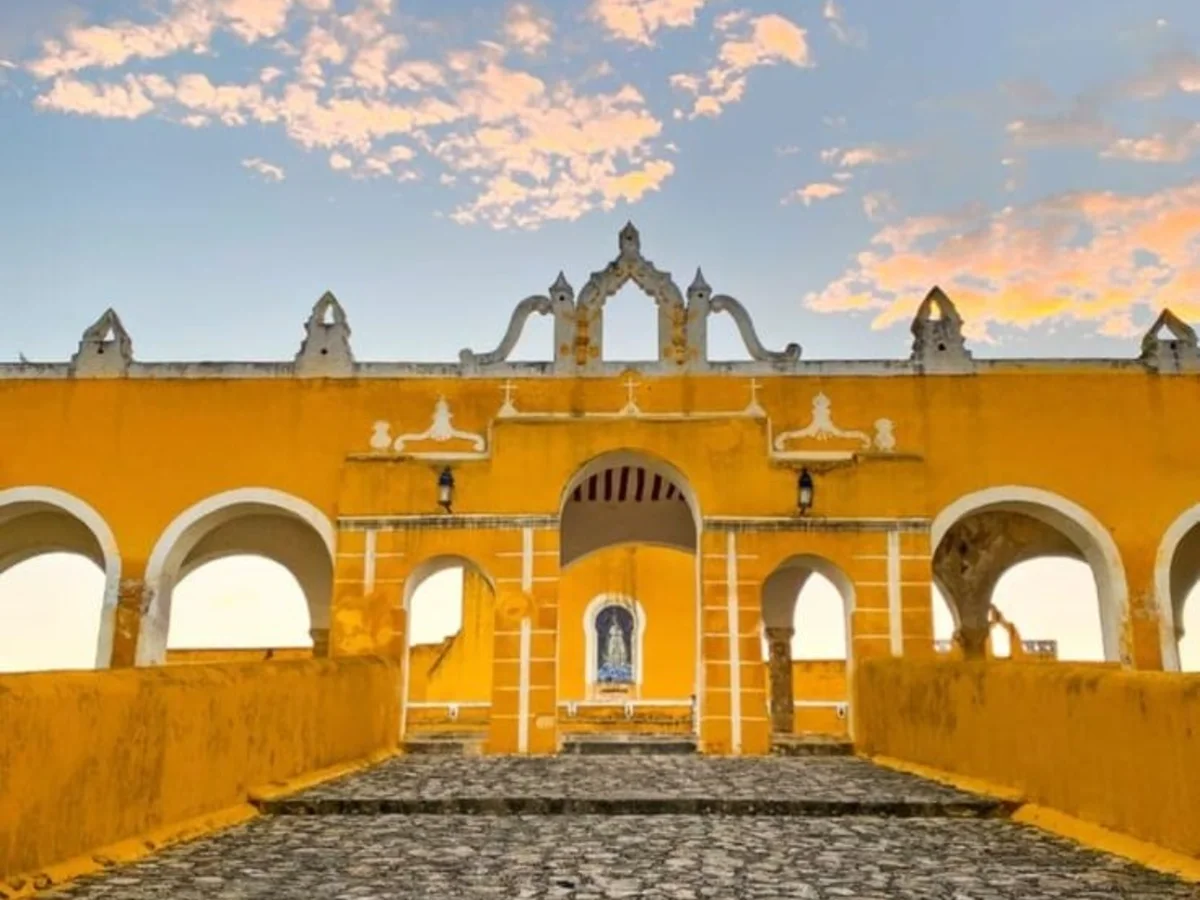
INAH's record for one hacienda notes pre-Hispanic, colonial and henequen phases: a single hacienda may keep buildings from different eras.
Trains, Mérida and Progreso
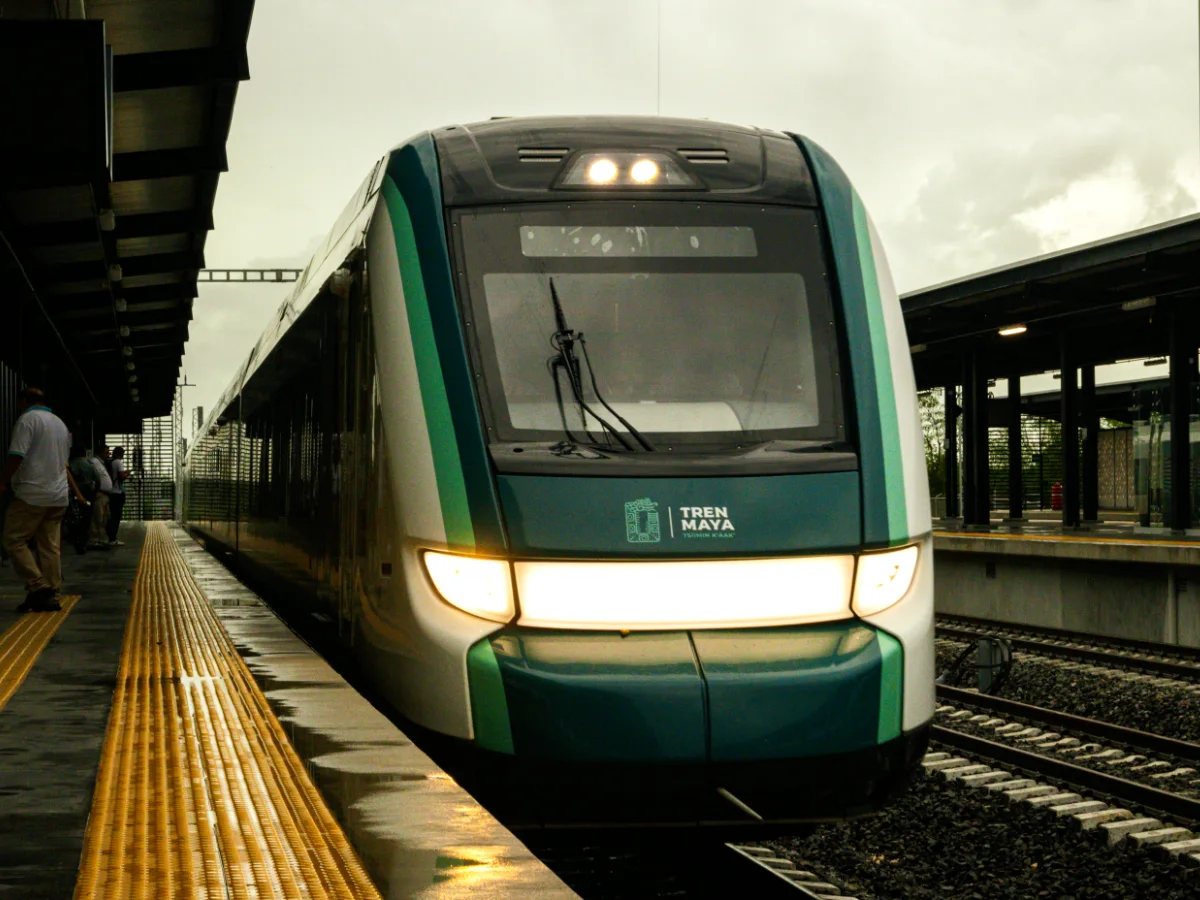
Railways carried supplies and henequen between the haciendas, Mérida and the port of Progreso. The henequen zone was concentrated in northwestern Yucatán.
Haciendas today
At some properties fiber production ended after more than a century, and many haciendas are partly ruined by time. INAH records their production infrastructure as material heritage. Visiting depends on each property's access and operation.
Tips
- Visit haciendas with public access; many are private property.
- Wear comfortable shoes: the grounds are large.
- Ask about surviving decorticating machines.
Haciendas on trips from Mérida
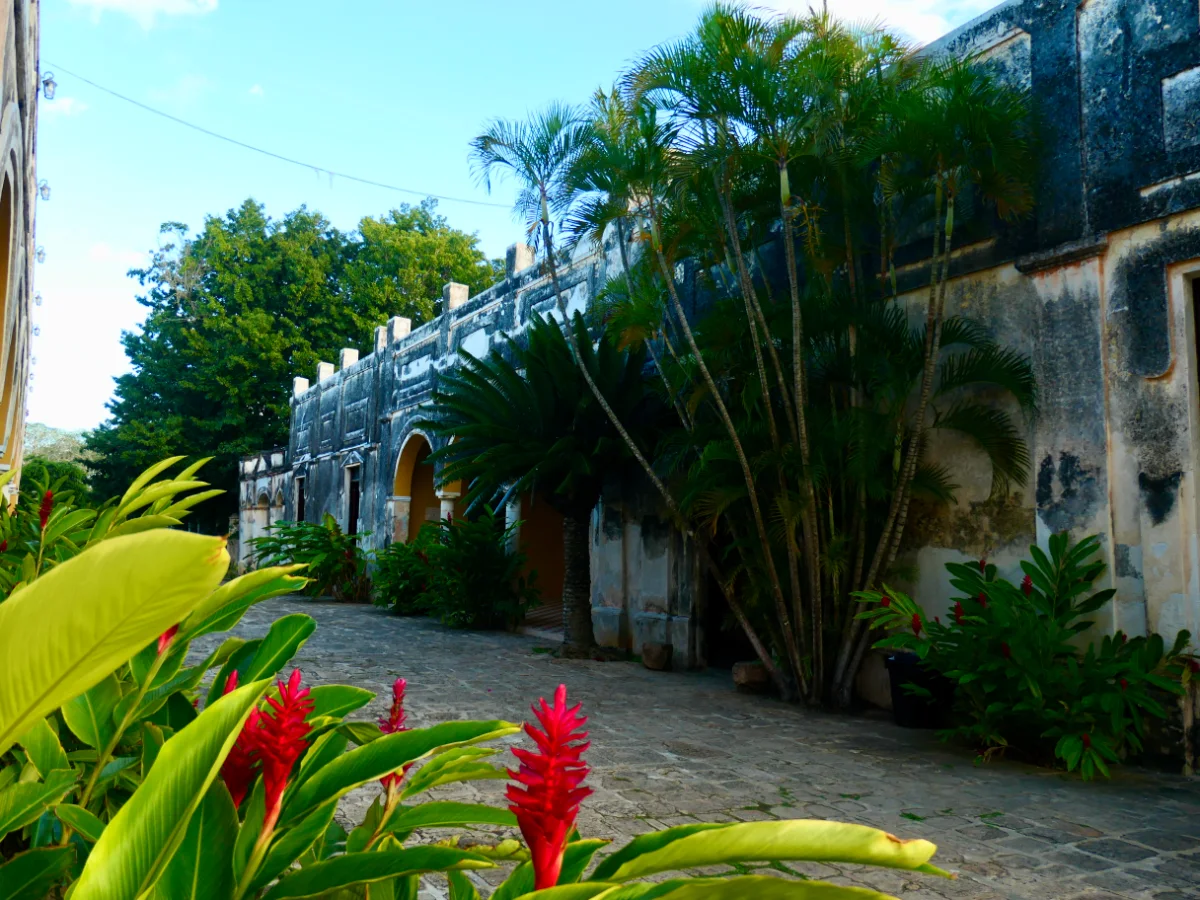
Mary Tours' Hacienda Mucuyché trip includes a history tour with a hacienda guide and two cenotes. The Uxmal transfer stops at the former Yaxcopoil hacienda, which you enter on your own. The office is on Calle 61 in downtown Mérida; prices are in the booking section.
Fun facts
- Decorticating mills stripped fiber from the leaves.
- Railways linked haciendas with the port of Progreso.
- Some haciendas produced fiber for over a century.
Related tours
Cenotes · 7 h
Hacienda Mucuyché
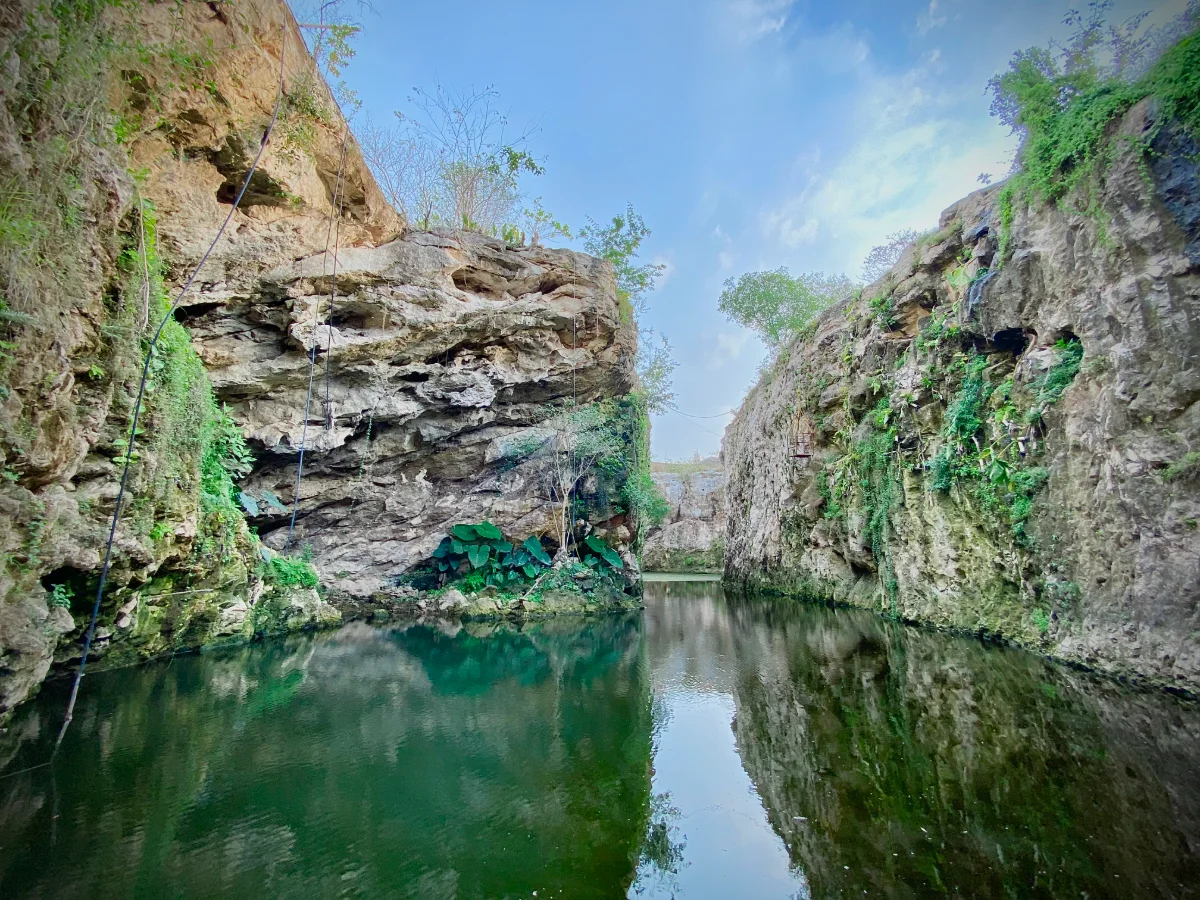
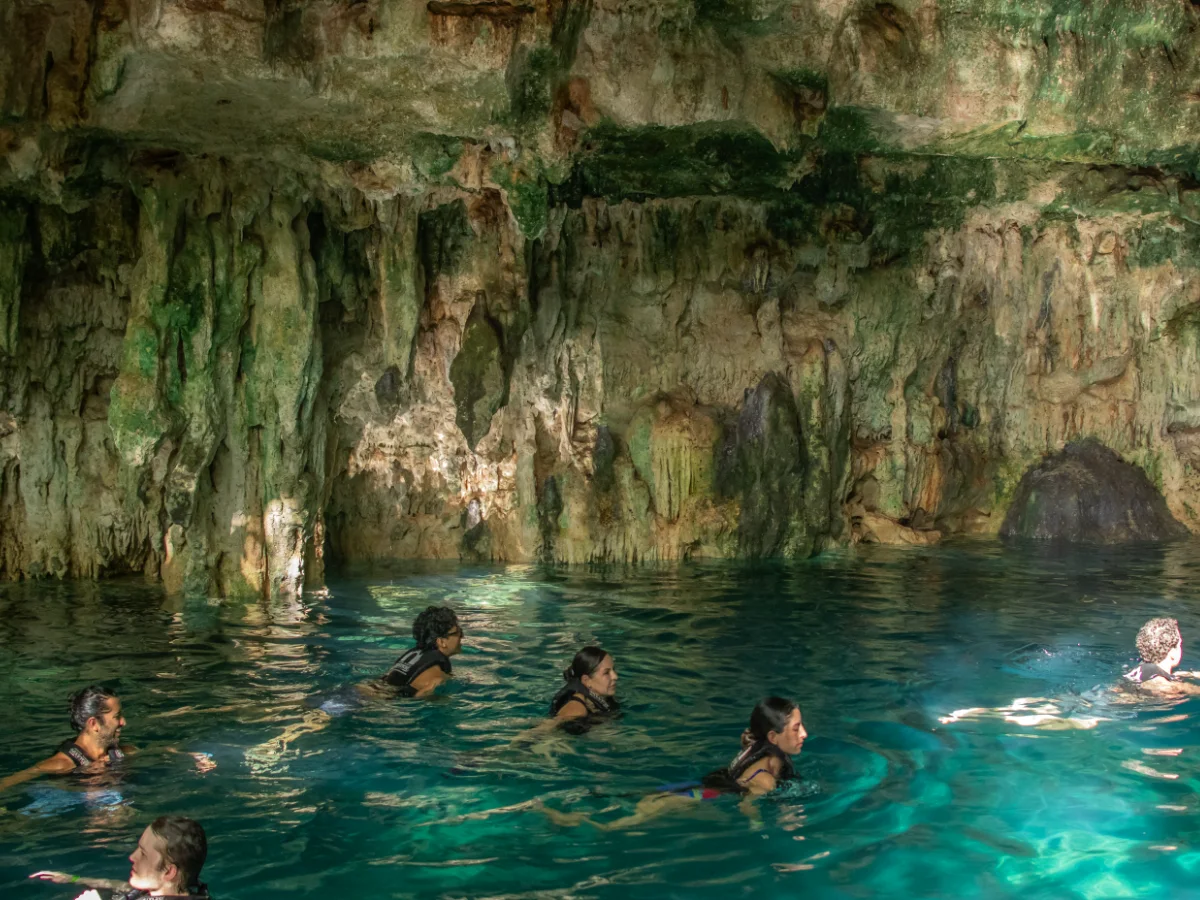
A stone channel joining two cenotes
from $1,800 MXN per person
See itinerary
9:30 AM – 4:00 PM · daily
- 9:30 AM Departure from the office — An hour on the road to the estate, in the municipality of Abalá.
- 10:30 AM Check-in and historical tour — A guide from the estate itself explains how the henequen business worked and what survives of it.
- 11:00 AM Carlota and Azul Maya cenotes — Two hours in the water. To move between the cenotes you cross the channel, swimming or along the stone path.
- 1:00 PM Time for lunch — Yucatecan food at the estate restaurant, paid per order. There is a pool for anyone who wants to stay in the water.
- 3:00 PM Back to Mérida — An hour back.
Included: Transport, Guide, Entry to the hacienda and cenotes
Not included: Food, Drinks
Transfers · 10.5 h
Transfer to Uxmal and Yaxcopoil
The Puuc route at your own pace, with the van waiting
from $2,550 MXN per vehicle
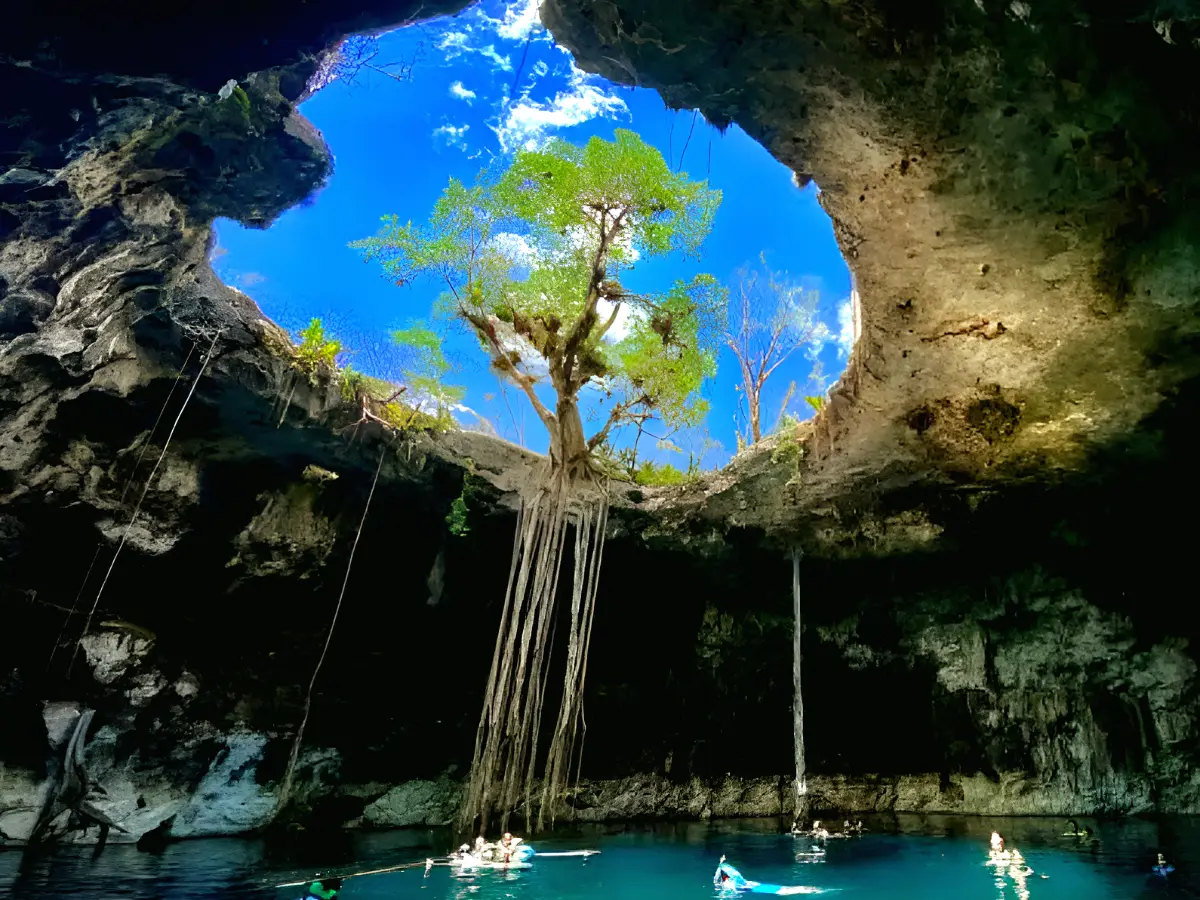
Cenotes · 7 h
The four cenotes of Santa Bárbara
Four different cenotes and a lunch made by hand
from $1,450 MXN per person
See itinerary
10:00 AM – 5:00 PM · daily
- 10:00 AM Departure from the office — An hour on the road to Homún, through the ring of cenotes.
- 11:00 AM Cascabel cenote — Closed, cave type. You descend inside and the water sits in half-light: the most striking of the four.
- 11:30 AM Chaksikín cenote — Semi-open. You go down between limestone walls painted with Maya-themed murals.
- 12:00 PM Xooch cenote — Semi-open, with a shaft of light that falls straight onto the water mid-morning.
- 12:30 PM Pool Cocom cenote — Open and surrounded by vegetation. You swim along a channel out to the wide part.
- 1:30 PM Regional lunch — Home cooking with hand-made tortillas. Plenty of time to eat without rushing.
- 4:00 PM Back to Mérida — An hour back, arriving around five.
Included: Transport, Certified guide, Entry to all four cenotes, Regional lunch
Not included: Drinks with lunch
Frequently asked questions
What was a henequen hacienda?
A production center with fields, housing and mills to process henequen.
When was their heyday?
The late 19th and early 20th centuries.
Where were they?
Mainly in northwestern Yucatán.
Which hacienda can I visit from Mérida?
Mucuyché, on a guided trip, or Yaxcopoil, with the Uxmal transfer.