A native plant
Mexico's INAH explains that henequen, called ki in Maya, needs little water, withstands high temperatures and adapts to limestone soils. It even records natural northern varieties called Chelem and Sisal.
A fiber for the world
Its strong fiber was used for rope, and INAH links it to British naval use. The industry connected Yucatán's haciendas with an international market, and the fiber became known in trade as sisal, after the port it shipped from.
The boom: late 19th to early 20th century
An INAH study places the crop's strongest expansion between the late 19th and early 20th centuries. Industrialization brought decorticating machinery, and railways linked the haciendas with Mérida and Progreso. Its economic weight made henequen "green gold."
Its mark on the landscape
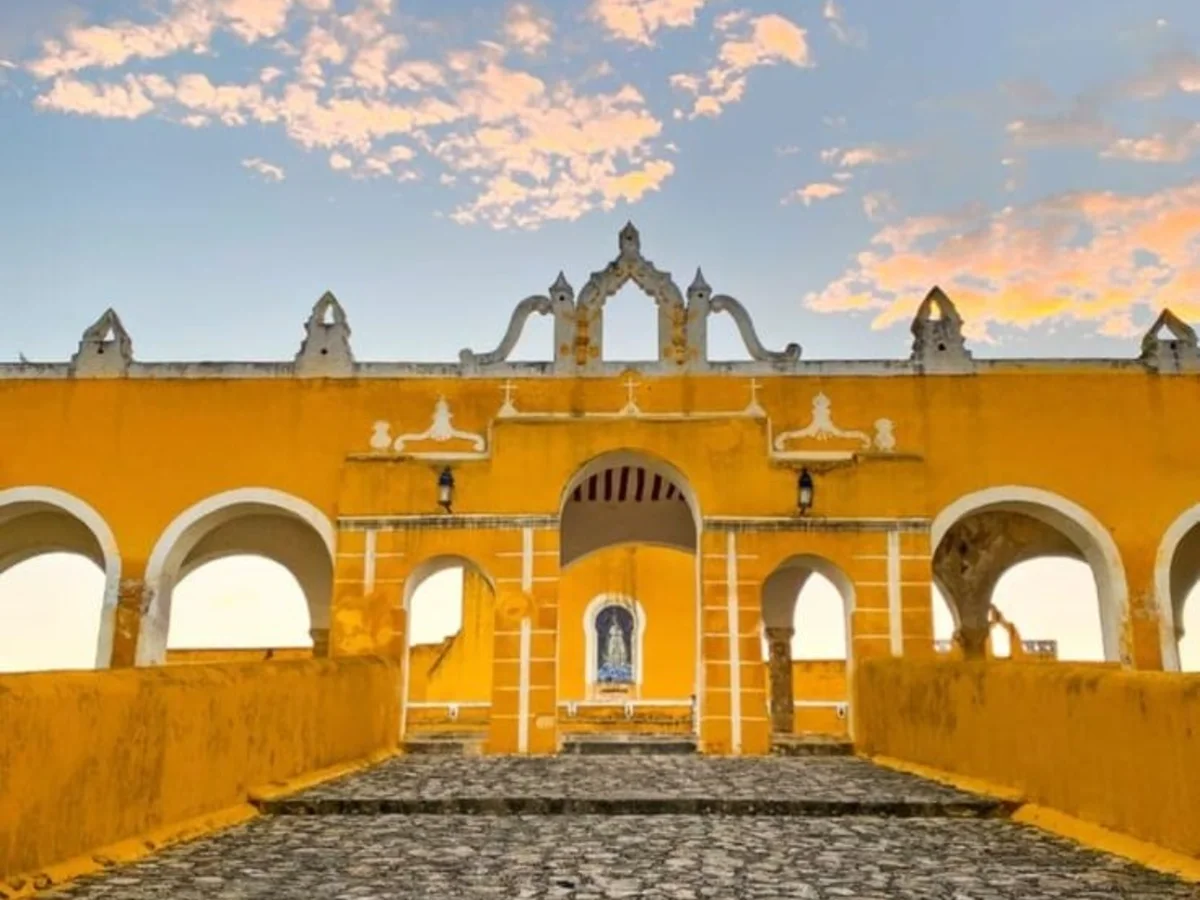
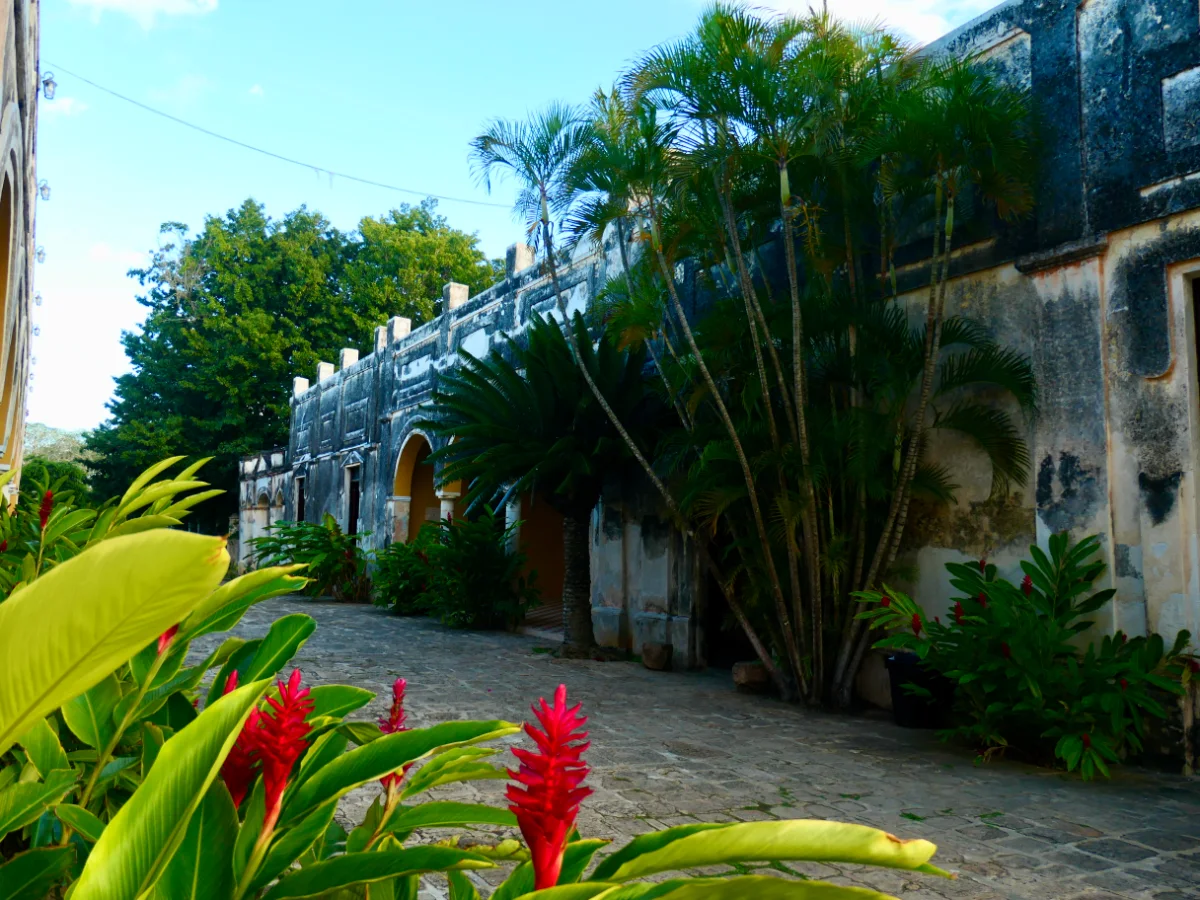
The henequen boom reshaped the region's landscape and architecture: haciendas with main houses, machine houses and workers' housing, and in Mérida the mansions of Paseo de Montejo. Value and output swung widely with economic cycles, and at some haciendas production ended after more than a century.
Visiting the history
- Many haciendas are partly in ruins; others have been restored.
- Access depends on each property.
Henequen from Mérida
On Mary Tours' Hacienda Mucuyché trip, a hacienda guide explains how the henequen business worked and what survives of it, before you swim in its cenotes. The Uxmal transfer includes the former henequen hacienda of Yaxcopoil. Both leave from Calle 61 in downtown Mérida.
Fun facts
- Henequen is called ki in Maya.
- Its fiber was used for British ships' rope.
- Railways linked haciendas, Mérida and Progreso.
Related tours
Cenotes · 7 h
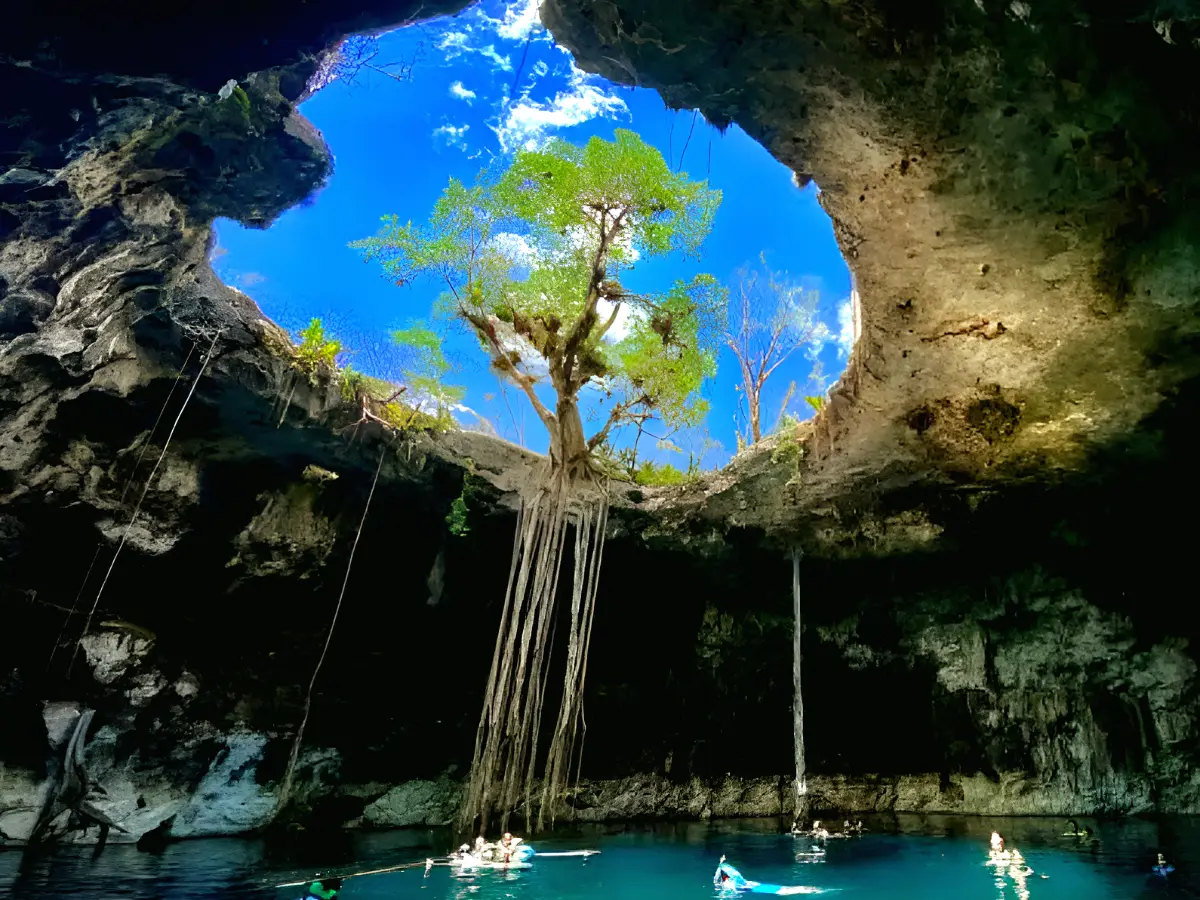
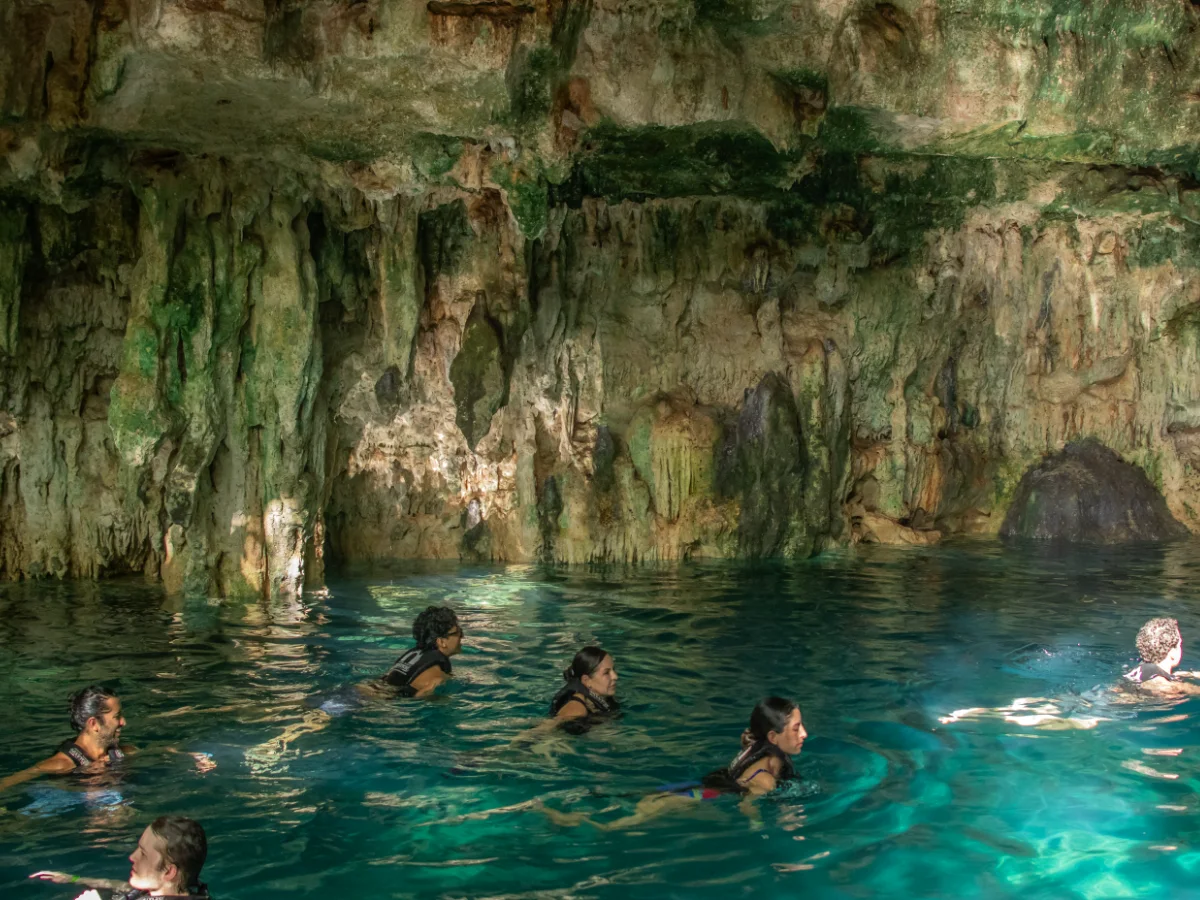
Hacienda Mucuyché
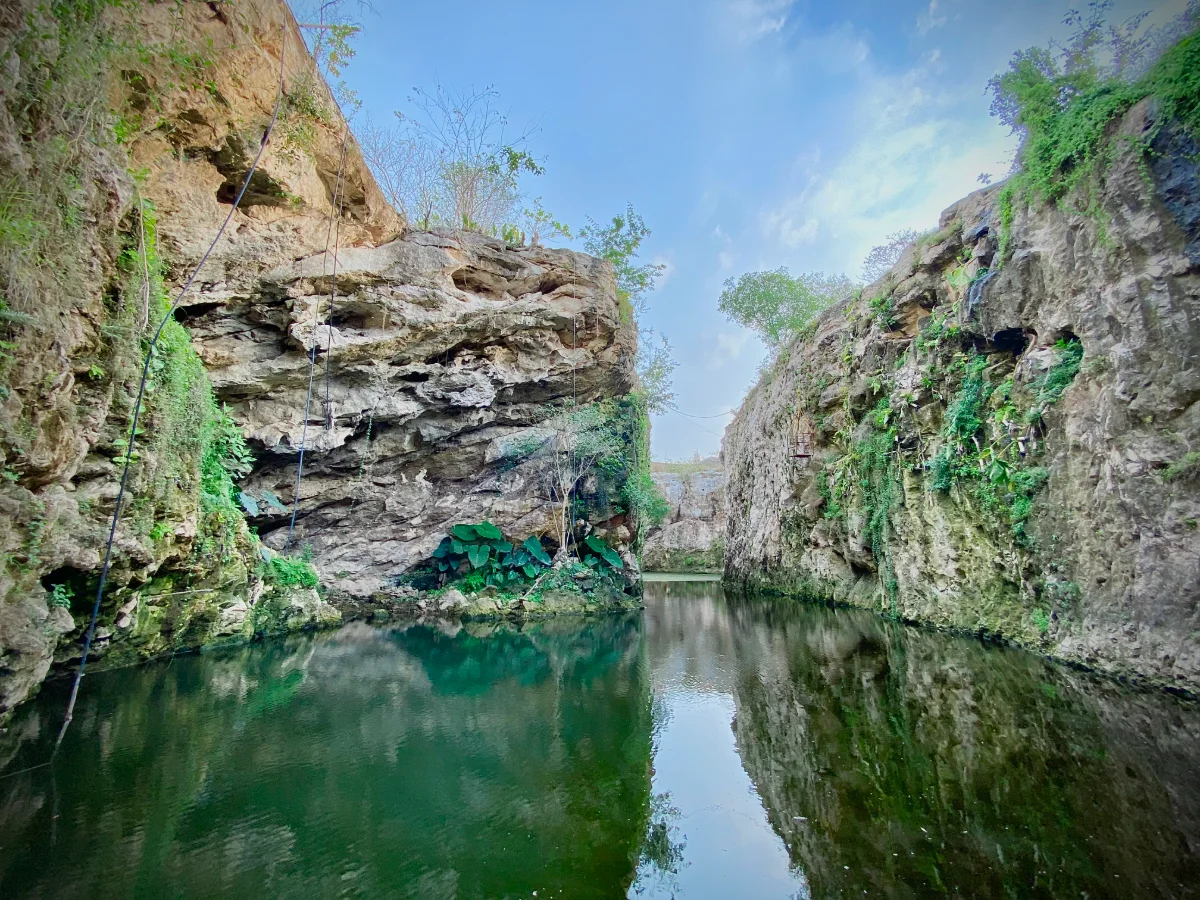
A stone channel joining two cenotes
from $1,800 MXN per person
See itinerary
9:30 AM – 4:00 PM · daily
- 9:30 AM Departure from the office — An hour on the road to the estate, in the municipality of Abalá.
- 10:30 AM Check-in and historical tour — A guide from the estate itself explains how the henequen business worked and what survives of it.
- 11:00 AM Carlota and Azul Maya cenotes — Two hours in the water. To move between the cenotes you cross the channel, swimming or along the stone path.
- 1:00 PM Time for lunch — Yucatecan food at the estate restaurant, paid per order. There is a pool for anyone who wants to stay in the water.
- 3:00 PM Back to Mérida — An hour back.
Included: Transport, Guide, Entry to the hacienda and cenotes
Not included: Food, Drinks
Transfers · 10.5 h
Transfer to Uxmal and Yaxcopoil
The Puuc route at your own pace, with the van waiting
from $2,550 MXN per vehicle
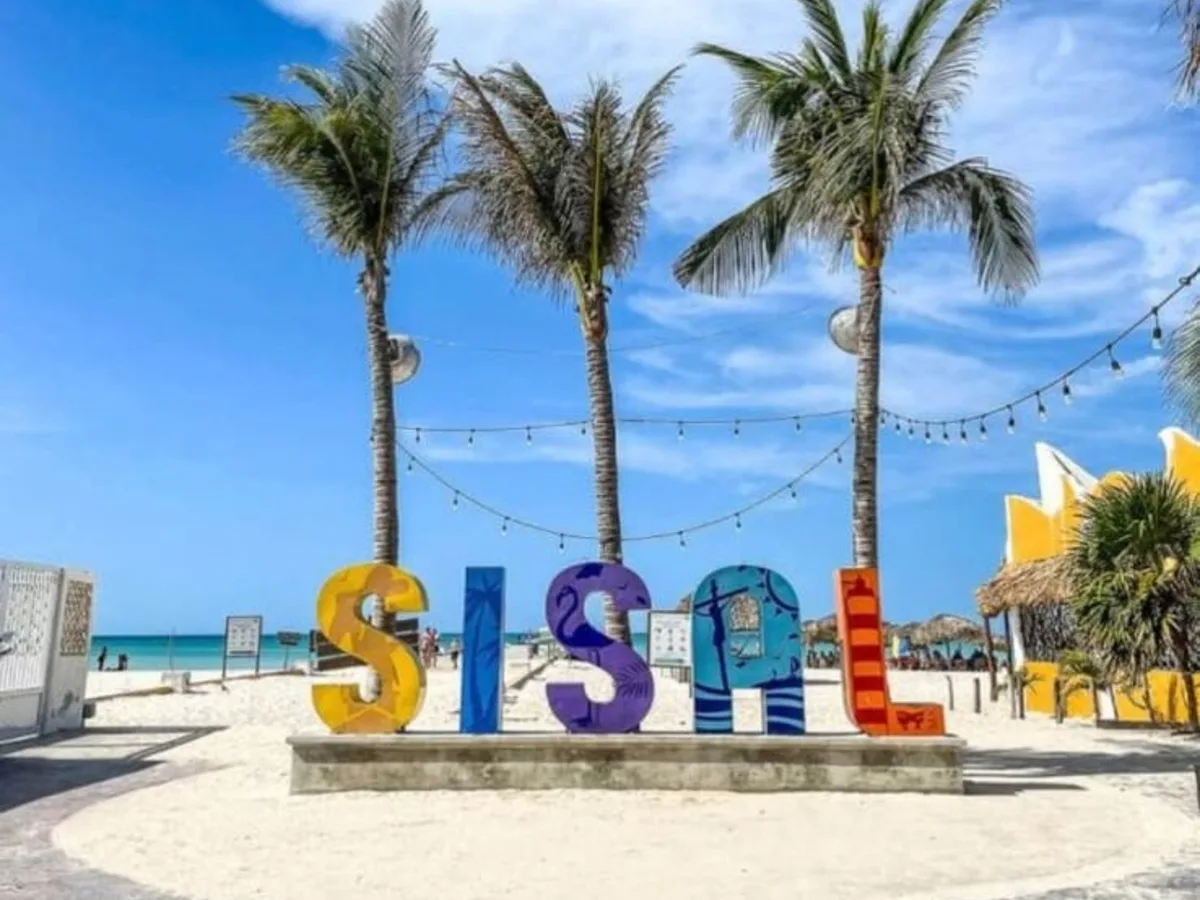
Beach · 9.5 h
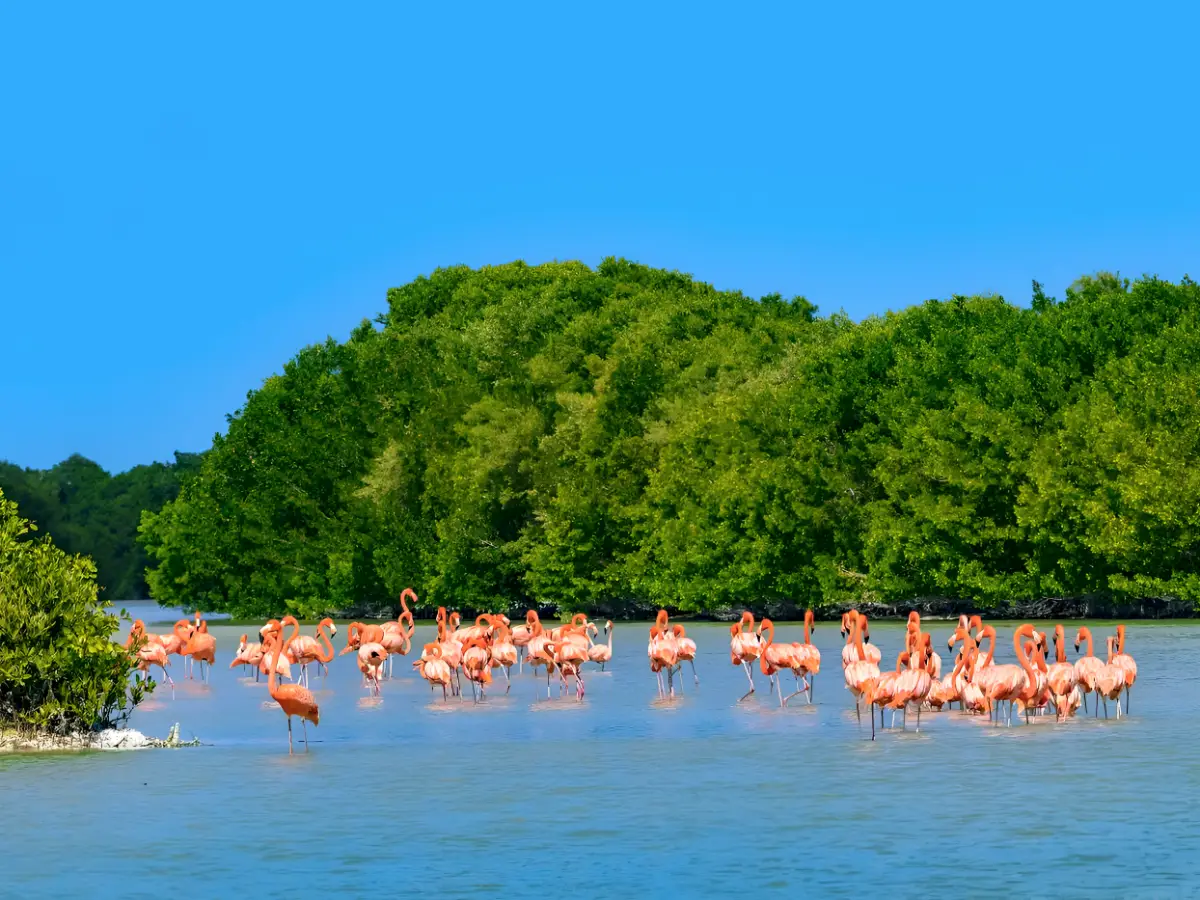
Sisal: kayak, flamingos and beach
A magic town that is still a fishing port
from $1,500 MXN per person
See itinerary
8:00 AM – 5:30 PM · daily
- 8:00 AM Departure from the office — An hour and a half on the road to the port.
- 10:00 AM Kayaking in the coastal wetland — A paddle by kayak or flat-bottomed boat through the mangrove, with birdwatching — pink flamingos included — and a dip in a freshwater spring.
- 11:45 AM Sisal beach — Over four hours free. There are seafood places along the shore and palapas you can rent for shade.
- 4:00 PM Back to Mérida — An hour and a half back.
Included: Transport, Kayaking in the coastal wetlands, Free time on the beach
Not included: Food, Drinks, Palapa rental
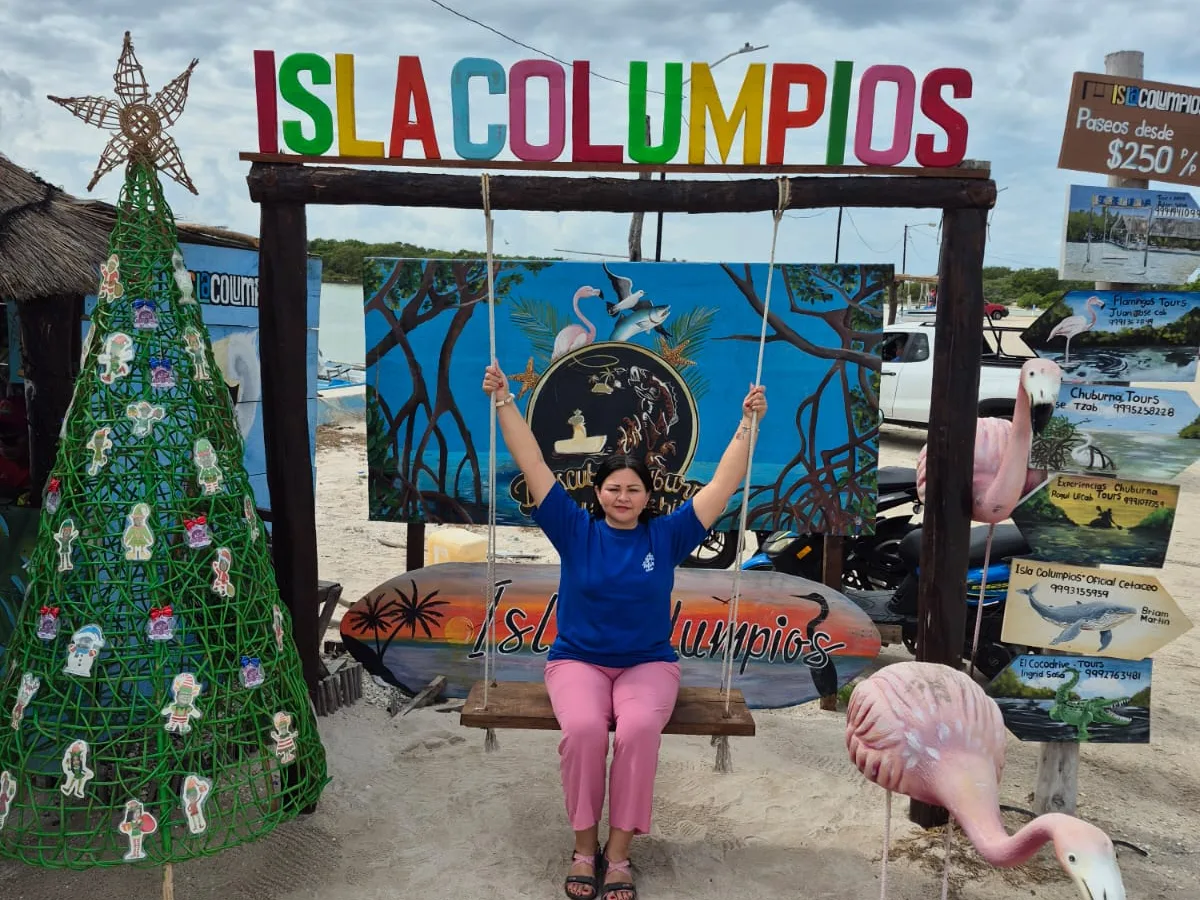
Beach · 8 h
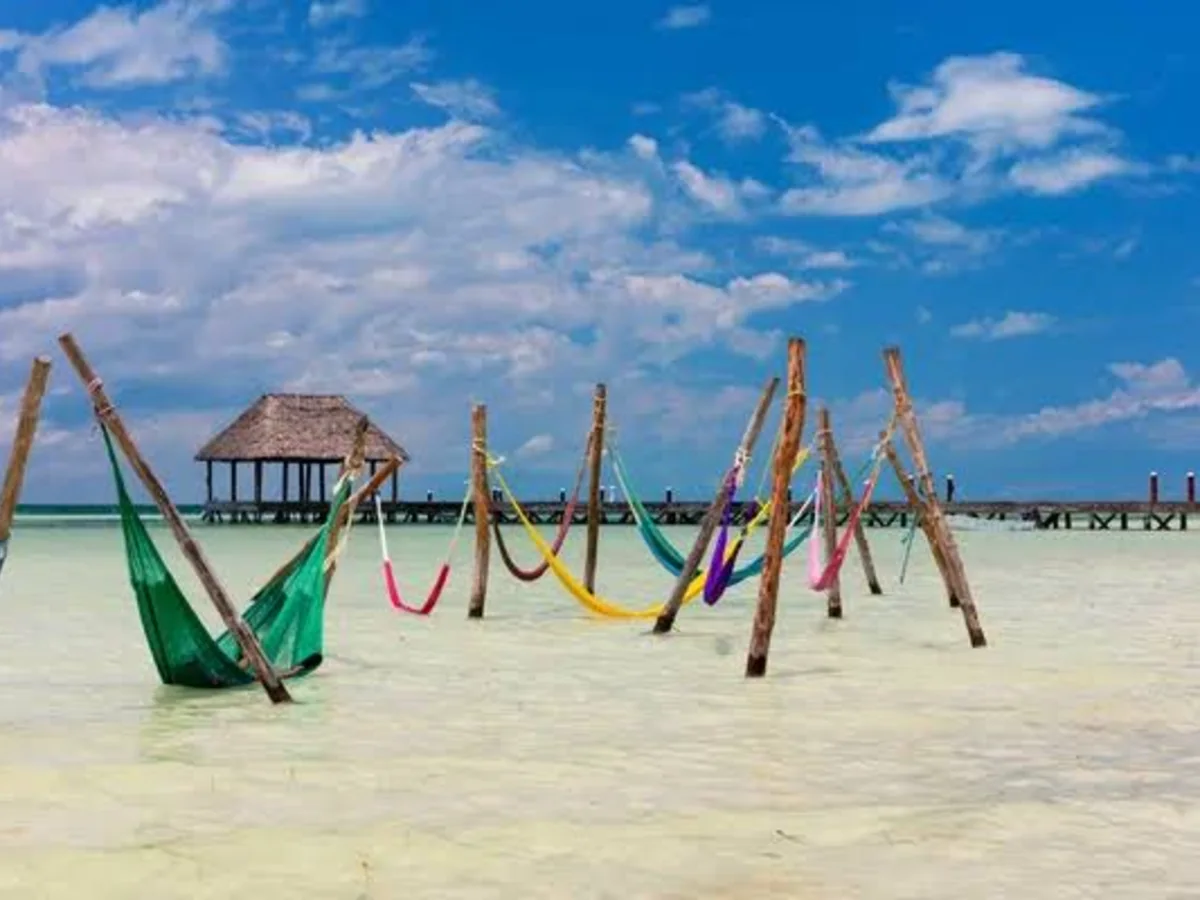
North Coast and Isla Columpios
Wooden swings driven straight into the sea
from $1,250 MXN per person
See itinerary
10:00 AM – 6:00 PM · daily
- 10:00 AM Departure from the office — An hour and a quarter to the Chuburná harbour, where the boat leaves from.
- 11:30 AM Isla Columpios — Turquoise water barely past your knees, swings and hammocks over the sea, and mangrove all around full of birds.
- 1:00 PM Chuburná dunes — White sand mounds shaped by the wind, with nobody around. Good for walking and for photos.
- 2:30 PM Puerto Progreso — Free afternoon: eat on the seafront, walk the pier or stay on the beach.
- 5:30 PM Back to Mérida — Half an hour back, arriving around six.
Included: Transport, Certified guide, Boat and Isla Columpios entry
Not included: Food, Drinks
Frequently asked questions
Why was henequen called green gold?
Because of its huge economic importance during the boom of the late 19th and early 20th centuries.
What was the fiber used for?
Strong rope, including for ships.
What is henequen called in Maya?
Ki.
Where can I see a henequen hacienda?
On the Hacienda Mucuyché trip, or at Yaxcopoil with the Uxmal transfer.