What henequen is
Henequen is an agave, a relative of the plants used for tequila and mezcal, though it's grown for fiber rather than drinks. Its scientific name is Agave fourcroydes, and Mexico's agricultural research institute (INIFAP) describes it as a perennial native to Yucatán.
What the plant looks like
- A rosette of stiff leaves, long and grayish, with spines along the edges and a sharp tip.
- Leaves that collect water: their shape channels rain toward the center of the stem.
- A long life: its life cycle can last 20 to 25 years, according to INIFAP.
Why it thrives in Yucatán
Mexico's National Institute of Anthropology and History (INAH) explains that this agave needs little water, tolerates high temperatures and adapts to limestone soils, exactly what the northern peninsula offers. INIFAP places the traditional henequen zone in the north and north-central parts of Yucatán because of their climate and soil.
INAH even mentions natural henequen types named after places on the Yucatán coast, such as Chelem and Sisal.
From leaf to fiber
The leaves yield a hard, strong fiber used in textiles and, for a long time, to make ropes that held up at sea. In international trade it became known as sisal, after the Yucatán port it was shipped from.
Nothing goes to waste: according to Mexico's agriculture ministry (SADER), the leftover pulp from stripping the fiber can be used as fertilizer on stony, poor soils.
Henequen today
Yucatán remains Mexico's leading henequen producer, with its growing area in the north of the state, according to SADER. The plant's social and economic history, the story of the haciendas, is covered on another page of this guide.
Seeing henequen from Mérida
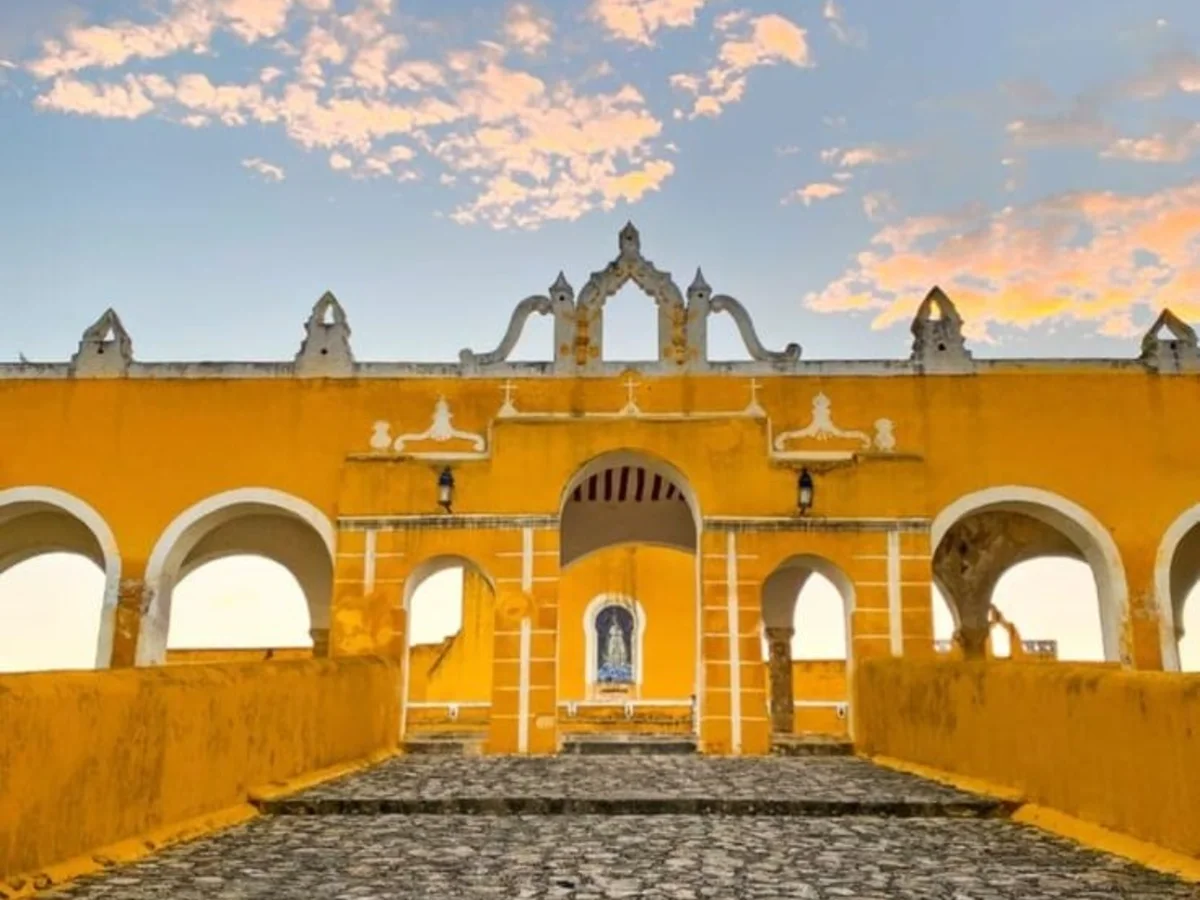
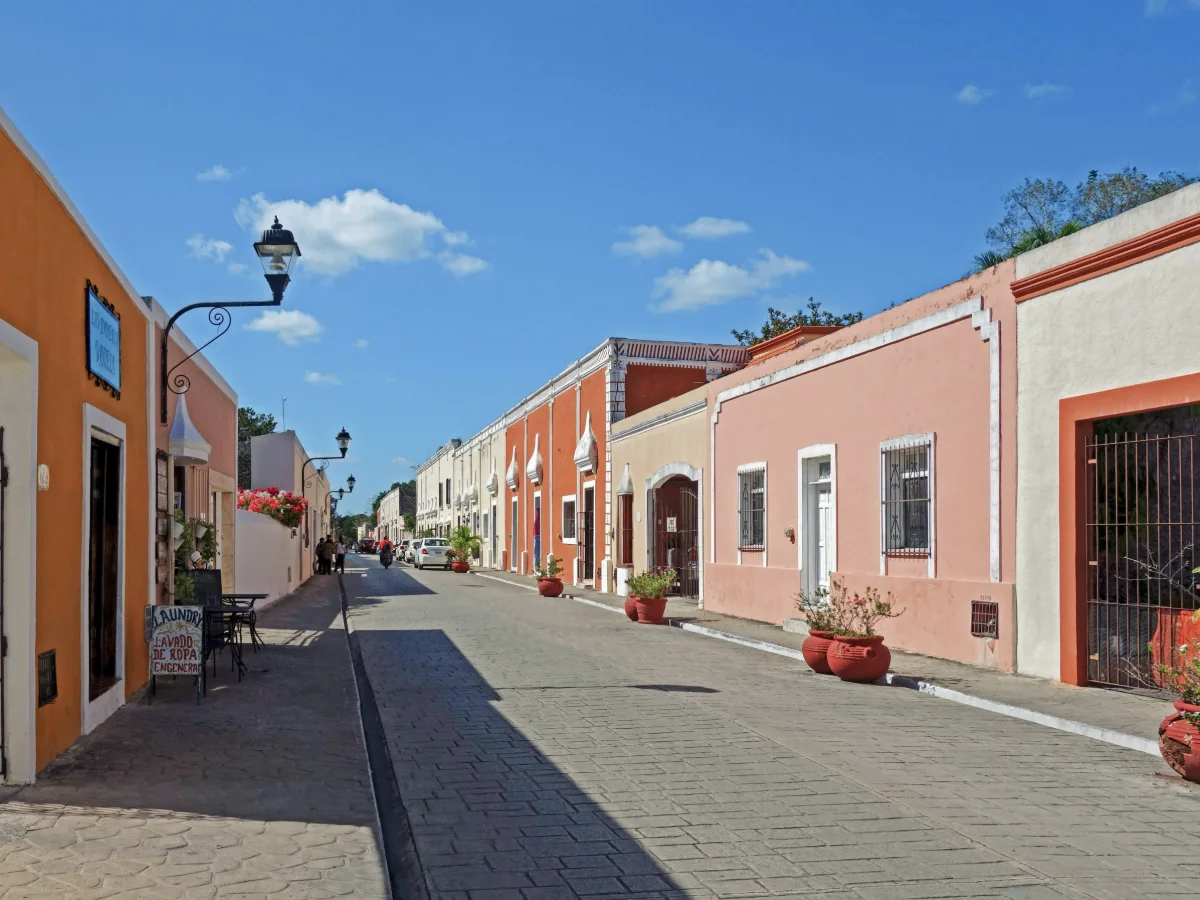
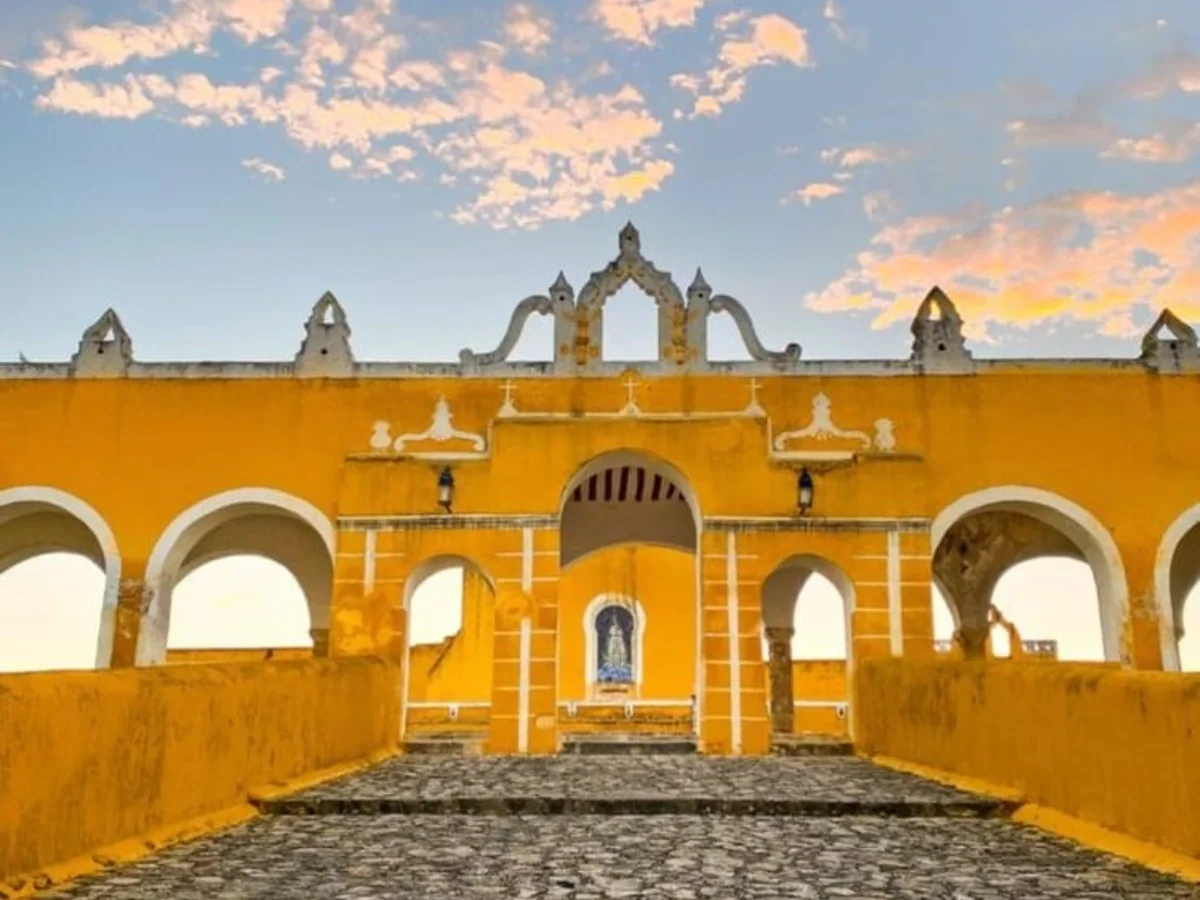
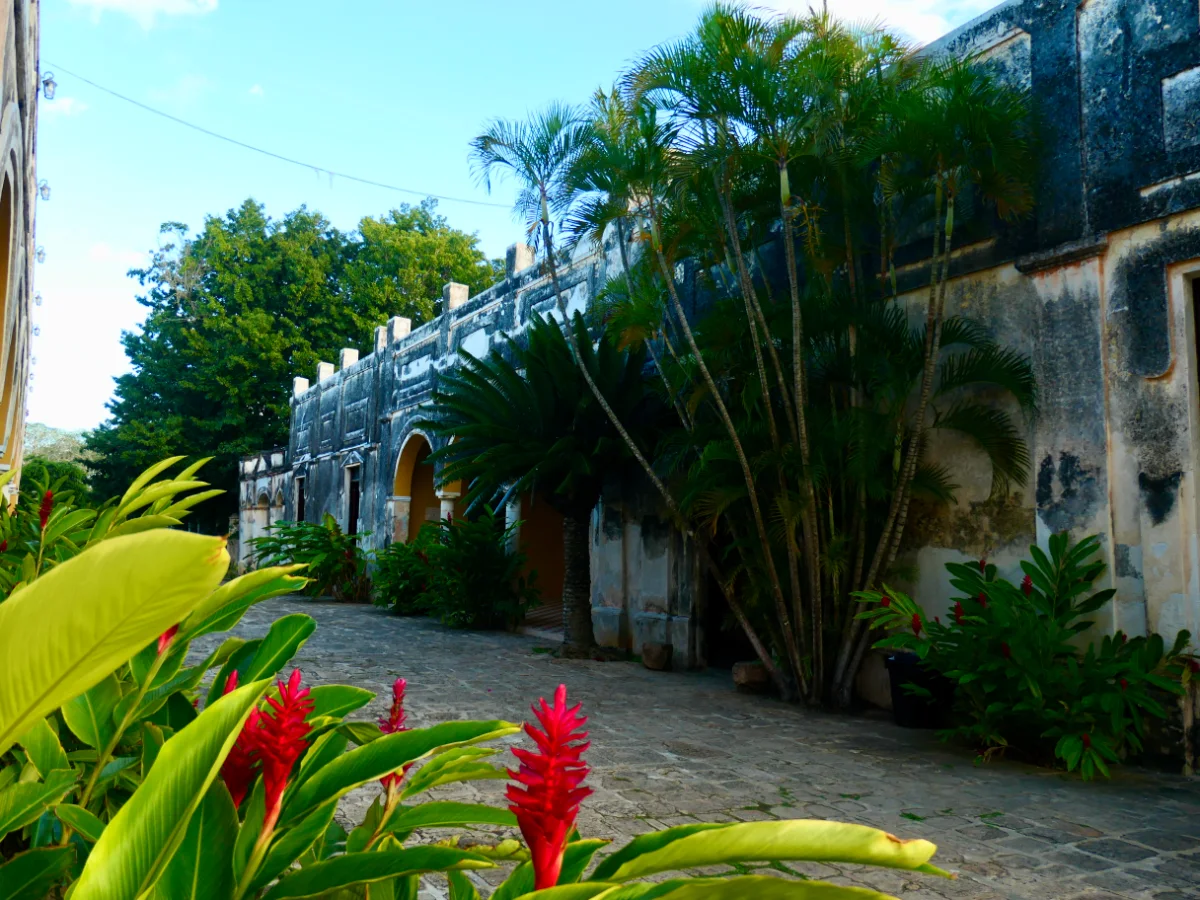
On Mary Tours' Hacienda Mucuyché trip, a guide from the hacienda explains how the henequen business worked and what survives of it, before you swim in its cenotes. The Uxmal transfer also includes Hacienda Yaxcopoil. The office is on Calle 61 in Mérida's historic center; prices are in the booking section.
| Details | |
|---|---|
| Scientific name | Agave fourcroydes |
| Origin | Native to Yucatán |
| Life cycle | 20 to 25 years |
| Soil | Limestone, little water |
| Product | Hard fiber (sisal) |
| Mexico's top producer | Yucatán |
Fun facts
- Henequen leaves funnel rainwater toward the center of the plant.
- Some henequen types are named after Yucatán ports, such as Sisal and Chelem.
- Henequen pulp is reused as fertilizer.
Related tours
Cenotes · 7 h
Hacienda Mucuyché
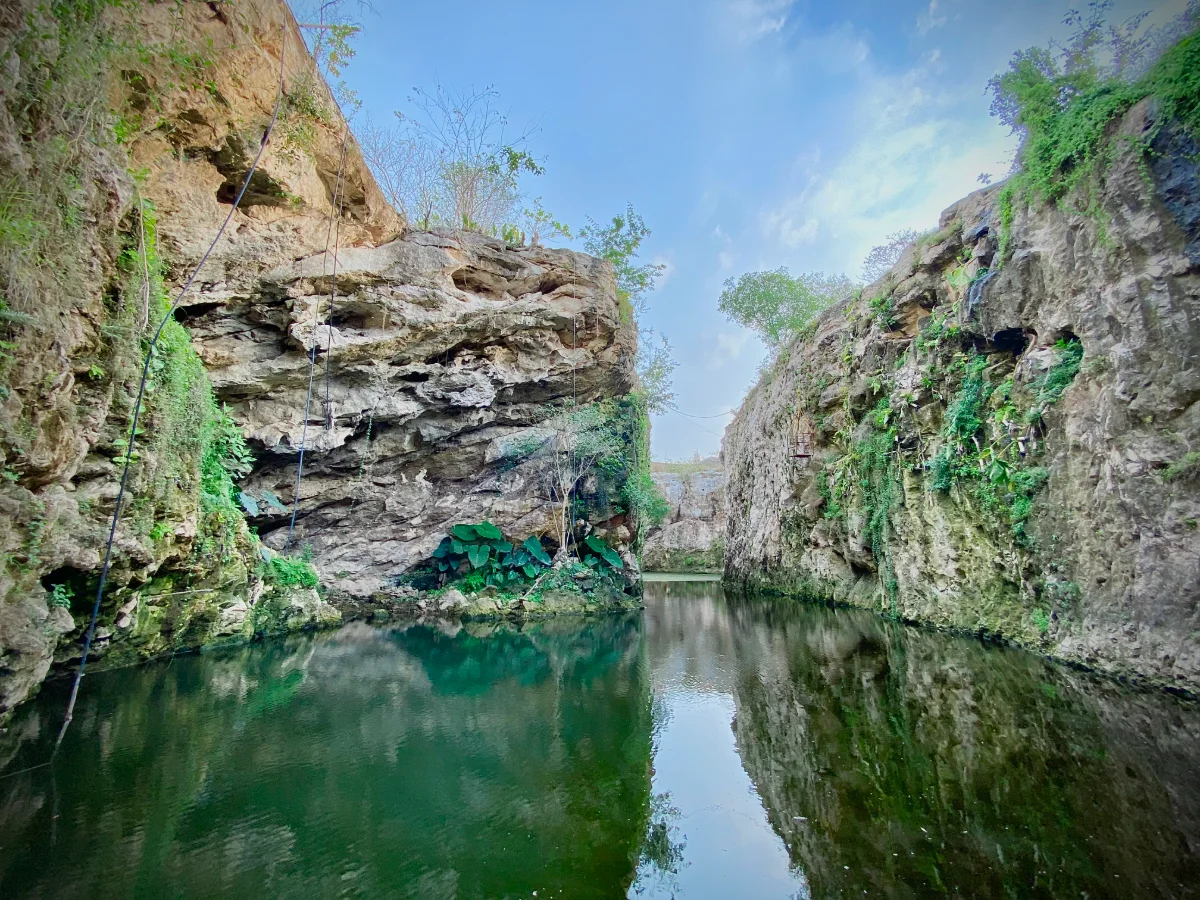
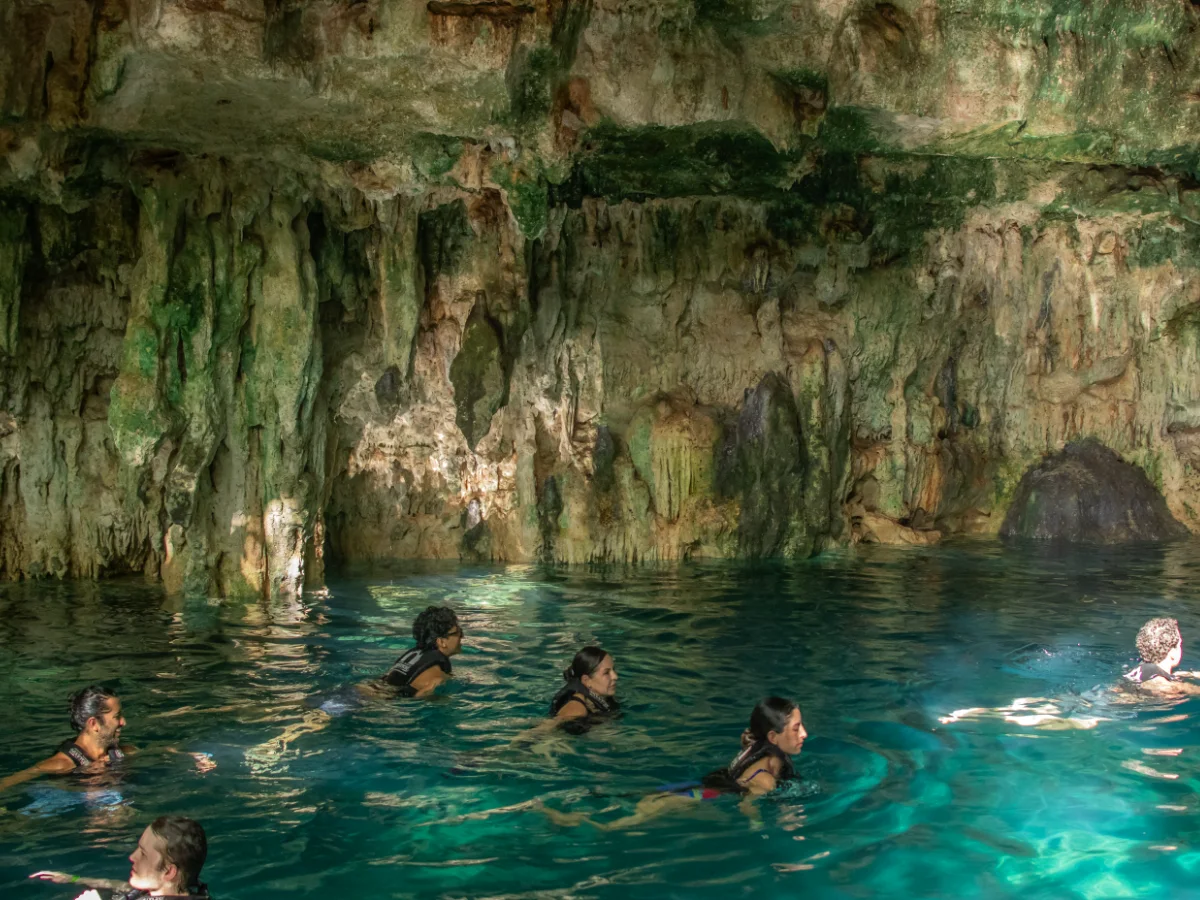
A stone channel joining two cenotes
from $1,800 MXN per person
See itinerary
9:30 AM – 4:00 PM · daily
- 9:30 AM Departure from the office — An hour on the road to the estate, in the municipality of Abalá.
- 10:30 AM Check-in and historical tour — A guide from the estate itself explains how the henequen business worked and what survives of it.
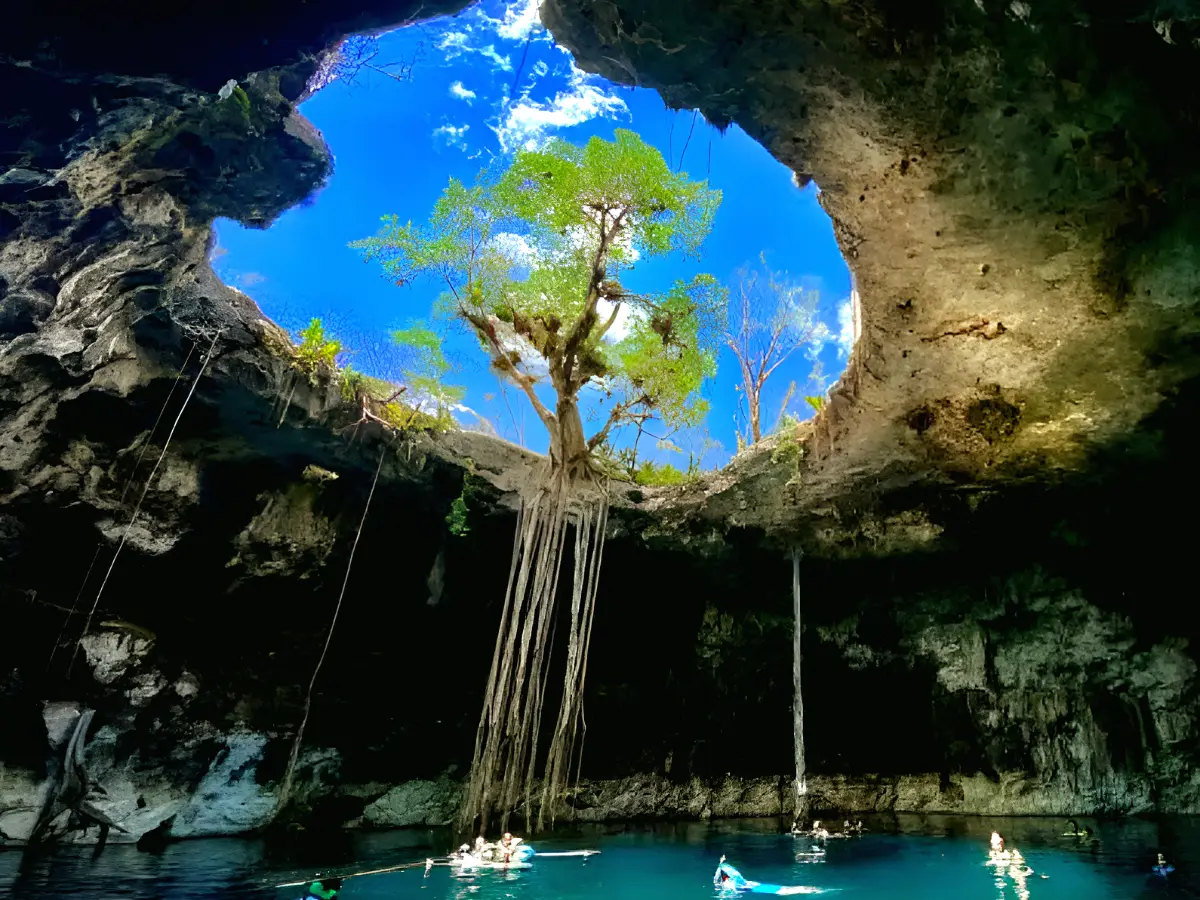
- 11:00 AM Carlota and Azul Maya cenotes — Two hours in the water. To move between the cenotes you cross the channel, swimming or along the stone path.
- 1:00 PM Time for lunch — Yucatecan food at the estate restaurant, paid per order. There is a pool for anyone who wants to stay in the water.
- 3:00 PM Back to Mérida — An hour back.
Included: Transport, Guide, Entry to the hacienda and cenotes
Not included: Food, Drinks
Transfers · 10.5 h
Transfer to Uxmal and Yaxcopoil
The Puuc route at your own pace, with the van waiting
from $2,550 MXN per vehicle

Beach · 9.5 h
Sisal: kayak, flamingos and beach
A magic town that is still a fishing port
from $1,500 MXN per person
See itinerary
8:00 AM – 5:30 PM · daily
- 8:00 AM Departure from the office — An hour and a half on the road to the port.
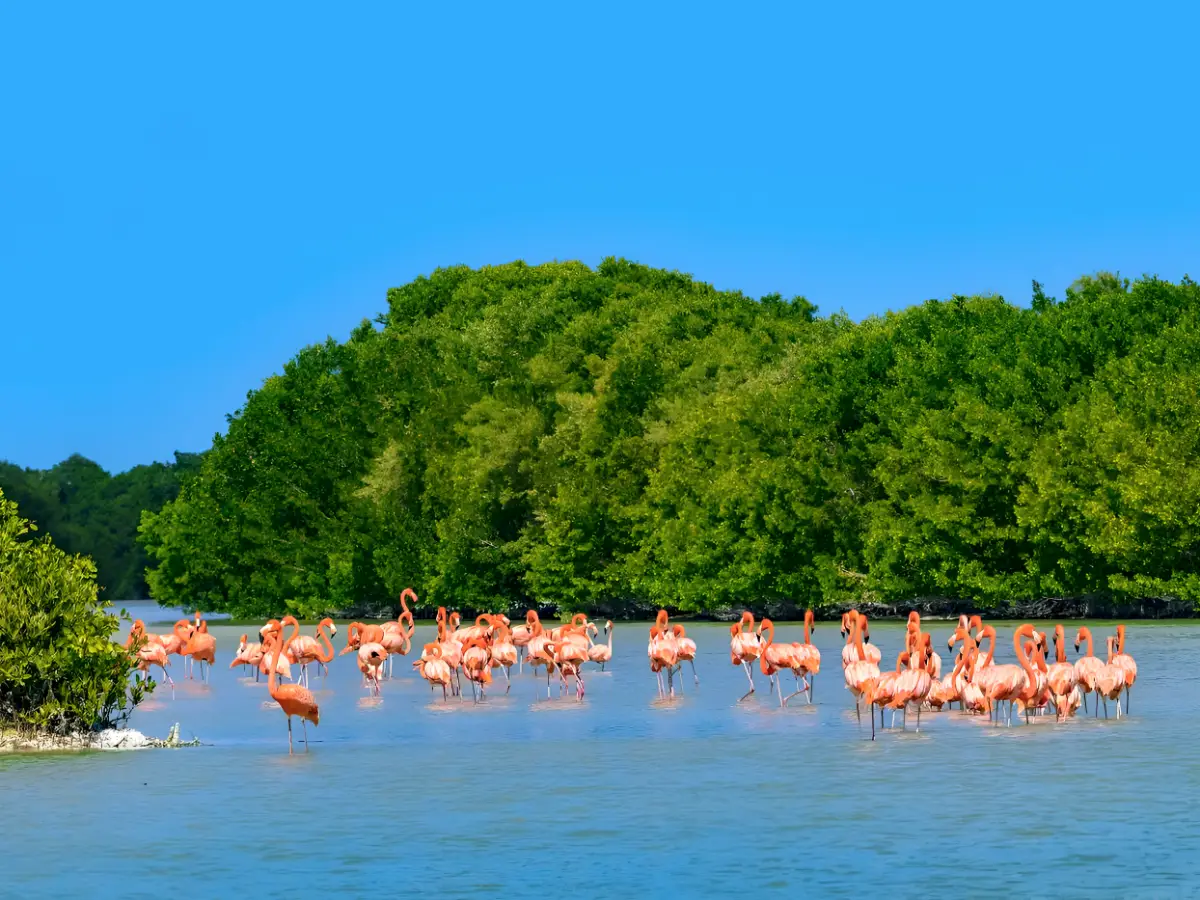
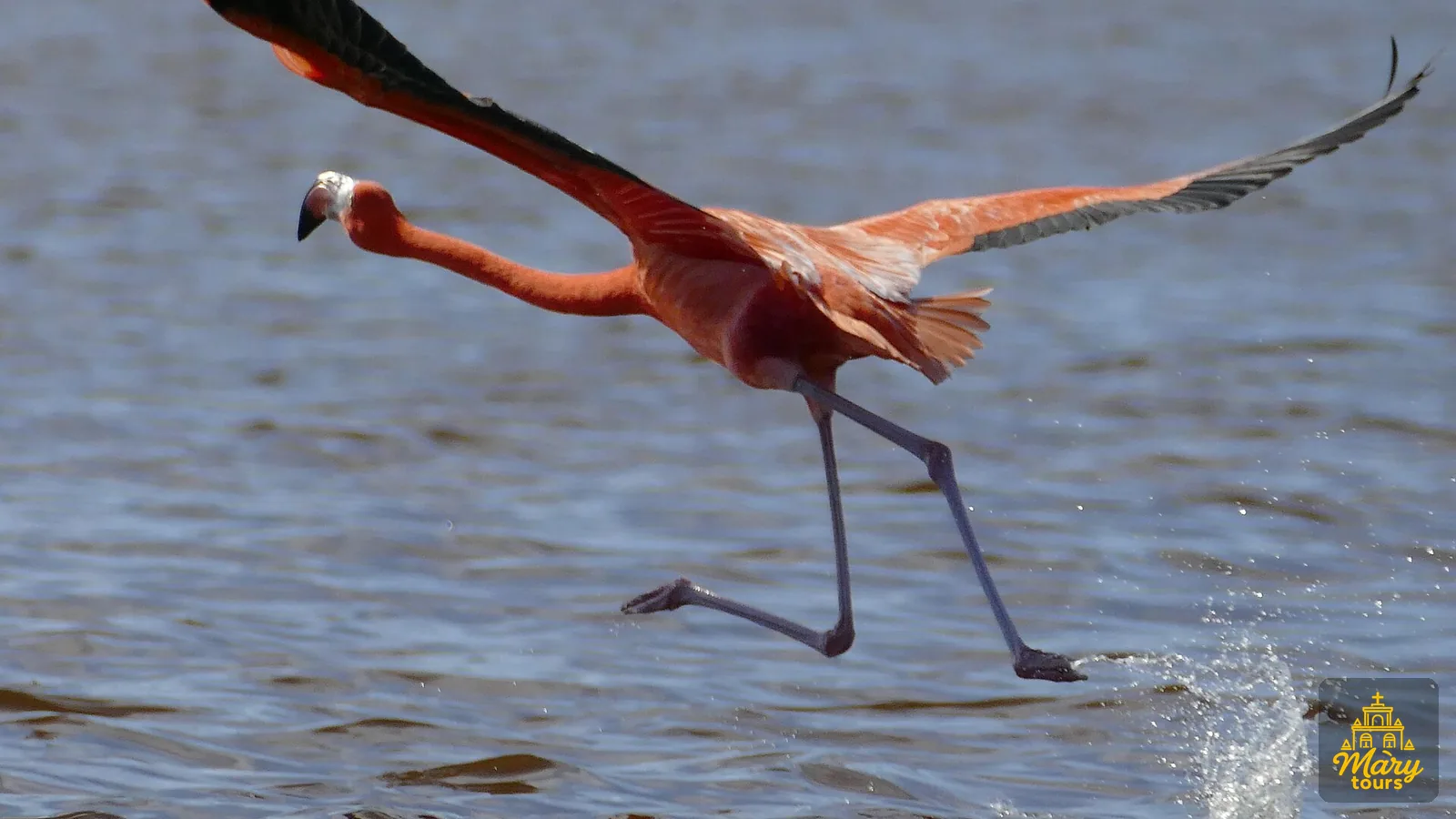
- 10:00 AM Kayaking in the coastal wetland — A paddle by kayak or flat-bottomed boat through the mangrove, with birdwatching — pink flamingos included — and a dip in a freshwater spring.
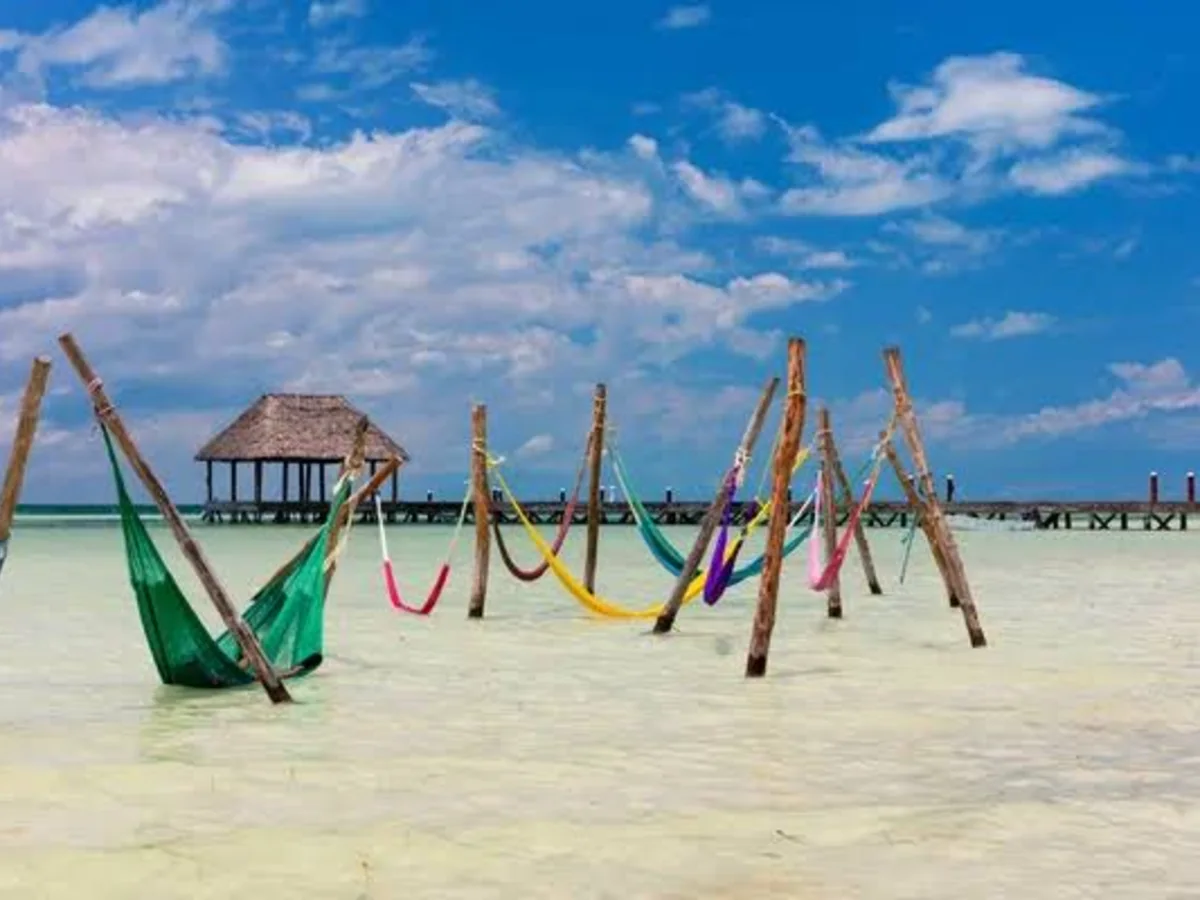
- 11:45 AM Sisal beach — Over four hours free. There are seafood places along the shore and palapas you can rent for shade.
- 4:00 PM Back to Mérida — An hour and a half back.
Included: Transport, Kayaking in the coastal wetlands, Free time on the beach
Not included: Food, Drinks, Palapa rental
Frequently asked questions
Is henequen the same as the tequila agave?
Both are agaves, but different species. Henequen is grown for its fiber.
How long does a henequen plant live?
20 to 25 years, according to INIFAP.
What is henequen used for?
Fiber for rope, sacks and textiles; the leftover pulp is used as fertilizer.
Where can I see henequen near Mérida?
At haciendas such as Mucuyché or Yaxcopoil, visited on Mary Tours trips and transfers.