A bilingual region
Mexico's INAH places Yucatec Maya across the peninsula and, based on the 2021 census, cites more than 774,000 speakers in Mexico. Yucatán has the most Maya speakers of any state, and over 90% of them are bilingual in Maya and Spanish. It's also spoken in Campeche and Quintana Roo.
Variation and vitality
The language shows regional and generational variation, and an INAH study documents differences in pronunciation, vocabulary and intonation between places. Other research finds communities with differing language vitality. Census figures also depend on age and how the question is asked.
How Maya is written
Modern spelling uses an apostrophe for some glottalized consonants, as in maaya t'aan. A phonology study from Mexico's National Museum of Anthropology describes the language's consonants and vowels.
Maya in everyday Spanish
Many everyday words in Yucatán come from Maya: cenote, pib, Hanal Pixán, xpujuc. It's the result of centuries of coexistence, and one reason the region's speech sounds so distinctive.
Tips
- Listen closely: the local intonation is part of the charm.
- Learn a couple of Maya words and ask how to pronounce them.
- Don't imitate the accent as a joke.
Hearing Yucatán from Mérida
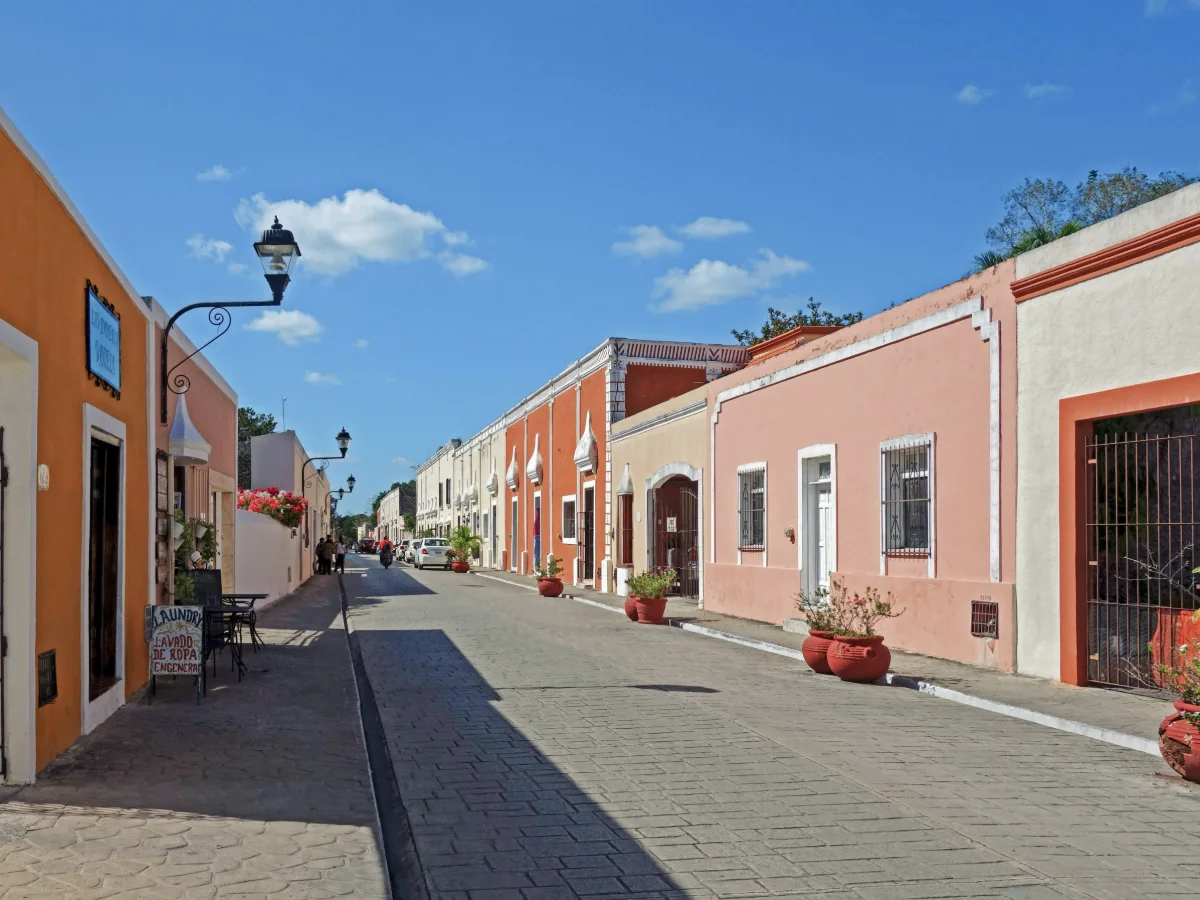
In towns on Mary Tours trips, such as Homún, Izamal and Valladolid, you'll hear Spanish and Maya side by side. Trips leave from Calle 61 in downtown Mérida.
| Details | |
|---|---|
| Speakers in Mexico (2021 census) | More than 774,000 |
| State with the most speakers | Yucatán |
| Bilingual speakers in Yucatán | Over 90% |
| Other states | Campeche and Quintana Roo |
Fun facts
- Yucatán has more Maya speakers than any other state.
- Over 90% of Yucatán's Maya speakers are bilingual.
- Written Maya uses apostrophes.
Related tours
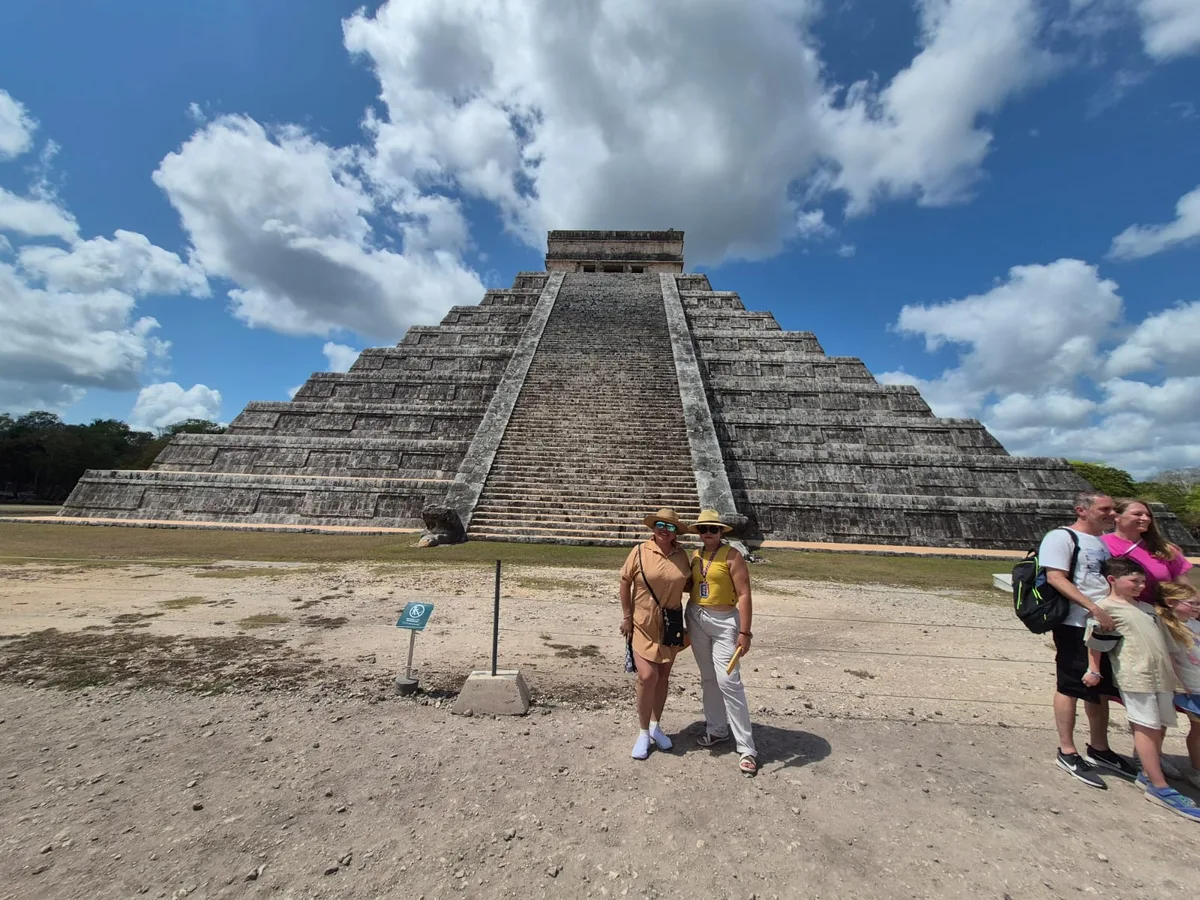
Archaeology · 11 h
Chichén Itzá, Izamal and Valladolid
Four stops in one day, and none of them rushed
from $1,200 MXN per person
See itinerary
8:00 AM – 8:00 PM · daily
- 8:00 AM Departure from the office — An hour on the road to Izamal. The guide uses the drive to set up what comes next.
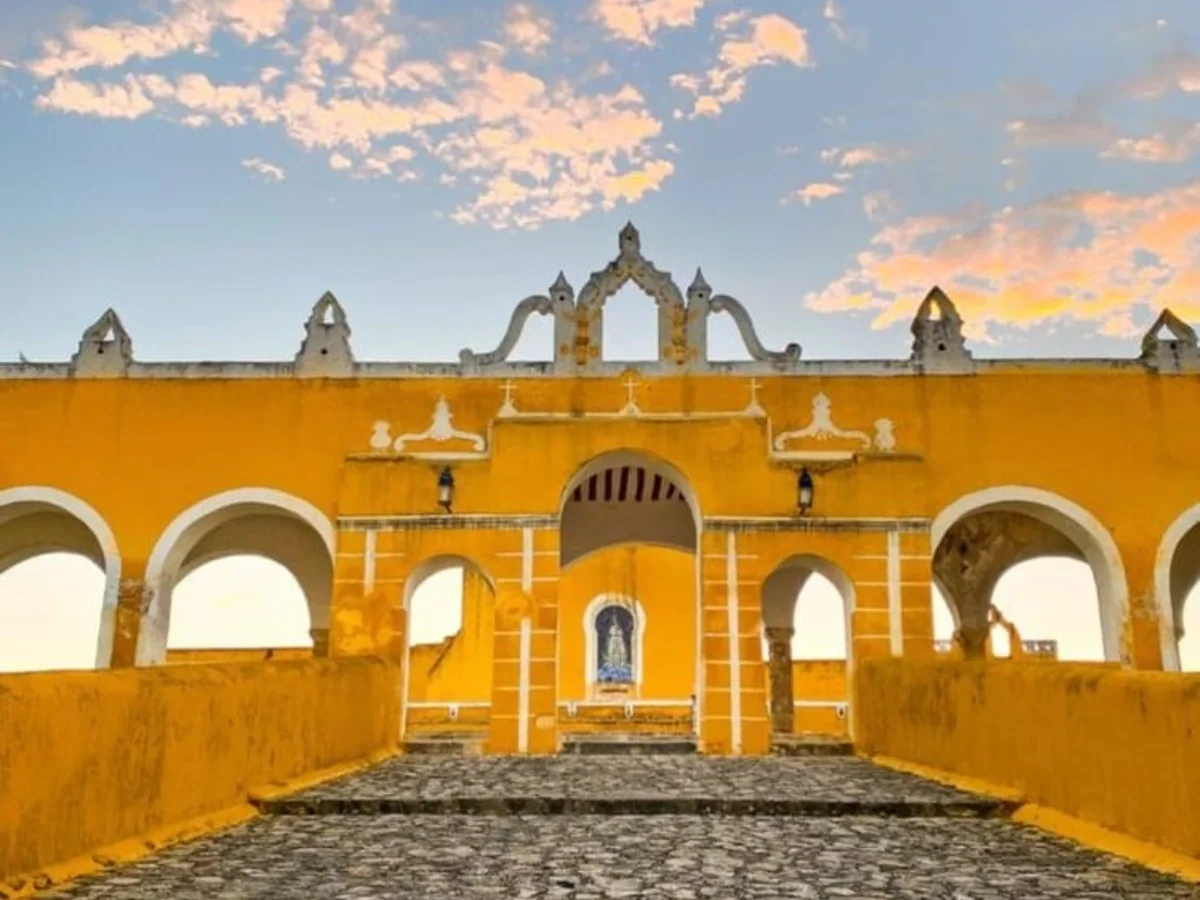
- 9:00 AM San Antonio de Padua Convent — The story of the 16th-century Franciscan convent told in its atrium, then free time to walk the yellow town.
- 11:15 AM Chichén Itzá — Guided walk through the Temple of Kukulkán, the Sacred Cenote, the Ball Court, the Tzompantli and the Jaguars and Eagles platform.
- 1:45 PM Regional lunch in Kaua — Buffet of Yucatecan dishes: cochinita, relleno negro, lime soup and meat-free options.
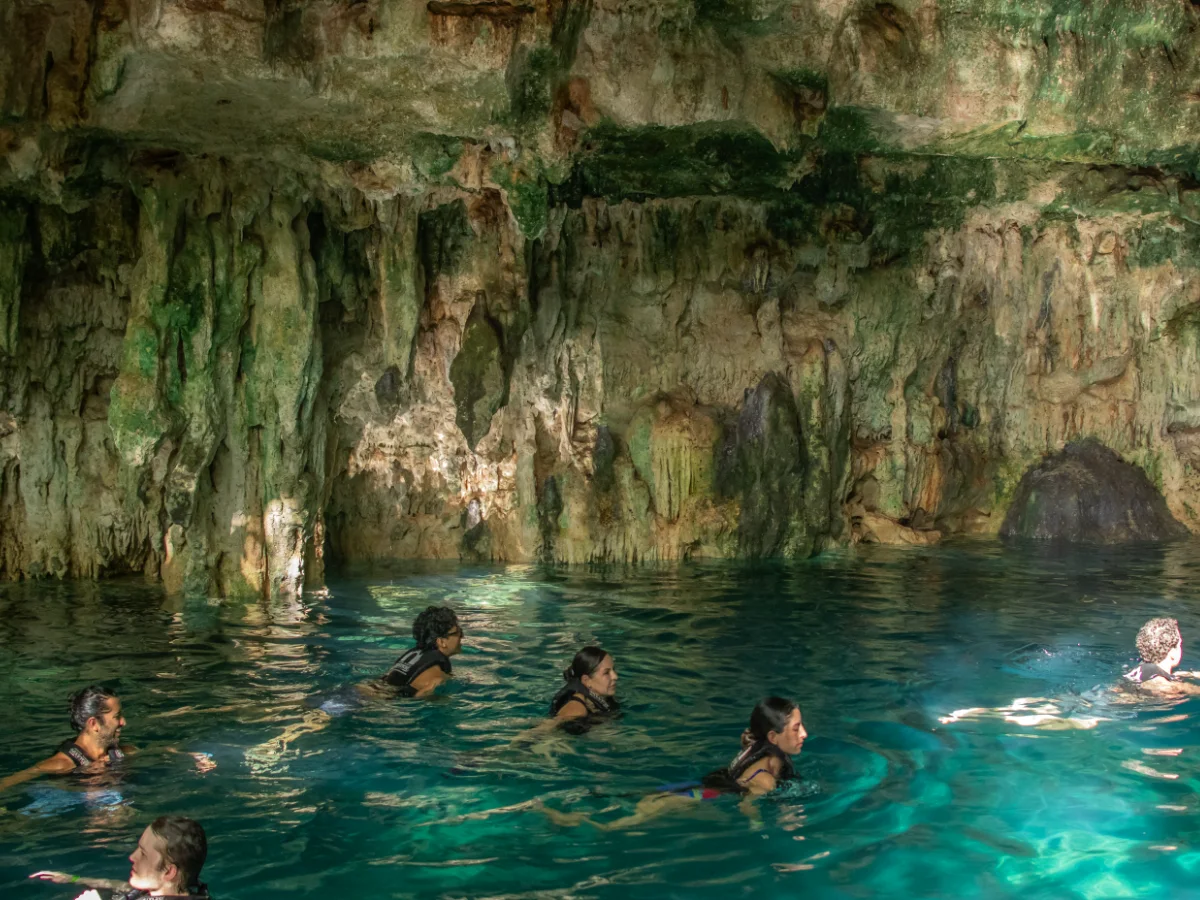
- 3:00 PM Selva Maya cenote — The swim lands exactly when the sun is at its worst. Changing rooms and showers on site.
- 4:20 PM Valladolid — Francisco Cantón Rosado park with its original railings, the church of San Servacio and the murals in the town hall.
- 8:00 PM Back in Mérida — We drop you off where the day started.
Included: Air-conditioned transport, General culture guide, Regional buffet lunch
Not included: Chichén Itzá entrance, Cenote entrance, Drinks
Towns · 9 h
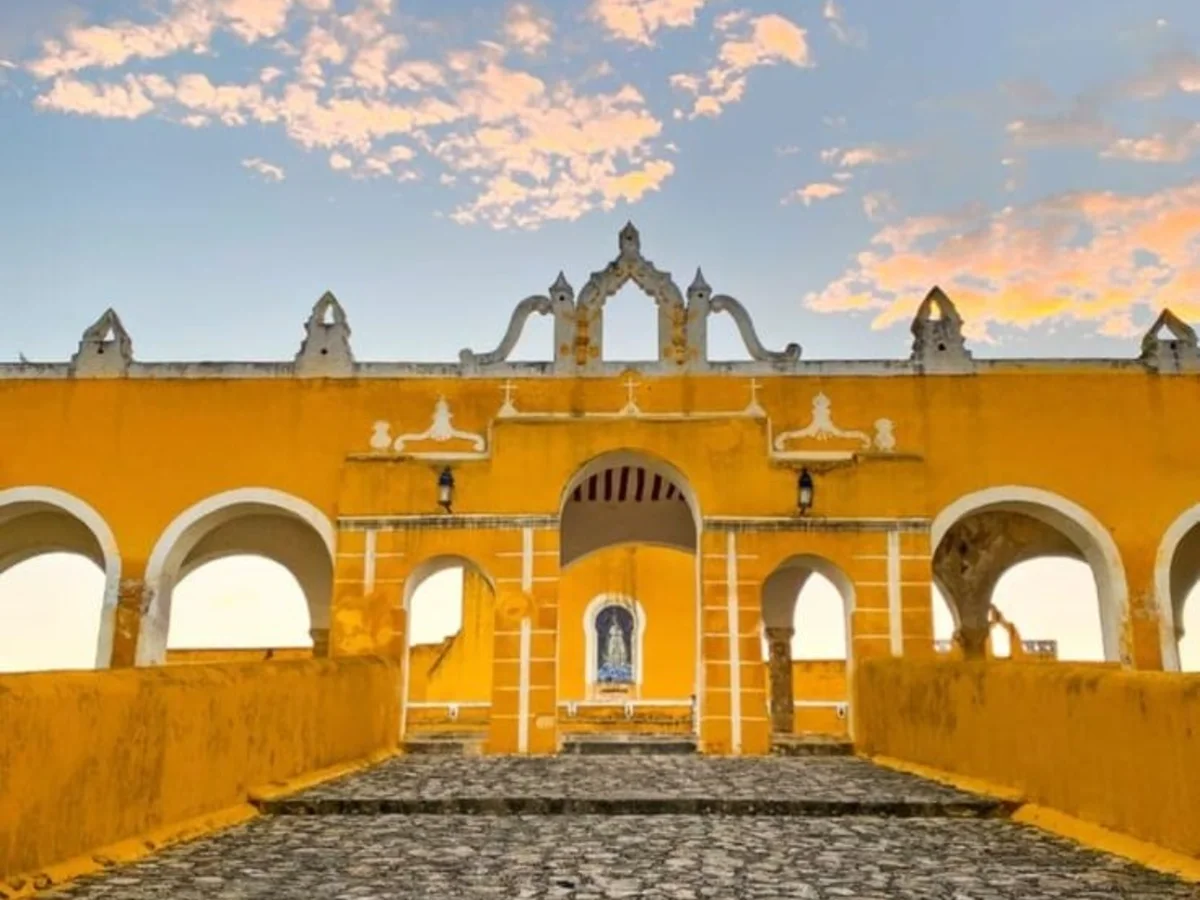
Izamal and two cenotes
Izamal’s yellow first, then two cold cenotes
from $1,300 MXN per person
See itinerary
8:00 AM – 5:00 PM · daily
- 8:00 AM Departure from the office — An hour on the road. The guide uses it to explain where Izamal comes from before you arrive.
- 9:00 AM The yellow town — The convent and its atrium, among the largest on the continent, the baroque altarpiece, and then free time around the streets.
- 10:20 AM On to the Homún ring — Forty more minutes to the cenote area.
- 11:00 AM Yaxbacaltún cenote — The first swim, landing right after the morning’s walking.
- 12:15 PM San Antonio cenote and lunch — A semi-closed cenote that feels nothing like the first one, and lunch served right there.
- 3:15 PM Back to Mérida — Back to Mérida, arriving around five.
Included: Transport, Guide, Entry to both cenotes, Lunch
Not included: Drinks
Archaeology · 11 h
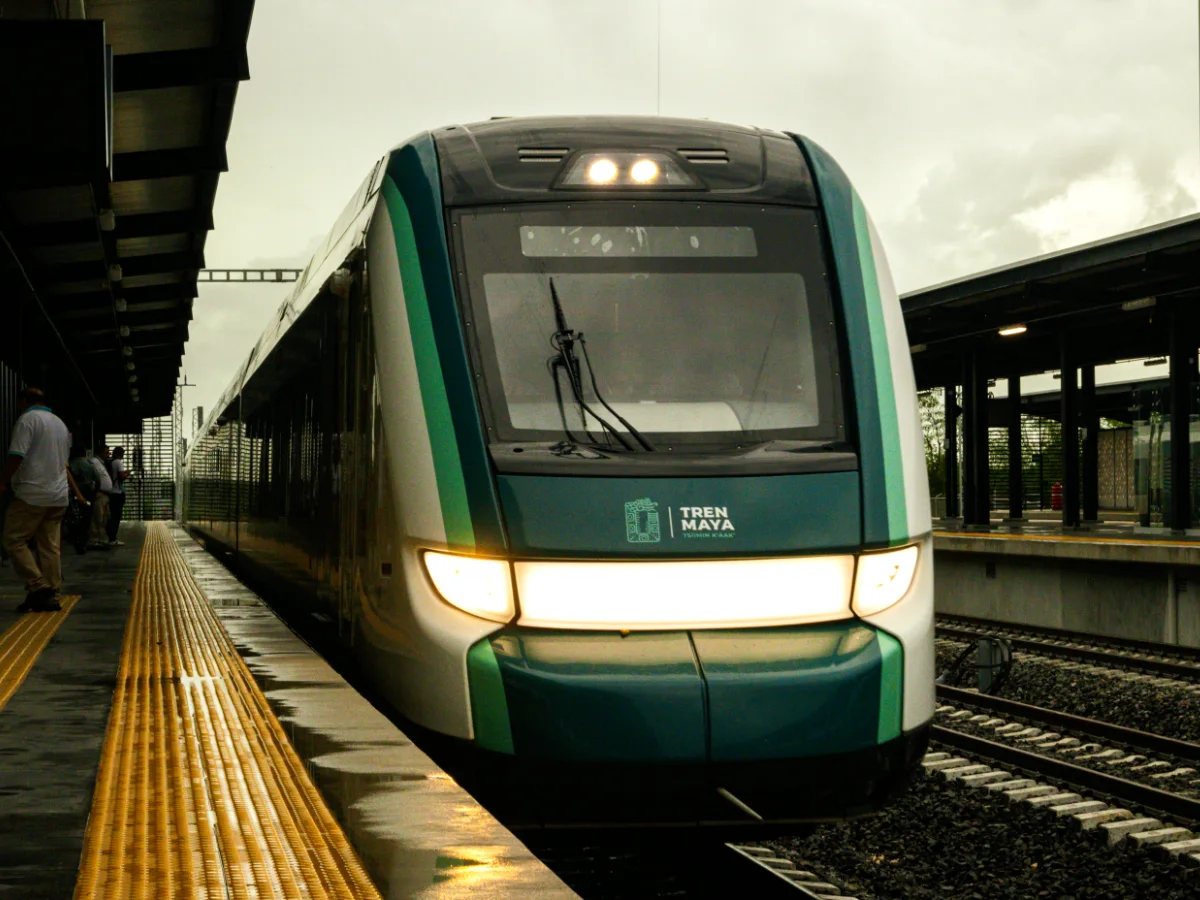
Maya Train, Chichén Itzá and Izamal
The Mérida–Izamal leg by train, the rest by road
from $1,600 MXN per person
See itinerary
8:00 AM – 7:00 PM · daily
- 8:00 AM Transfer to the station — From the office to the Maya Train station in Mérida.
- 9:18 AM Maya Train ride — Forty minutes from Mérida to Izamal. Ticket included.
- 10:15 AM Izamal — The yellow town, the three-tier Baroque altarpiece and free time on the main square.
- 12:30 PM Chichén Itzá — Guided walk through the Sacred Cenote, the Temple of Kukulkán, the Jaguars and Eagles platform and the Ball Court.
- 2:30 PM Lunch in Kaua — Buffet of typical regional dishes.
- 3:45 PM Selva Maya cenote — The swim of the day, with the heat already easing off.
- 5:00 PM Back to Mérida — Two hours on the road back.
Included: Transport, General culture guide, Maya Train ticket Mérida–Izamal, Midday meal
Not included: Chichén Itzá entrance, Cenote entrance, Drinks
Cenotes · 9 h
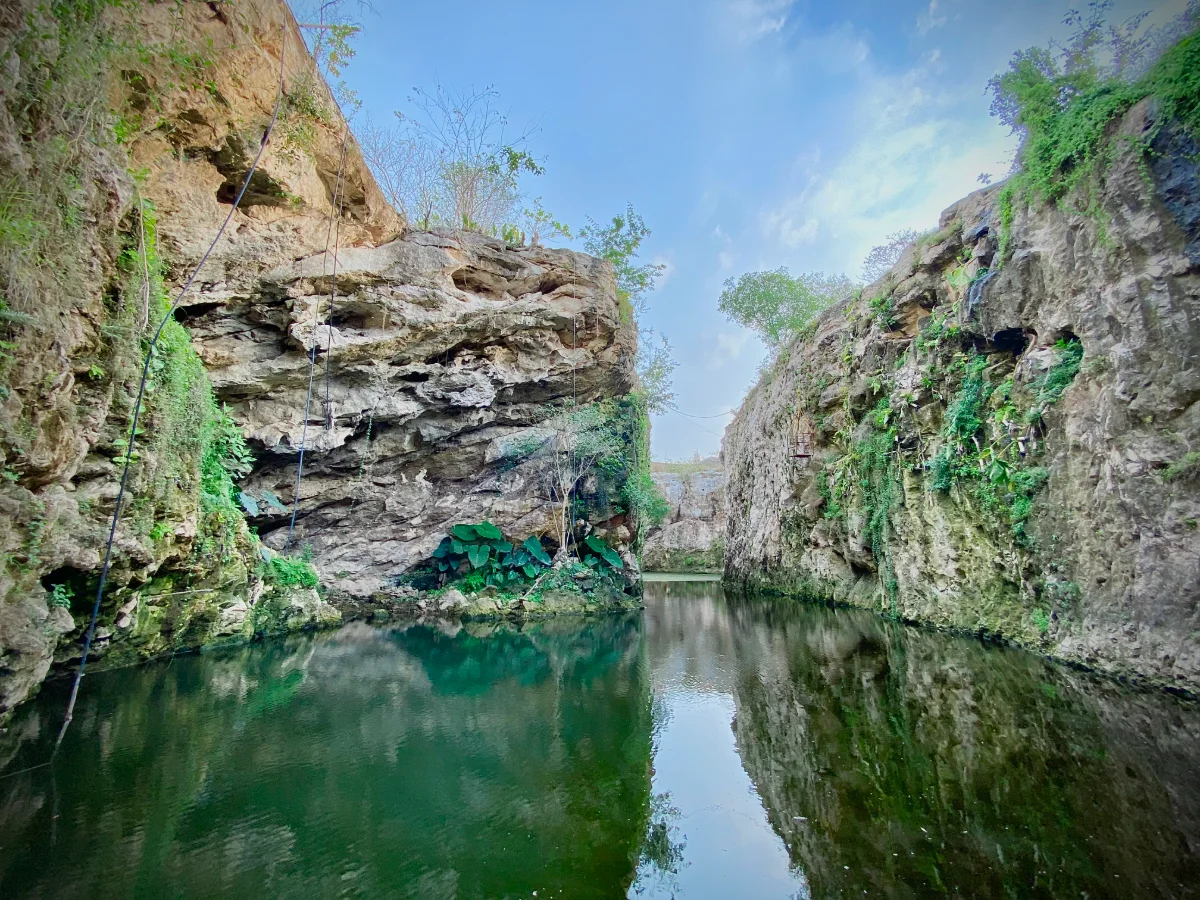
Izamal and the Santa Bárbara cenotes
Izamal early, and the whole afternoon in four cenotes
from $1,550 MXN per person
See itinerary
8:00 AM – 6:00 PM · daily
- 8:00 AM Departure from the office — An hour on the road to Izamal.
- 9:00 AM Izamal — The San Antonio de Padua convent, raised on a Maya platform, the Kinich Kakmó pyramid and the yellow streets.
- 10:30 AM On to Homún — An hour and a quarter through small towns to the cenote grounds.
- 12:00 PM Santa Bárbara cenotes — Five hours inside: Cascabel in a cavern, Chaksikín with its shaft of light, and Xooch and Pool Cocom in the open. You move between them by bike or cart, and lunch is served on site.
- 5:00 PM Back to Mérida — An hour back.
Included: Transport, General culture guide, Entrances, Lunch
Not included: Drinks
Frequently asked questions
What languages are spoken in Yucatán?
Spanish and Yucatec Maya, often by the same people.
How many people speak Maya?
More than 774,000 in Mexico, according to the 2021 census.
Why does the Yucatán accent sound different?
Contact with Maya influences vocabulary, pronunciation and intonation.
What is Yucatán's Maya language called?
Yucatec Maya, or maaya t'aan.