The language: maaya t'aan
Yucatec Maya is often called maaya t'aan. A study published by Mexico's INAH notes that it has regional and social variation across the peninsula: it isn't spoken the same way everywhere. That's why this glossary avoids dubious literal translations and gives sourced context.
Landscape words
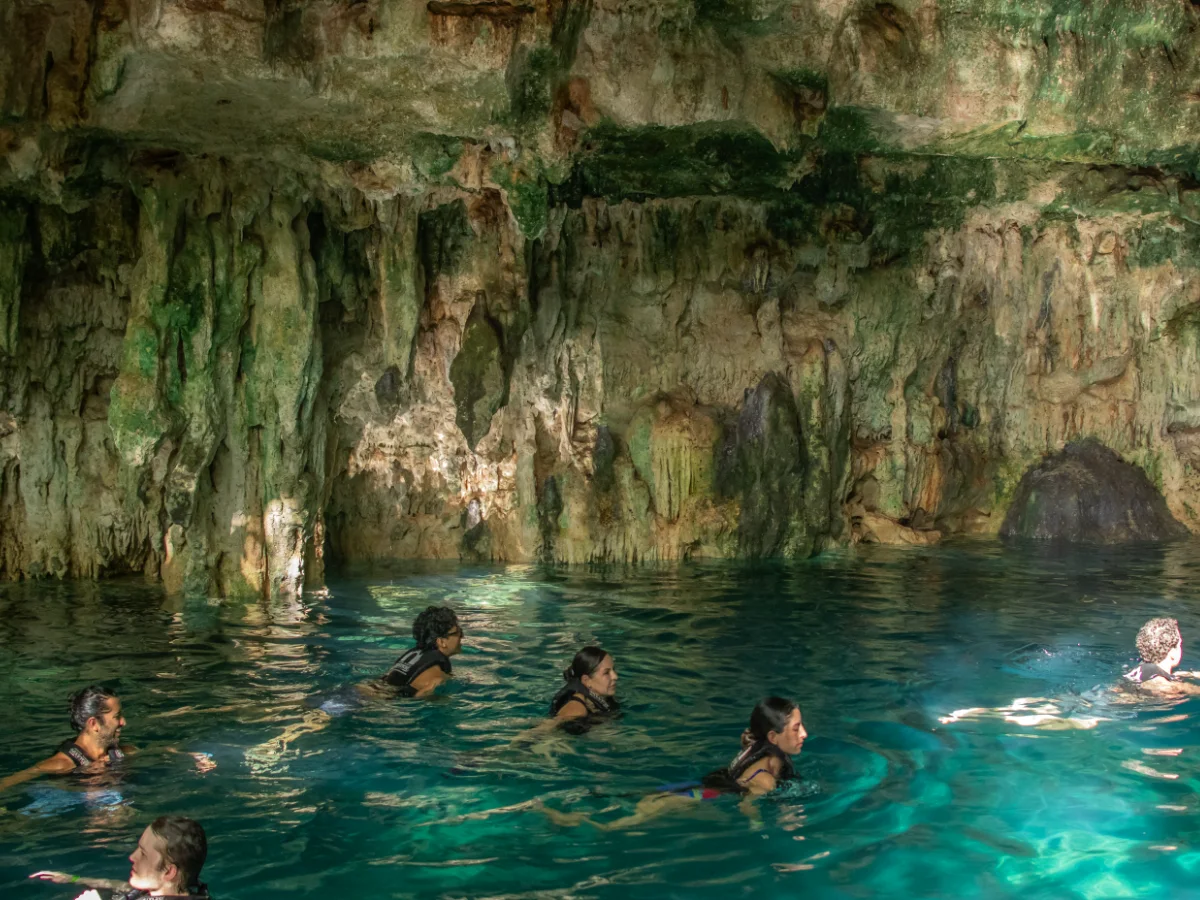
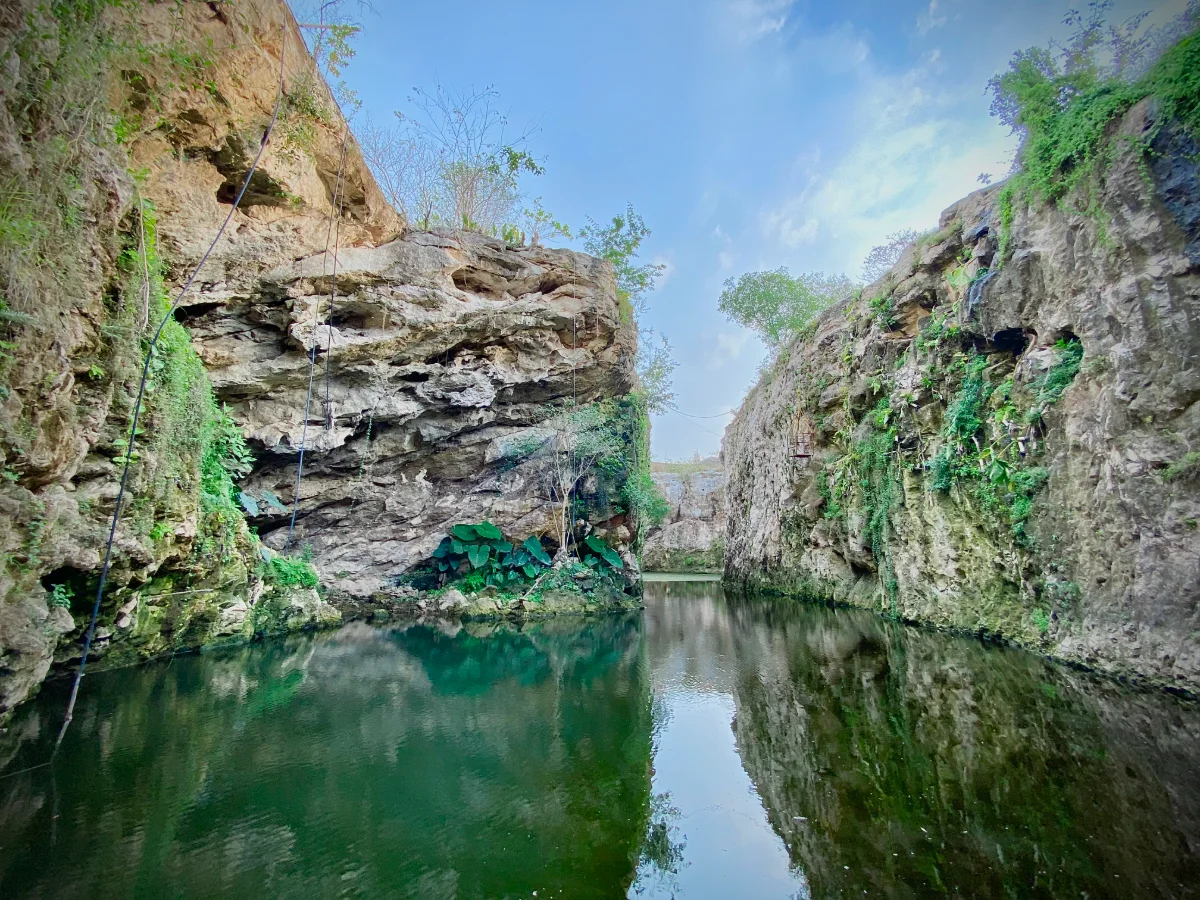
- Cenote: from Maya ts'ono'ot or dz'onot, a natural water well.
- Sacbé (plural sacbeob): white road; INAH sources link Izamal to ancient sacbeob.
- Chultun: an underground cistern for storing water, typical of the Puuc region.
History words
- Hu'un: paper, and also book or codex, according to INAH's explanation of the Dresden Codex.
- Tzolk'in and Haab': the 260- and 365-day calendars.
- K'uh: a concept of the sacred, still debated.
Place names
- Zamá: Tulum's name in 16th-century sources; Tulum came later and refers to the wall.
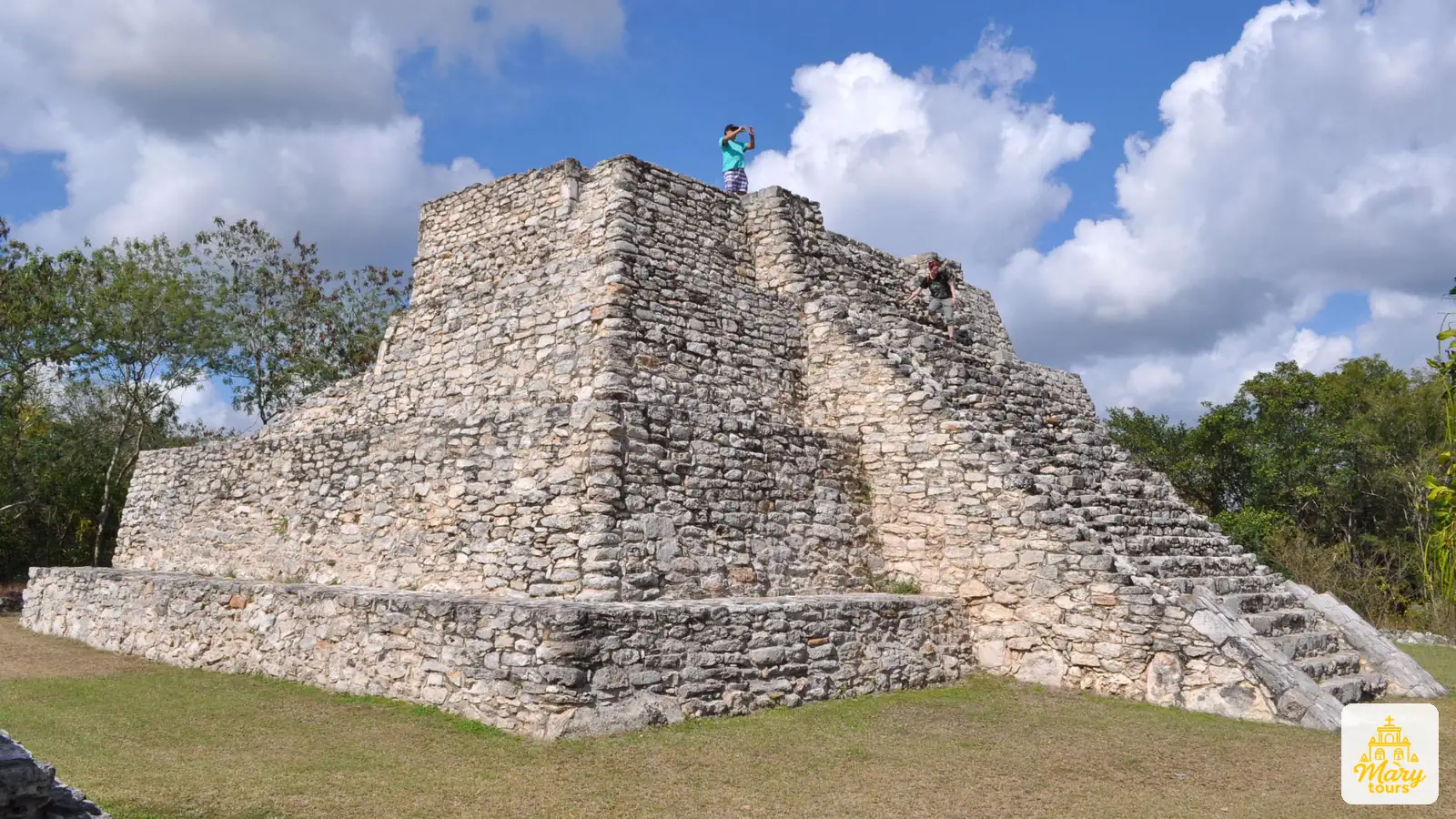
- Kinich Kakmó (Kinich Kak Moo): Izamal's main pyramid, dedicated to a solar deity.
- T'Hó: the Maya city on which Mérida was founded.
Many place-name translations are debated; without a solid source, it's better not to invent them.
Tips for using Maya
- Ask locals how to pronounce words; they'll appreciate it.
- Respect current Maya spelling on signs and names.
- Remember it's a living language, not a relic.
Hearing Maya on trips from Mérida
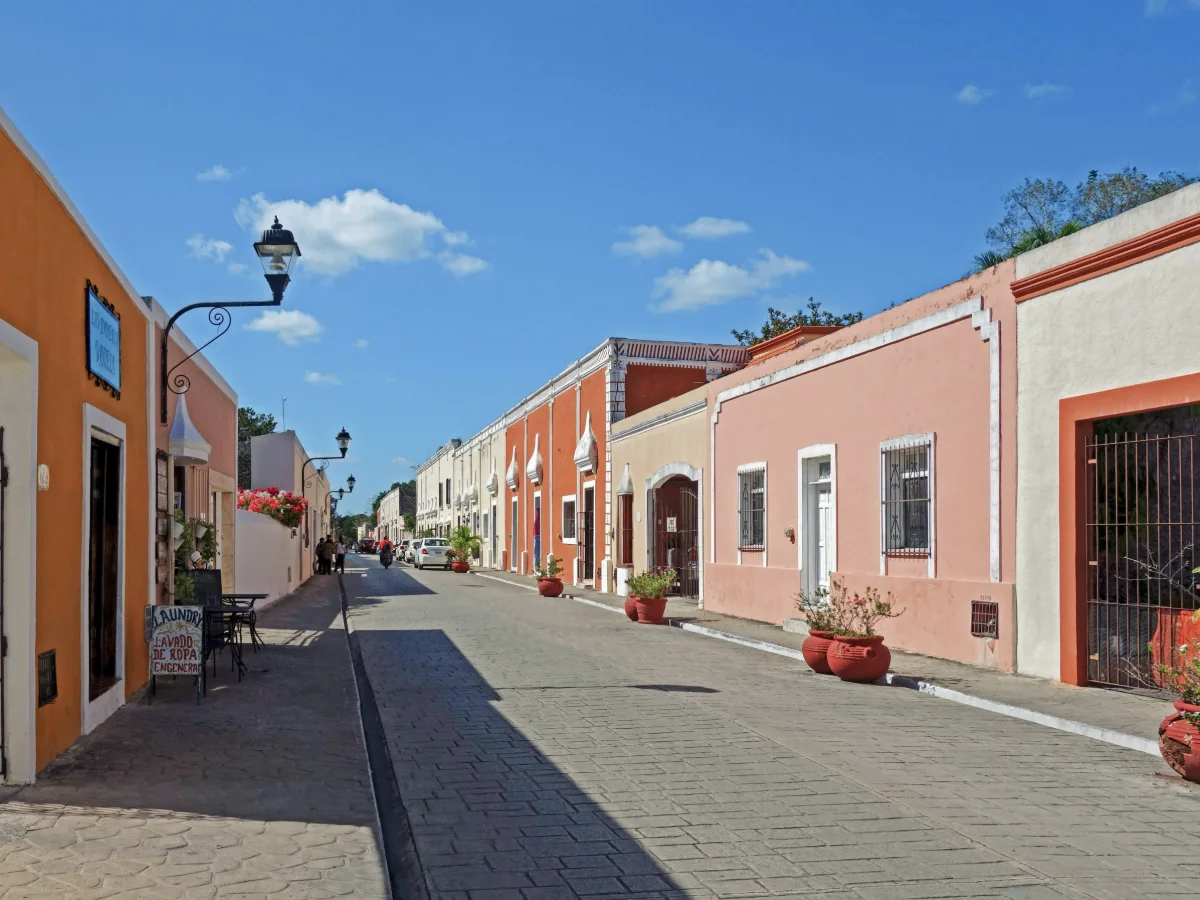
In towns visited on Mary Tours trips, such as Homún, Izamal or Valladolid, you may hear Yucatec Maya. Trips leave from the office on Calle 61 in Mérida's historic center; see prices in the booking section.
| Word | Context |
|---|---|
| Cenote (ts'ono'ot) | Natural water well |
| Sacbé | Maya white road |
| Chultun | Underground water cistern |
| Hu'un | Paper, book or codex |
| Zamá | Tulum's ancient name |
| Maaya t'aan | Yucatec Maya language |
Fun facts
- Tulum was called Zamá in the 16th century.
- Hu'un meant both paper and book.
- The word cenote comes from Maya.
Related tours
Archaeology · 11 h
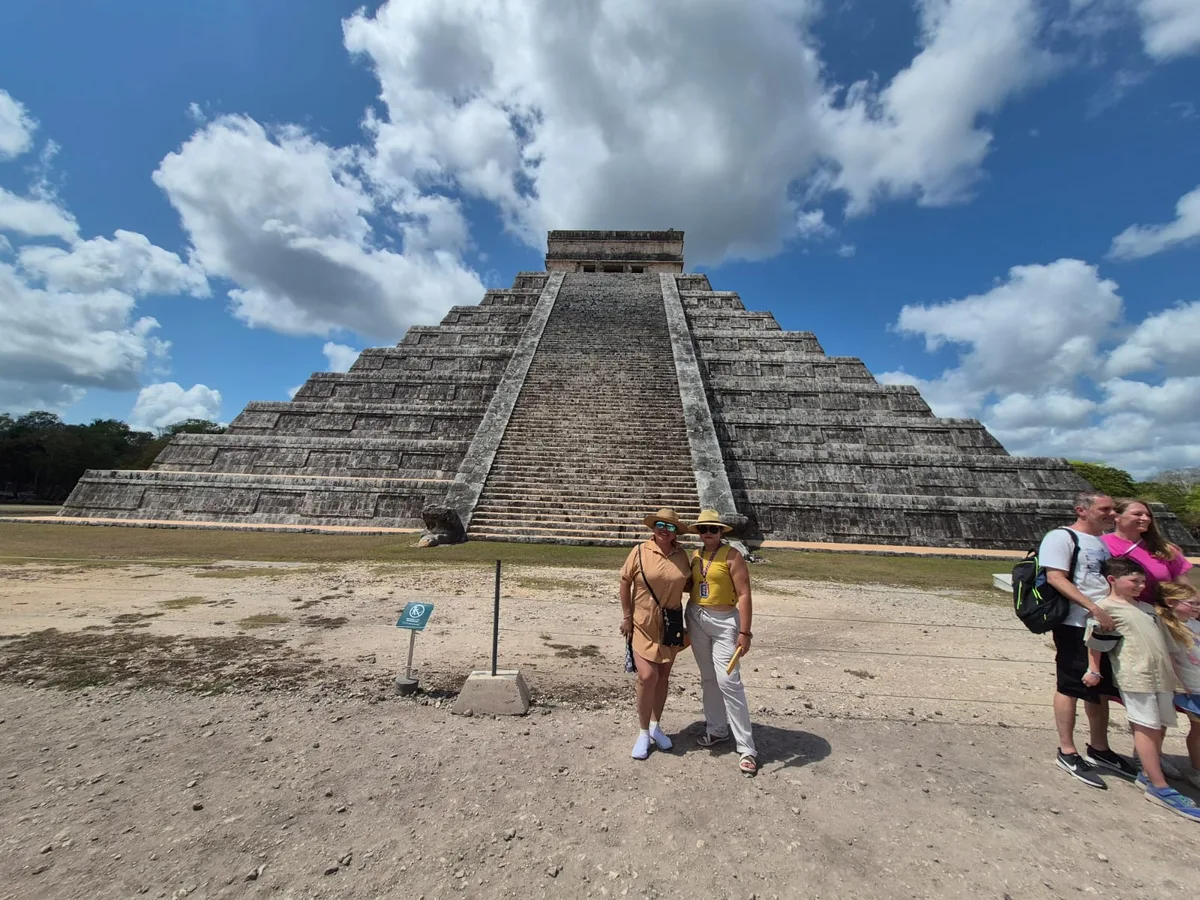
Chichén Itzá, Izamal and Valladolid
Four stops in one day, and none of them rushed
from $1,200 MXN per person
See itinerary
8:00 AM – 8:00 PM · daily
- 8:00 AM Departure from the office — An hour on the road to Izamal. The guide uses the drive to set up what comes next.
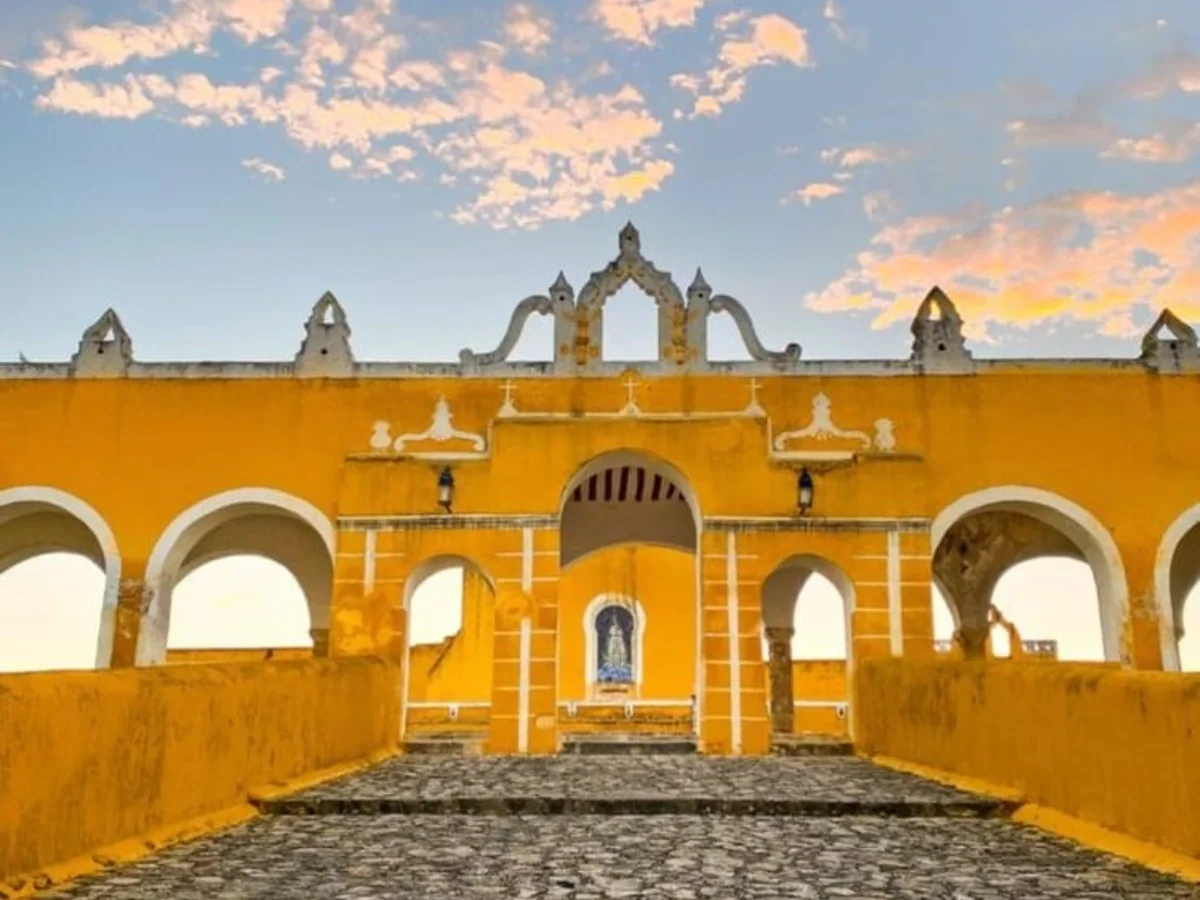
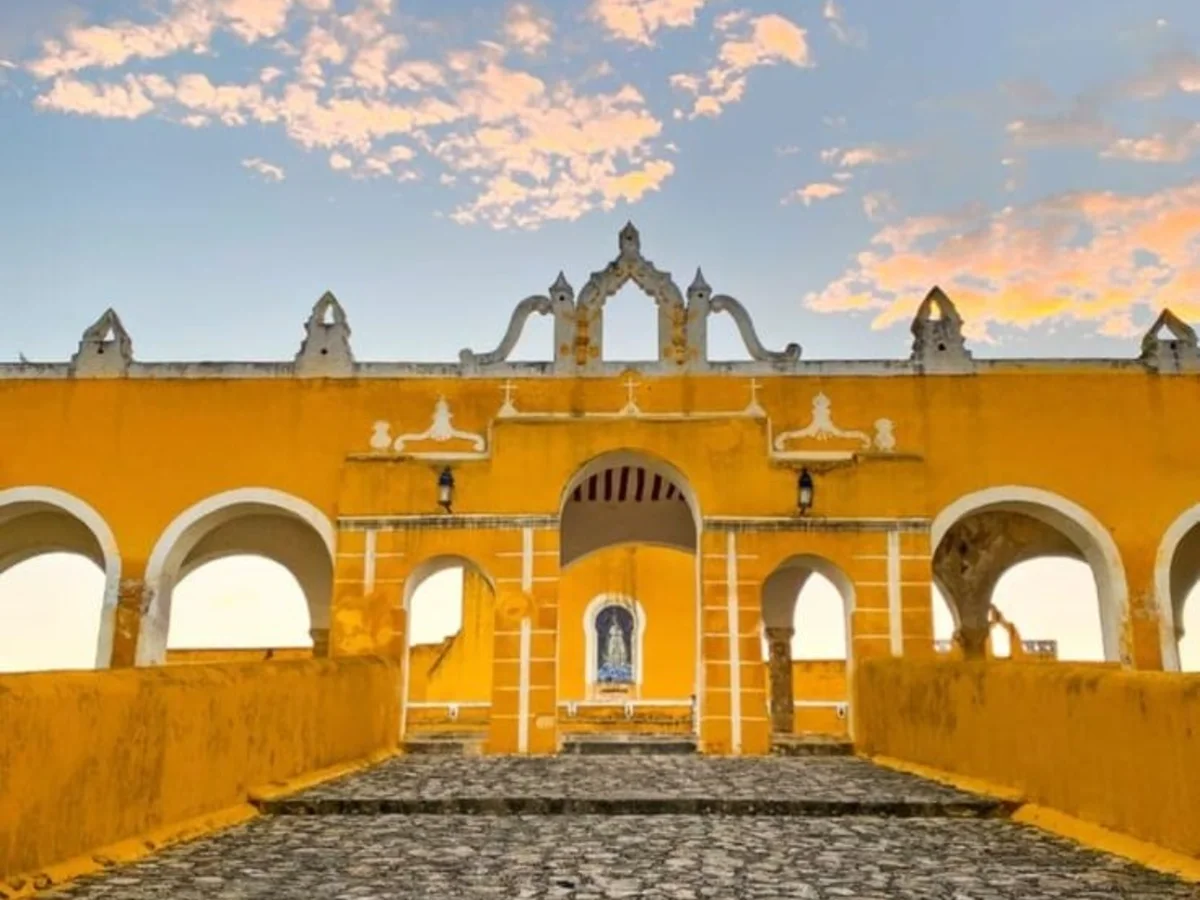
- 9:00 AM San Antonio de Padua Convent — The story of the 16th-century Franciscan convent told in its atrium, then free time to walk the yellow town.
- 11:15 AM Chichén Itzá — Guided walk through the Temple of Kukulkán, the Sacred Cenote, the Ball Court, the Tzompantli and the Jaguars and Eagles platform.
- 1:45 PM Regional lunch in Kaua — Buffet of Yucatecan dishes: cochinita, relleno negro, lime soup and meat-free options.
- 3:00 PM Selva Maya cenote — The swim lands exactly when the sun is at its worst. Changing rooms and showers on site.
- 4:20 PM Valladolid — Francisco Cantón Rosado park with its original railings, the church of San Servacio and the murals in the town hall.
- 8:00 PM Back in Mérida — We drop you off where the day started.
Included: Air-conditioned transport, General culture guide, Regional buffet lunch
Not included: Chichén Itzá entrance, Cenote entrance, Drinks
Towns · 9 h
Izamal and two cenotes
Izamal’s yellow first, then two cold cenotes
from $1,300 MXN per person
See itinerary
8:00 AM – 5:00 PM · daily
- 8:00 AM Departure from the office — An hour on the road. The guide uses it to explain where Izamal comes from before you arrive.
- 9:00 AM The yellow town — The convent and its atrium, among the largest on the continent, the baroque altarpiece, and then free time around the streets.
- 10:20 AM On to the Homún ring — Forty more minutes to the cenote area.
- 11:00 AM Yaxbacaltún cenote — The first swim, landing right after the morning’s walking.
- 12:15 PM San Antonio cenote and lunch — A semi-closed cenote that feels nothing like the first one, and lunch served right there.
- 3:15 PM Back to Mérida — Back to Mérida, arriving around five.
Included: Transport, Guide, Entry to both cenotes, Lunch
Not included: Drinks
 Coupon −$300 MXN per person
Caribbean · 14 h
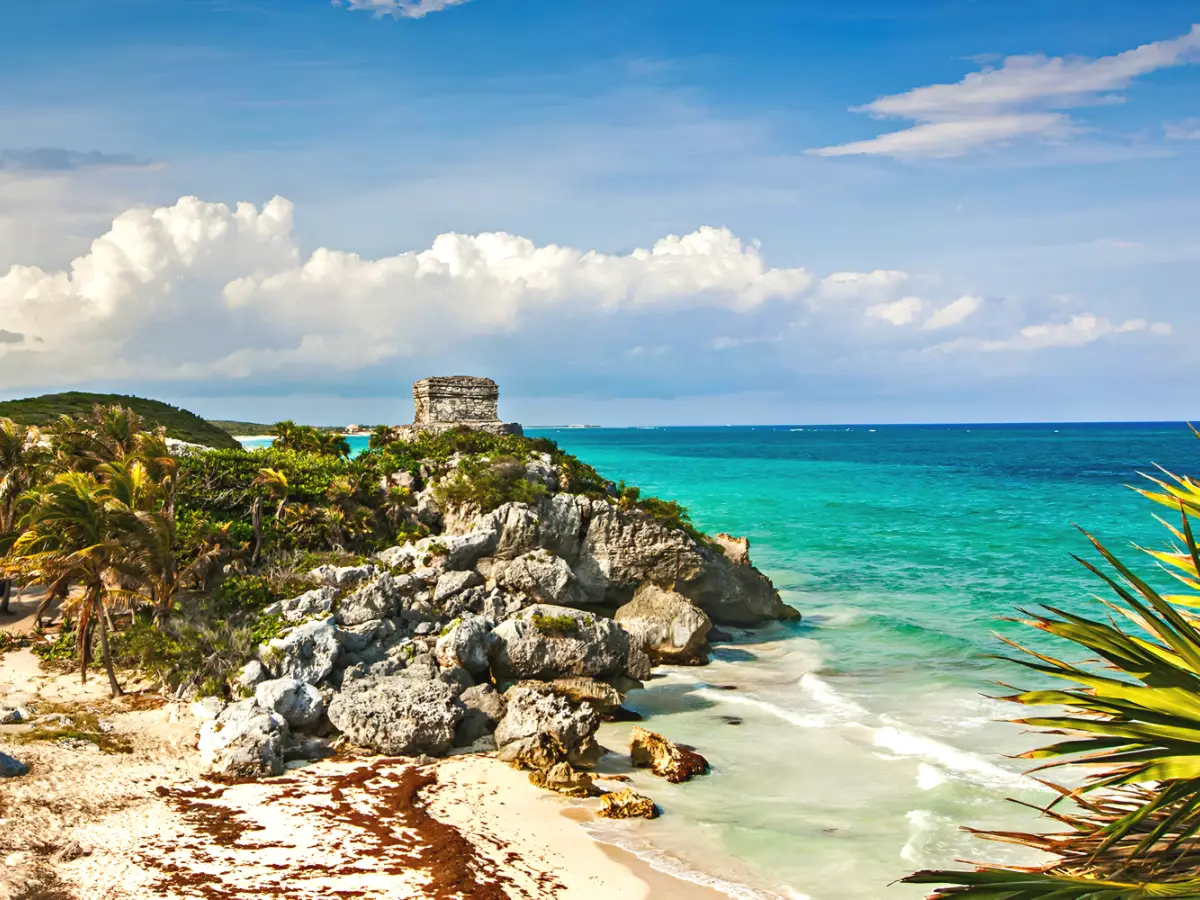
Tulum and the Casa Tortuga cenotes
The only Maya city built facing the Caribbean
from $2,500 MXN per person
See itinerary
6:00 AM – 8:00 PM · daily
- 6:00 AM Boarding — We leave from the downtown office. If your accommodation is on the way, we collect you there — agreed beforehand on WhatsApp.
- 6:30 AM Motorway to the rest stop — An hour and three quarters, with fifteen minutes for toilets and something light.
- 8:30 AM On to Tulum — An hour and a half more to the Quintana Roo coast.
- 10:00 AM Tulum archaeological site — Guided visit to the walled city: El Castillo, the Temple of the Frescoes and the Temple of the Descending God, with the sea behind.
- 12:15 PM Casa Tortuga cenotes and lunch — Four cenotes of different kinds, with a guided route, trails and changing rooms. Lunch is on site.
- 4:00 PM Back to Mérida — Four hours back, with a stop halfway.
Included: Guide accredited by the Ministry of Tourism, Round-trip transport, Lunch, Cenote entry
Not included: Tulum archaeological site entrance, Drinks
Cenotes · 7 h
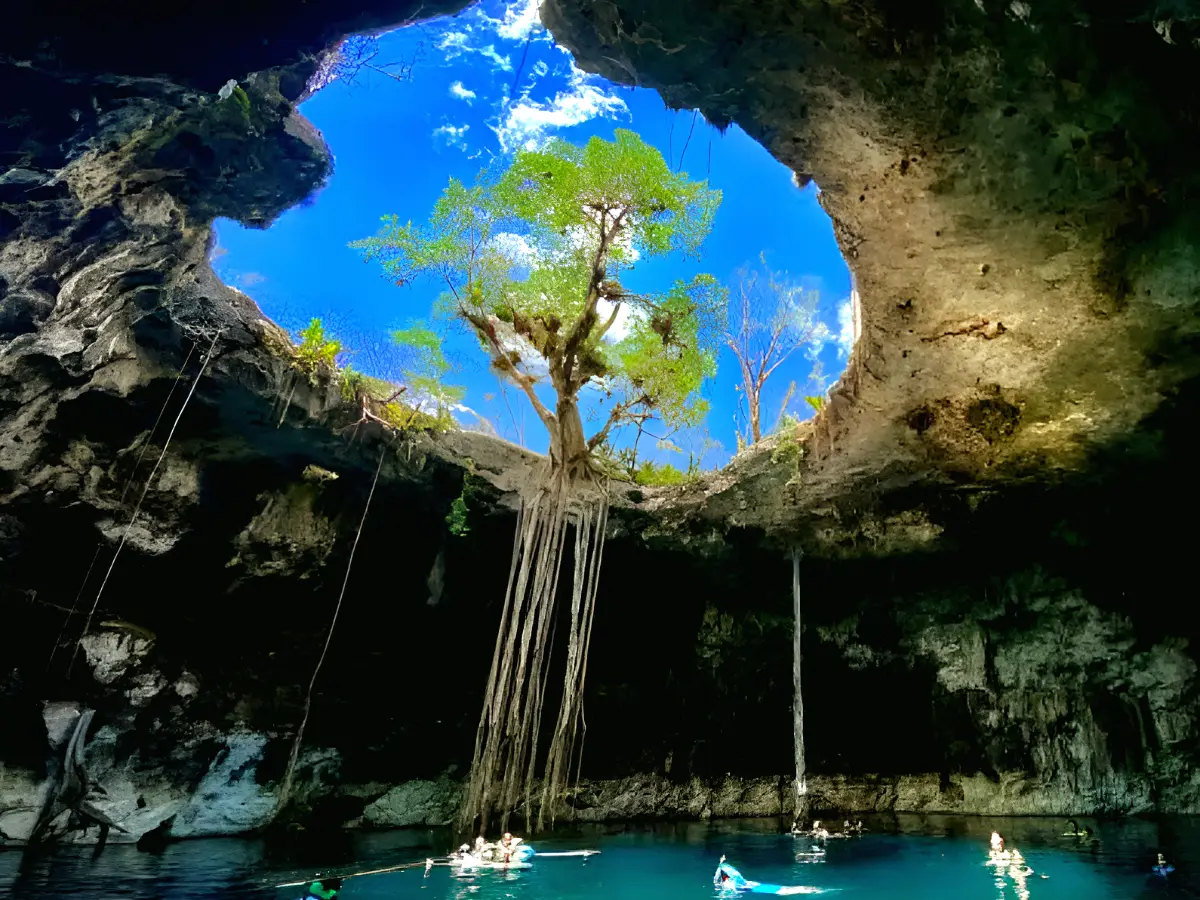
The four cenotes of Santa Bárbara
Four different cenotes and a lunch made by hand
from $1,450 MXN per person
See itinerary
10:00 AM – 5:00 PM · daily
- 10:00 AM Departure from the office — An hour on the road to Homún, through the ring of cenotes.
- 11:00 AM Cascabel cenote — Closed, cave type. You descend inside and the water sits in half-light: the most striking of the four.
- 11:30 AM Chaksikín cenote — Semi-open. You go down between limestone walls painted with Maya-themed murals.
- 12:00 PM Xooch cenote — Semi-open, with a shaft of light that falls straight onto the water mid-morning.
- 12:30 PM Pool Cocom cenote — Open and surrounded by vegetation. You swim along a channel out to the wide part.
- 1:30 PM Regional lunch — Home cooking with hand-made tortillas. Plenty of time to eat without rushing.
- 4:00 PM Back to Mérida — An hour back, arriving around five.
Included: Transport, Certified guide, Entry to all four cenotes, Regional lunch
Not included: Drinks with lunch
Frequently asked questions
What is Yucatán's Maya language called?
Yucatec Maya, often called maaya t'aan.
What does cenote mean?
It comes from Maya ts'ono'ot or dz'onot, a natural well.
What is a sacbé?
A white road built by the Maya.
Is Maya still spoken in Yucatán?
Yes, with regional and social variation.