A port with five centuries of history
For a long time, Sisal was Mérida's door to the sea. According to an article in Glifos, a journal of Mexico's National Institute of Anthropology and History (INAH), the settlement served as an anchorage linking Mérida and Campeche by sea from the 16th century. In 1811 it was declared an official minor port.
Its trade relied on exports of henequen, chicle and logwood (a source of dye), and lasted until 1871, when the maritime customs house moved to the new port of Progreso. The Yucatán state government recognizes Sisal as Progreso's predecessor as the hub of the state's port trade.
A name that traveled the world
Henequen, the agave fiber used for rope and sacks, was shipped out through Sisal. In international trade, agave fiber came to be linked with the name of the port it sailed from, which is why many languages use sisal for agave fibers. It's a trace of the outsized role this small port played in Yucatán's economy.
Sisal today
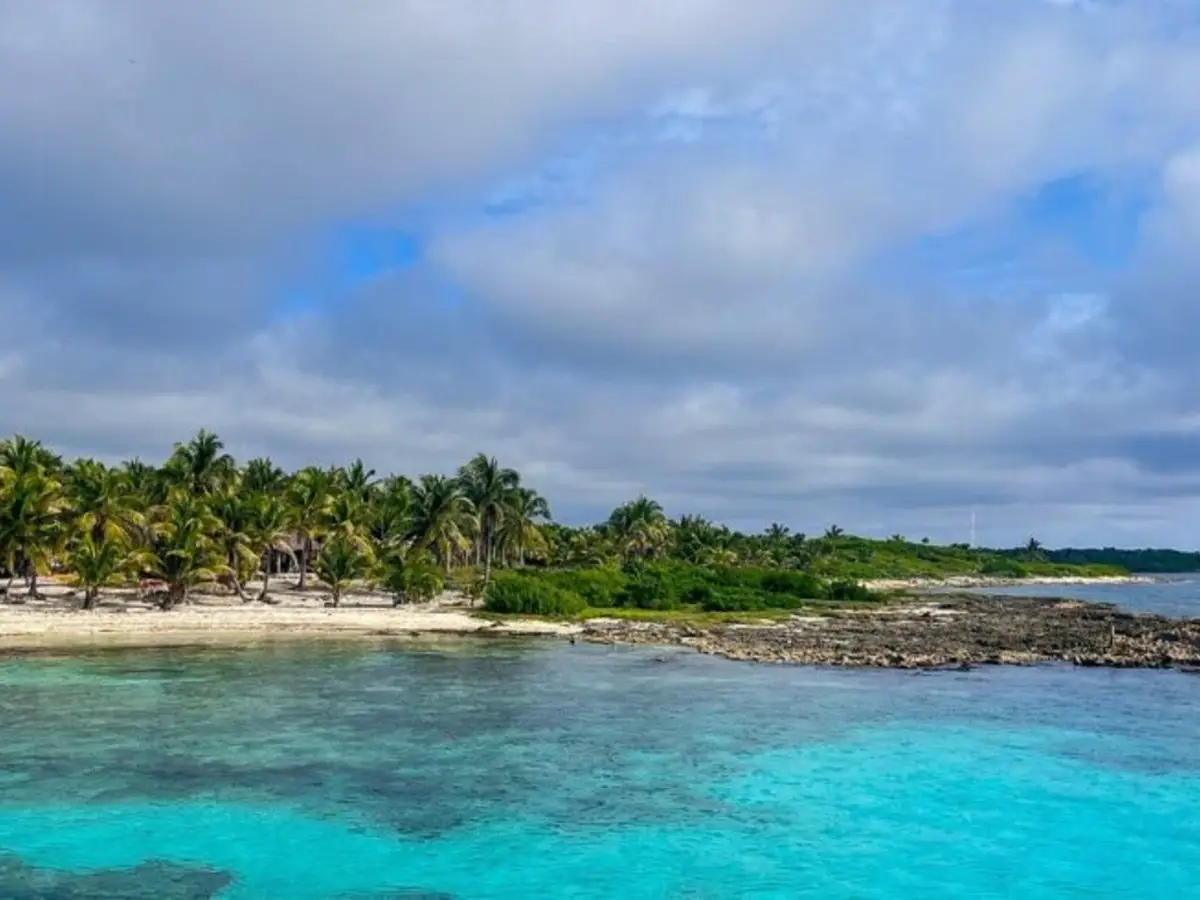
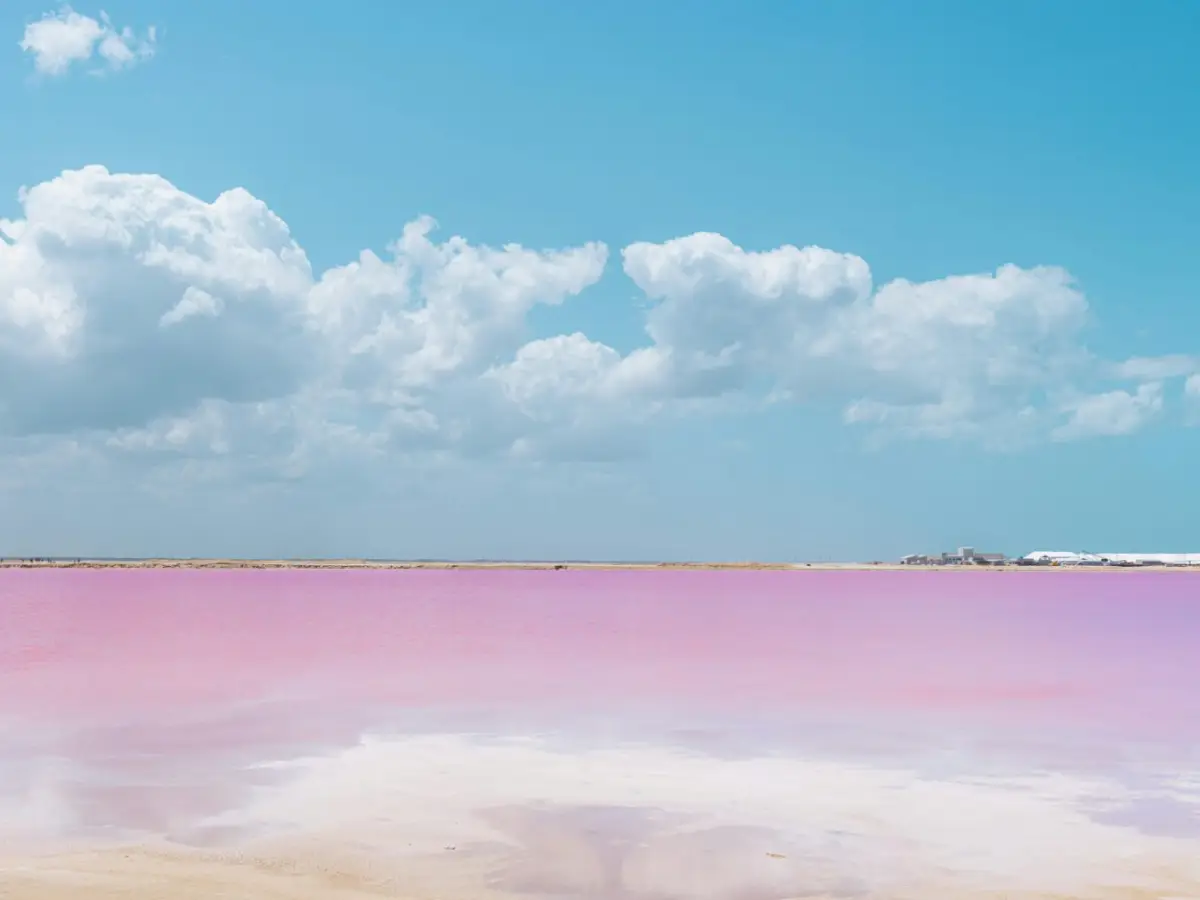
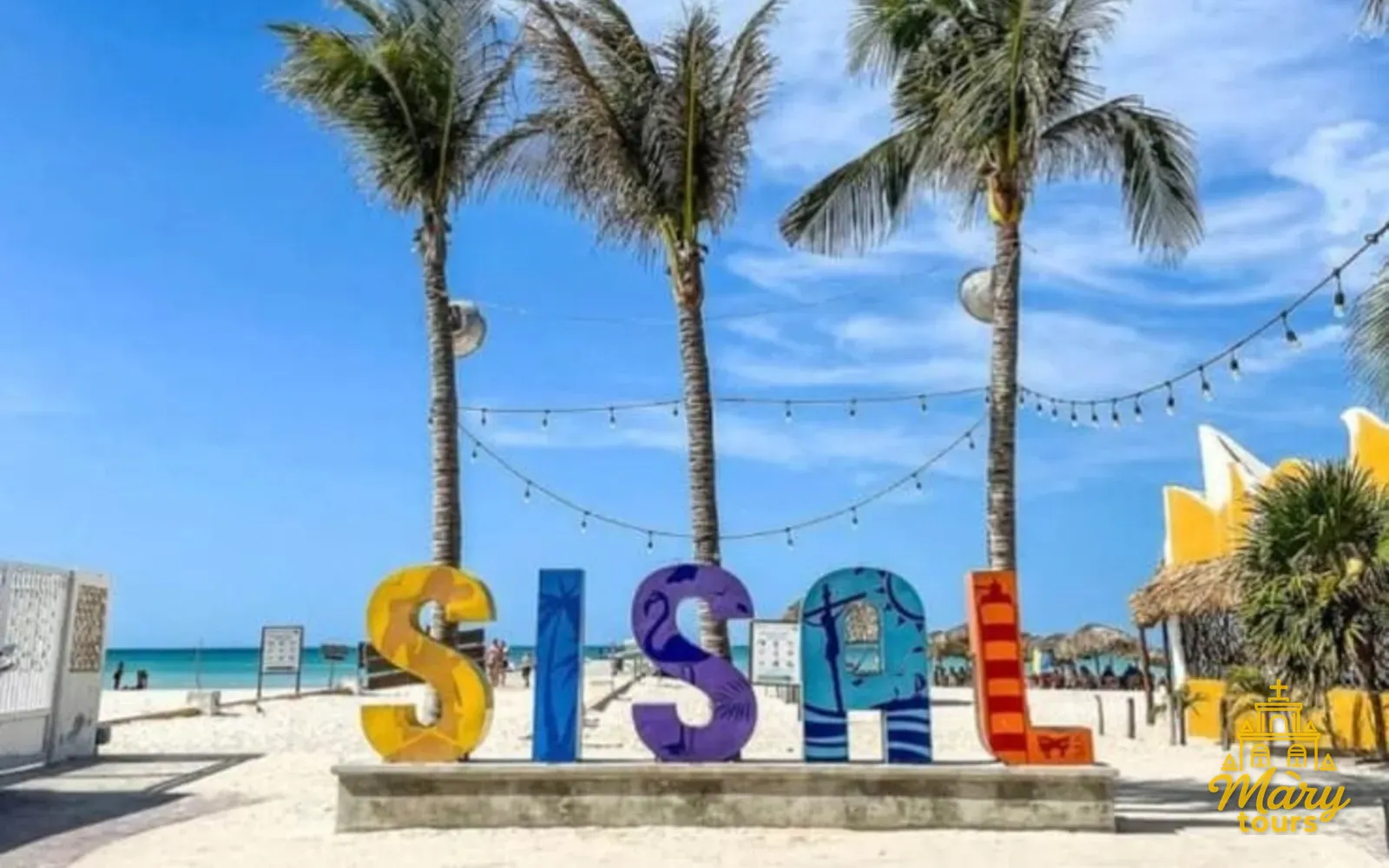
After 1871, Sisal lost its commercial role and became a fishing village. That pause left it with a relaxed feel: a wide beach, fishing boats and, behind the shore, a mangrove wetland where you can watch birds, including pink flamingos in certain seasons.
Tips for visiting
- Bring a hat, water and sun protection: there's little natural shade on the beach.
- For the wetland, repellent and a light long-sleeve shirt.
- Keep your distance from birds and leave no trash in the mangroves.
- Flamingo sightings depend on the season.
Sisal from Mérida
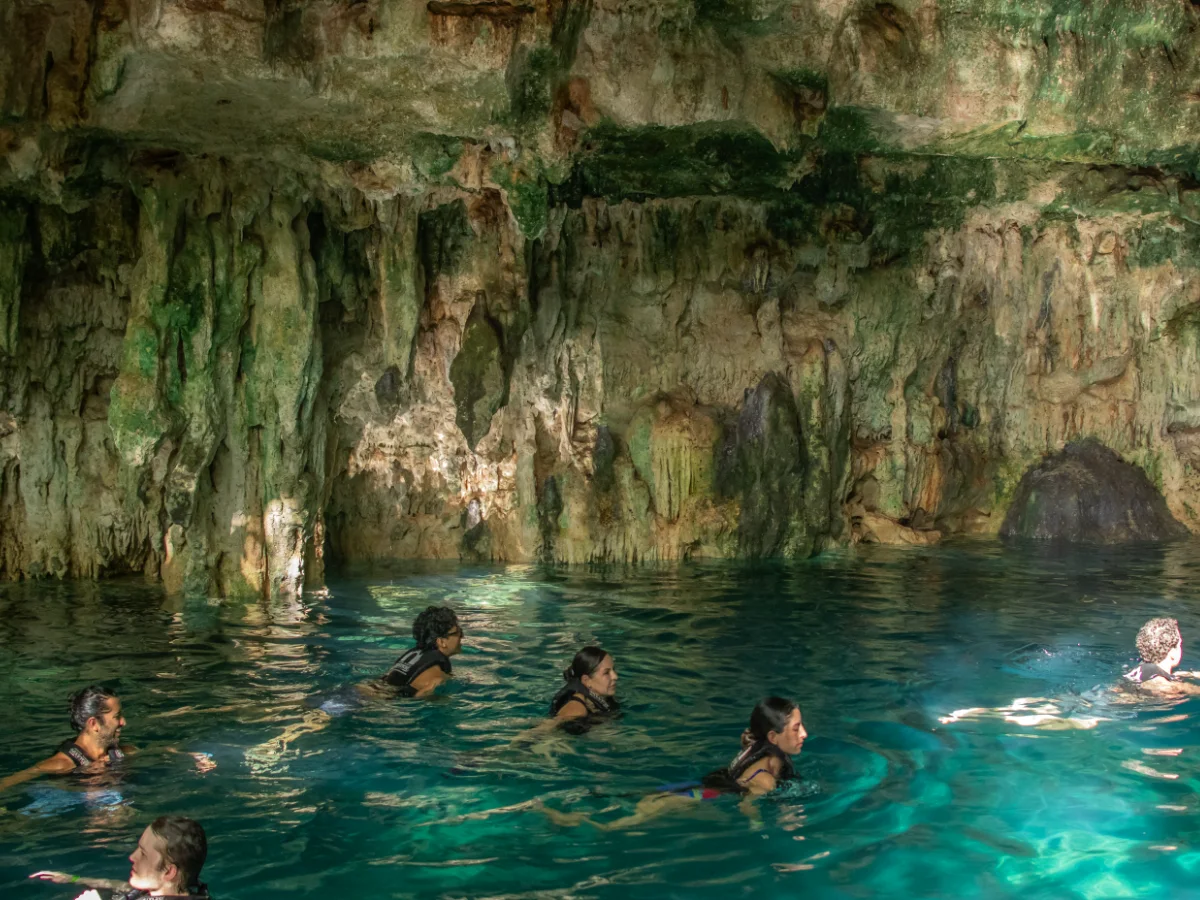
Mary Tours' Sisal: kayak, flamingos and beach trip includes a kayak or flat-bottomed boat ride through the coastal mangrove wetland, with birdwatching and a dip in a freshwater spring, followed by several free hours on Sisal's beach, where there are seafood spots and palapas (thatched shades) for rent.
Mary Tours' office is on Calle 61 in Mérida's historic center; check schedule and price in the booking section.
| Period | What happened |
|---|---|
| 16th century | Anchorage linking Mérida and Campeche by sea |
| 1811 | Declared an official minor port |
| 19th century | Exports henequen, chicle and logwood |
| 1871 | Customs house moves to Progreso |
| Today | Fishing village with beach and wetlands |
Fun facts
- Sisal served as an anchorage from the 16th century.
- The word "sisal" for agave fiber comes from this port's name.
- Chicle and logwood also shipped out through Sisal.
Related tours
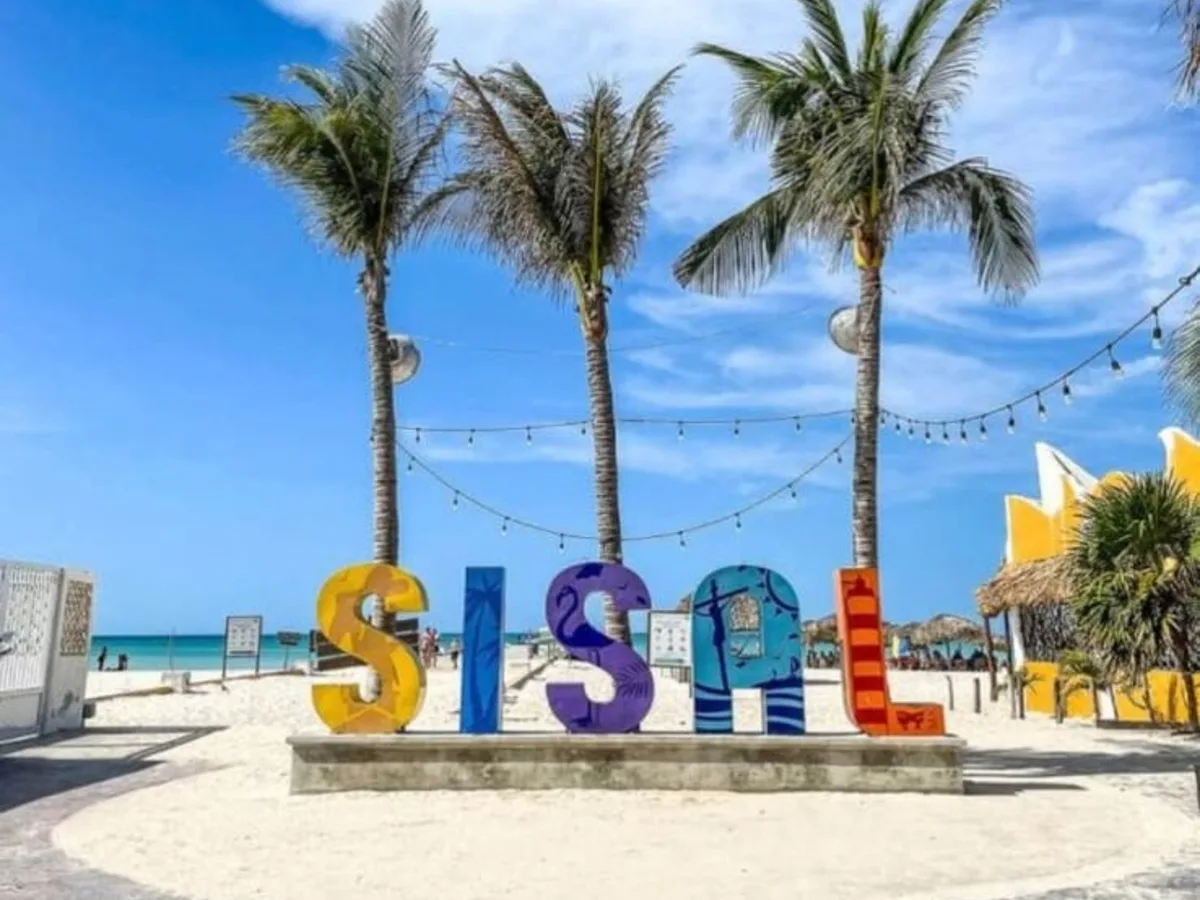
Beach · 9.5 h
Sisal: kayak, flamingos and beach
A magic town that is still a fishing port
from $1,500 MXN per person
See itinerary
8:00 AM – 5:30 PM · daily
- 8:00 AM Departure from the office — An hour and a half on the road to the port.
- 10:00 AM Kayaking in the coastal wetland — A paddle by kayak or flat-bottomed boat through the mangrove, with birdwatching — pink flamingos included — and a dip in a freshwater spring.
- 11:45 AM Sisal beach — Over four hours free. There are seafood places along the shore and palapas you can rent for shade.
- 4:00 PM Back to Mérida — An hour and a half back.
Included: Transport, Kayaking in the coastal wetlands, Free time on the beach
Not included: Food, Drinks, Palapa rental
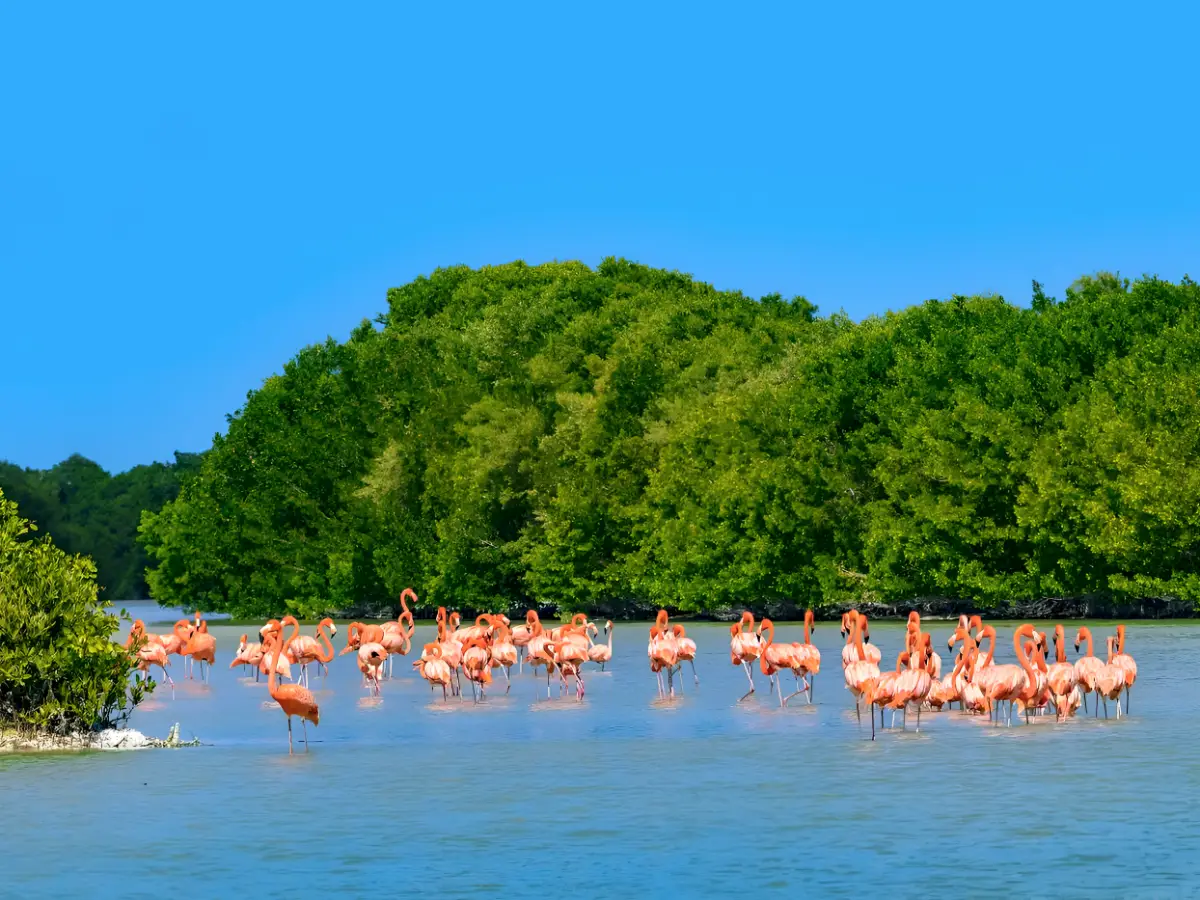
Nature · 9 h
Celestún and the pink flamingos
The largest flamingo colony in North America
from $1,600 MXN per person
See itinerary
8:00 AM – 5:00 PM · daily
- 8:00 AM Departure from the office — An hour and a half west, out to the port.
- 9:30 AM Boat ride — Flamingo and bird watching, the mangrove tunnel, the freshwater spring and the Maya bath on the sandbar.
- 11:00 AM Lunch by the beach — Fish, octopus or shrimp from the gulf, at a table facing the sea.
- 1:00 PM Free time on the beach — Almost three hours to swim, walk the shore or do nothing at all.
- 4:00 PM Back to Mérida — Arriving around five.
Included: Transport, Guide, Boat ride, Lunch from a set menu
Not included: Drinks
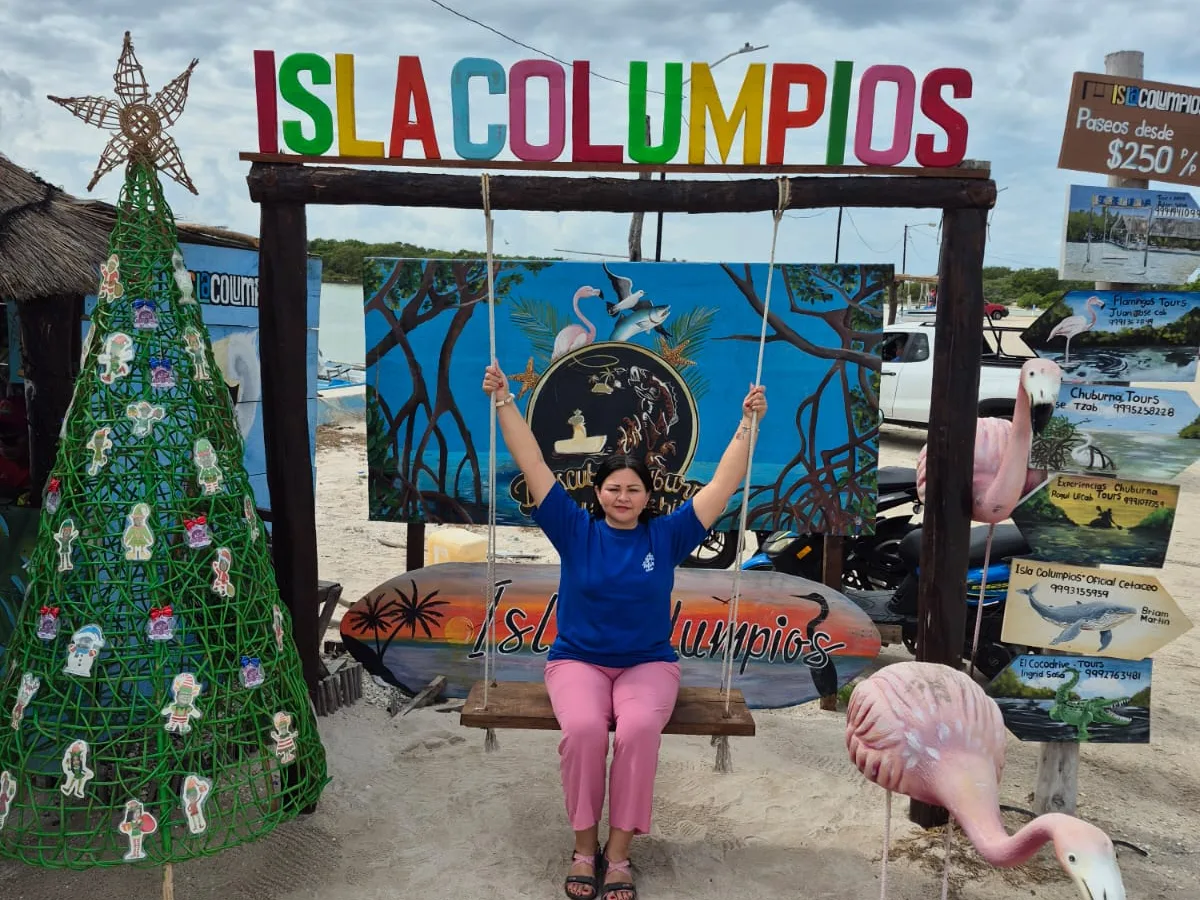
Beach · 8 h
North Coast and Isla Columpios
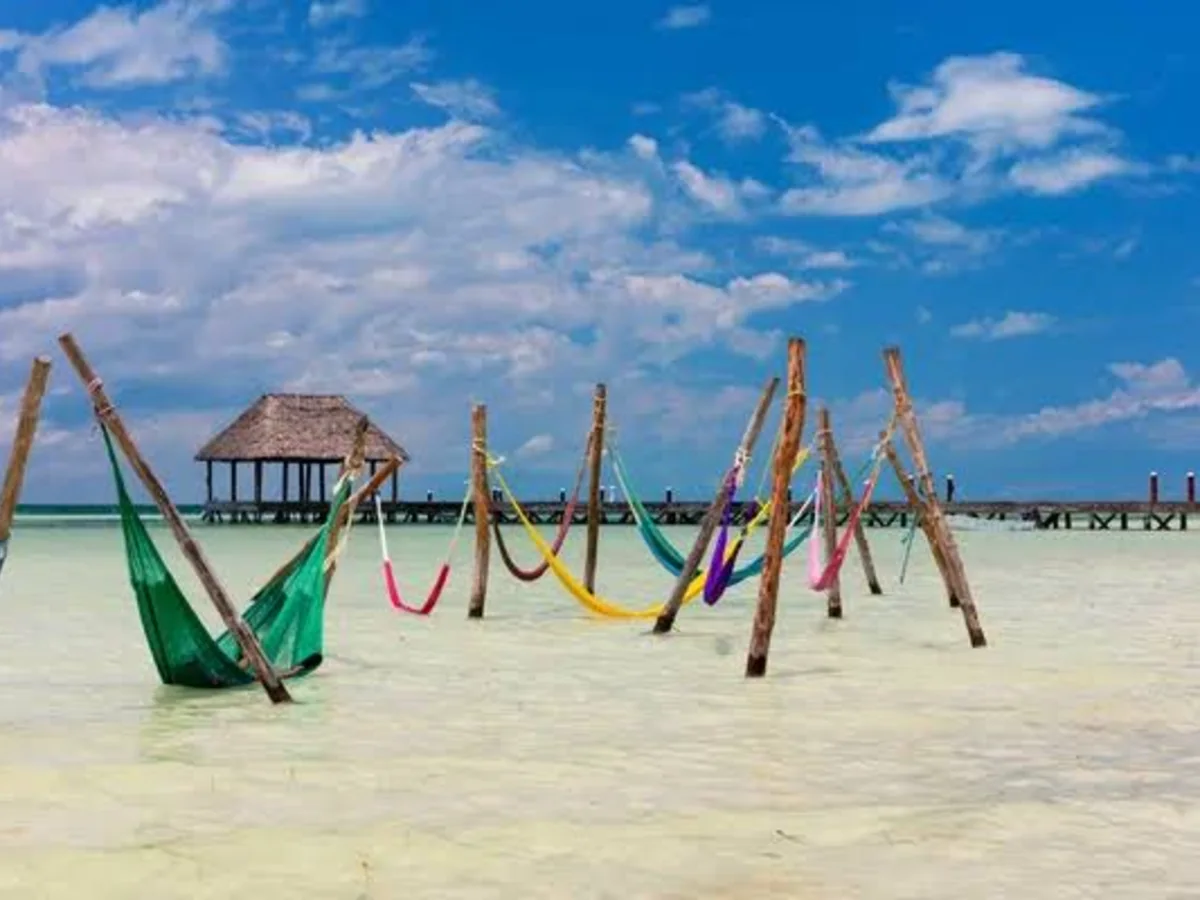
Wooden swings driven straight into the sea
from $1,250 MXN per person
See itinerary
10:00 AM – 6:00 PM · daily
- 10:00 AM Departure from the office — An hour and a quarter to the Chuburná harbour, where the boat leaves from.
- 11:30 AM Isla Columpios — Turquoise water barely past your knees, swings and hammocks over the sea, and mangrove all around full of birds.
- 1:00 PM Chuburná dunes — White sand mounds shaped by the wind, with nobody around. Good for walking and for photos.
- 2:30 PM Puerto Progreso — Free afternoon: eat on the seafront, walk the pier or stay on the beach.
- 5:30 PM Back to Mérida — Half an hour back, arriving around six.
Included: Transport, Certified guide, Boat and Isla Columpios entry
Not included: Food, Drinks
Frequently asked questions
Why is the fiber called sisal?
Yucatán's henequen was shipped through the port of Sisal, and the port's name became attached to agave fiber in international trade.
When did Sisal stop being the main port?
In 1871, when the maritime customs house moved to Progreso.
Are there flamingos in Sisal?
They can be seen in the coastal wetland in certain seasons, but sightings aren't guaranteed.
How far is Sisal from Mérida?
Mary Tours' trip takes about an hour and a half by road from central Mérida.