Where it is and what it covers
Ría Lagartos stretches along the northern coast of eastern Yucatán and reaches a little into Quintana Roo. On the Yucatán side it includes parts of the municipalities of Río Lagartos, San Felipe and Tizimín. It was established on May 21, 1999, and according to Mexico's National Commission of Natural Protected Areas (CONANP) it covers 60,347.83 hectares (about 233 square miles).
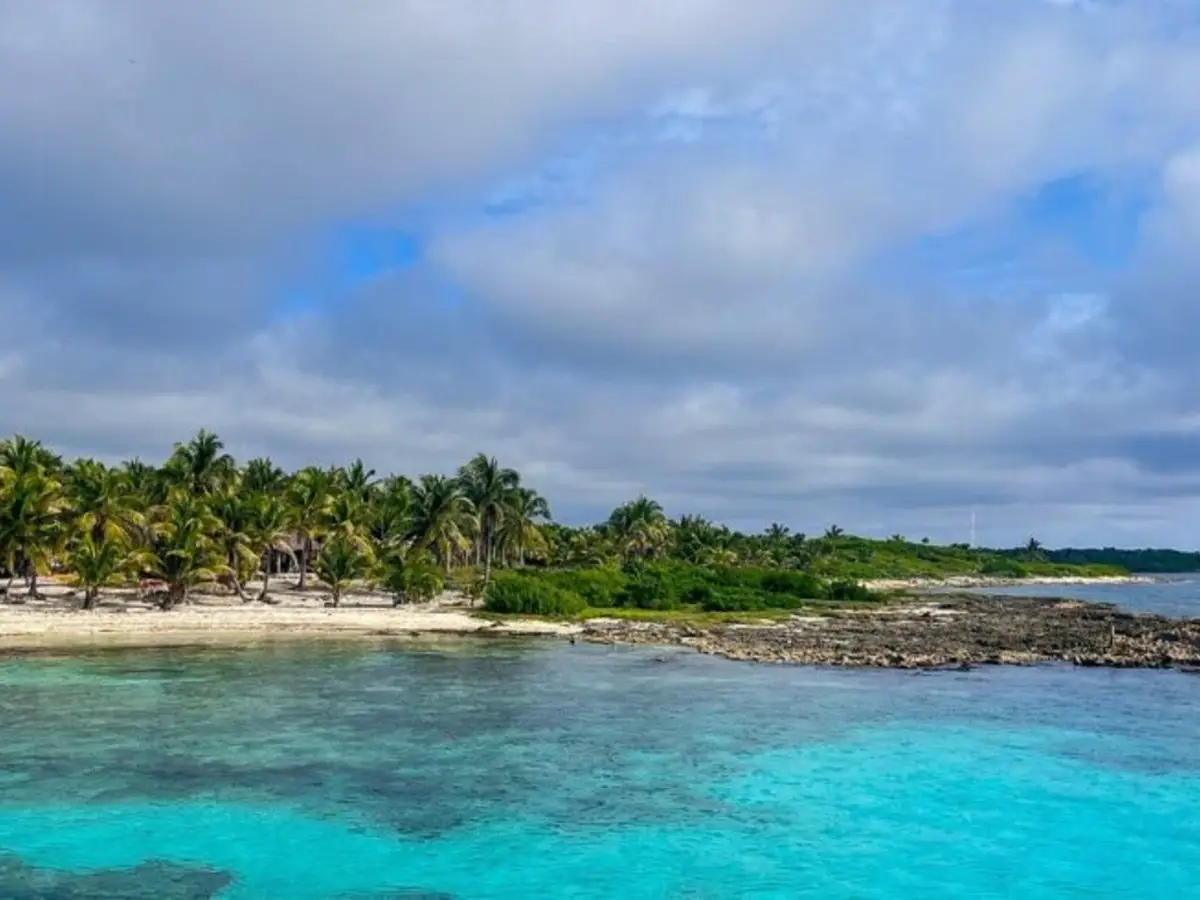
At its heart is a long, narrow estuary sheltered from the sea by a sandbar, surrounded by mangroves, beaches, coastal dunes and forest. The reserve is recognized internationally as a Ramsar wetland and as part of UNESCO's Man and the Biosphere program.
A patchwork of ecosystems
CONANP's official fact sheet describes several ecosystems packed close together:
- Mangroves, including all four species found in Mexico: red, black, white and buttonwood.
- Low deciduous and semi-deciduous forest, which drops part of its leaves in the dry season.
- Coastal dune vegetation, which holds the sand in place and protects the shoreline.
Representative plants include the kuka and chit palms, both native to the peninsula.
Wildlife: flamingos, crocodiles and more
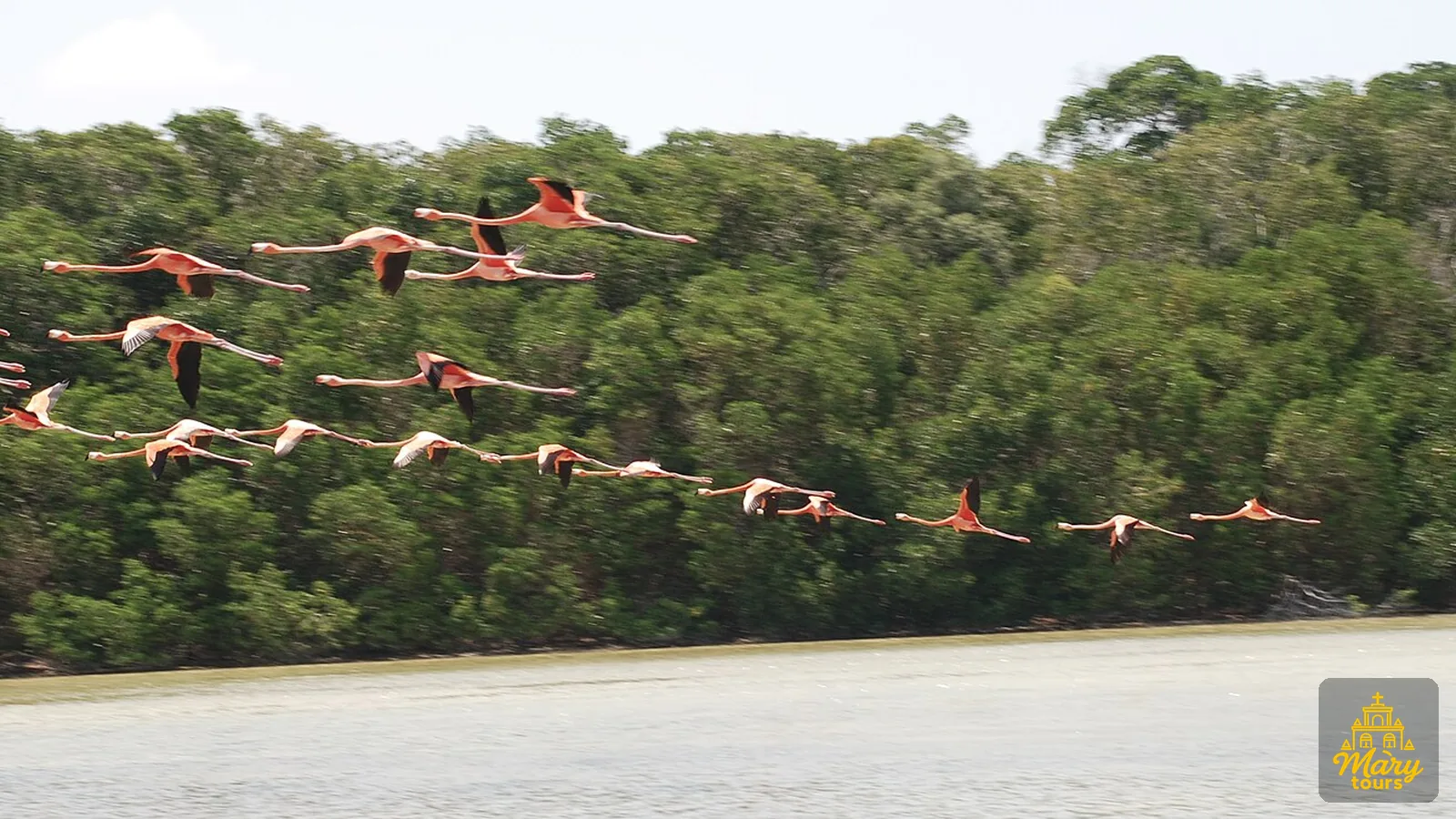
Ría Lagartos is one of the peninsula's nesting sites for the Caribbean flamingo. The reserve's fact sheet also lists Morelet's crocodile (Crocodylus moreletii) among its representative species.
What surprises many visitors: the reserve has records of jaguars, ocelots, margays and spider monkeys. They're elusive and rarely seen from a boat, but their presence shows the ecosystem is still connected. The coast is also a nesting site for sea turtles and a resting place for migratory birds.
No species is guaranteed on any given trip; what you see depends on the day.
How to visit responsibly
- Follow signs and zoning: some areas are off-limits.
- Don't remove plants or animals, shells included.
- Pack out your trash.
- Give wildlife space: your boat captain knows how close to get to flamingos and crocodiles, so don't ask for more.
- Sun, water and repellent: the boat is open and the mangroves can have mosquitoes.
Ría Lagartos and Las Coloradas
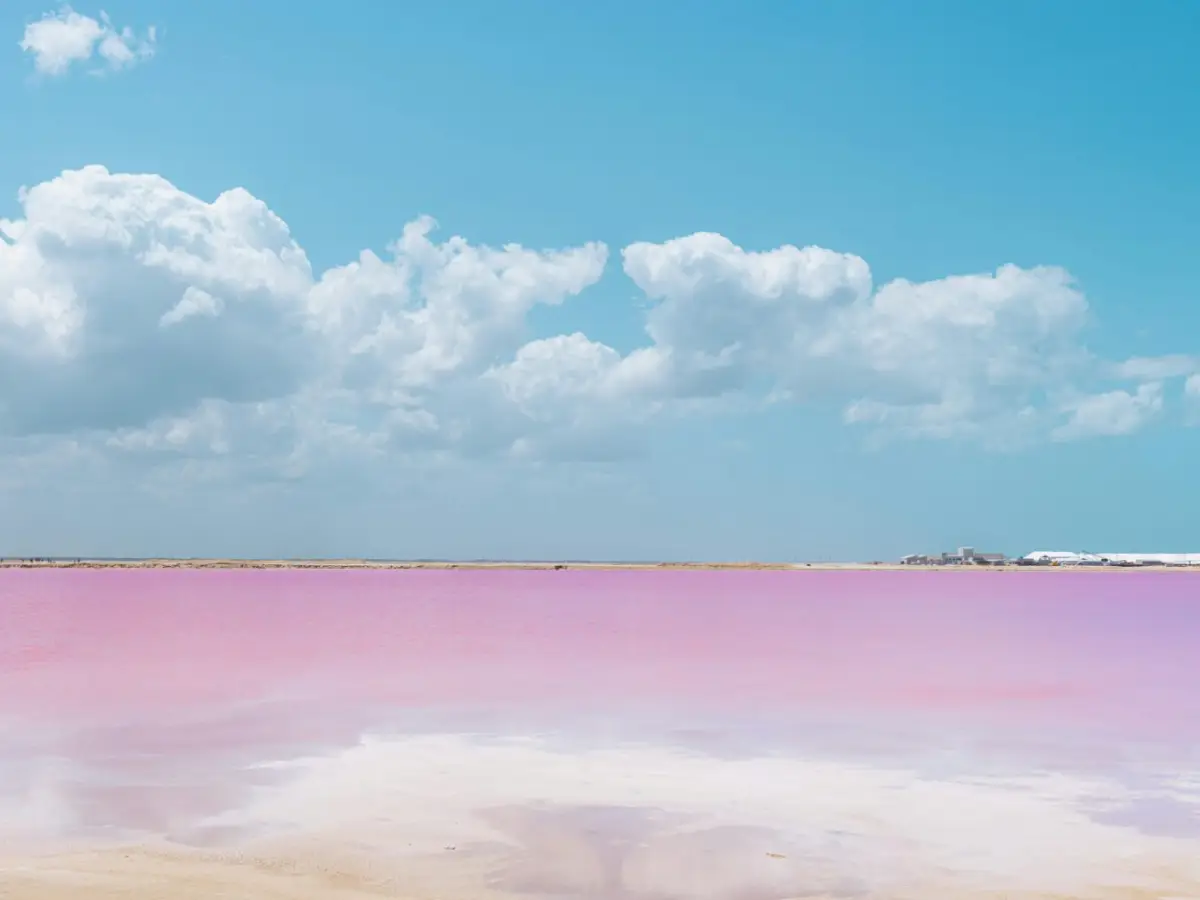
The pink salt ponds of Las Coloradas are just down the coast, part of the same region. That's why the two are usually paired: the ponds' color in the morning and the estuary's mangroves afterward.
Ría Lagartos on a day trip from Mérida
Mary Tours' Las Coloradas and Río Lagartos tour combines a guided walk beside the pink ponds, a quiet beach inside the reserve, a boat ride on the estuary (mangrove channels, flamingo-viewing areas, crocodiles in their habitat and a mud bath) and lunch in the fishing town. There's also a private transfer for those who'd rather go on their own.
Mary Tours' office is on Calle 61 in Mérida's historic center. Schedule and price are in the booking section.
| Details | |
|---|---|
| Category | Biosphere Reserve (federal) |
| Created | May 21, 1999 |
| Area | 60,347.83 hectares |
| States | Yucatán and Quintana Roo |
| Ecosystems | Mangroves, estuary, beaches, dunes and forest |
| Designations | Ramsar and UNESCO MaB |
Fun facts
- All four mangrove species found in Mexico grow in Ría Lagartos.
- The reserve has records of jaguars, ocelots and spider monkeys.
- Besides flamingos, its beaches are nesting grounds for sea turtles.
Related tours
Nature · 12 h
Las Coloradas and Río Lagartos
Genuinely pink lagoons, and flamingos in the estuary
from $1,400 MXN per person
See itinerary
7:00 AM – 8:00 PM · daily
- 7:00 AM Departure from the office — Almost three hours to the north coast, with a stop halfway.
- 9:50 AM Las Coloradas — A guided walk beside the pink, white and orange pools of the salt works. No swimming: it is a protected area.
- 11:00 AM Cancunito beach — A rustic beach inside the reserve, calm water and hardly anyone around.
- 12:30 PM Boat ride through the estuary — Channels through the mangroves, flamingo watching areas, crocodiles in their habitat and the mineral mud bath.
- 2:15 PM Lunch in Río Lagartos — Fresh fish, ceviche, octopus or tikin xic on the waterfront of the fishing village.
- 4:15 PM Back to Mérida — Nearly four hours back, arriving around eight.
Included: Transport, Guide, Boat ride, Lunch from a set menu
Not included: Las Coloradas entrance, Drinks
Transfers · 11 h
Transfer to Las Coloradas and Río Lagartos
The pink lagoons and the beach, with the van at your disposal
from $2,850 MXN per vehicle
Nature · 9 h
Celestún and the pink flamingos
The largest flamingo colony in North America
from $1,600 MXN per person
See itinerary
8:00 AM – 5:00 PM · daily
- 8:00 AM Departure from the office — An hour and a half west, out to the port.
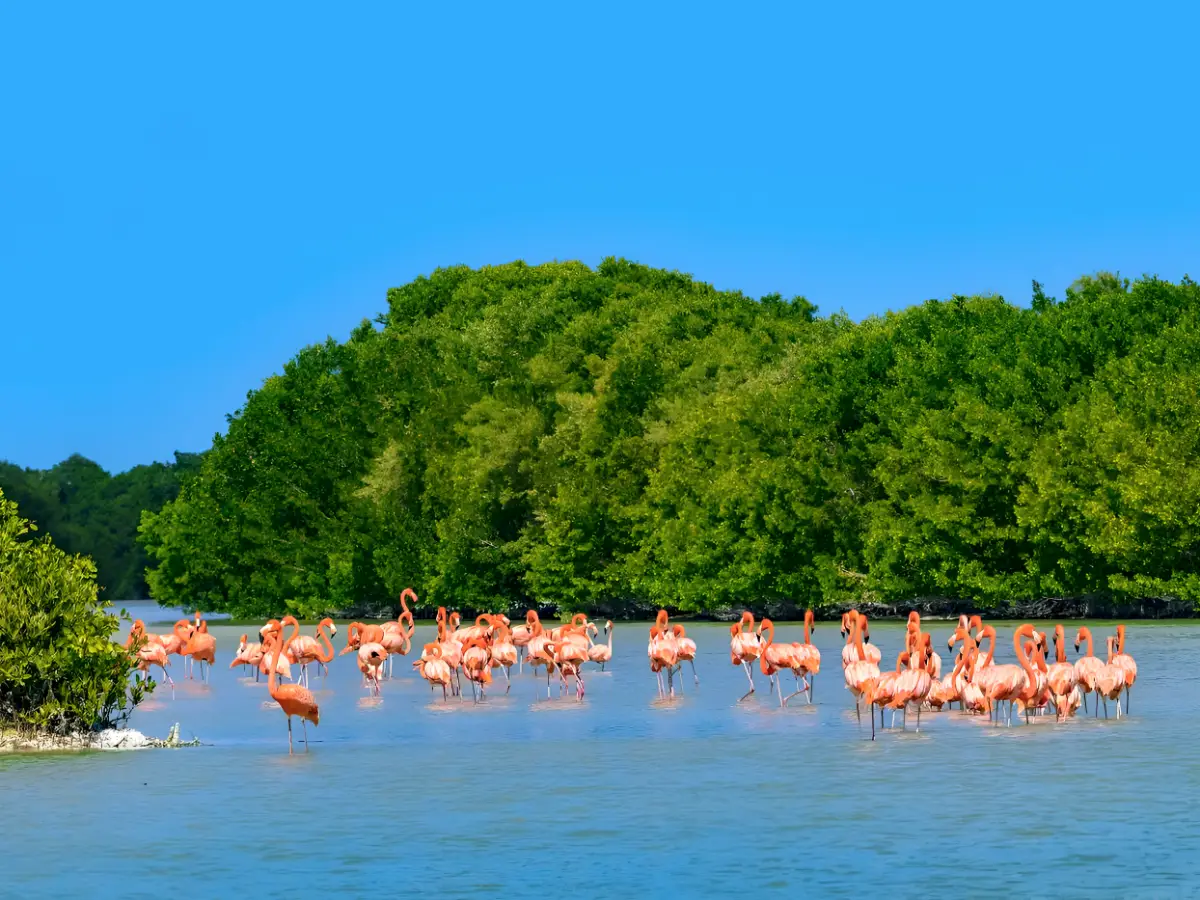
- 9:30 AM Boat ride — Flamingo and bird watching, the mangrove tunnel, the freshwater spring and the Maya bath on the sandbar.
- 11:00 AM Lunch by the beach — Fish, octopus or shrimp from the gulf, at a table facing the sea.
- 1:00 PM Free time on the beach — Almost three hours to swim, walk the shore or do nothing at all.
- 4:00 PM Back to Mérida — Arriving around five.
Included: Transport, Guide, Boat ride, Lunch from a set menu
Not included: Drinks
Frequently asked questions
What's the difference between Río Lagartos and Ría Lagartos?
Río Lagartos is the town and municipality; Ría Lagartos is the estuary and the biosphere reserve around it.
Will I see crocodiles at Ría Lagartos?
Morelet's crocodile is a representative species and is often spotted on boat tours, but sightings aren't guaranteed.
Are there jaguars in Ría Lagartos?
Jaguars, ocelots and other wild cats have been recorded, but they're very elusive and almost never seen on a tour.
When is the best time to see flamingos there?
Numbers change every year. CONANP reports that many flamingos move toward Ría Lagartos and the east coast in summer.
Can I visit on a day trip from Mérida?
Yes. Mary Tours offers a day trip combining Las Coloradas and Río Lagartos, as well as a private transfer.