Why there are different types
All cenotes start the same way: water dissolves limestone, forms a cave and the roof gives way, according to Mexico's protected-areas commission (CONANP). What varies is how much has collapsed. A cenote with its roof intact except for one hole is a very different experience from one where the roof is gone and the water lies in the sun.
The classification visitors use
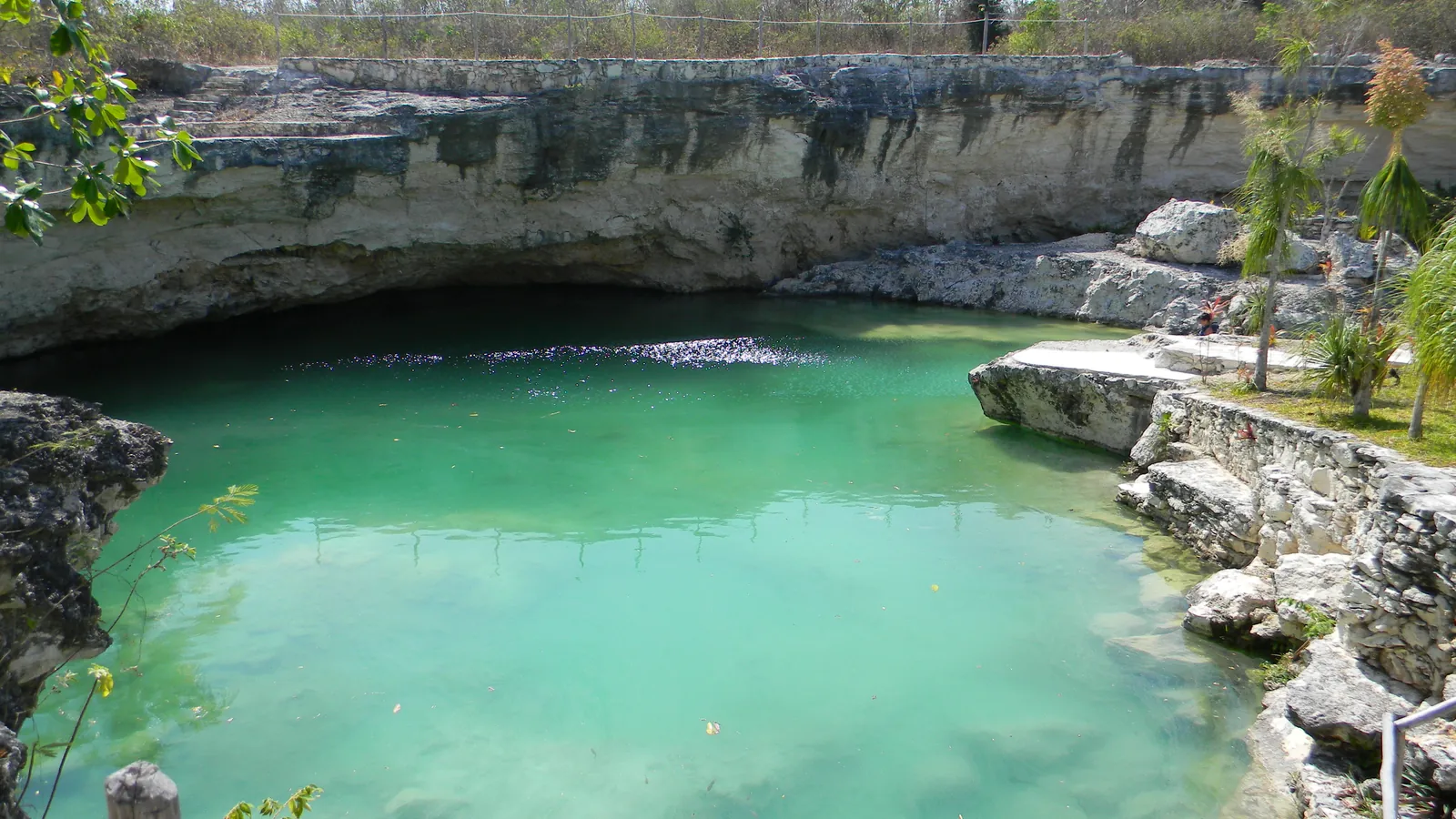
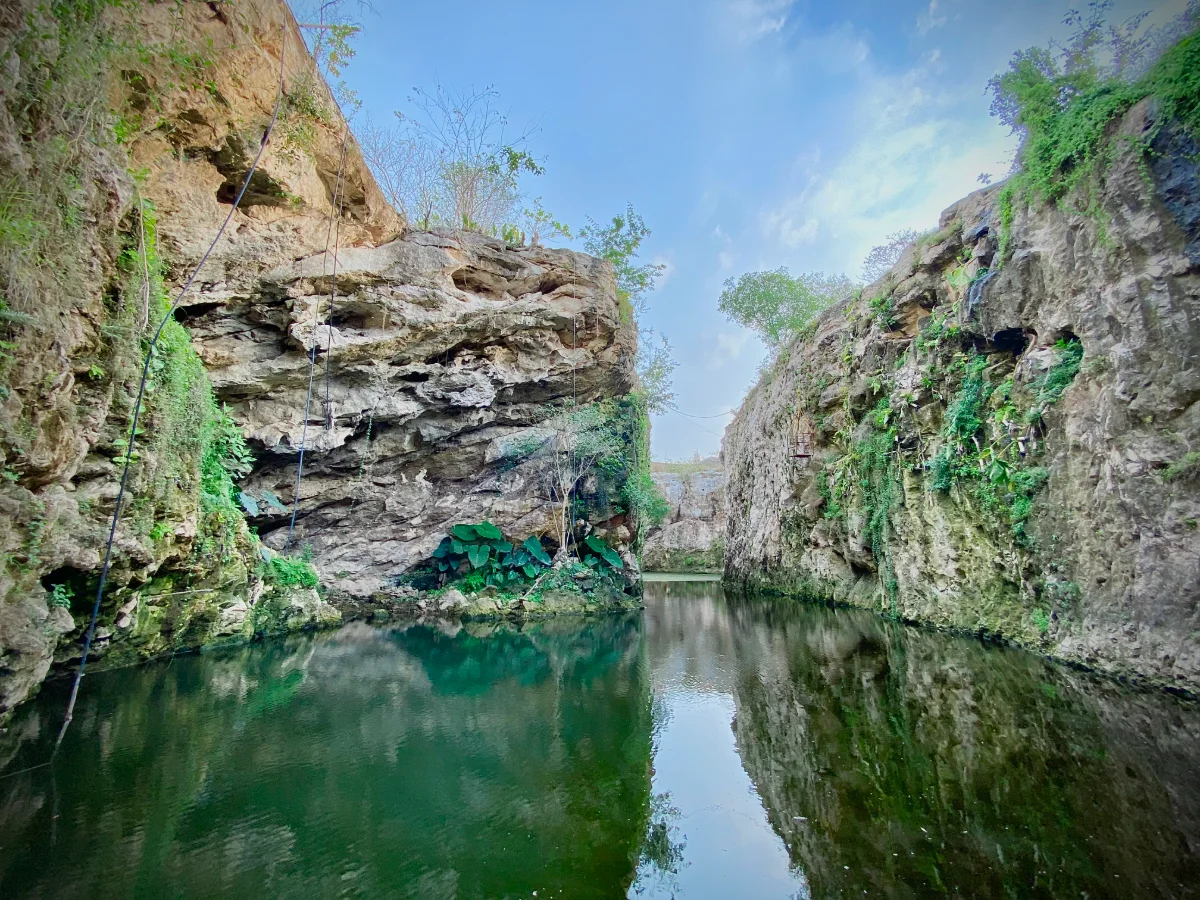
- Open: the roof is completely gone. The water lies under open sky, ringed by vegetation, and can look like a small pond.
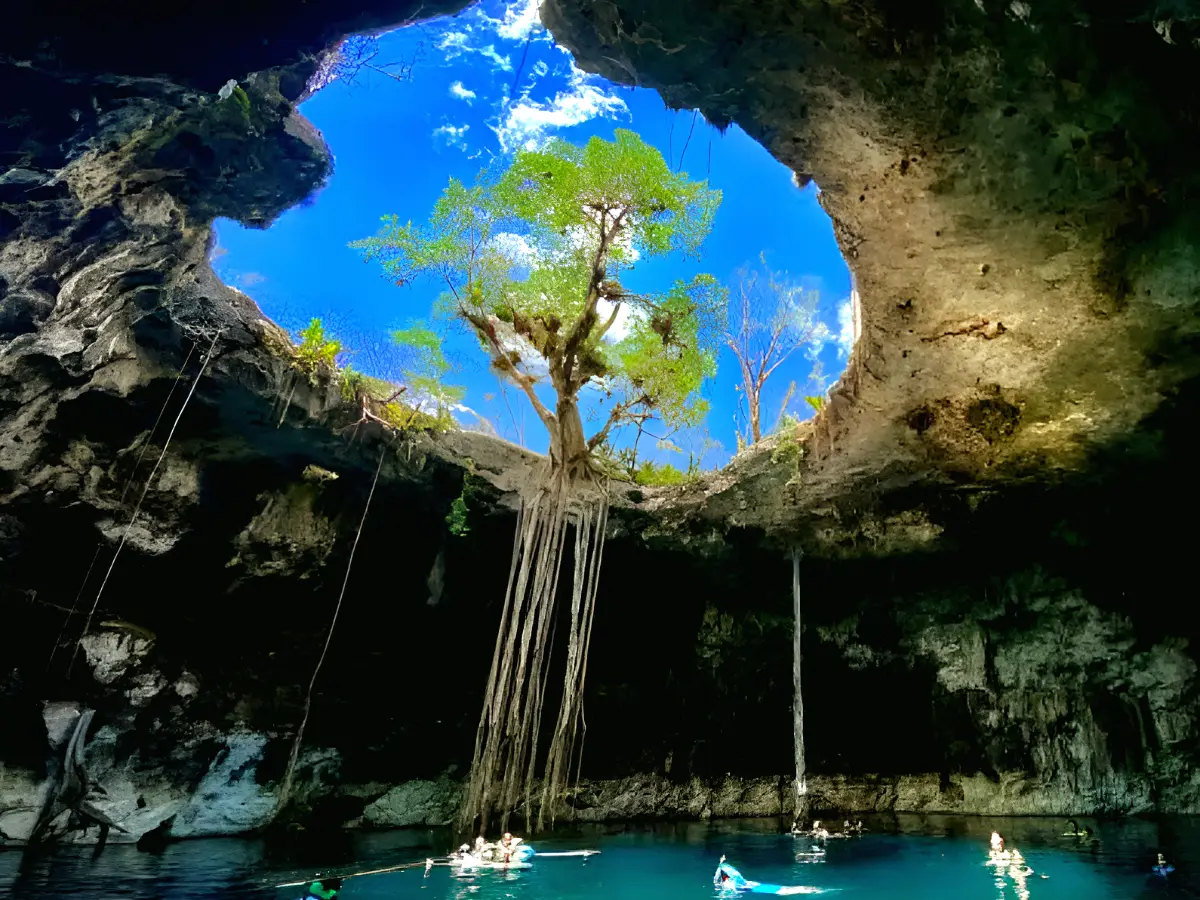
- Semi-open: part of the roof remains. The opening is smaller than the pool, and a shaft of light pours in.
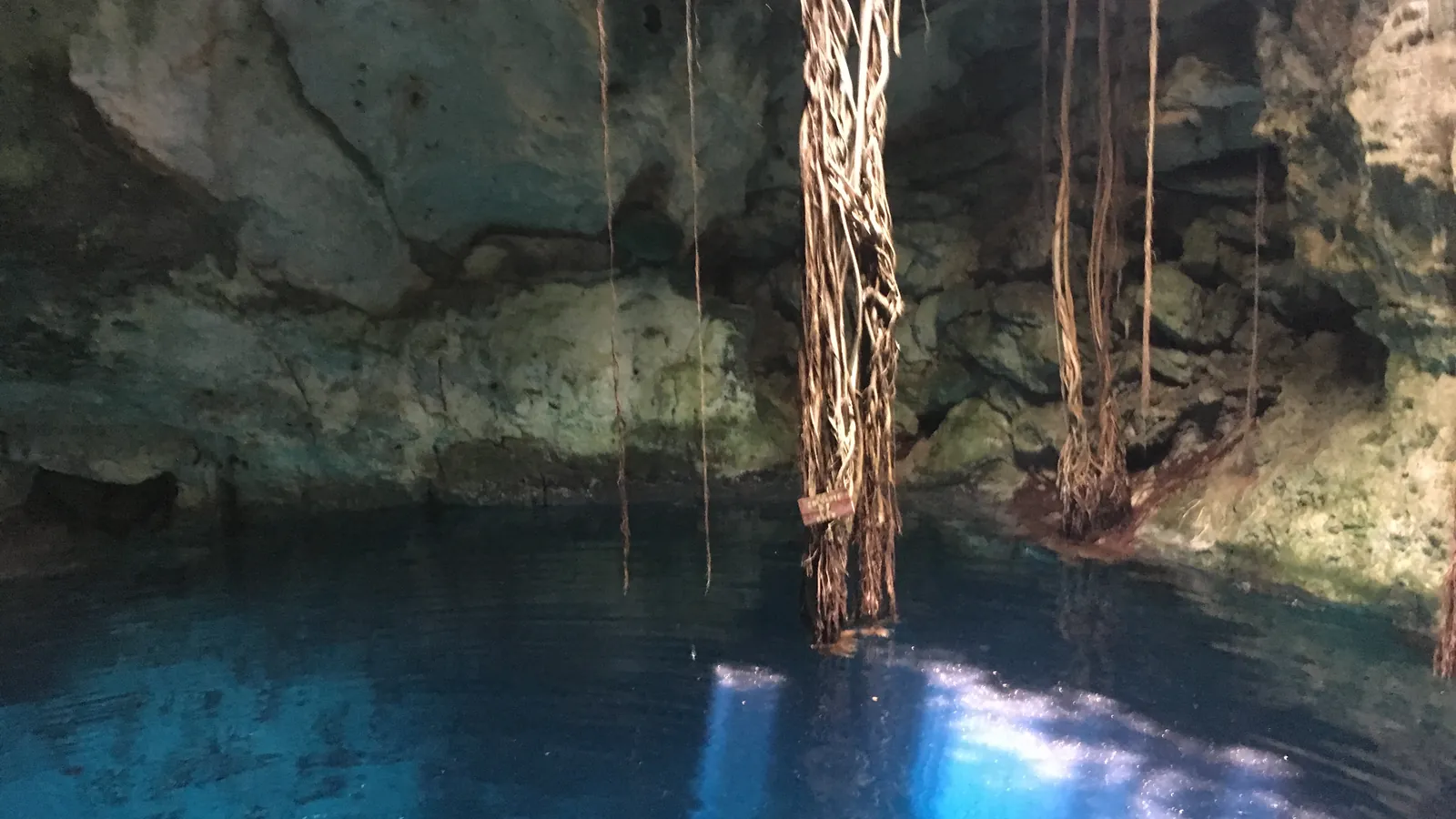
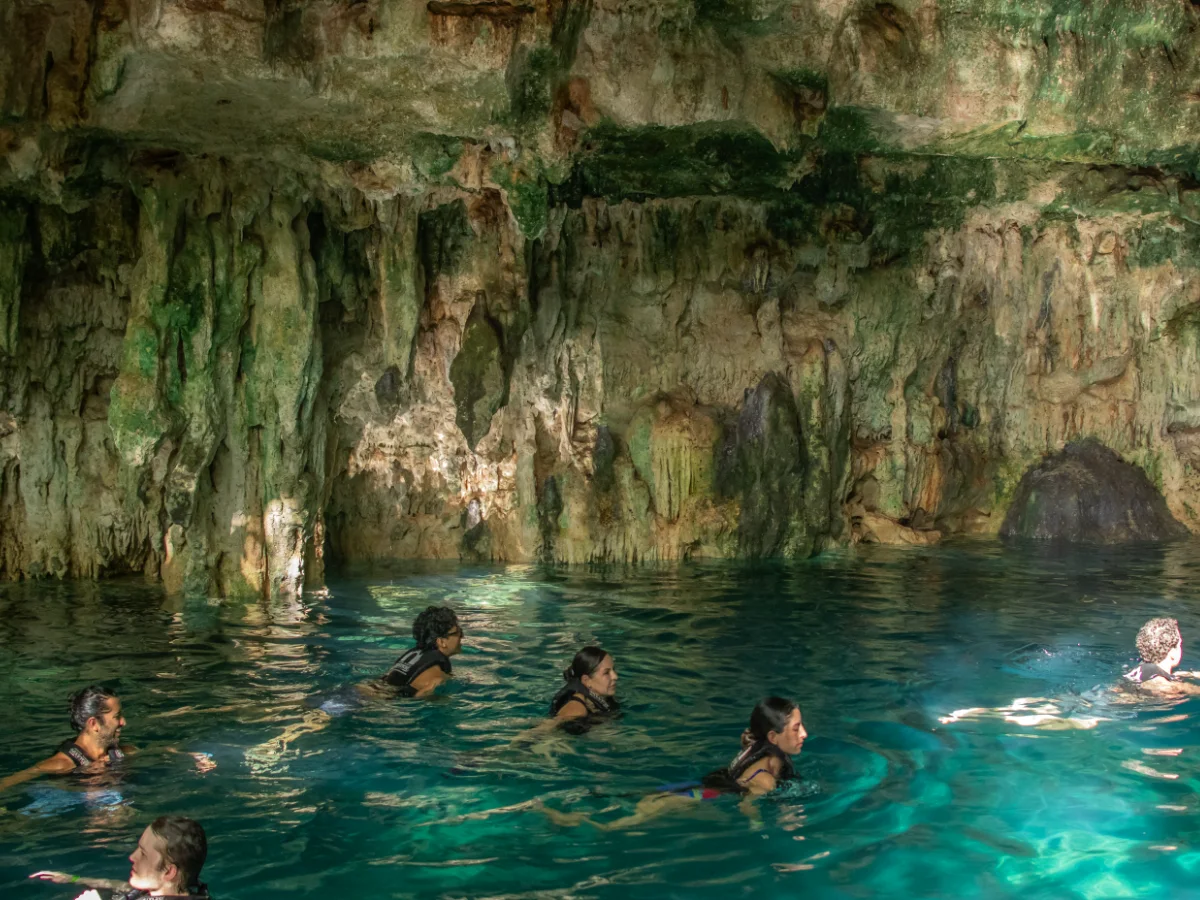
- Closed or cave: nearly all the roof still stands. You descend stairs into a dim vault, sometimes with stalactites.
The classic 1936 classification
In 1936, the Carnegie Institution of Washington published The Cenotes of Yucatan, which proposed four types based on shape:
- Jug: the opening is narrower than the water body.
- Cylinder: vertical walls.
- Aguada: shallow basins.
- Cave: a horizontal entrance with dry sections.
That scheme was based on what could be seen above the water, before the vast networks of flooded caves known today were explored.
What to expect in each
The table on this page sums up the practical differences: light, how you get in and who each type suits.
Tips
- In closed cenotes, floors and stairs are usually wet: wear non-slip shoes.
- In open cenotes, protect yourself from the sun, but skip sunscreen before swimming.
- Everywhere: a life vest if you're not a confident swimmer, and hands off the formations.
Seeing several types in one day from Mérida
Mary Tours' Santa Bárbara cenotes trip in Homún is ideal for comparing: Cascabel is a closed cave cenote, Chaksikín and Xooch are semi-open, and Pool Cocom is open. Tulum and Casa Tortuga also visits four cenotes of different types. The office is on Calle 61 in Mérida's historic center.
| Type | Light | How you get in | Best for |
|---|---|---|---|
| Open | Direct sun | Shore or short stairs | Swimming in daylight surrounded by greenery |
| Semi-open | A shaft of light | Stairs down | Photos with light beams |
| Closed / cave | Dim | Stairs inside the vault | Anyone after something dramatic |
Fun facts
- A 1936 study classified cenotes as jug, cylinder, aguada and cave types.
- Open cenotes are the ones that have lost their entire roof.
- In Homún you can see all three main types in one place.
Related tours
Cenotes · 7 h
The four cenotes of Santa Bárbara
Four different cenotes and a lunch made by hand
from $1,450 MXN per person
See itinerary
10:00 AM – 5:00 PM · daily
- 10:00 AM Departure from the office — An hour on the road to Homún, through the ring of cenotes.
- 11:00 AM Cascabel cenote — Closed, cave type. You descend inside and the water sits in half-light: the most striking of the four.
- 11:30 AM Chaksikín cenote — Semi-open. You go down between limestone walls painted with Maya-themed murals.
- 12:00 PM Xooch cenote — Semi-open, with a shaft of light that falls straight onto the water mid-morning.
- 12:30 PM Pool Cocom cenote — Open and surrounded by vegetation. You swim along a channel out to the wide part.
- 1:30 PM Regional lunch — Home cooking with hand-made tortillas. Plenty of time to eat without rushing.
- 4:00 PM Back to Mérida — An hour back, arriving around five.
Included: Transport, Certified guide, Entry to all four cenotes, Regional lunch
Not included: Drinks with lunch
Cenotes · 9 h
Izamal and the Santa Bárbara cenotes
Izamal early, and the whole afternoon in four cenotes
from $1,550 MXN per person
See itinerary
8:00 AM – 6:00 PM · daily
- 8:00 AM Departure from the office — An hour on the road to Izamal.
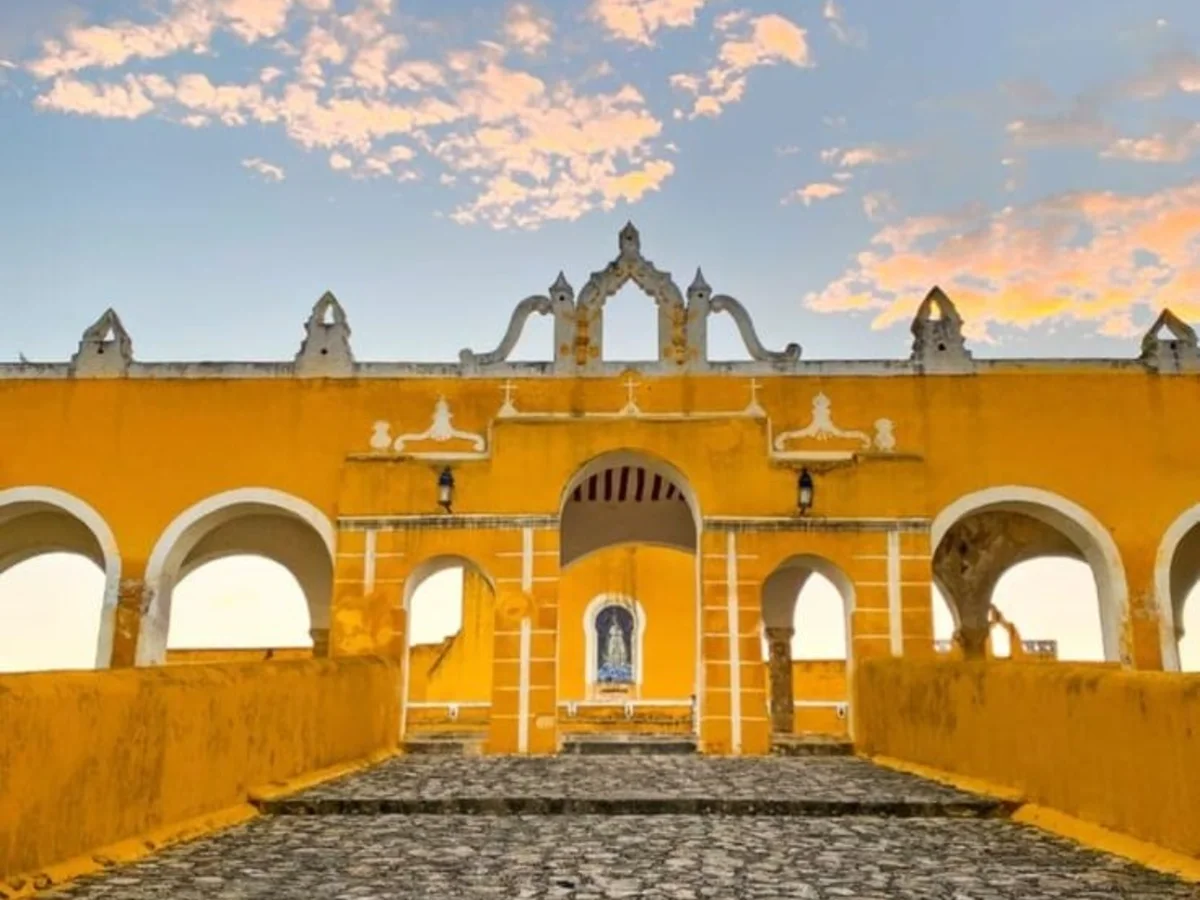
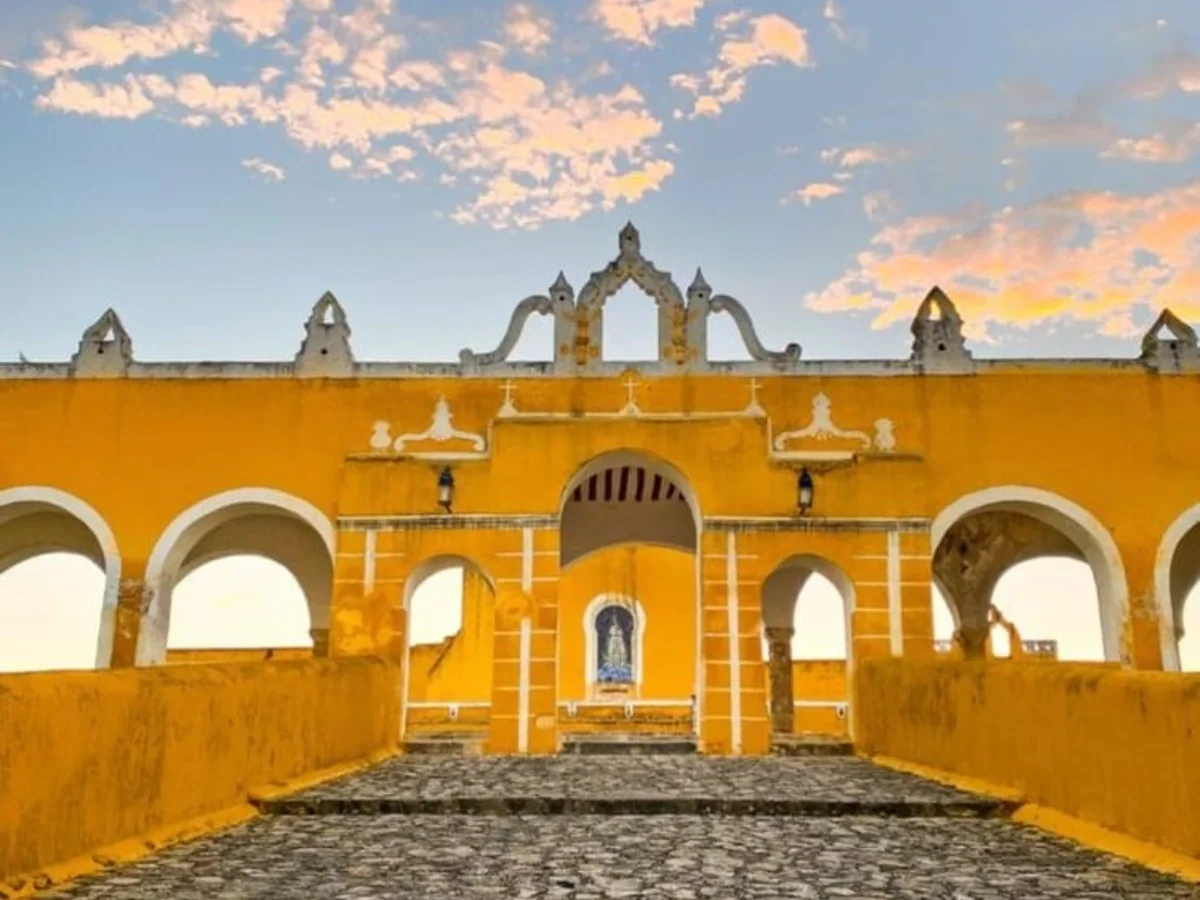
- 9:00 AM Izamal — The San Antonio de Padua convent, raised on a Maya platform, the Kinich Kakmó pyramid and the yellow streets.
- 10:30 AM On to Homún — An hour and a quarter through small towns to the cenote grounds.
- 12:00 PM Santa Bárbara cenotes — Five hours inside: Cascabel in a cavern, Chaksikín with its shaft of light, and Xooch and Pool Cocom in the open. You move between them by bike or cart, and lunch is served on site.
- 5:00 PM Back to Mérida — An hour back.
Included: Transport, General culture guide, Entrances, Lunch
Not included: Drinks
Cenotes · 7 h
Hacienda Mucuyché
A stone channel joining two cenotes
from $1,800 MXN per person
See itinerary
9:30 AM – 4:00 PM · daily
- 9:30 AM Departure from the office — An hour on the road to the estate, in the municipality of Abalá.
- 10:30 AM Check-in and historical tour — A guide from the estate itself explains how the henequen business worked and what survives of it.
- 11:00 AM Carlota and Azul Maya cenotes — Two hours in the water. To move between the cenotes you cross the channel, swimming or along the stone path.
- 1:00 PM Time for lunch — Yucatecan food at the estate restaurant, paid per order. There is a pool for anyone who wants to stay in the water.
- 3:00 PM Back to Mérida — An hour back.
Included: Transport, Guide, Entry to the hacienda and cenotes
Not included: Food, Drinks
 Coupon −$300 MXN per person
Caribbean · 14 h
Tulum and the Casa Tortuga cenotes
The only Maya city built facing the Caribbean
from $2,500 MXN per person
See itinerary
6:00 AM – 8:00 PM · daily
- 6:00 AM Boarding — We leave from the downtown office. If your accommodation is on the way, we collect you there — agreed beforehand on WhatsApp.
- 6:30 AM Motorway to the rest stop — An hour and three quarters, with fifteen minutes for toilets and something light.
- 8:30 AM On to Tulum — An hour and a half more to the Quintana Roo coast.
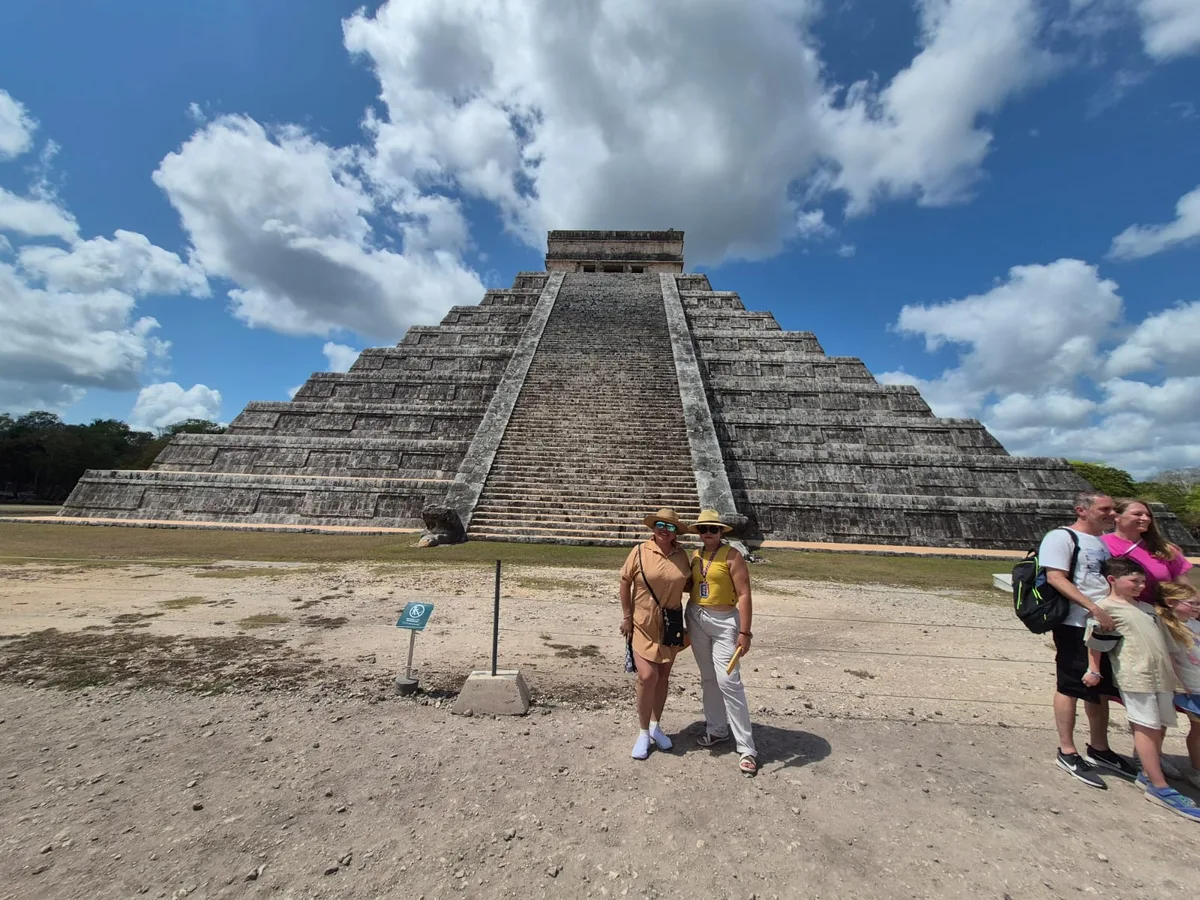
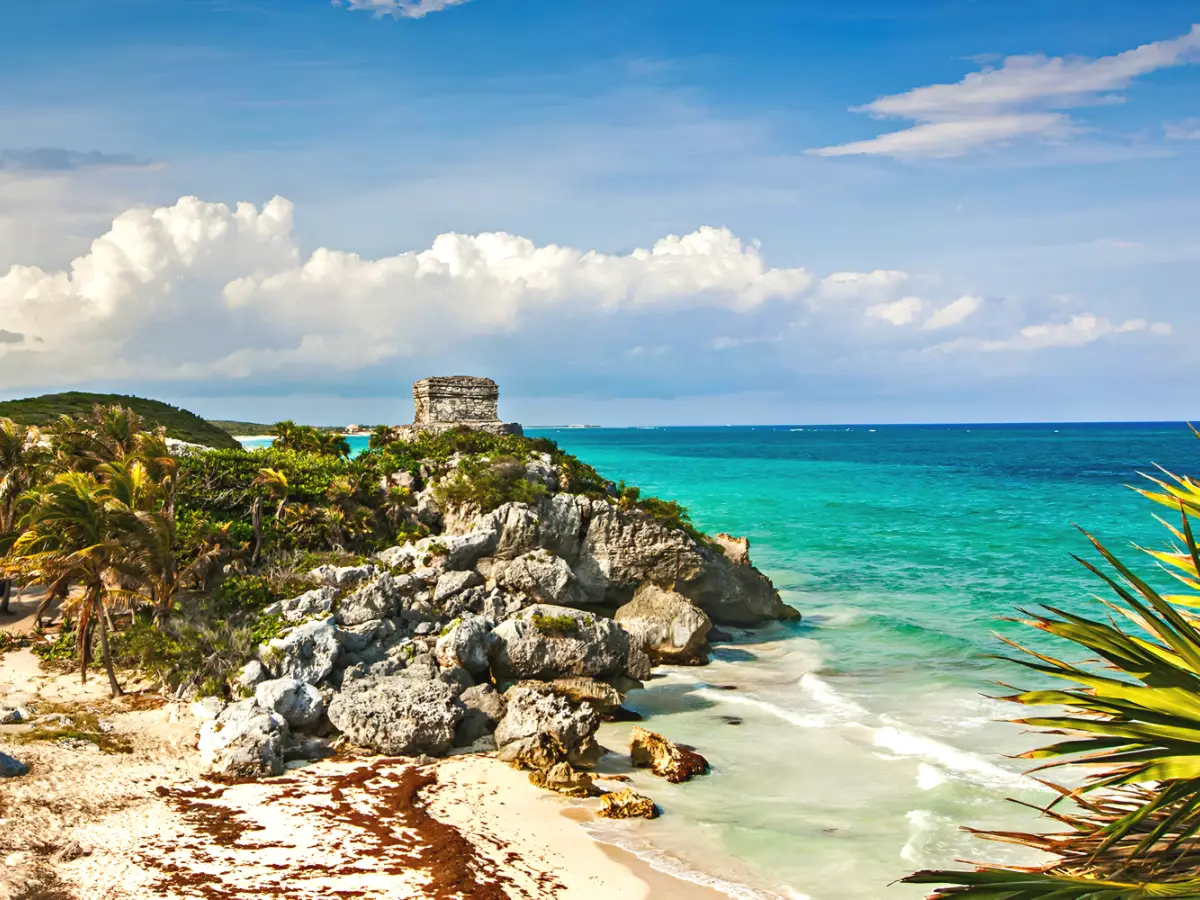
- 10:00 AM Tulum archaeological site — Guided visit to the walled city: El Castillo, the Temple of the Frescoes and the Temple of the Descending God, with the sea behind.
- 12:15 PM Casa Tortuga cenotes and lunch — Four cenotes of different kinds, with a guided route, trails and changing rooms. Lunch is on site.
- 4:00 PM Back to Mérida — Four hours back, with a stop halfway.
Included: Guide accredited by the Ministry of Tourism, Round-trip transport, Lunch, Cenote entry
Not included: Tulum archaeological site entrance, Drinks
Frequently asked questions
What's the difference between an open and a closed cenote?
In an open cenote the roof has fully collapsed and the water is under open sky; in a closed one most of the roof still stands.
Which type is best for kids?
Open cenotes tend to be roomier and brighter, but life vests are a good idea in all of them.
Are cave cenotes dangerous?
Not the ones set up for visitors, as long as you follow the rules and wear a vest if needed.
Where can I see several types in one day?
At the Santa Bárbara cenotes in Homún, which have one closed, two semi-open and one open cenote.