What a mangrove is
A mangrove isn't a single plant but a type of forest. Mexico's biodiversity commission (CONABIO) defines it as trees or shrubs that grow in salty environments: the edges of estuaries, coastal lagoons and inlets where seawater mixes with fresh water.
Very few plants can keep their roots in salt water. Mangroves manage it with special adaptations, which is why they dominate whole stretches of Yucatán's coast, from Celestún to Río Lagartos.
The four mangrove species
Four species dominate in Mexico, and all four grow on the Yucatán Peninsula. The official fact sheet for the Ría Lagartos Biosphere Reserve records every one of them:
- Red mangrove (Rhizophora mangle): the easiest to recognize, with roots that reach down into the mud like tangled stilts and hold the tree steady.
- Black mangrove.
- White mangrove.
- Buttonwood.
Red mangrove roots also form a natural barrier along the shore.
Why they matter
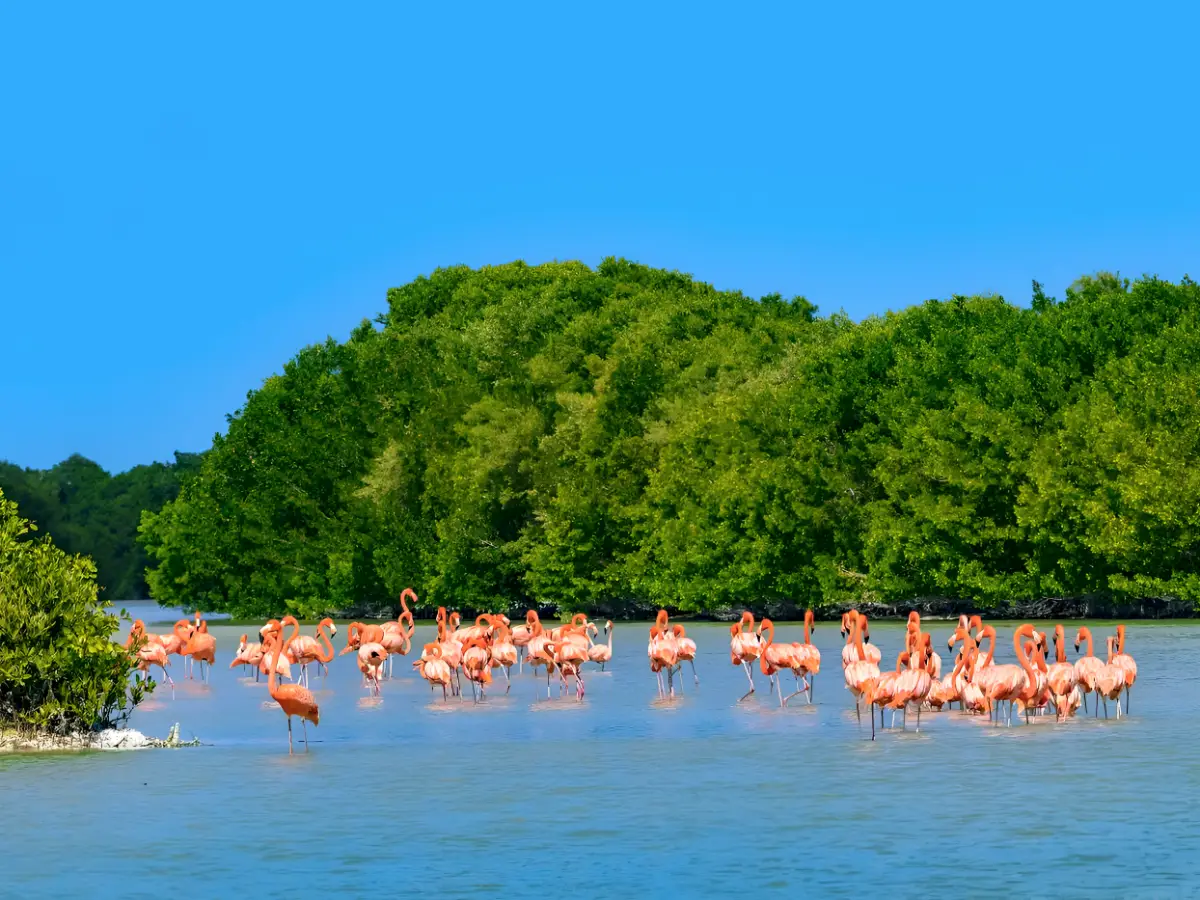
- Wildlife habitat: in the Celestún and Ría Lagartos reserves, mangroves are part of the habitat of flamingos, Morelet's crocodiles and many birds.
- Nursery: fish spawn among the submerged roots, and many birds feed and breed there.
- Erosion and flood control: they hold the shoreline together and store carbon.
- Coastal protection: they act as a barrier against waves and wind, which matters most in tropical storms and hurricanes.
Where to explore mangroves in Yucatán
The coast's two big biosphere reserves, Ría Celestún in the west and Ría Lagartos in the east, have extensive mangroves you can tour by boat with licensed operators. In Sisal you can paddle into the coastal wetland by kayak, and the Isla Columpios area near Chuburná is ringed by mangrove.
How to visit without causing harm
- Don't pull off leaves or branches, and don't climb on the roots.
- Keep your distance from birds and crocodiles, and stay quiet.
- Leave no trash: plastic gets trapped in the roots for years.
- Bring repellent and a light long-sleeve shirt: mangroves have mosquitoes.
Mangroves on day trips from Mérida
Several Mary Tours trips pass through mangroves: Celestún includes the mangrove tunnel by boat; Sisal crosses the wetland by kayak or flat-bottomed boat; North Coast and Isla Columpios visits a tiny island surrounded by mangrove; and Las Coloradas and Río Lagartos cruises the estuary's channels.
Mary Tours is on Calle 61 in Mérida's historic center; see schedules and prices in the booking section.
| Service | What it does |
|---|---|
| Habitat | Shelter for birds, crocodiles, crustaceans and fish |
| Nursery | Fish spawn among the submerged roots |
| Barrier | Breaks waves and wind in storms and hurricanes |
| Soil and carbon | Controls erosion and stores carbon |
Fun facts
- Red mangrove is easy to spot by its stilt-like roots.
- All four of Mexico's mangrove species grow in Ría Lagartos.
- A mangrove is a kind of forest, not a single plant.
Related tours
Nature · 9 h
Celestún and the pink flamingos
The largest flamingo colony in North America
from $1,600 MXN per person
See itinerary
8:00 AM – 5:00 PM · daily
- 8:00 AM Departure from the office — An hour and a half west, out to the port.
- 9:30 AM Boat ride — Flamingo and bird watching, the mangrove tunnel, the freshwater spring and the Maya bath on the sandbar.
- 11:00 AM Lunch by the beach — Fish, octopus or shrimp from the gulf, at a table facing the sea.
- 1:00 PM Free time on the beach — Almost three hours to swim, walk the shore or do nothing at all.
- 4:00 PM Back to Mérida — Arriving around five.
Included: Transport, Guide, Boat ride, Lunch from a set menu
Not included: Drinks
Beach · 8 h
North Coast and Isla Columpios
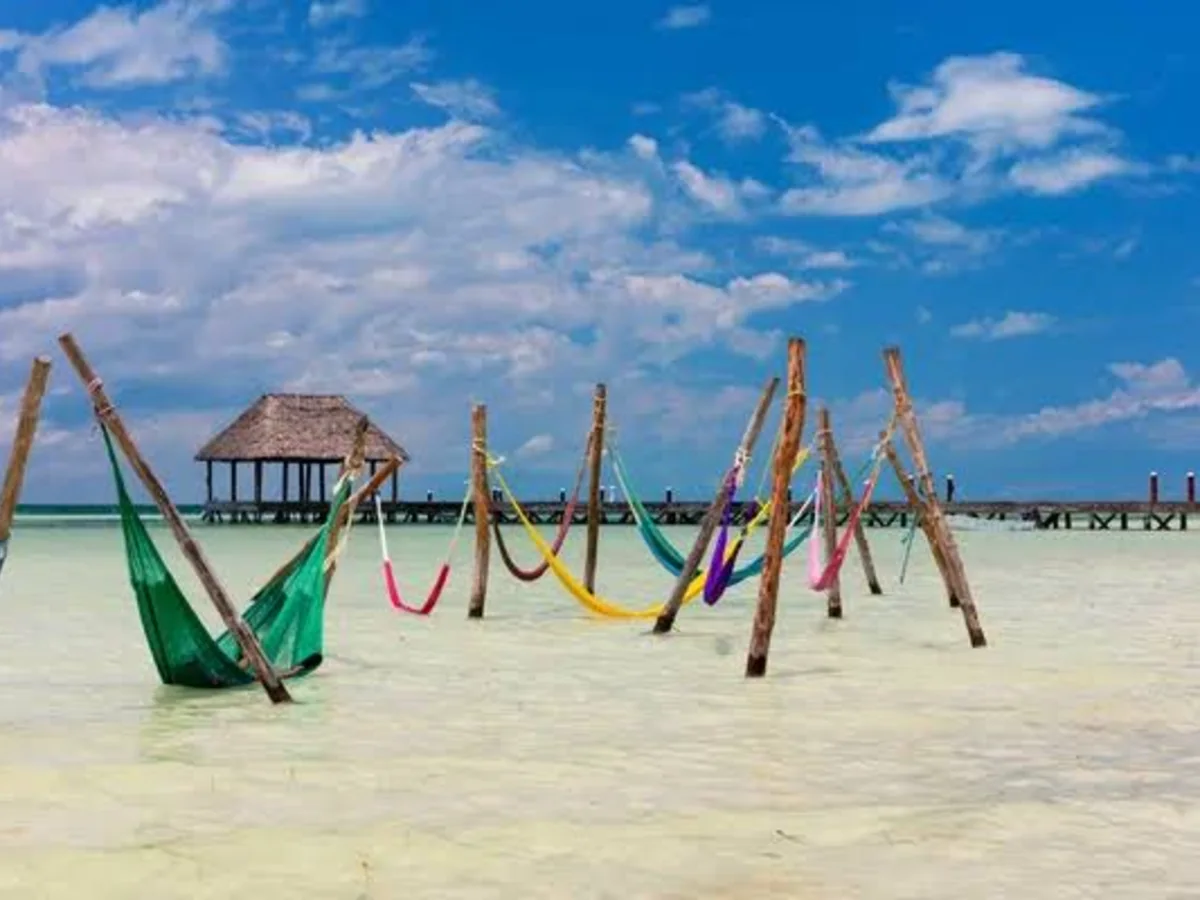
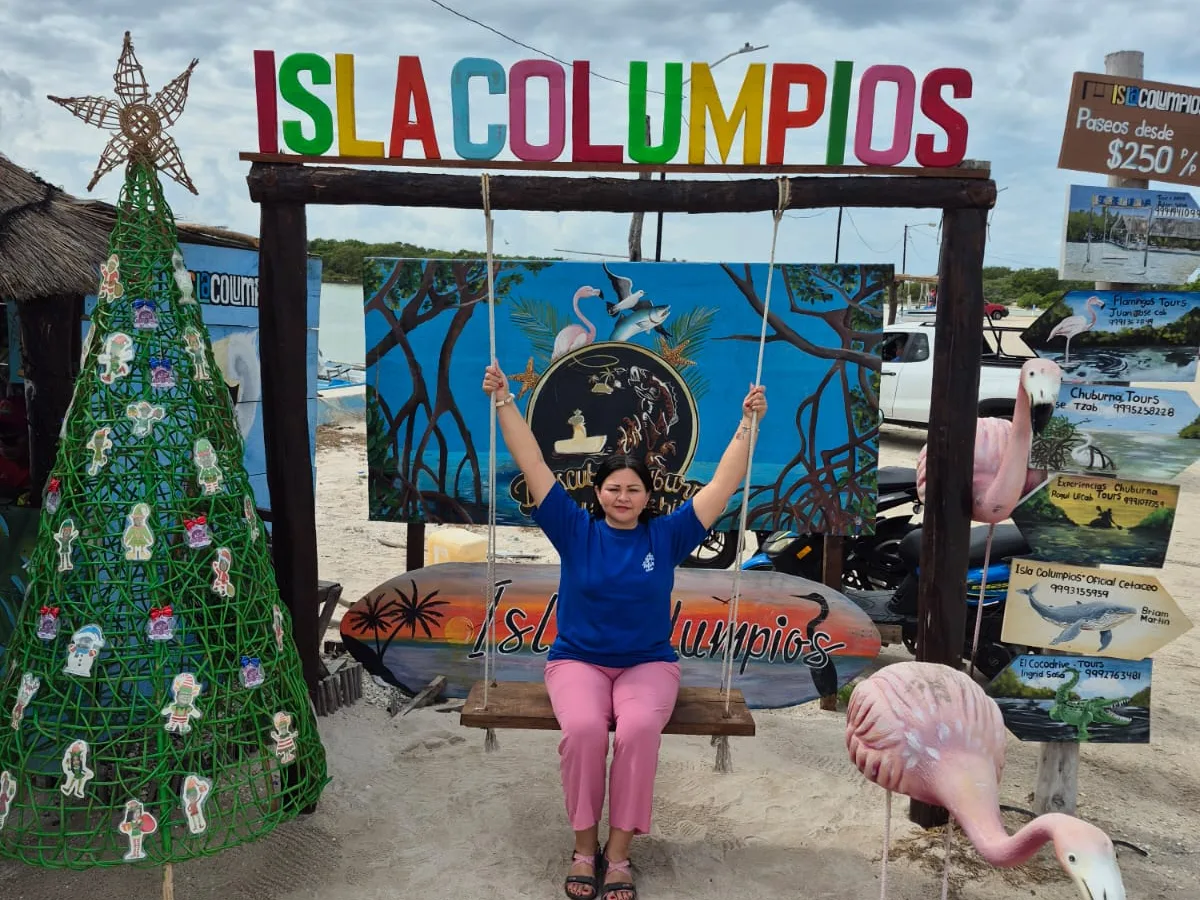
Wooden swings driven straight into the sea
from $1,250 MXN per person
See itinerary
10:00 AM – 6:00 PM · daily
- 10:00 AM Departure from the office — An hour and a quarter to the Chuburná harbour, where the boat leaves from.
- 11:30 AM Isla Columpios — Turquoise water barely past your knees, swings and hammocks over the sea, and mangrove all around full of birds.
- 1:00 PM Chuburná dunes — White sand mounds shaped by the wind, with nobody around. Good for walking and for photos.
- 2:30 PM Puerto Progreso — Free afternoon: eat on the seafront, walk the pier or stay on the beach.
- 5:30 PM Back to Mérida — Half an hour back, arriving around six.
Included: Transport, Certified guide, Boat and Isla Columpios entry
Not included: Food, Drinks
Beach · 9.5 h
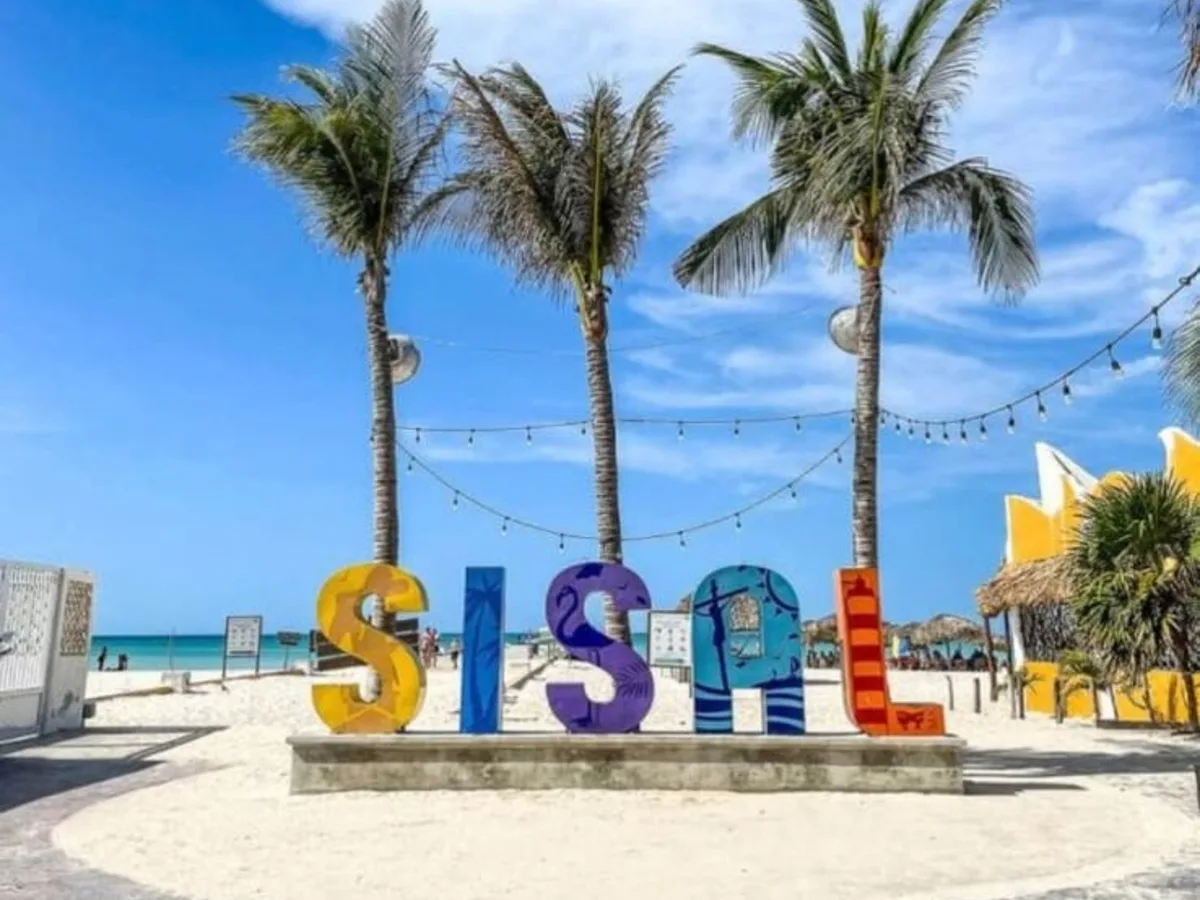
Sisal: kayak, flamingos and beach
A magic town that is still a fishing port
from $1,500 MXN per person
See itinerary
8:00 AM – 5:30 PM · daily
- 8:00 AM Departure from the office — An hour and a half on the road to the port.
- 10:00 AM Kayaking in the coastal wetland — A paddle by kayak or flat-bottomed boat through the mangrove, with birdwatching — pink flamingos included — and a dip in a freshwater spring.
- 11:45 AM Sisal beach — Over four hours free. There are seafood places along the shore and palapas you can rent for shade.
- 4:00 PM Back to Mérida — An hour and a half back.
Included: Transport, Kayaking in the coastal wetlands, Free time on the beach
Not included: Food, Drinks, Palapa rental
Nature · 12 h
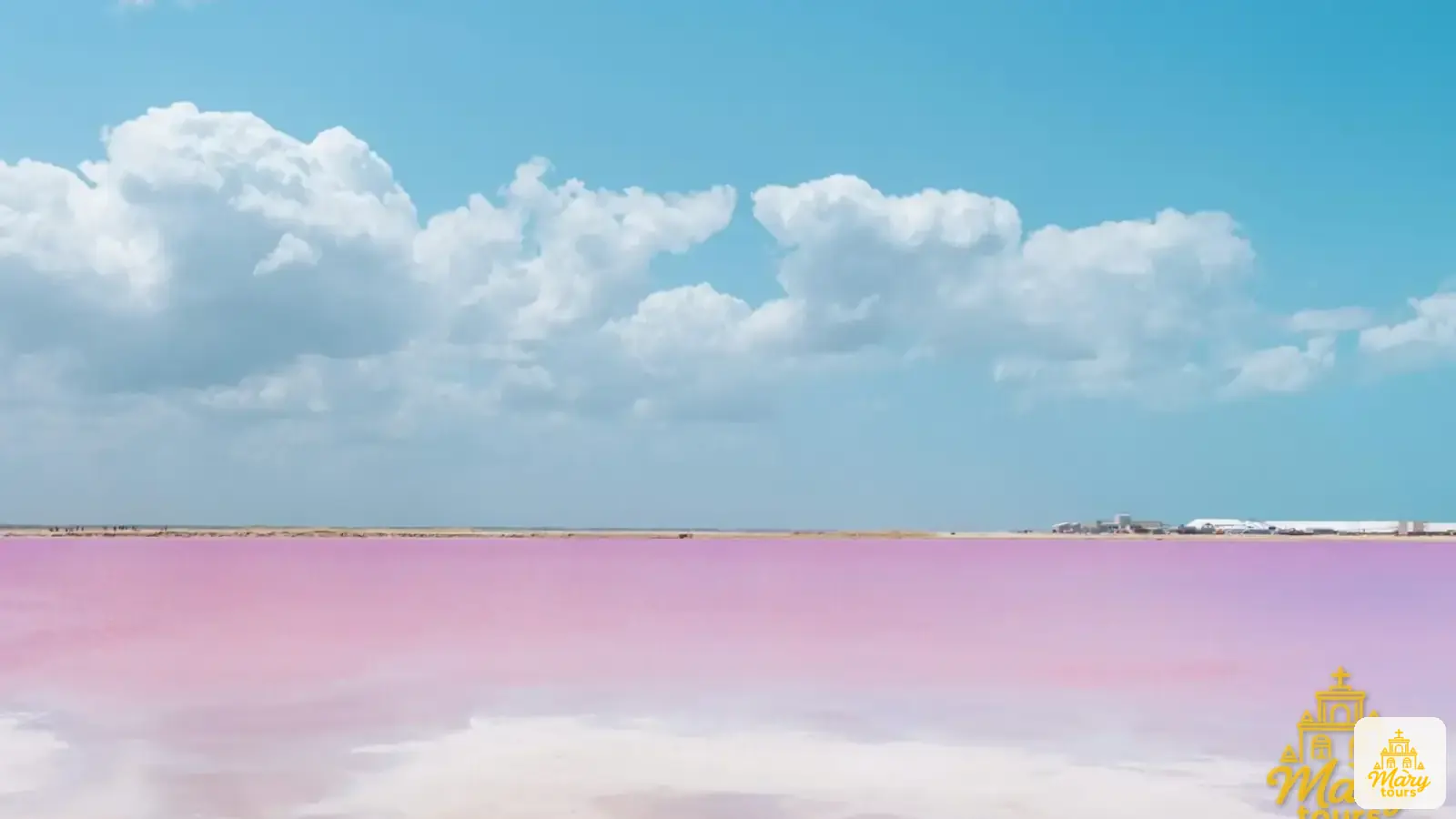
Las Coloradas and Río Lagartos
Genuinely pink lagoons, and flamingos in the estuary
from $1,400 MXN per person
See itinerary
7:00 AM – 8:00 PM · daily
- 7:00 AM Departure from the office — Almost three hours to the north coast, with a stop halfway.
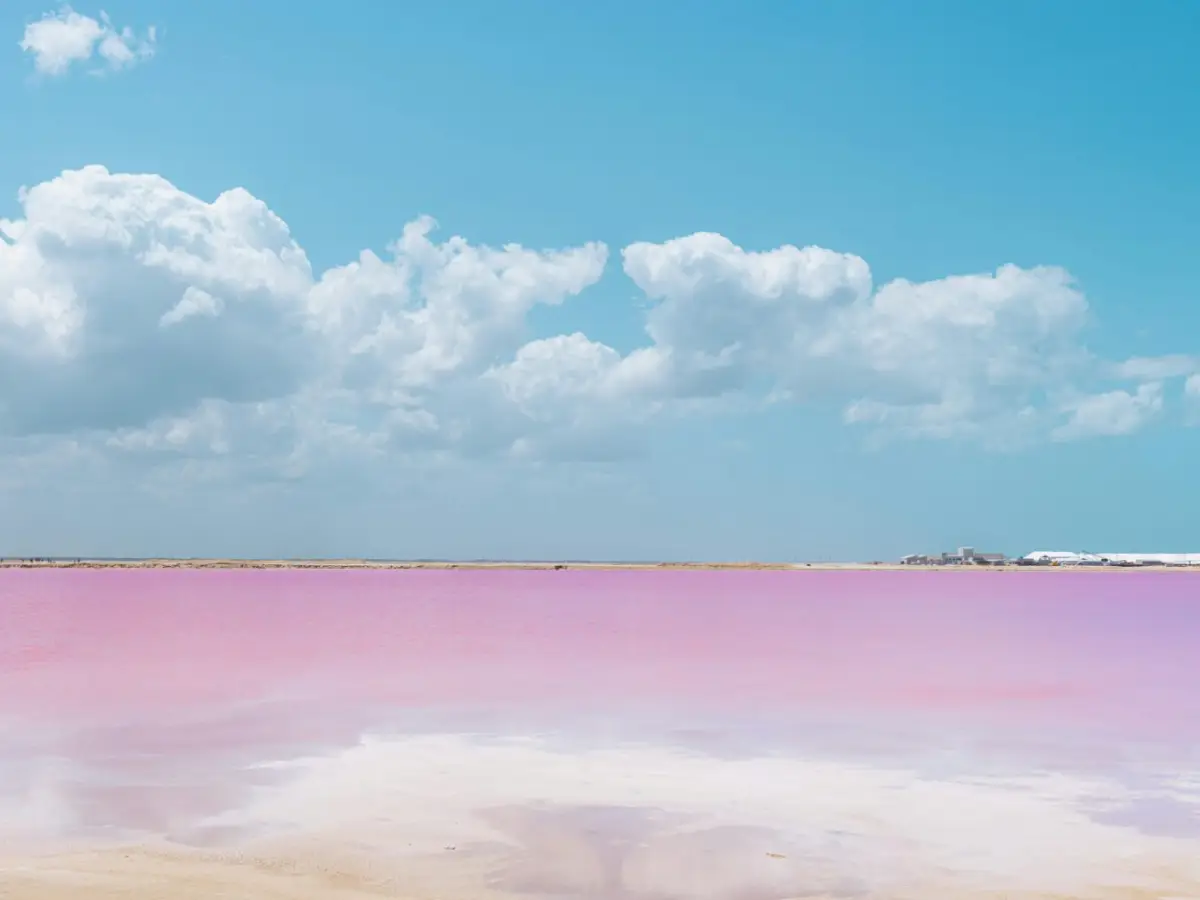
- 9:50 AM Las Coloradas — A guided walk beside the pink, white and orange pools of the salt works. No swimming: it is a protected area.
- 11:00 AM Cancunito beach — A rustic beach inside the reserve, calm water and hardly anyone around.
- 12:30 PM Boat ride through the estuary — Channels through the mangroves, flamingo watching areas, crocodiles in their habitat and the mineral mud bath.
- 2:15 PM Lunch in Río Lagartos — Fresh fish, ceviche, octopus or tikin xic on the waterfront of the fishing village.
- 4:15 PM Back to Mérida — Nearly four hours back, arriving around eight.
Included: Transport, Guide, Boat ride, Lunch from a set menu
Not included: Las Coloradas entrance, Drinks
Frequently asked questions
How many mangrove species grow in Yucatán?
Four: red, black, white and buttonwood, the same species that dominate across Mexico.
What lives in mangroves?
Birds such as flamingos, Morelet's crocodiles, fish and many small creatures sheltering among the roots.
Are there mosquitoes in the mangroves?
There can be, especially when there's little wind. Bring repellent and a light long-sleeve shirt.
Where can I see mangroves near Mérida?
In Celestún, Sisal, Isla Columpios (Chuburná) and Río Lagartos.