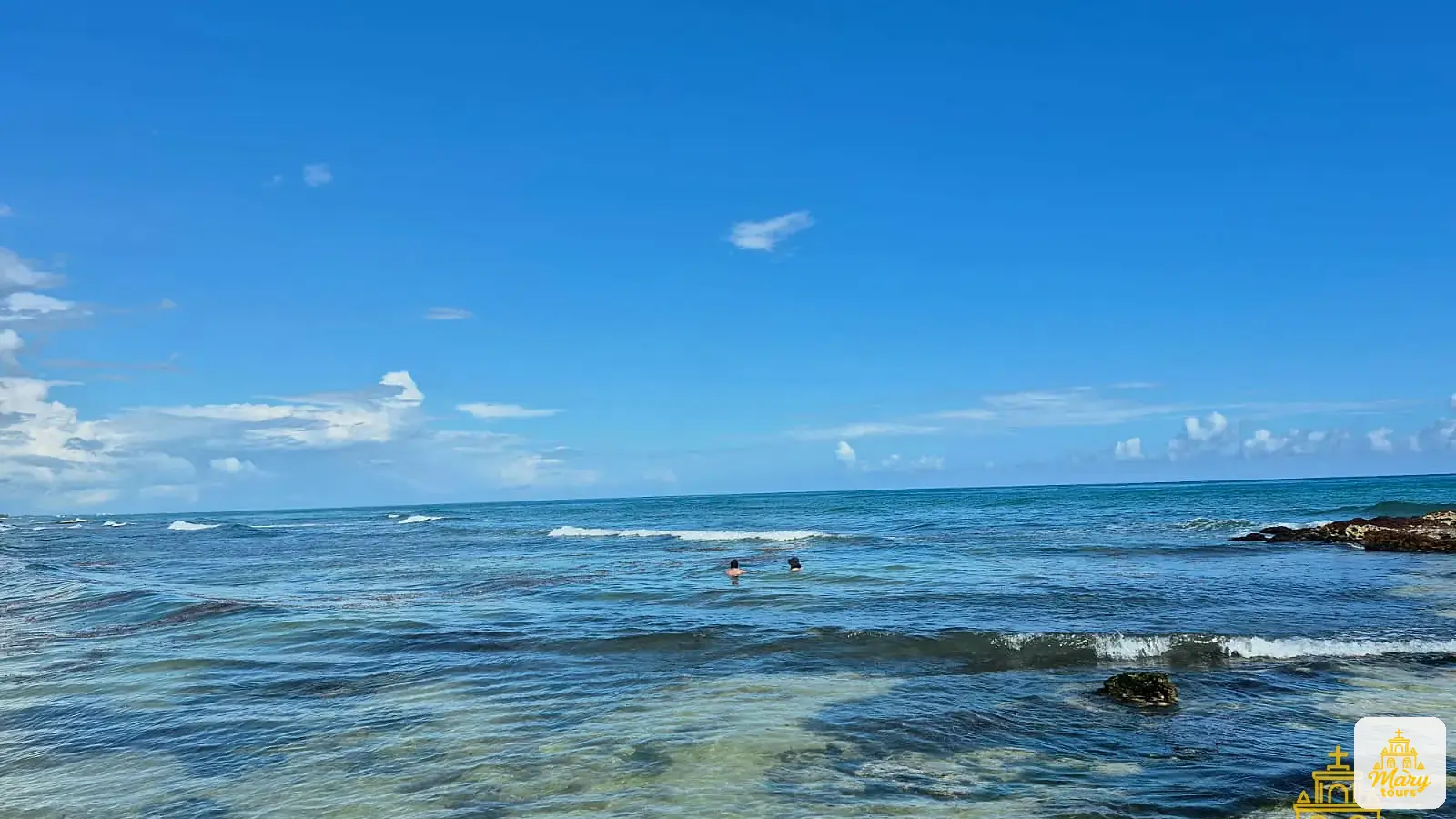
Yucatán's wildlife by the numbers
In its 2021 study Biodiversidad y Desarrollo Humano en Yucatán, CONABIO reports 5,763 species recorded in the state. Some figures by group, as reported by the Diario de Yucatán:
- Insects: 2,247
- Crustaceans: 714
- Birds: 456
- Fish: 154
- Reptiles: 87
- Land mammals: 30
Birds are the most diverse vertebrate group, thanks largely to the coastal wetlands and the migratory species that winter on the peninsula.
The animals people come to see
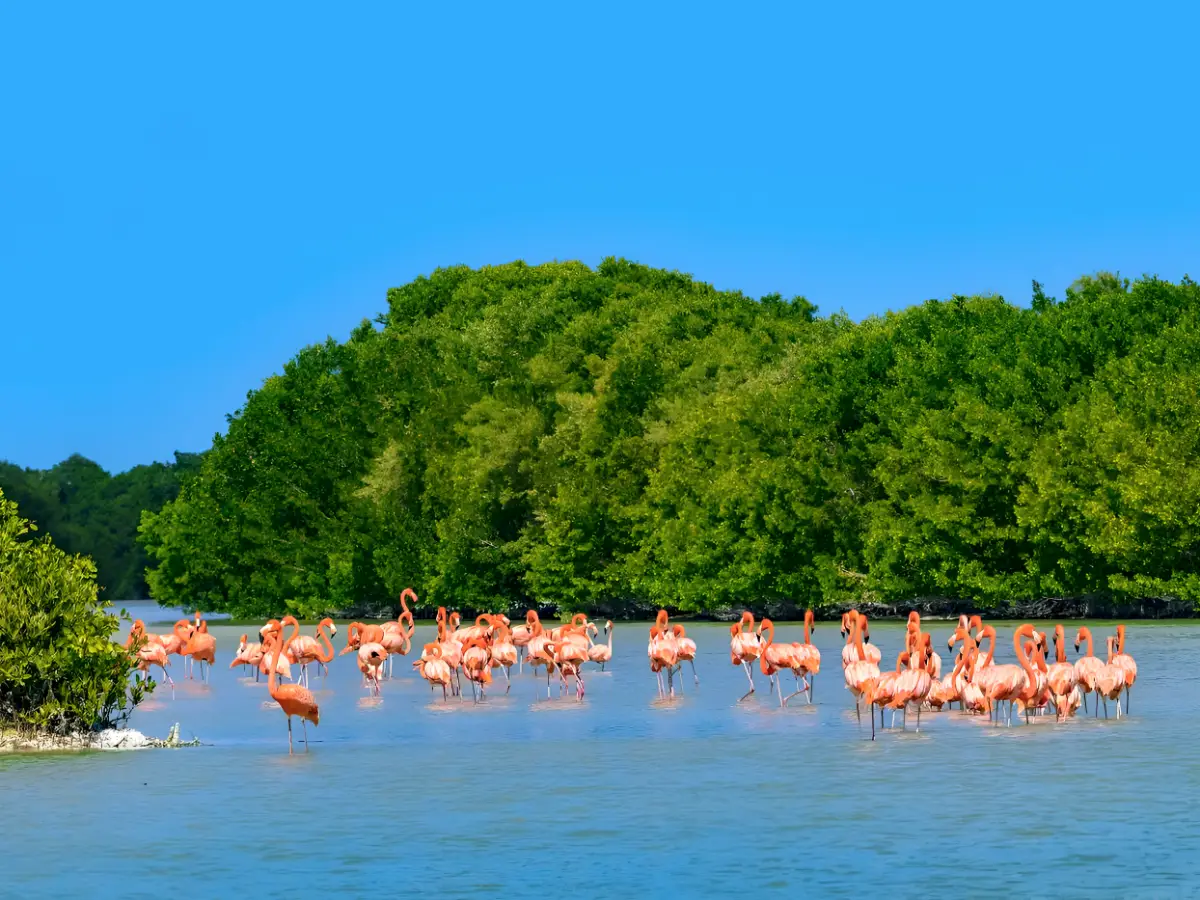
- Pink flamingo: the symbol of Celestún and Río Lagartos.
- Morelet's crocodile: a representative species of the estuaries, often visible from the boat.
- Sea turtles: hawksbill and green turtles nest on Yucatán's beaches from spring to fall.
- Jaguar: Mexico's Third National Jaguar Census (2024) estimated 1,699 on the peninsula, the country's largest regional population.
- Other cats and primates: ocelots, margays and spider monkeys have been recorded at Ría Lagartos.
Species at risk
It's not all good news. According to Mexico's environment ministry (Semarnat), three protected areas alone (Alacranes Reef, Ría Celestún and Ría Lagartos) hold 25 endangered species. And one has already been lost: the Caribbean monk seal, which once lived on Alacranes Reef, is now extinct.
How to watch wildlife respectfully
- Nothing is guaranteed: wild animals don't keep schedules.
- Keep your distance: in Celestún, for example, boats must stay at least 50 meters from flamingos.
- Don't feed or touch any animal.
- Stay quiet and move slowly.
- Use binoculars instead of getting closer.
Wildlife on day trips from Mérida
Mary Tours' estuary trips are the most direct way to see wildlife: Celestún and Sisal to the west, with flamingos and waterbirds, and Las Coloradas and Río Lagartos to the east, with flamingos and crocodiles in their habitat. At the Homún cenotes you'll often see swallows and small fish too.
The office is on Calle 61 in Mérida's historic center. Prices and schedules are in the booking section.
| Group | Species |
|---|---|
| Insects | 2,247 |
| Vascular plants | 1,402 |
| Crustaceans | 714 |
| Birds | 456 |
| Fish | 154 |
| Reptiles | 87 |
| Land mammals | 30 |
Fun facts
- More insect species (2,247) have been recorded in Yucatán than any other group.
- The Caribbean monk seal once lived on Alacranes Reef and is now extinct.
- The peninsula holds Mexico's largest regional jaguar population.
Related tours
Nature · 9 h
Celestún and the pink flamingos
The largest flamingo colony in North America
from $1,600 MXN per person
See itinerary
8:00 AM – 5:00 PM · daily
- 8:00 AM Departure from the office — An hour and a half west, out to the port.
- 9:30 AM Boat ride — Flamingo and bird watching, the mangrove tunnel, the freshwater spring and the Maya bath on the sandbar.
- 11:00 AM Lunch by the beach — Fish, octopus or shrimp from the gulf, at a table facing the sea.
- 1:00 PM Free time on the beach — Almost three hours to swim, walk the shore or do nothing at all.
- 4:00 PM Back to Mérida — Arriving around five.
Included: Transport, Guide, Boat ride, Lunch from a set menu
Not included: Drinks
Nature · 12 h
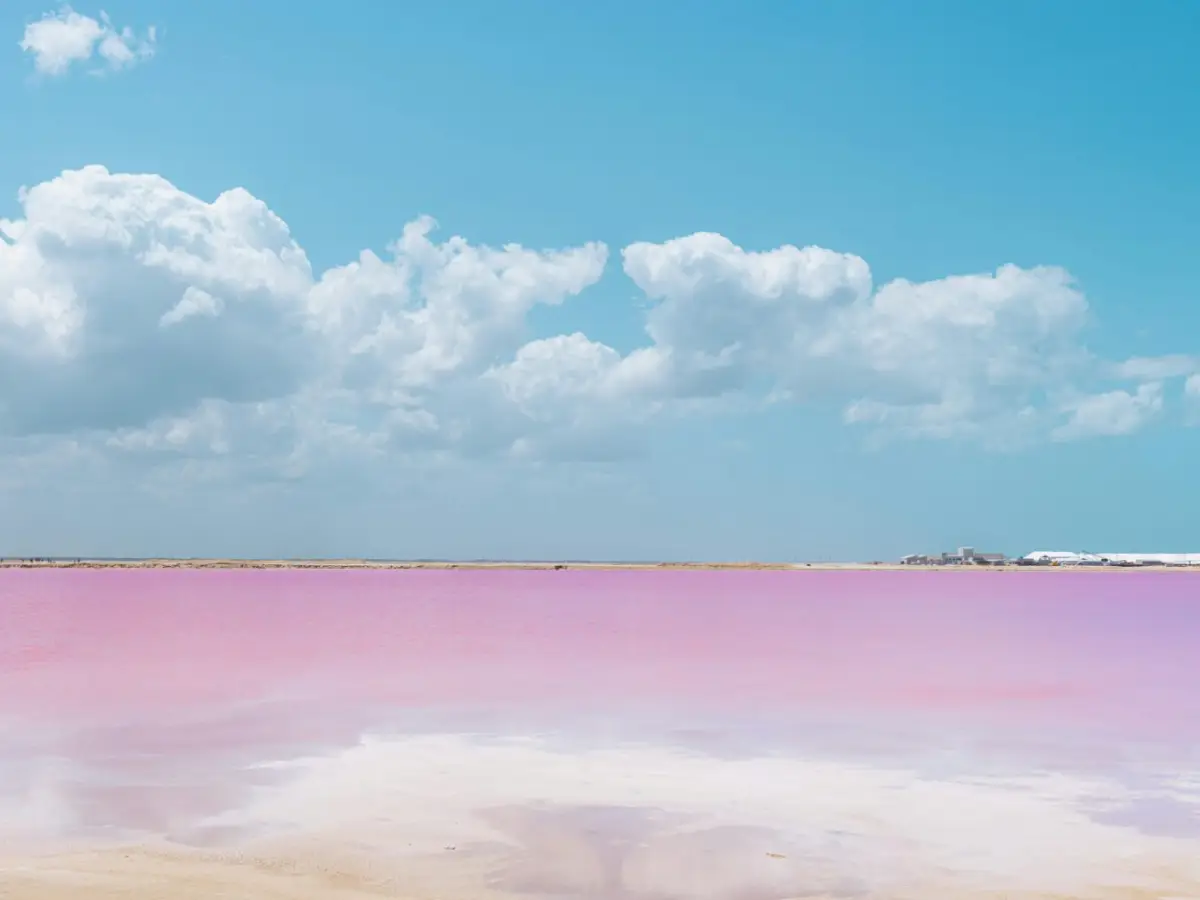
Las Coloradas and Río Lagartos
Genuinely pink lagoons, and flamingos in the estuary
from $1,400 MXN per person
See itinerary
7:00 AM – 8:00 PM · daily
- 7:00 AM Departure from the office — Almost three hours to the north coast, with a stop halfway.
- 9:50 AM Las Coloradas — A guided walk beside the pink, white and orange pools of the salt works. No swimming: it is a protected area.
- 11:00 AM Cancunito beach — A rustic beach inside the reserve, calm water and hardly anyone around.
- 12:30 PM Boat ride through the estuary — Channels through the mangroves, flamingo watching areas, crocodiles in their habitat and the mineral mud bath.
- 2:15 PM Lunch in Río Lagartos — Fresh fish, ceviche, octopus or tikin xic on the waterfront of the fishing village.
- 4:15 PM Back to Mérida — Nearly four hours back, arriving around eight.
Included: Transport, Guide, Boat ride, Lunch from a set menu
Not included: Las Coloradas entrance, Drinks

Beach · 9.5 h
Sisal: kayak, flamingos and beach
A magic town that is still a fishing port
from $1,500 MXN per person
See itinerary
8:00 AM – 5:30 PM · daily
- 8:00 AM Departure from the office — An hour and a half on the road to the port.
- 10:00 AM Kayaking in the coastal wetland — A paddle by kayak or flat-bottomed boat through the mangrove, with birdwatching — pink flamingos included — and a dip in a freshwater spring.
- 11:45 AM Sisal beach — Over four hours free. There are seafood places along the shore and palapas you can rent for shade.
- 4:00 PM Back to Mérida — An hour and a half back.
Included: Transport, Kayaking in the coastal wetlands, Free time on the beach
Not included: Food, Drinks, Palapa rental
Cenotes · 7 h
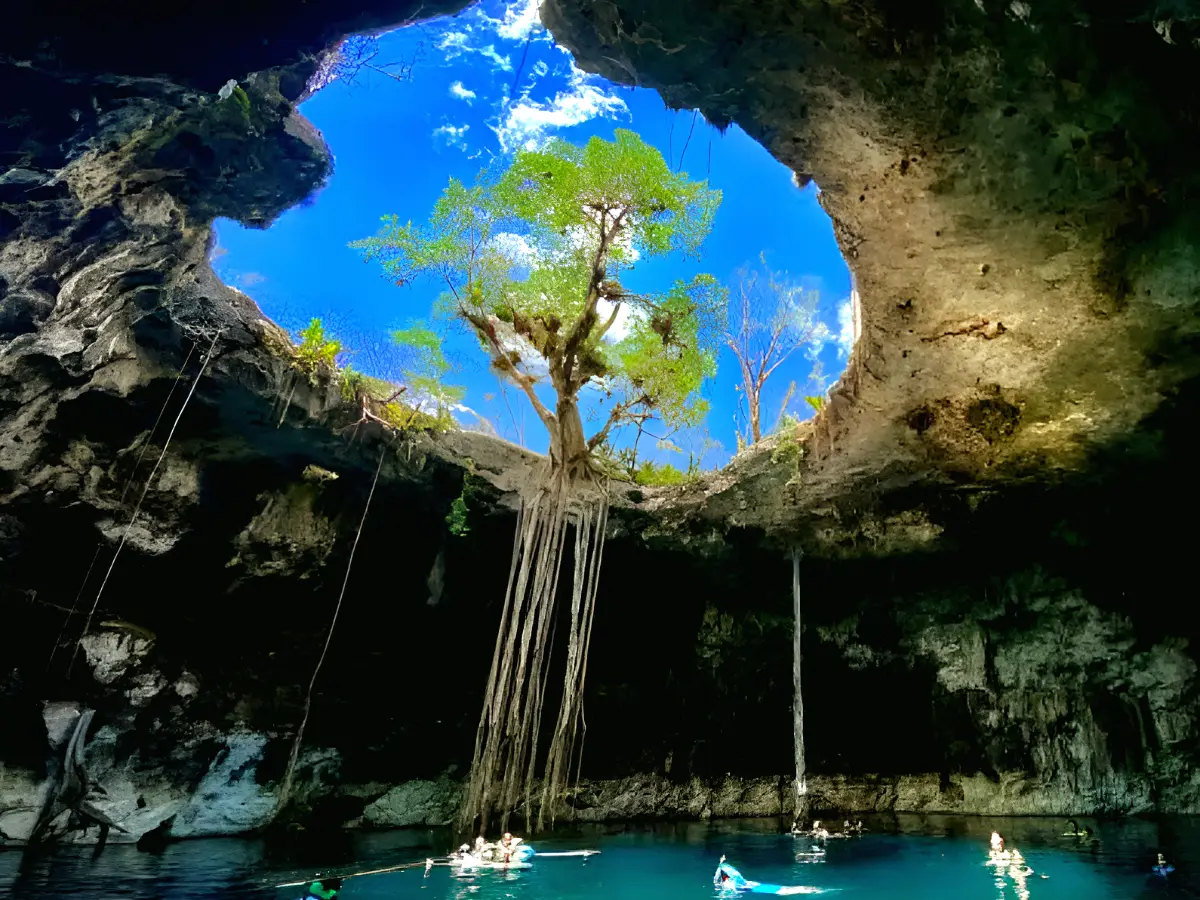
The four cenotes of Santa Bárbara
Four different cenotes and a lunch made by hand
from $1,450 MXN per person
See itinerary
10:00 AM – 5:00 PM · daily
- 10:00 AM Departure from the office — An hour on the road to Homún, through the ring of cenotes.
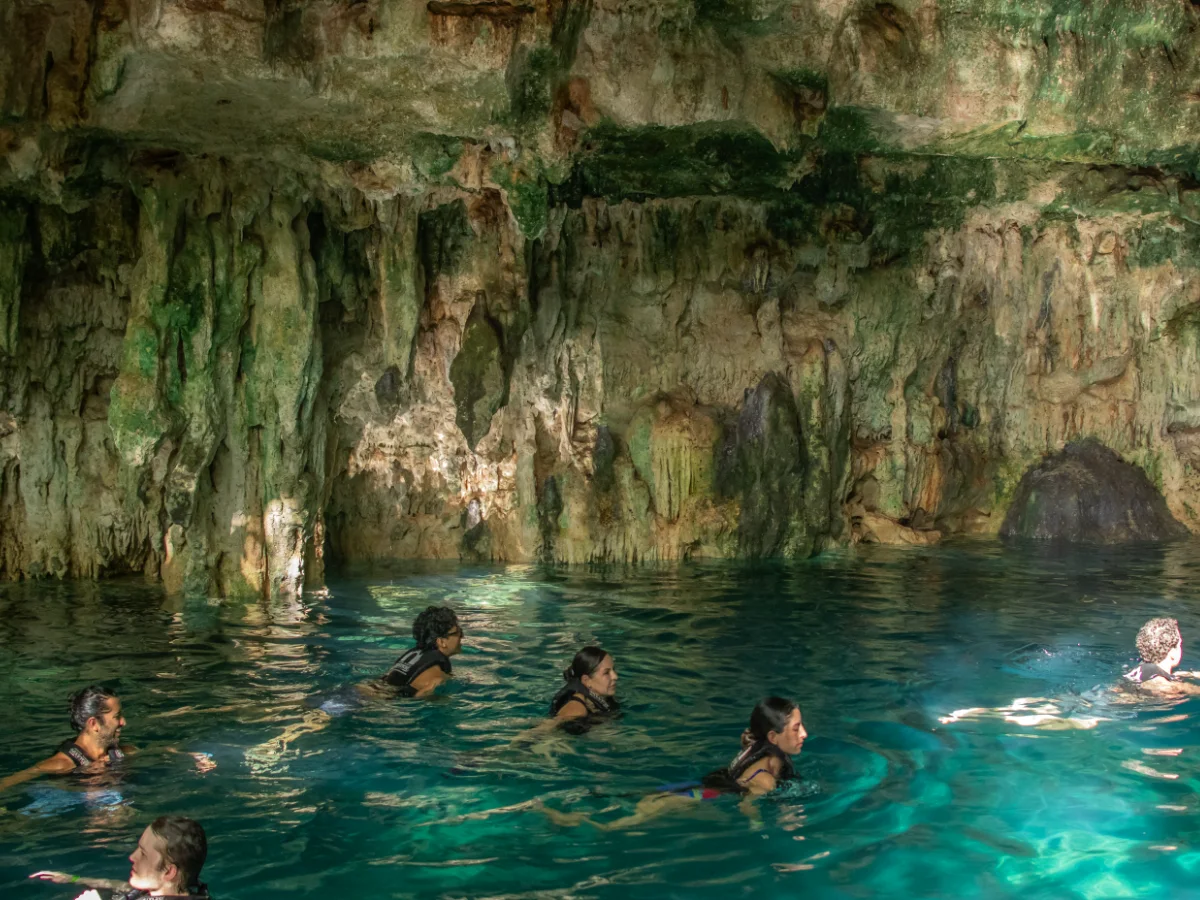
- 11:00 AM Cascabel cenote — Closed, cave type. You descend inside and the water sits in half-light: the most striking of the four.
- 11:30 AM Chaksikín cenote — Semi-open. You go down between limestone walls painted with Maya-themed murals.
- 12:00 PM Xooch cenote — Semi-open, with a shaft of light that falls straight onto the water mid-morning.
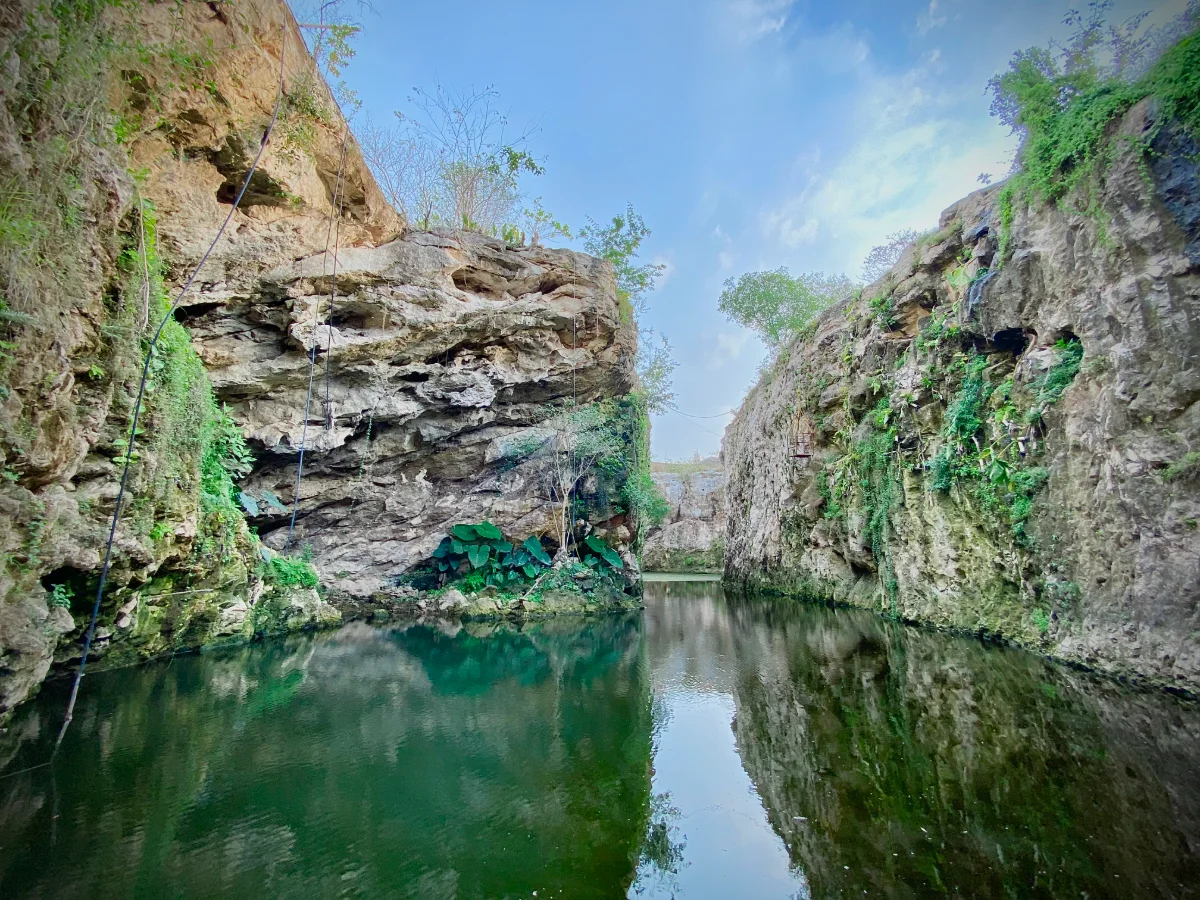
- 12:30 PM Pool Cocom cenote — Open and surrounded by vegetation. You swim along a channel out to the wide part.
- 1:30 PM Regional lunch — Home cooking with hand-made tortillas. Plenty of time to eat without rushing.
- 4:00 PM Back to Mérida — An hour back, arriving around five.
Included: Transport, Certified guide, Entry to all four cenotes, Regional lunch
Not included: Drinks with lunch
Frequently asked questions
What animals live in Yucatán?
Among the best known: pink flamingos, Morelet's crocodiles, hawksbill and green sea turtles, jaguars, deer, monkeys and hundreds of bird species.
How many bird species are there in Yucatán?
456, according to CONABIO (2021).
Can you see jaguars in Yucatán?
They live on the peninsula but are extremely elusive; they're almost never seen on tours.
Where can I see wildlife near Mérida?
In the Celestún and Río Lagartos estuaries and the Sisal wetland.