A landscape on limestone
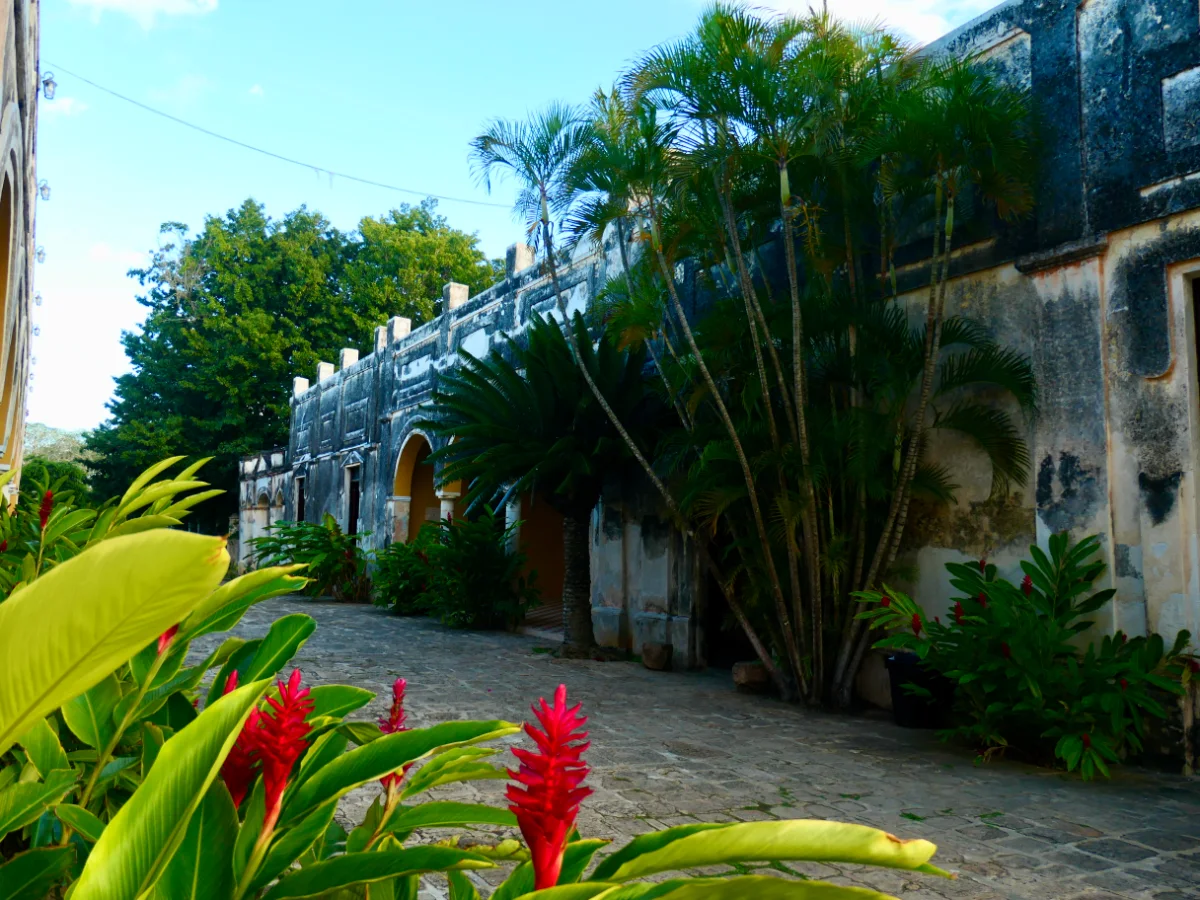
The Yucatán Peninsula is a vast limestone shelf with thin soils and no surface rivers, which shapes what can grow. Even so, CONABIO reports 1,402 vascular plant species in the state of Yucatán.
The main types of vegetation
- Low deciduous forest: the most characteristic natural vegetation of the northern peninsula. Mexico's statistics institute (INEGI) describes it as short trees, 4 to 10 meters tall, that lose most of their leaves in the dry season. That's why the landscape changes so much: gray and open in the drought, green and dense in the rains.
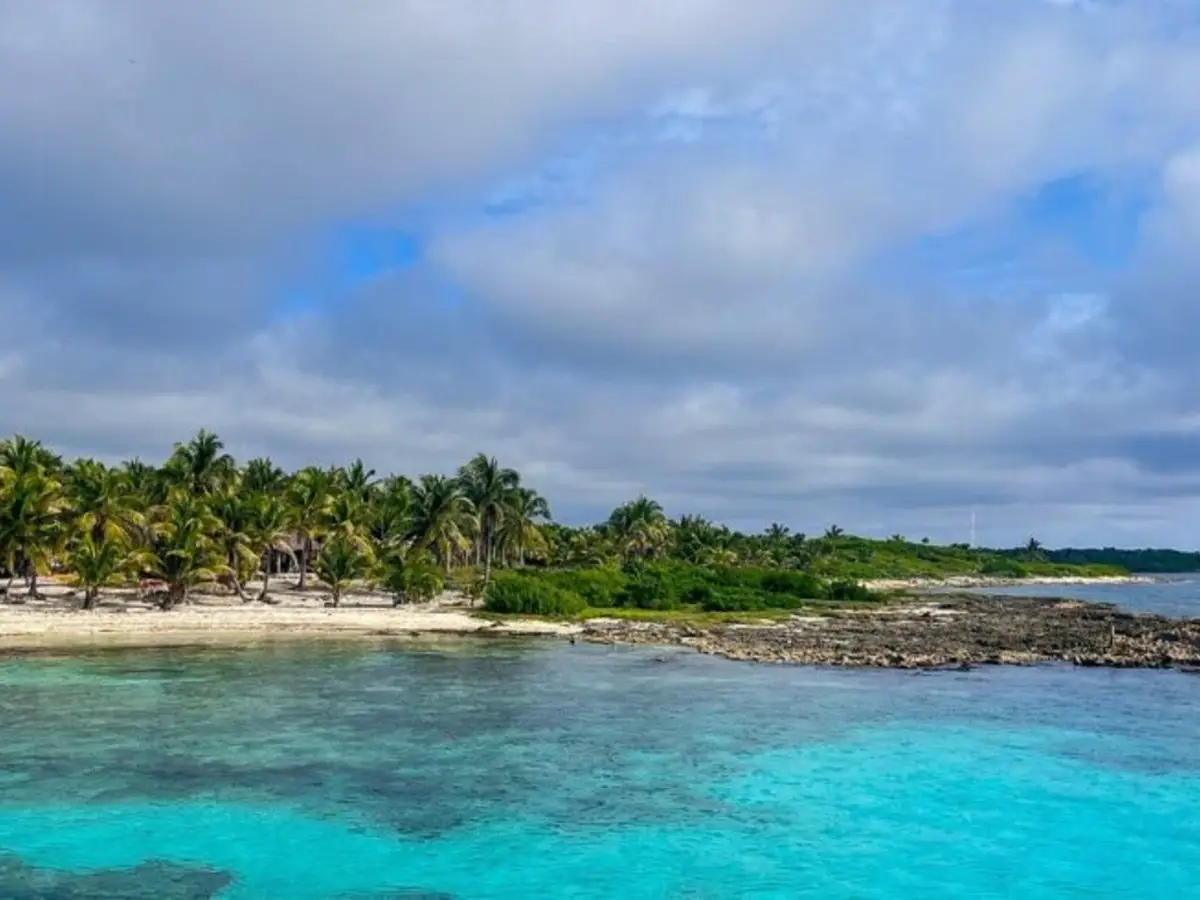
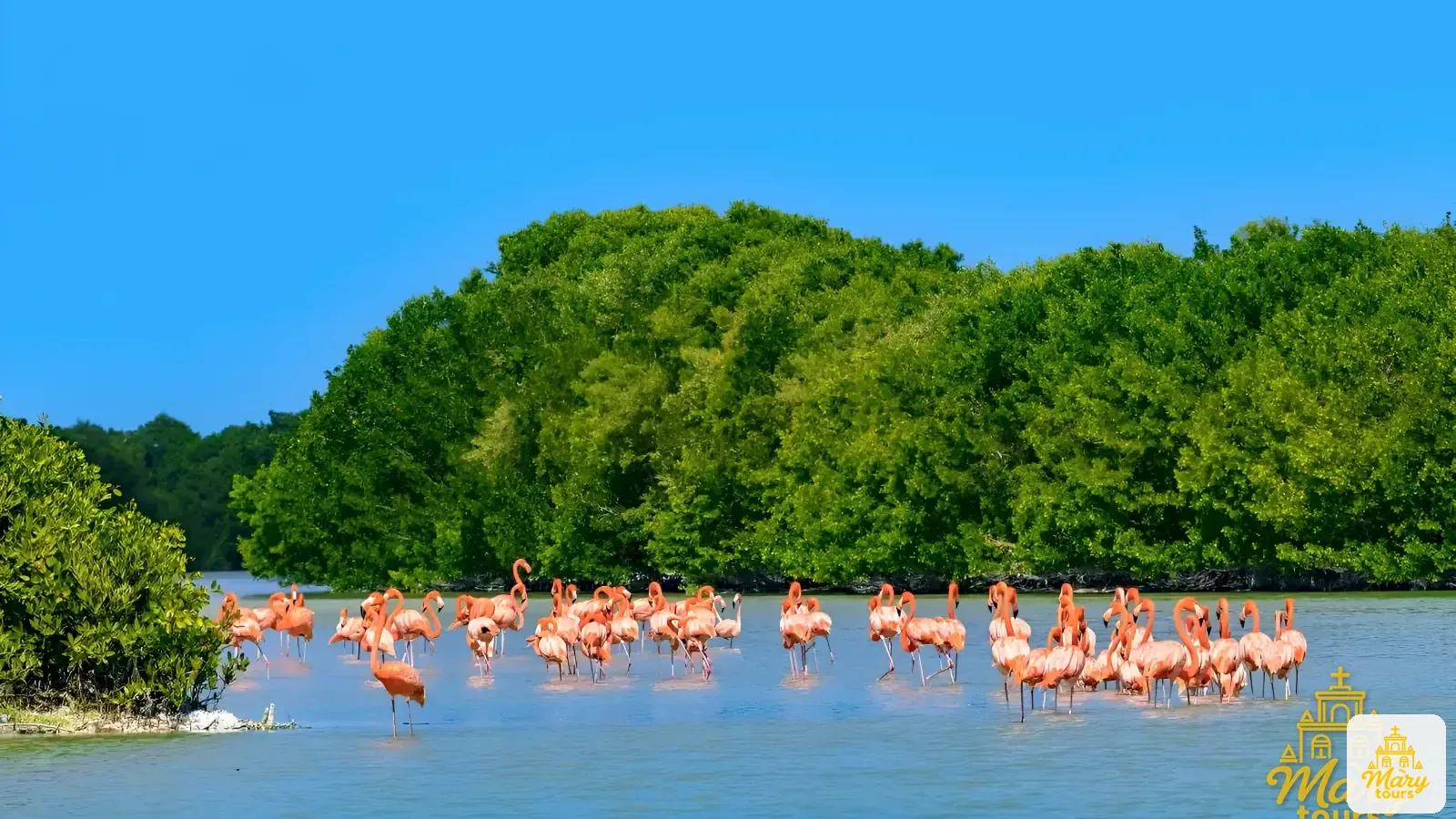
- Mangroves: along the coast, with all four of Mexico's mangrove species.
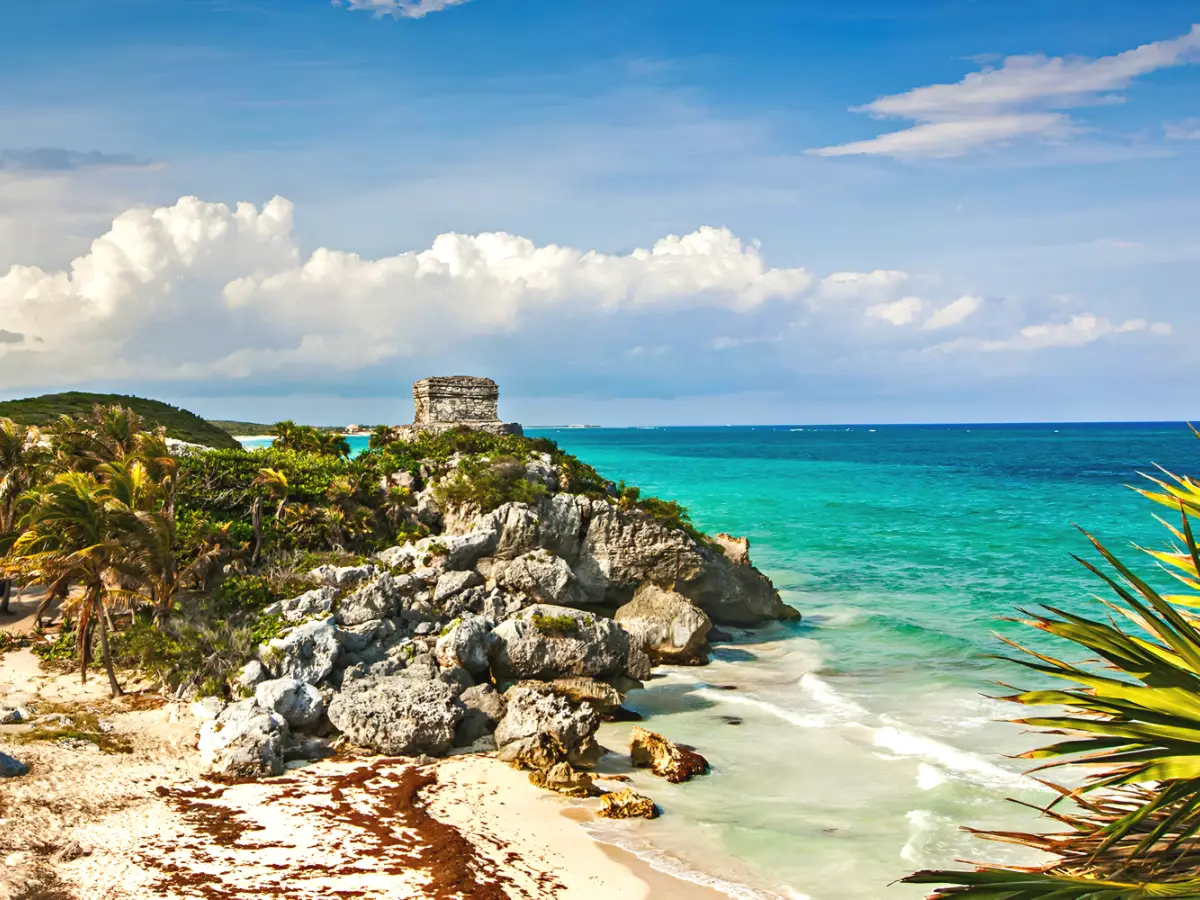
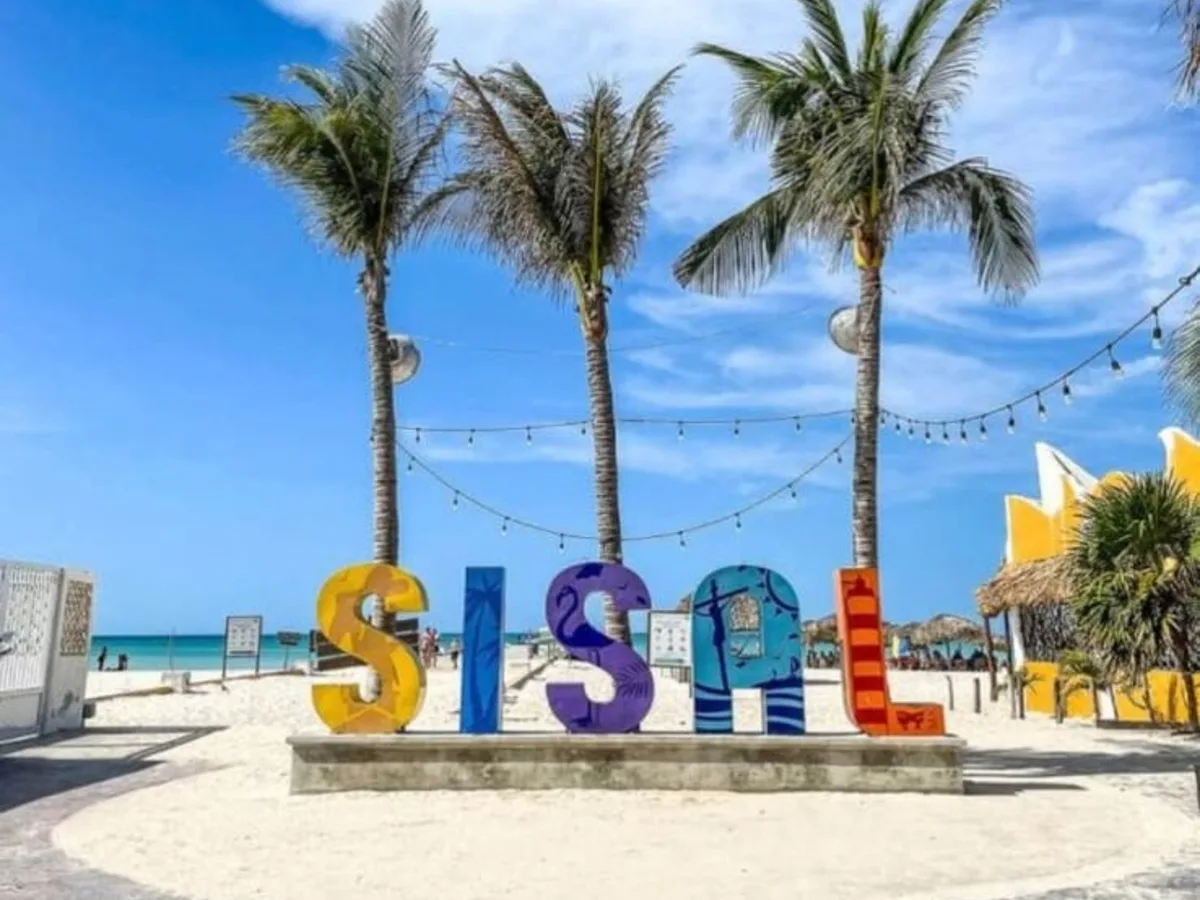
- Coastal dune vegetation: plants that anchor the sand by the sea.
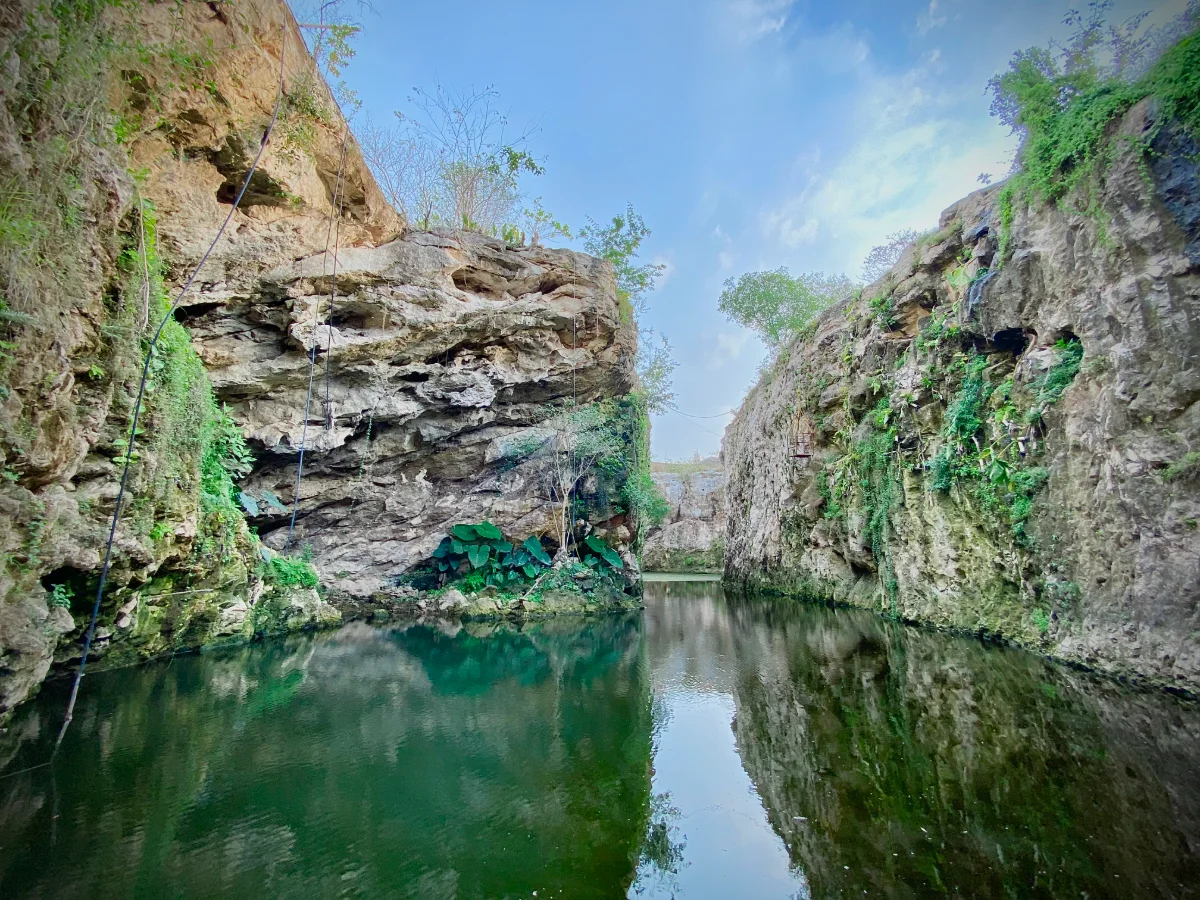
- Cenote and sinkhole vegetation: damp hollows host plants that couldn't survive the drought above.
Plants worth knowing
- Henequen (Agave fourcroydes): a native agave whose leaves yield fiber; it powered Yucatán's economy during the hacienda boom.
- Kuka and chit palms: two native palms CONANP lists among the representative flora of Ría Lagartos.
- Red mangrove: easy to spot by its stilt-like roots.
Plants at risk
A chapter on priority plants by Yucatán's scientific research center (CICY) notes that only 22 native vascular plant species in the state are legally protected, while another 16 state endemics and 108 regional endemics still aren't. In other words, there are plants found nowhere else that the law doesn't yet protect.
Protecting plants when you visit
- Don't pick plants, flowers or branches, not even as souvenirs.
- Never take plants out of protected areas: it's prohibited.
- Stay on trails so you don't trample seedlings.
Flora on day trips from Mérida
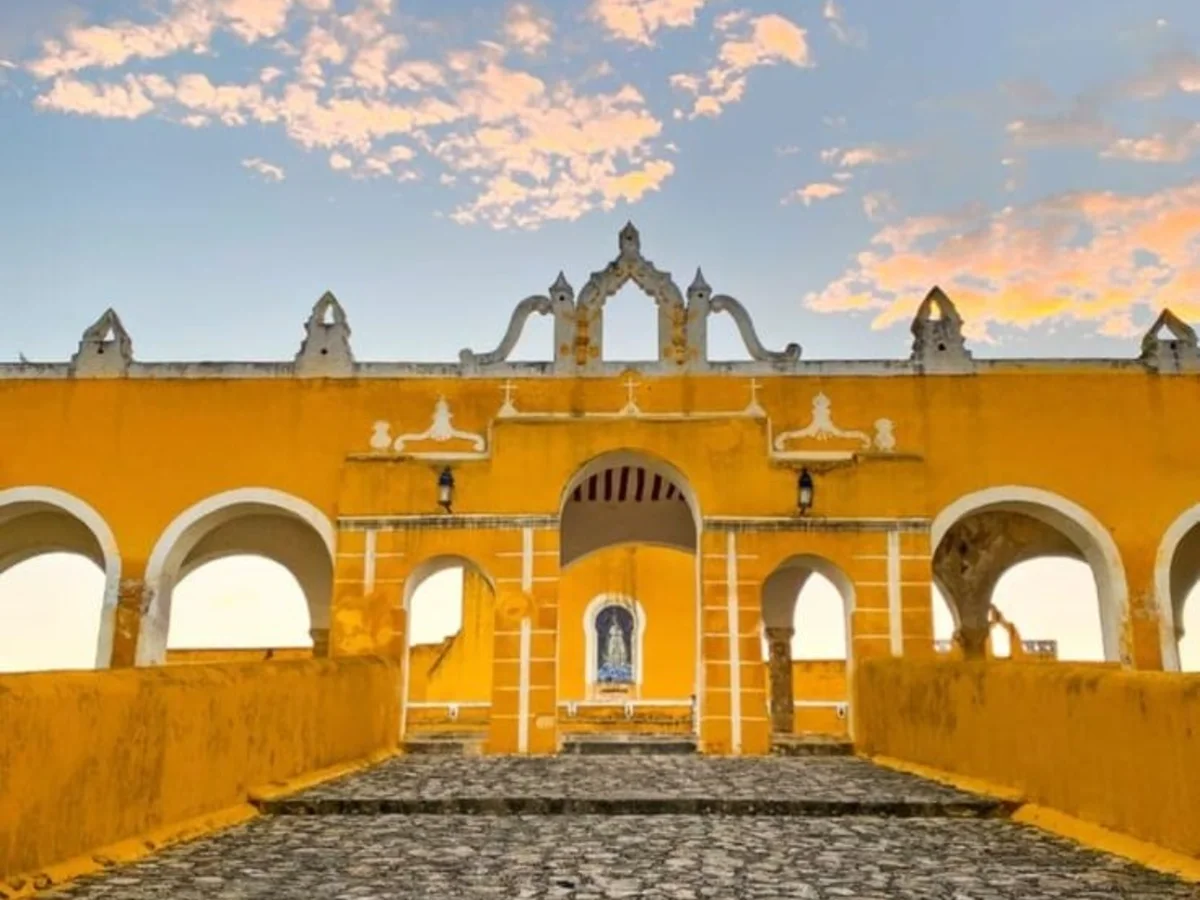
On Mary Tours' Hacienda Mucuyché trip, a hacienda guide explains how the henequen business worked; in Celestún and Río Lagartos you cruise through mangroves; and on the way to the Homún cenotes you cross the dry forest of the cenote ring.
Mary Tours has its office on Calle 61 in Mérida's historic center; see prices in the booking section.
Fun facts
- Yucatán's dry forest turns from gray to green with the seasons.
- Only 22 native Yucatán plants are legally protected.
- Henequen, native to the region, was nicknamed Yucatán's "green gold."
Related tours
Cenotes · 7 h
Hacienda Mucuyché
A stone channel joining two cenotes
from $1,800 MXN per person
See itinerary
9:30 AM – 4:00 PM · daily
- 9:30 AM Departure from the office — An hour on the road to the estate, in the municipality of Abalá.
- 10:30 AM Check-in and historical tour — A guide from the estate itself explains how the henequen business worked and what survives of it.
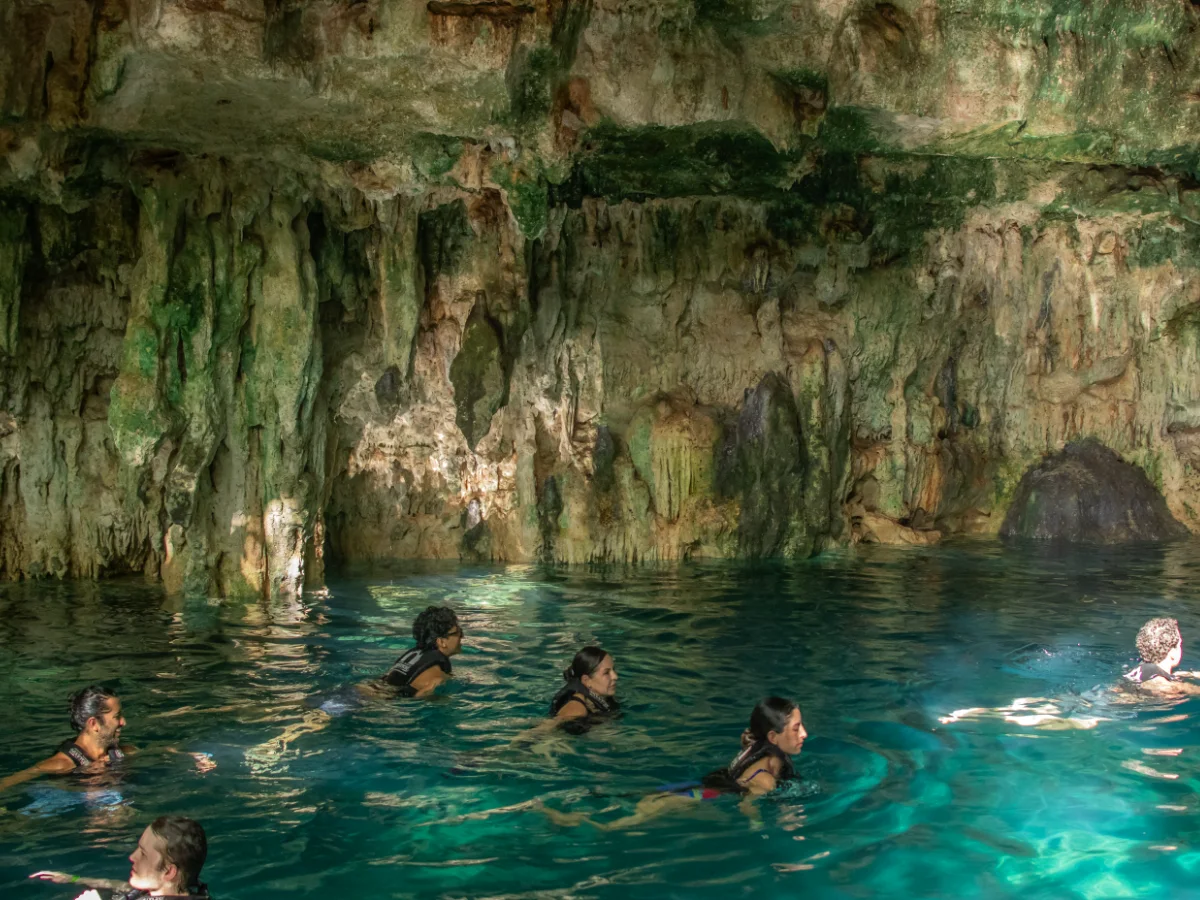
- 11:00 AM Carlota and Azul Maya cenotes — Two hours in the water. To move between the cenotes you cross the channel, swimming or along the stone path.
- 1:00 PM Time for lunch — Yucatecan food at the estate restaurant, paid per order. There is a pool for anyone who wants to stay in the water.
- 3:00 PM Back to Mérida — An hour back.
Included: Transport, Guide, Entry to the hacienda and cenotes
Not included: Food, Drinks
Cenotes · 7 h
The four cenotes of Santa Bárbara
Four different cenotes and a lunch made by hand
from $1,450 MXN per person
See itinerary
10:00 AM – 5:00 PM · daily
- 10:00 AM Departure from the office — An hour on the road to Homún, through the ring of cenotes.
- 11:00 AM Cascabel cenote — Closed, cave type. You descend inside and the water sits in half-light: the most striking of the four.
- 11:30 AM Chaksikín cenote — Semi-open. You go down between limestone walls painted with Maya-themed murals.
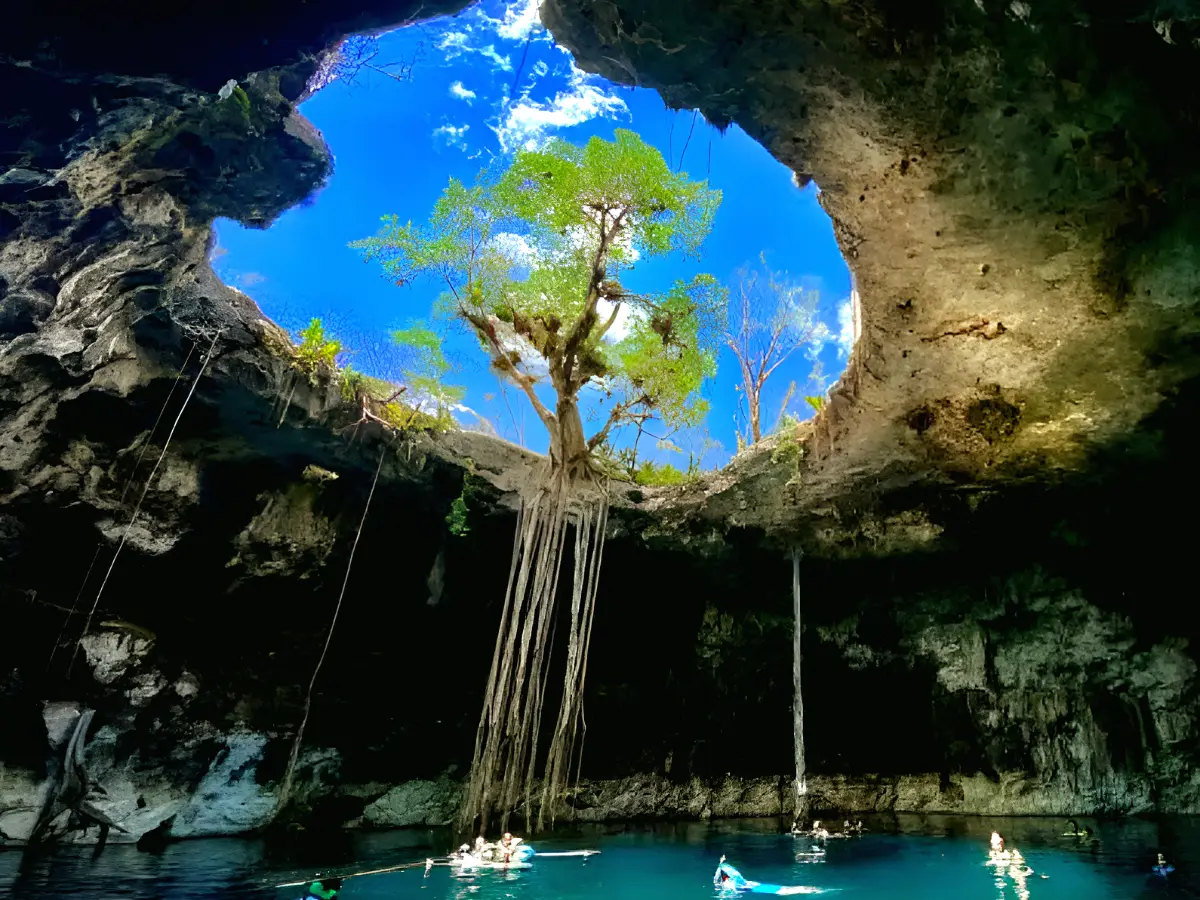
- 12:00 PM Xooch cenote — Semi-open, with a shaft of light that falls straight onto the water mid-morning.
- 12:30 PM Pool Cocom cenote — Open and surrounded by vegetation. You swim along a channel out to the wide part.
- 1:30 PM Regional lunch — Home cooking with hand-made tortillas. Plenty of time to eat without rushing.
- 4:00 PM Back to Mérida — An hour back, arriving around five.
Included: Transport, Certified guide, Entry to all four cenotes, Regional lunch
Not included: Drinks with lunch
Nature · 12 h
Las Coloradas and Río Lagartos
Genuinely pink lagoons, and flamingos in the estuary
from $1,400 MXN per person
See itinerary
7:00 AM – 8:00 PM · daily
- 7:00 AM Departure from the office — Almost three hours to the north coast, with a stop halfway.
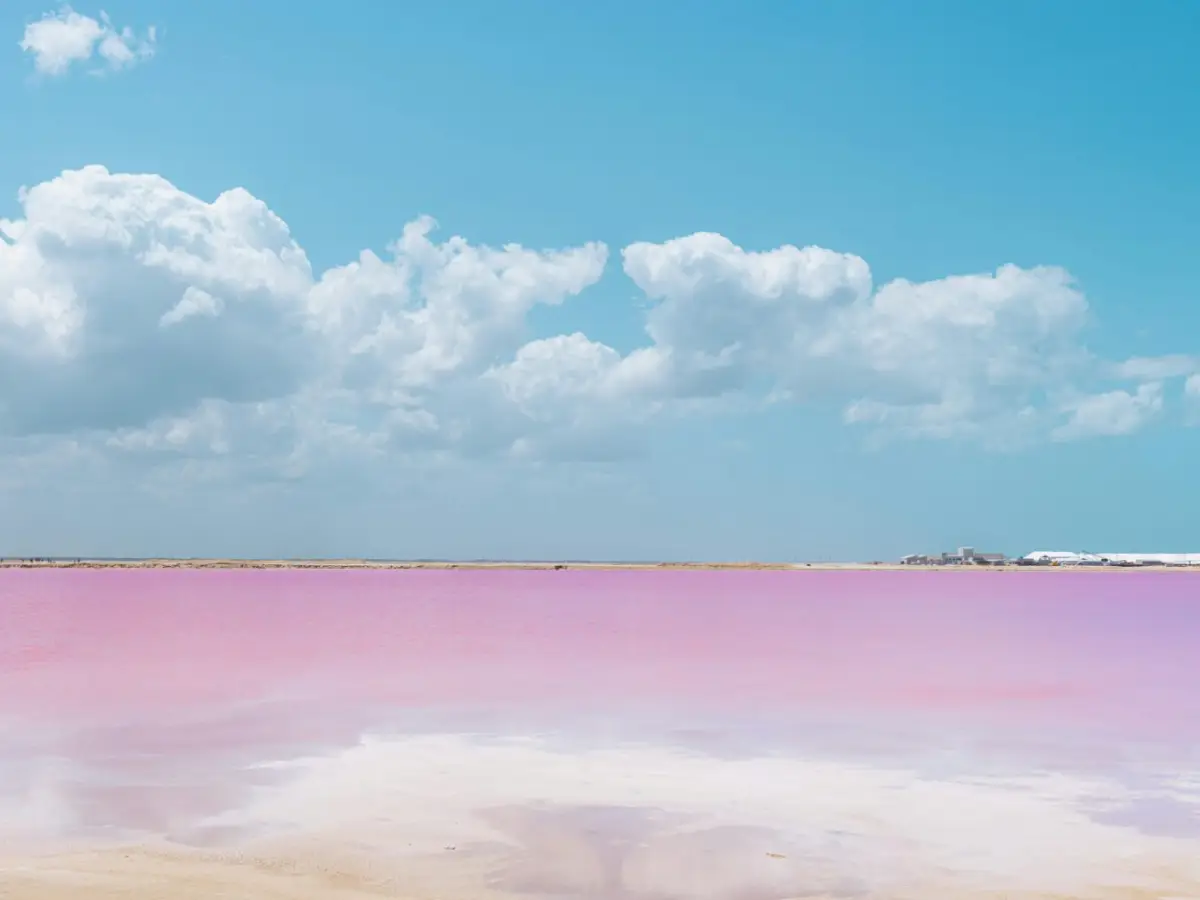
- 9:50 AM Las Coloradas — A guided walk beside the pink, white and orange pools of the salt works. No swimming: it is a protected area.
- 11:00 AM Cancunito beach — A rustic beach inside the reserve, calm water and hardly anyone around.
- 12:30 PM Boat ride through the estuary — Channels through the mangroves, flamingo watching areas, crocodiles in their habitat and the mineral mud bath.
- 2:15 PM Lunch in Río Lagartos — Fresh fish, ceviche, octopus or tikin xic on the waterfront of the fishing village.
- 4:15 PM Back to Mérida — Nearly four hours back, arriving around eight.
Included: Transport, Guide, Boat ride, Lunch from a set menu
Not included: Las Coloradas entrance, Drinks
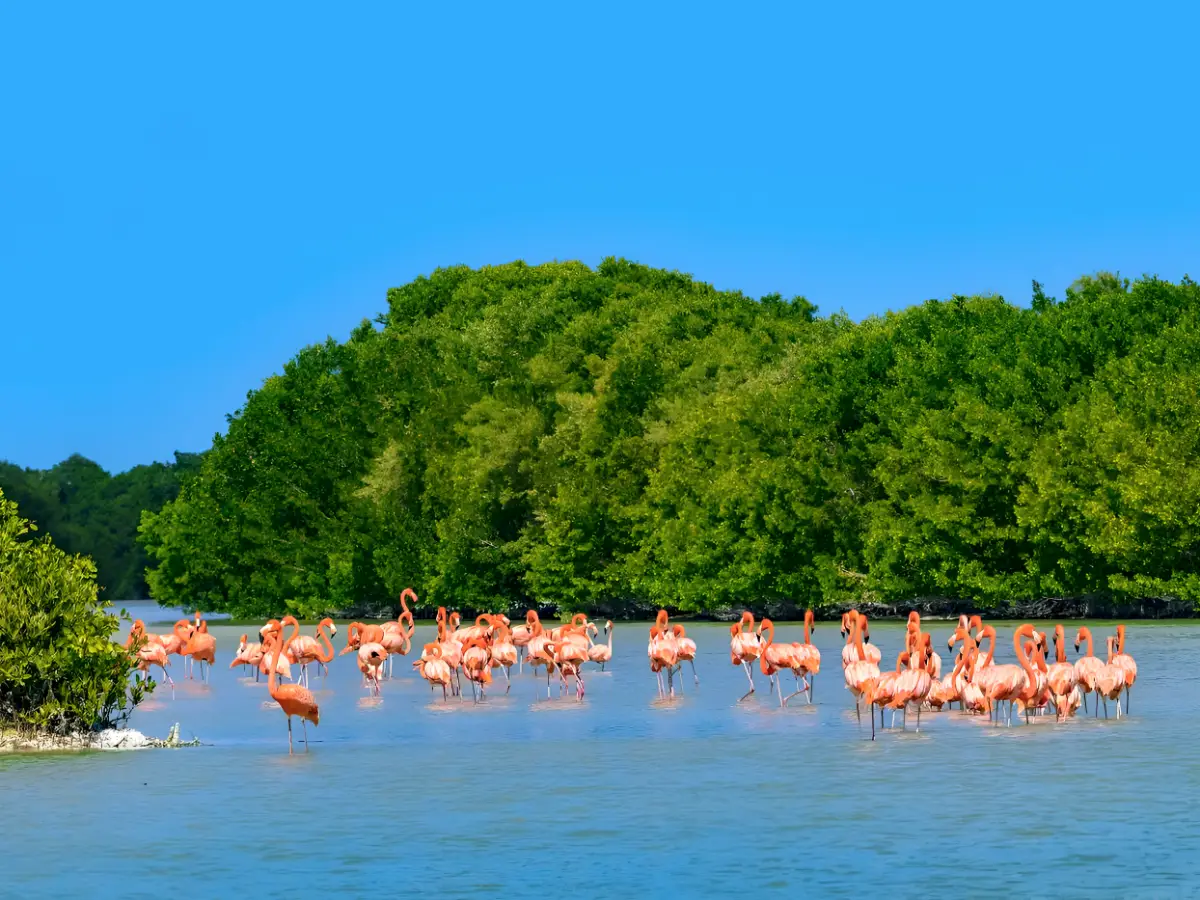
Nature · 9 h
Celestún and the pink flamingos
The largest flamingo colony in North America
from $1,600 MXN per person
See itinerary
8:00 AM – 5:00 PM · daily
- 8:00 AM Departure from the office — An hour and a half west, out to the port.
- 9:30 AM Boat ride — Flamingo and bird watching, the mangrove tunnel, the freshwater spring and the Maya bath on the sandbar.
- 11:00 AM Lunch by the beach — Fish, octopus or shrimp from the gulf, at a table facing the sea.
- 1:00 PM Free time on the beach — Almost three hours to swim, walk the shore or do nothing at all.
- 4:00 PM Back to Mérida — Arriving around five.
Included: Transport, Guide, Boat ride, Lunch from a set menu
Not included: Drinks
Frequently asked questions
How many plant species grow in Yucatán?
1,402 vascular plant species, according to CONABIO (2021).
What is low deciduous forest?
A forest of short trees, 4 to 10 meters tall, that drop most of their leaves in the dry season.
Is henequen native to Yucatán?
Yes. It's a native agave (Agave fourcroydes) grown for its fiber.
Are there endemic plants in Yucatán?
Yes; CICY identifies species endemic to the state and the peninsula, many without legal protection.