A semicircle visible from space
Plot all the cenotes of northern Yucatán on a map and a striking shape appears: many line up in a semicircle. A UNAM study in Geofísica Internacional describes this semicircular concentration and its spatial link to the buried Chicxulub structure.
NASA explains that this "necklace" of cenotes formed along fractures in the buried crater's rim, marking its edge.
The link to the asteroid
About 66 million years ago, an asteroid slammed into what is now northern Yucatán, leaving a crater roughly 180 to 200 km across, according to NASA and UNAM. Over time it was buried under layers of limestone. UNAM's science magazine ¿Cómo ves? notes that the ring of cenotes along the crater's southern part is its only visible surface expression.
A reserve for water
The ring isn't just a geological curiosity; it's a high-permeability zone where groundwater flows. That's why the Yucatán government declared it a State Geohydrological Reserve on October 19, 2013, covering 219,207.83 hectares across municipalities such as Homún, Cuzamá, Tecoh, Acanceh and Seyé.
It's also a Ramsar site, a wetland of international importance, for its role in recharging the peninsula's aquifer and supplying fresh water to wildlife.
What you'll find there
According to Yucatán's sustainable development ministry (SDS), the reserve holds low and medium forest plus cenote and sinkhole vegetation. Ring towns such as Homún and Cuzamá have become cenote destinations with visitor facilities.
Visiting responsibly
- Shower before swimming and keep lotions and repellent out of the water: it's the region's drinking water.
- Leave no trash.
- Choose cenotes set up for visitors, with stairs, life vests and clear rules.
The Ring of Cenotes from Mérida
Homún, right on the ring, is about an hour from Mérida. Mary Tours' Santa Bárbara cenotes trip visits four cenotes of different types; there are also combinations with Izamal and a private transfer to Izamal and Santa Bárbara. The office is on Calle 61 in Mérida's historic center; prices and schedules are in the booking section.
| Details | |
|---|---|
| Category | State Geohydrological Reserve |
| Declared | October 19, 2013 |
| Area | 219,207.83 ha |
| Designation | Ramsar site |
| Municipalities (examples) | Homún, Cuzamá, Tecoh, Acanceh, Seyé |
| Origin | Rim of the Chicxulub crater |
Fun facts
- The Ring of Cenotes is the only visible trace of the Chicxulub crater.
- The reserve covers more than 219,000 hectares.
- It's a wetland of international importance (Ramsar).
Related tours
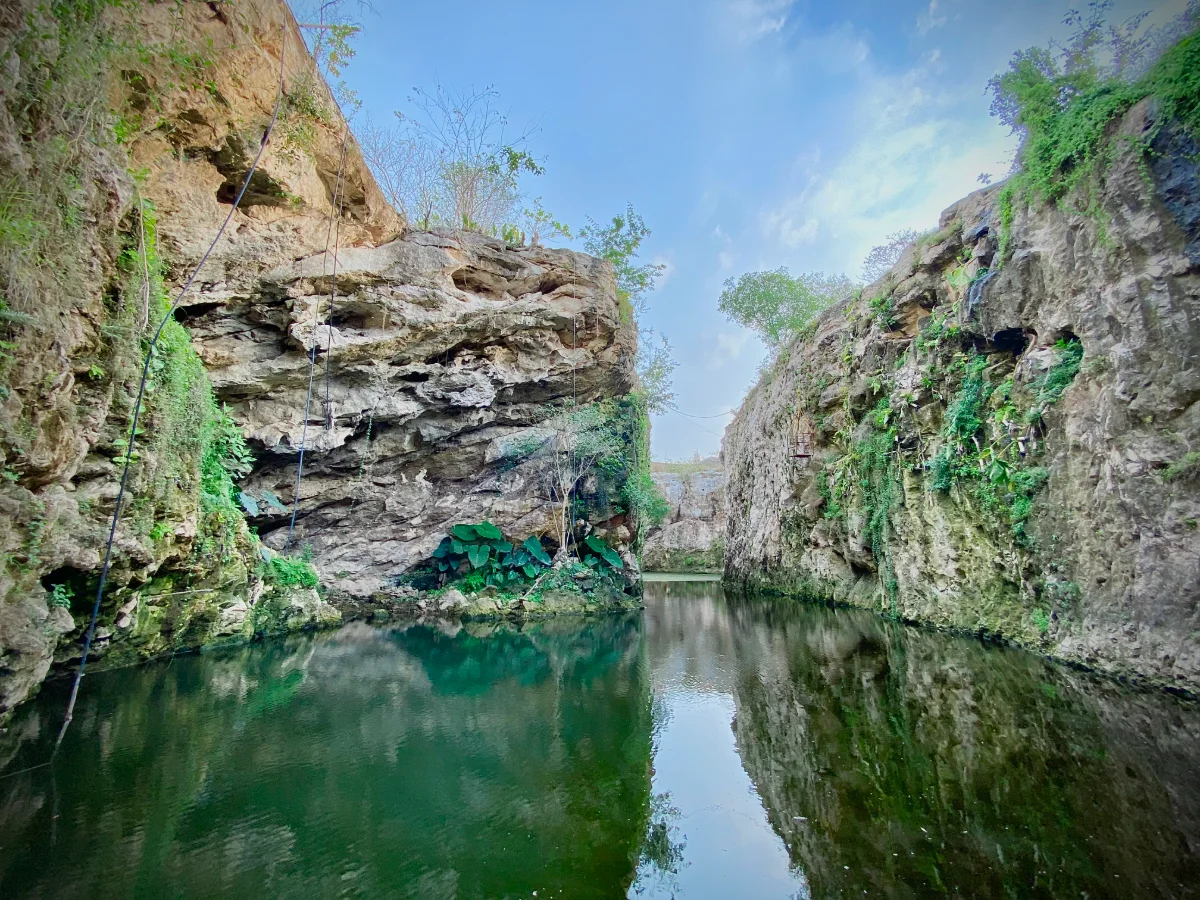
Cenotes · 7 h
The four cenotes of Santa Bárbara
Four different cenotes and a lunch made by hand
from $1,450 MXN per person
See itinerary
10:00 AM – 5:00 PM · daily
- 10:00 AM Departure from the office — An hour on the road to Homún, through the ring of cenotes.
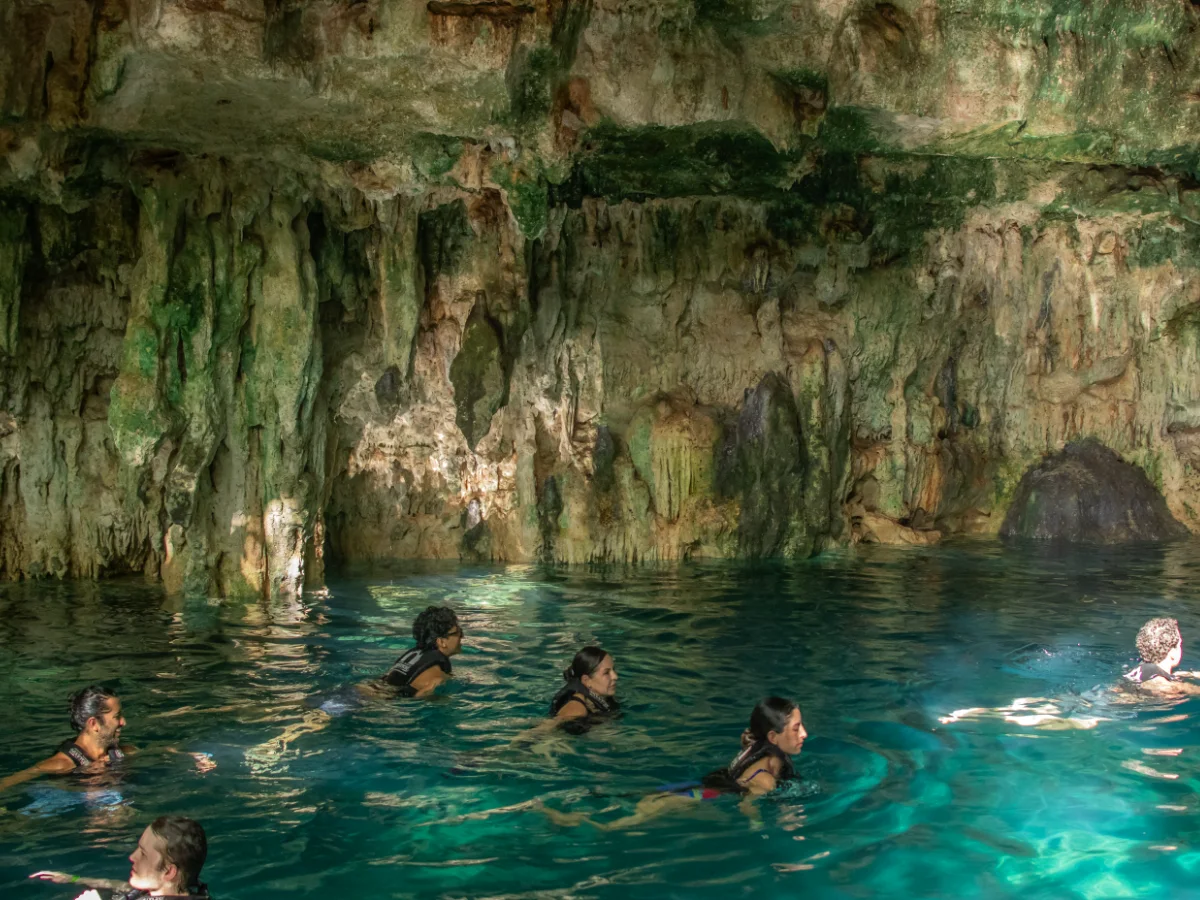
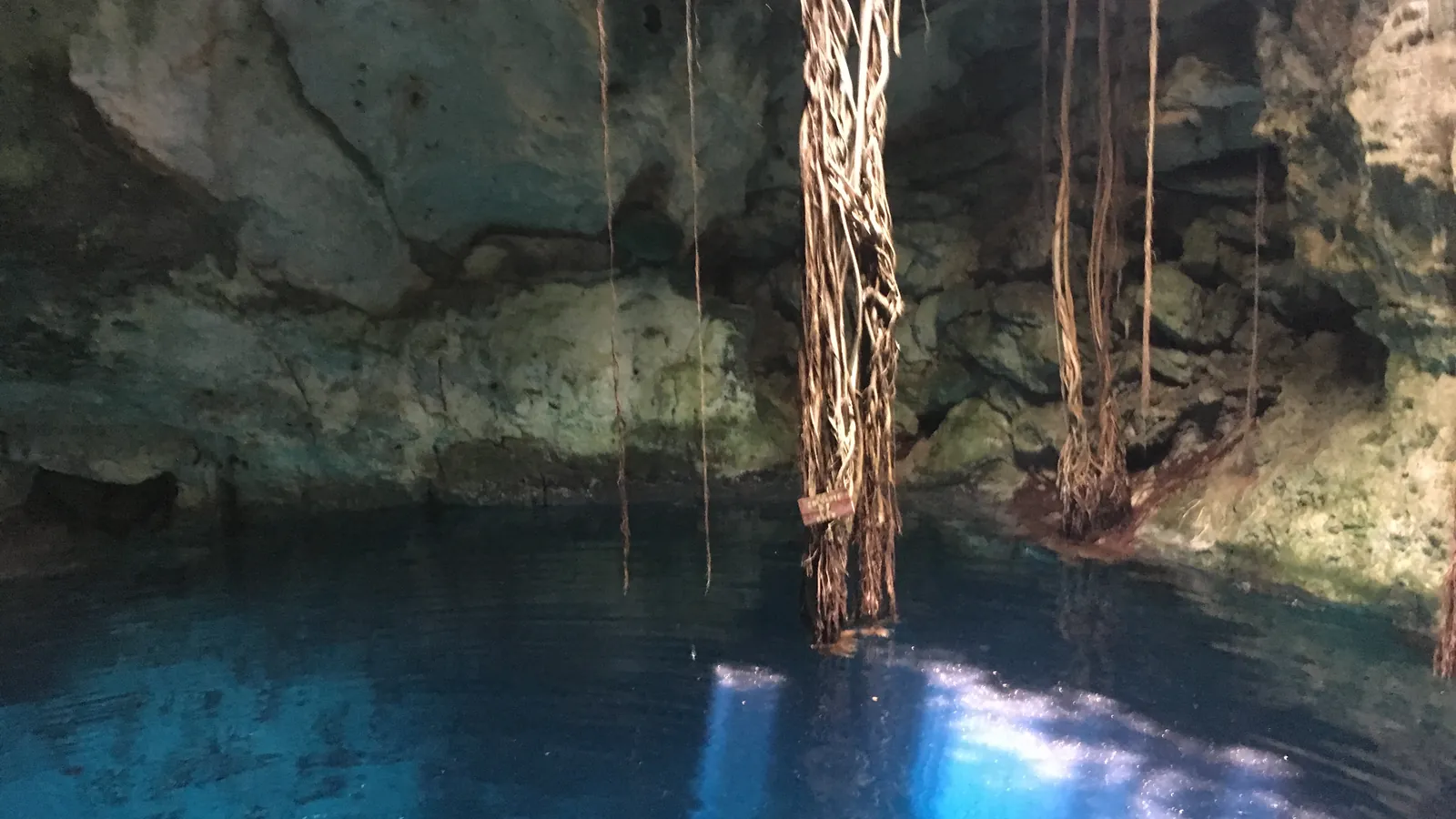
- 11:00 AM Cascabel cenote — Closed, cave type. You descend inside and the water sits in half-light: the most striking of the four.
- 11:30 AM Chaksikín cenote — Semi-open. You go down between limestone walls painted with Maya-themed murals.
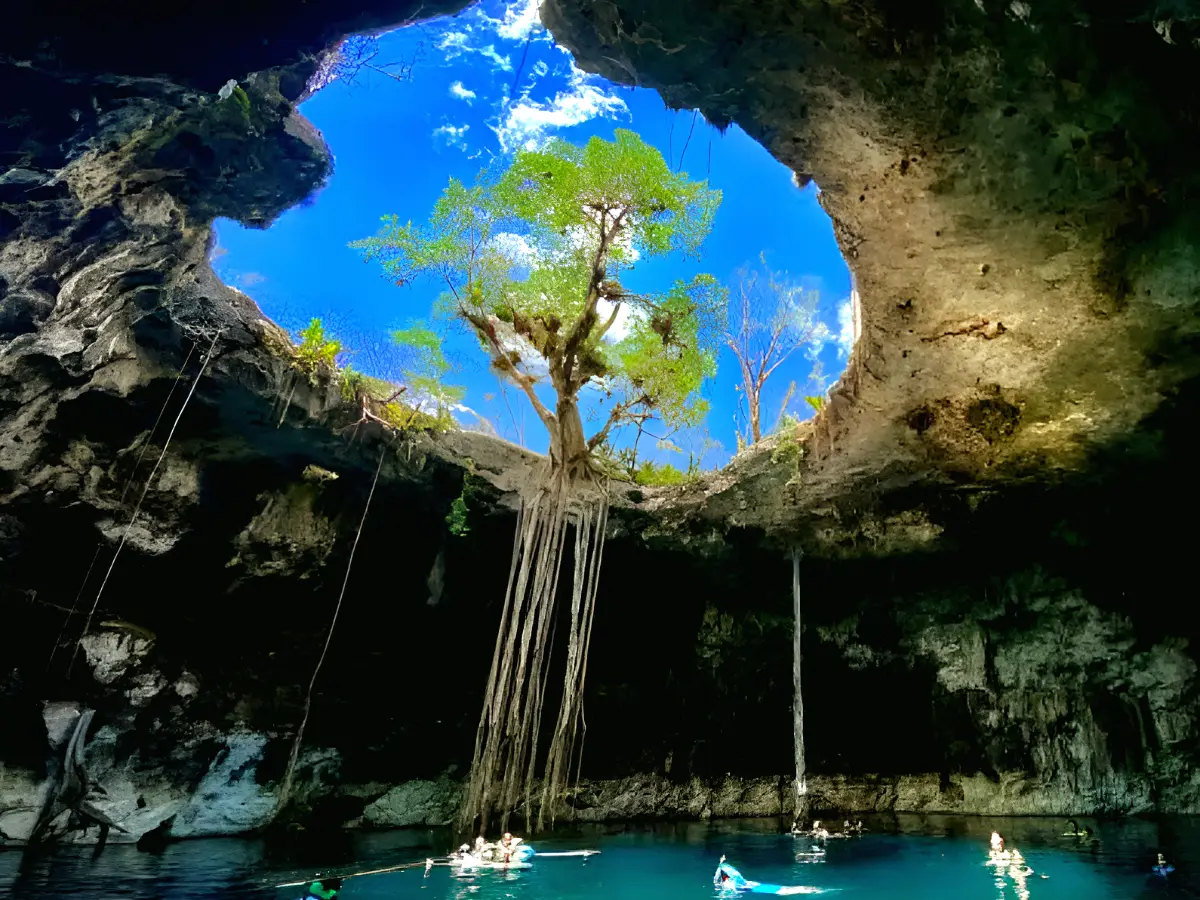
- 12:00 PM Xooch cenote — Semi-open, with a shaft of light that falls straight onto the water mid-morning.
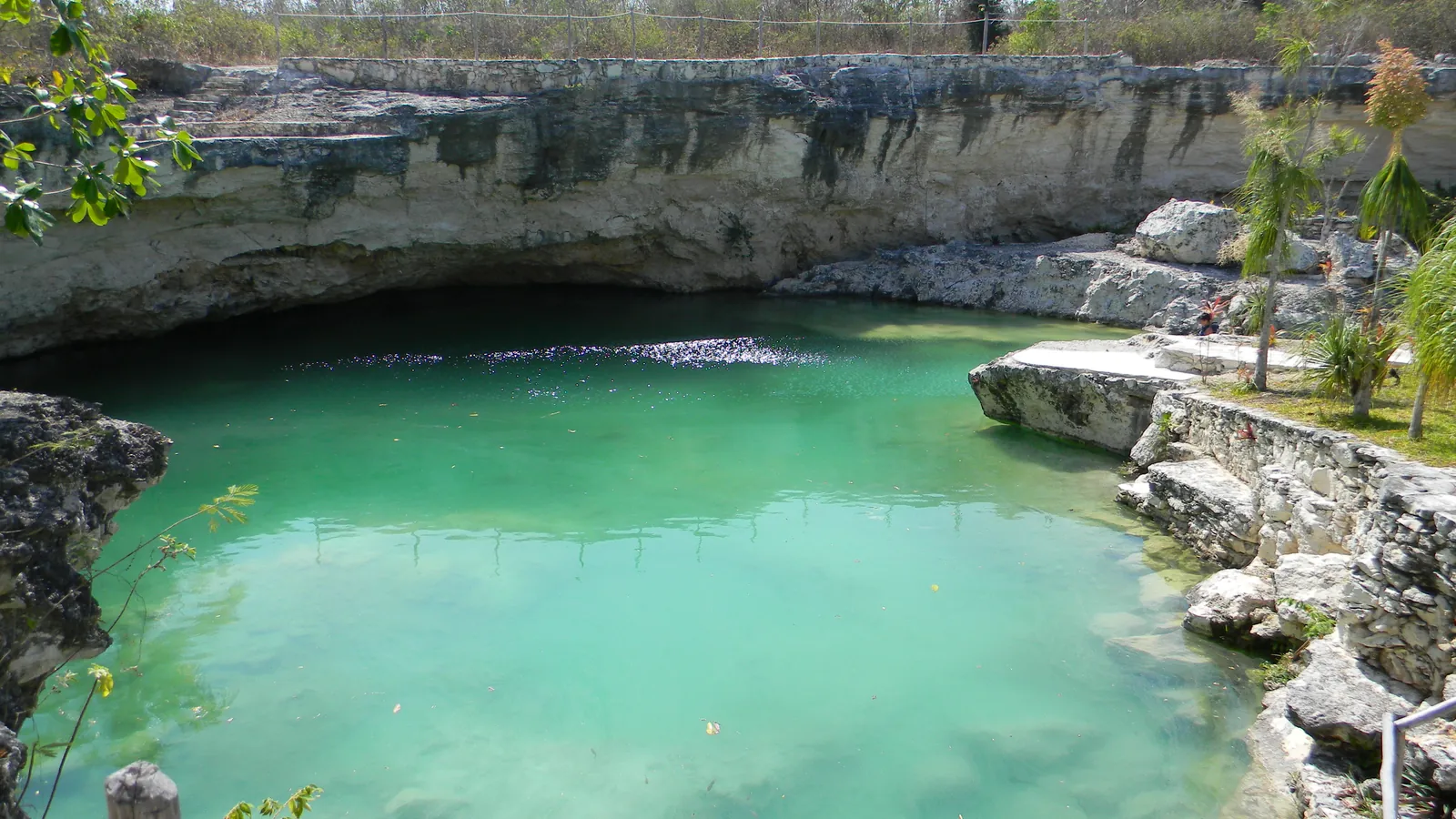
- 12:30 PM Pool Cocom cenote — Open and surrounded by vegetation. You swim along a channel out to the wide part.
- 1:30 PM Regional lunch — Home cooking with hand-made tortillas. Plenty of time to eat without rushing.
- 4:00 PM Back to Mérida — An hour back, arriving around five.
Included: Transport, Certified guide, Entry to all four cenotes, Regional lunch
Not included: Drinks with lunch
Cenotes · 9 h
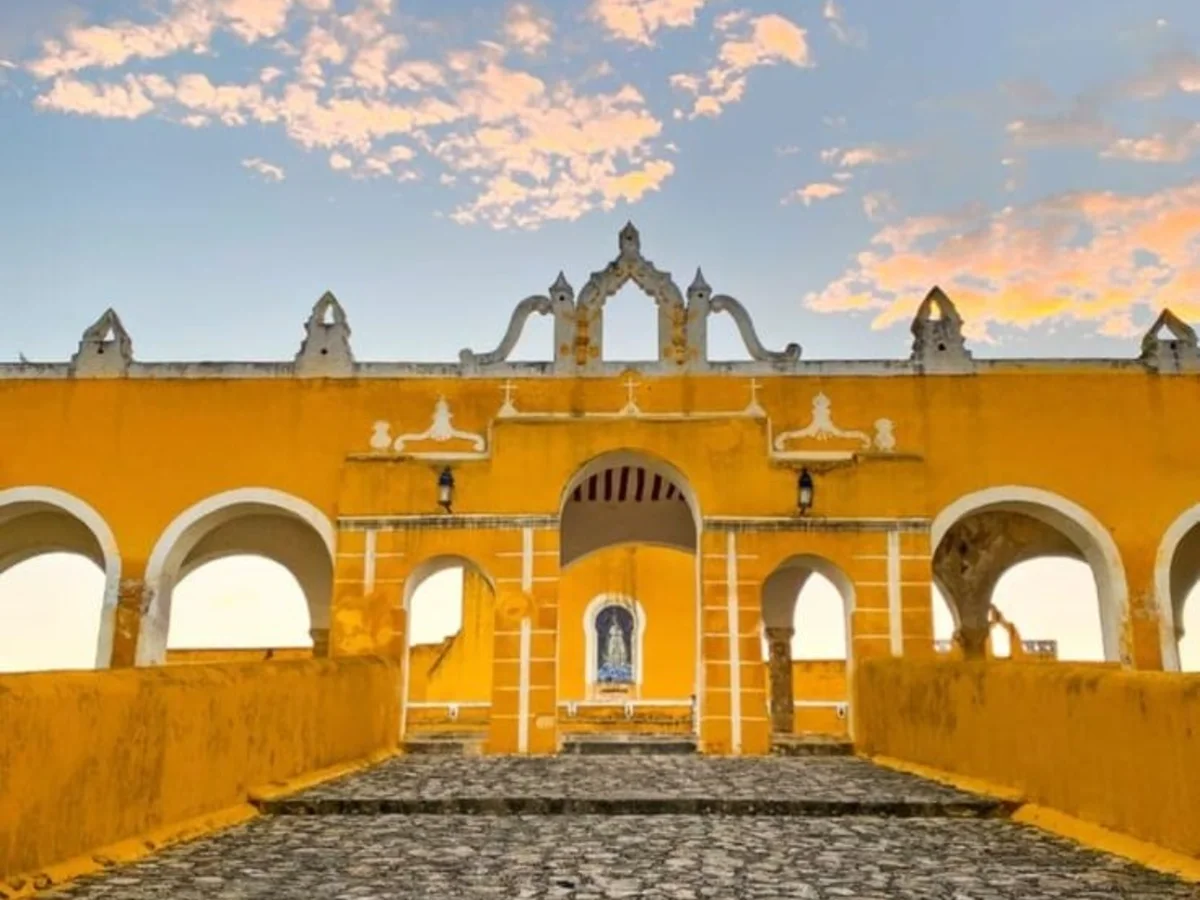
Izamal and the Santa Bárbara cenotes
Izamal early, and the whole afternoon in four cenotes
from $1,550 MXN per person
See itinerary
8:00 AM – 6:00 PM · daily
- 8:00 AM Departure from the office — An hour on the road to Izamal.
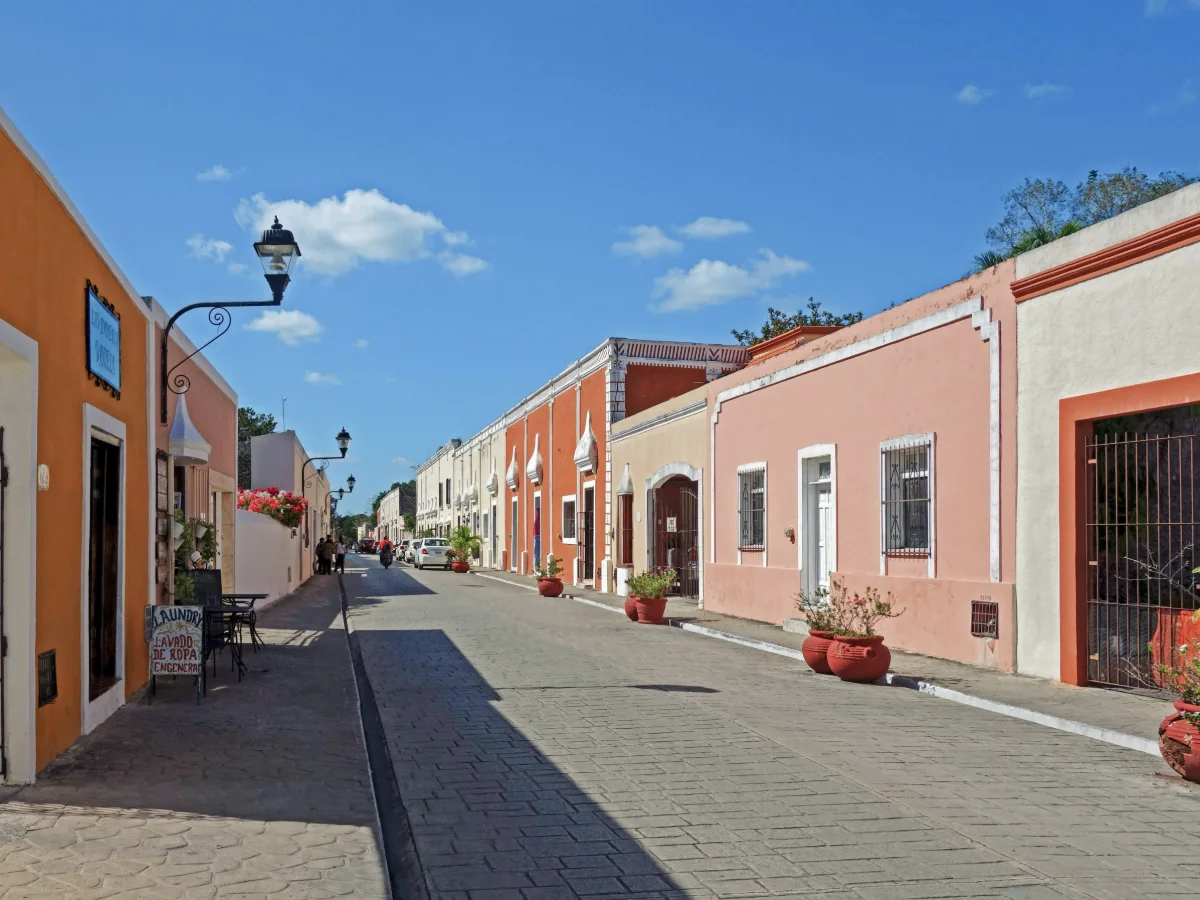
- 9:00 AM Izamal — The San Antonio de Padua convent, raised on a Maya platform, the Kinich Kakmó pyramid and the yellow streets.
- 10:30 AM On to Homún — An hour and a quarter through small towns to the cenote grounds.
- 12:00 PM Santa Bárbara cenotes — Five hours inside: Cascabel in a cavern, Chaksikín with its shaft of light, and Xooch and Pool Cocom in the open. You move between them by bike or cart, and lunch is served on site.
- 5:00 PM Back to Mérida — An hour back.
Included: Transport, General culture guide, Entrances, Lunch
Not included: Drinks
Towns · 9 h
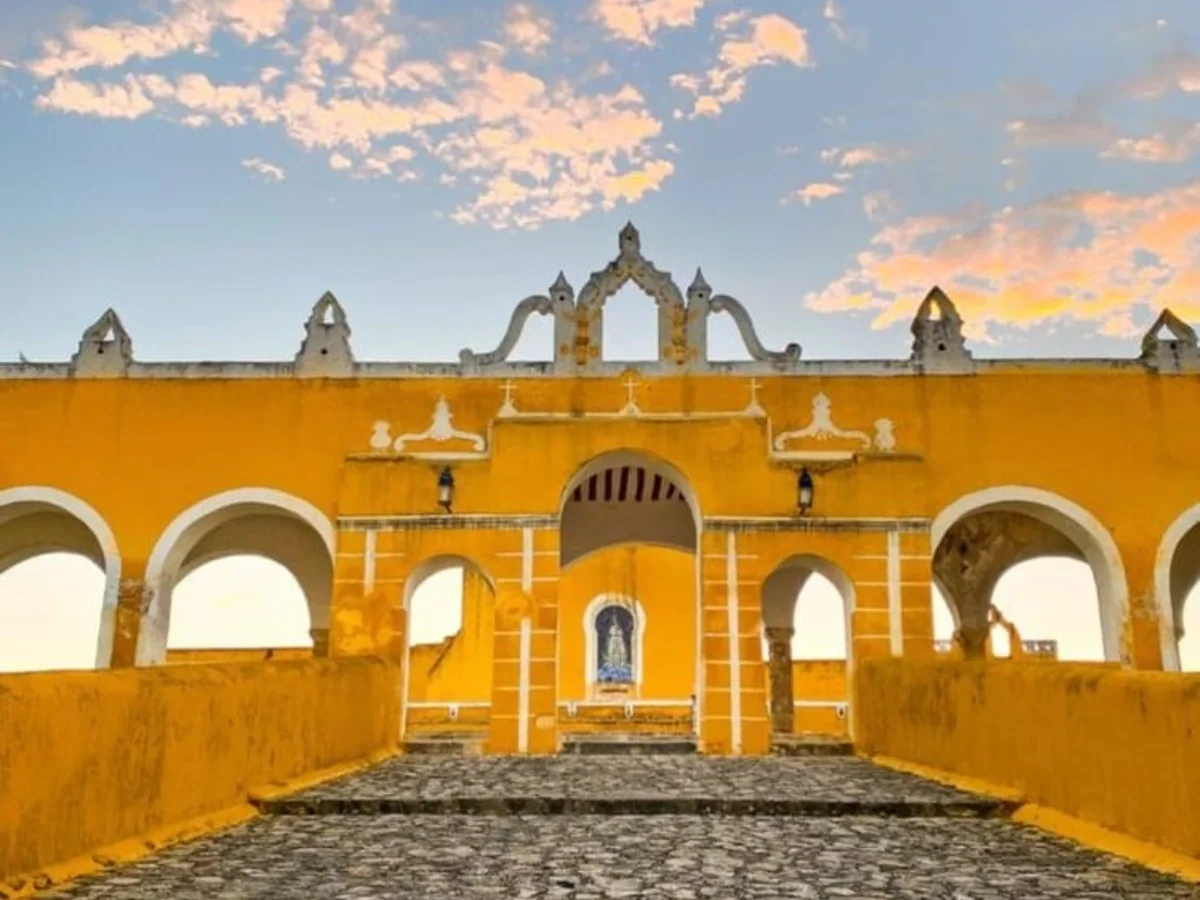
Izamal and two cenotes
Izamal’s yellow first, then two cold cenotes
from $1,300 MXN per person
See itinerary
8:00 AM – 5:00 PM · daily
- 8:00 AM Departure from the office — An hour on the road. The guide uses it to explain where Izamal comes from before you arrive.
- 9:00 AM The yellow town — The convent and its atrium, among the largest on the continent, the baroque altarpiece, and then free time around the streets.
- 10:20 AM On to the Homún ring — Forty more minutes to the cenote area.
- 11:00 AM Yaxbacaltún cenote — The first swim, landing right after the morning’s walking.
- 12:15 PM San Antonio cenote and lunch — A semi-closed cenote that feels nothing like the first one, and lunch served right there.
- 3:15 PM Back to Mérida — Back to Mérida, arriving around five.
Included: Transport, Guide, Entry to both cenotes, Lunch
Not included: Drinks
Transfers · 8.5 h
Transfer to Izamal and Santa Bárbara
The yellow town and four cenotes, with no group schedule
from $2,650 MXN per vehicle
Frequently asked questions
What is the Ring of Cenotes?
A semicircle of cenotes in northern Yucatán that traces the rim of the Chicxulub crater.
Is it protected?
Yes. It's been a state geohydrological reserve since 2013 and is a Ramsar site.
Which towns are on the ring?
Among others, Homún, Cuzamá, Tecoh, Acanceh and Seyé.
How do I visit from Mérida?
With the Santa Bárbara cenotes trip in Homún or its combinations with Izamal.